Waterfall Photography in Iceland: 2026 Guide
Master capturing iconic cascades with this essential guide to waterfall photography in Iceland for 2026, featuring expert tips.
Mastering Waterfall Photography in Iceland: 2026 Guide
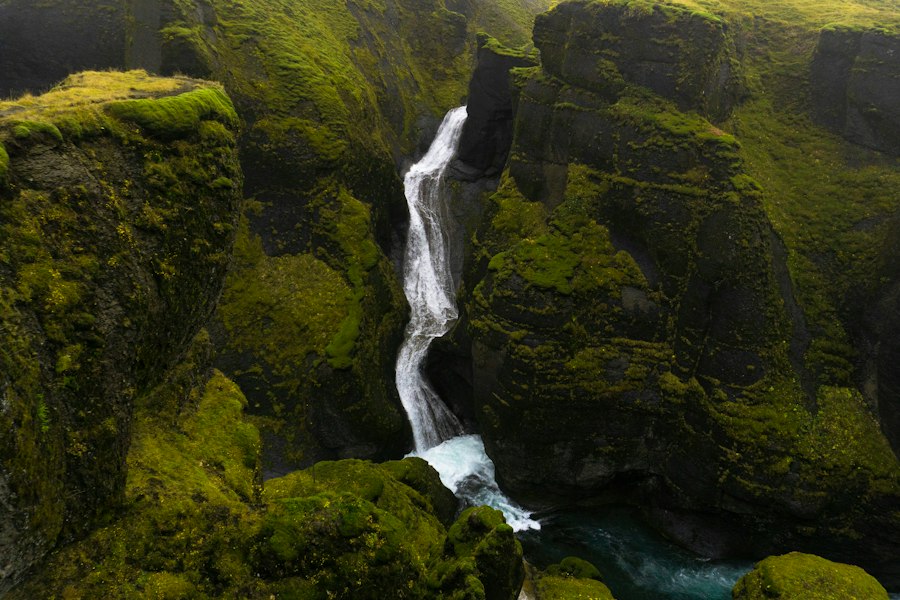
Capturing the perfect shot of waterfall photography in Iceland requires a blend of patience, proper gear, and an understanding of the unpredictable North Atlantic weather. As you plan your 2026 expedition to this land of fire and ice, you will find that the sheer volume of cascading water provides endless inspiration for your portfolio. Whether you are a seasoned professional or a hobbyist with a DSLR, the dramatic landscapes offer a rugged canvas that remains unmatched anywhere else on the planet.
Essential Gear and Preparation
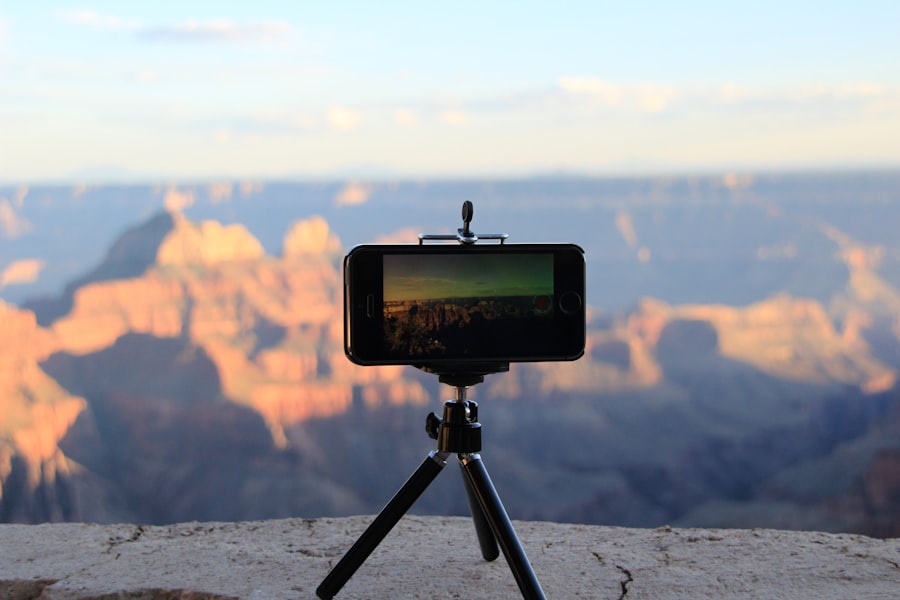
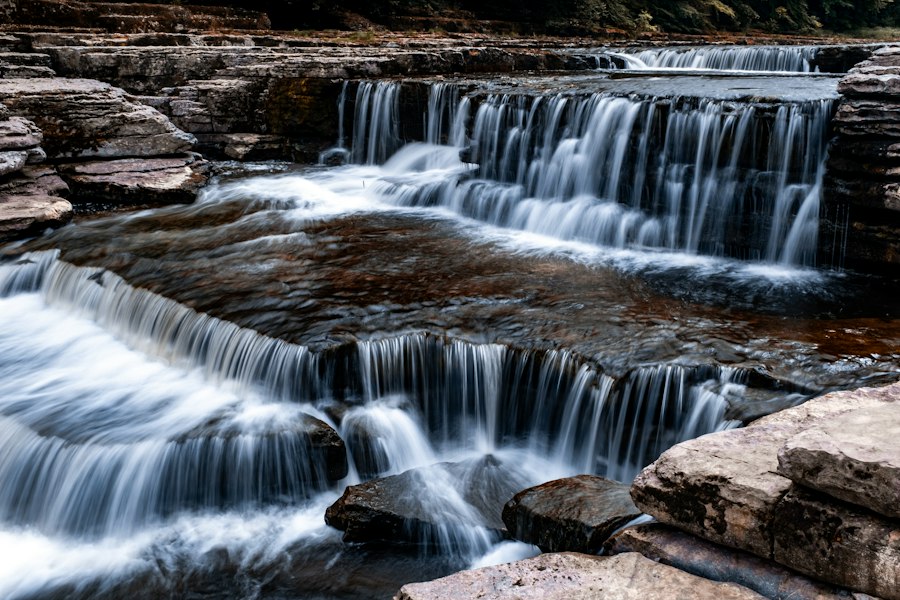
Before you set foot on the black sand beaches or moss-covered cliffs, you need to ensure your equipment is protected. The spray from these massive cascades is relentless, and moisture is the primary enemy of your camera sensor. You should always carry a high-quality microfiber cloth and a waterproof camera bag. A sturdy tripod is non-negotiable, as you will need long exposures to capture that silky water effect that makes waterfall photography in Iceland so iconic.
Recommended Camera Setup
- Full-frame camera body with weather sealing
- Wide-angle lens (16-35mm) for grand scale compositions
- Neutral Density (ND) filters to control light during daytime long exposures
- Extra batteries, as cold temperatures drain power faster than you expect
The Best Locations for Your Portfolio
While the country is dotted with thousands of cascades, a few stand out as absolute must-visits. Skogafoss remains the crown jewel, offering massive power and frequent rainbows on sunny days. If you head further east, Seljalandsfoss allows you to walk behind the water curtain, providing a unique perspective that is perfect for wide-angle shots. For those venturing into the Highlands, Haifoss offers a dramatic drop into a deep canyon that will leave you breathless.
Now let's talk about the logistics of travel. If you are wondering about the best time to visit, the shoulder months of May and September offer a balance of manageable daylight and fewer crowds. By 2026, the popularity of these spots has increased, so arriving at sunrise is the best way to secure your frame without other tourists in the shot.
Traveler’s Warning: Never step past the safety ropes or onto the unstable icy cliffs surrounding the falls. The moss is incredibly slippery, and the sudden gusts of wind near the drops have caught many unprepared photographers off guard. Stay on the marked trails to ensure your safety and protect the fragile Icelandic ecosystem.
How to Get Around
Navigating the terrain requires careful planning, especially if you intend to visit remote locations. Renting a 4x4 vehicle is the standard for 2026, providing the clearance needed for F-roads. You can find excellent availability on platforms like Booking.com, which lists various rental agencies operating out of Keflavik International Airport.
- Rent a 4x4 vehicle with gravel protection insurance.
- Utilize the Straeto bus system if you are staying near Reykjavik or Akureyri.
- Join small group photo tours if you prefer not to drive in harsh conditions.
- Always check Safe.is for real-time road closures and weather updates.
Dining and Local Accommodations
After a long day of shooting, you will want a warm meal and a comfortable bed. Most towns near the major falls, such as Vik or Hella, offer cozy guesthouses and local cafes. Prices for a decent dinner range from 3500 to 6000 ISK, while a hotel room in 2026 generally costs between 30,000 and 50,000 ISK per night depending on proximity to the Ring Road.
- Where to Eat: Try the local lamb soup at the cafes near Skogafoss for a hearty, traditional meal.
- Where to Eat: Visit the small bistros in Vik for fresh Arctic char and local sourdough bread.
- Where to Eat: Grab a quick, affordable burger or hot dog at the N1 gas stations, which are a staple for budget-conscious travelers.
Refining Your Technique
If you are looking to elevate your waterfall photography in Iceland, experiment with different shutter speeds. A speed of 1/2 second often retains enough texture in the water to show power, while a 5-second exposure creates a dreamy, ethereal look. Pro tip for you: bring a small rain cover for your lens, but also keep a dedicated lens pen in your pocket. The spray often settles on the glass, and you will spend half your time wiping it clean, so having a quick-access tool makes all the difference.
Top Things to Do Beyond Photography
While photography is the goal, do not miss the other natural wonders that make the region special. You can balance your waterfall photography in Iceland sessions with these activities:
- Soak in one of the many geothermal pools located in small towns like Selfoss.
- Visit the black sand beaches near Reynisfjara to photograph the basalt columns.
- Explore the glacier lagoons, which offer a stunning contrast to the green waterfall cliffs.
Moving on to your final considerations, remember that patience is your greatest asset. The light in the north shifts rapidly, and a cloudy, flat day can actually be better for capturing the deep, vibrant greens of the moss than a harsh, sunny day. Check your TripAdvisor ratings for local guides and tour operators to ensure you are booking with highly-rated professionals who understand the specific needs of photographers.
Ultimately, waterfall photography in Iceland is about more than just the image; it is about the experience of standing before the raw power of nature. In 2026, as you stand at the edge of Gullfoss or Dynjandi, take a moment to put the camera down and simply listen. The roar of the water is a sound you will carry with you long after you return home, serving as a reminder of the wild beauty you documented during your journey.
Frequently Asked Questions
What is the best time of year to photograph waterfalls in Iceland?
Summer offers lush greens and midnight sun, while winter brings ice formations and fewer crowds. Late spring and early autumn balance light and accessibility.
What camera gear do I need for Iceland's waterfalls?
A sturdy tripod and a polarizing filter are essential for long exposures and cutting glare. Bring a rain cover and microfibre cloths to handle constant spray.
How do I avoid getting my lens wet from waterfall spray?
Shoot from a slight distance or use a lens hood and rain sleeve to shield the front element. Wipe the filter frequently rather than the lens itself.
Which ND filter strength is best for silky waterfall shots?
A 6-stop or 10-stop ND filter lets you use slow shutter speeds in bright Icelandic daylight. Start with 1-2 seconds and adjust for the flow you want.
Are Iceland's most famous waterfalls easy to access in 2026?
Yes, sites like Gullfoss, Seljalandsfoss, and Skógafoss have paved parking and marked paths. Expect paid parking at popular locations and arrive early to avoid crowds.

Lars Lindgren puts together detailed guides to cities and regions, drawing on his own travels to flag the things worth your time. He focuses on clear, honest advice that holds up once you are actually on the ground.
💬 Comments (0)
No comments yet. Be the first!