Rovinj Travel Guide 2026: Coastal Tips
Plan your trip to Croatia with our Rovinj Travel Guide 2026, featuring the best historic spots, beaches, and local food.
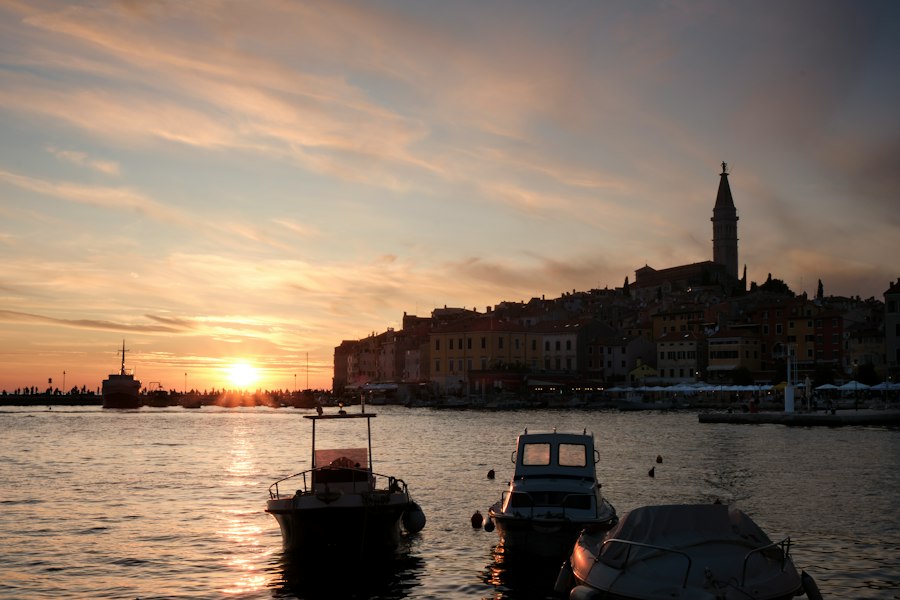
Welcome to your ultimate Rovinj Travel Guide 2026, your comprehensive companion to exploring one of the most enchanting coastal gems on the Adriatic Sea. If you are planning a Mediterranean getaway, the pastel-colored houses, winding cobblestone alleys, and pristine waters of this Istrian peninsula should be at the very top of your list. I will help you navigate this ancient Venetian town like a seasoned expert, ensuring you maximize every moment of your vacation.
Why Rovinj is Your Go-To Adriatic Destination in 2026
Rovinj manages to capture the romantic charm of Venice while maintaining its own distinct Croatian identity. Situated on the western coast of the Istrian peninsula, the town was actually an island until 1763, when the channel separating it from the mainland was filled in. Today, this historic layout creates a compact, car-free Old Town that feels like an open-air museum.
In 2026, the town continues to balance its historic fishing heritage with upscale tourism. You will find world-class dining, luxury boutique hotels, and rugged natural parks just minutes from the city center. Whether you are a solo backpacker, a couple on a romantic retreat, or a family seeking sun and culture, this destination offers a perfect blend of relaxation and exploration.
How to Get Around: Navigation and Transport
Navigating the Istrian coast requires a bit of planning, especially since Rovinj does not have its own train station. If you are wondering about the best ways to reach the town and get around once you arrive, I have compiled the essential transport options for your journey.
- By Air: Pula Airport (PUY) is the closest international gateway, located about 40 kilometers south. From the airport, you can take the direct Brioni Pula shuttle bus to the main Rovinj Bus Station for approximately 10 to 15 EUR per person.
- By Bus: The main bus terminal in Rovinj connects directly to major cities like Zagreb, Trieste, and Ljubljana. Arriva Croatia operates daily routes, with tickets from Trieste costing around 20 to 30 EUR.
- By Ferry: During the high season, Venezia Lines operates high-speed catamarans connecting Venice to Rovinj. The journey takes about 3 hours and prices range from 70 to 95 EUR one way.
- Within the City: The Old Town is strictly pedestrian-only. You will need to rely on your own two feet, so pack comfortable walking shoes to handle the slippery, polished stone streets. For exploring outer areas, bicycle rentals are widely available for about 15 EUR per day.
Money-Saving Secret: Do not use the independent ATMs scattered along the main tourist harbor of Obala Aldo Rismondo. These machines often charge exorbitant conversion fees and high withdrawal rates. Instead, walk a few minutes inland to find official Croatian bank branches like Erste Bank or PBZ to withdraw local currency at standard rates.
Where to Stay: Neighborhood Guide
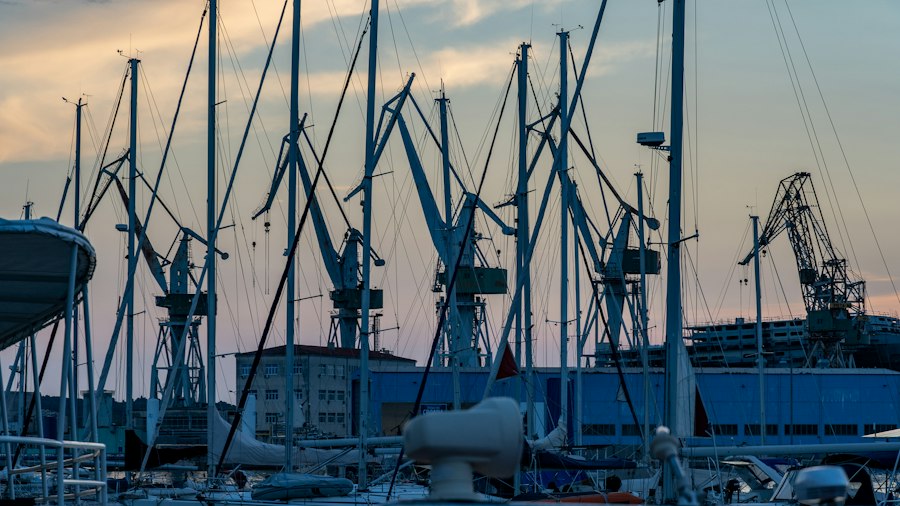
Selecting the right neighborhood can make or break your trip. Now let's talk about the best areas to base yourself during your stay, depending on your travel style and budget. You can easily check Booking.com availability to lock in your preferred spot early, as the best places fill up months in advance for the summer season.
The Old Town (Stari Grad)
If you want to step out of your door directly onto historic cobblestones, the Old Town is the place to be. You will find charming apartments tucked away in narrow alleys and boutique hotels overlooking the harbor. Keep in mind that you will have to carry your luggage from the pedestrian border, as cars are not allowed here.
Monte Mulini and Lone Bay
Located just south of the city center, this is the upscale hotel zone. Here, you will find luxury five-star properties nestled against the forest park. It is the perfect area if you want easy access to the beach, resort amenities, and a peaceful night of sleep while still being a scenic 15-minute walk from the historic center.
Val de Lesso and Borik
For families and budget-conscious travelers, the northern residential neighborhoods of Borik and Val de Lesso offer excellent value. These areas feature quiet guesthouses, local supermarkets, and family-friendly beaches, with regular water taxi services connecting you to the town center for about 5 EUR.
Top Things to Do in Rovinj
To help you structure your itinerary, this Rovinj Travel Guide 2026 highlights the absolute must-see attractions. From historic landmarks to natural wonders, you will find plenty of activities to keep you captivated.
- Climb the Bell Tower of St. Euphemia: Standing tall at the highest point of the peninsula, this 60-meter-high tower offers panoramic views of the Adriatic. Admission is approximately 4 EUR, and the climb up the wooden steps is well worth the effort.
- Explore Golden Cape Forest Park (Zlatni Rt): This protected nature park is ideal for cycling, jogging, and swimming. You can rent a paddleboard, climb the old quarry walls, or simply relax under the shade of ancient pine and cypress trees.
- Take a Sunset Dolphin Cruise: Numerous local boats depart from the main harbor every evening. For about 20 to 30 EUR, you can sail around the Rovinj archipelago and watch wild dolphins play in the sunset.
- Stroll Along Grisia Street: This is the most famous artistic street in the city, winding its way up to the church. It is lined with local galleries, handmade jewelry shops, and colorful art displays.
Pro tip for you: If you want to beat the massive cruise crowds that arrive midday, head to the local green market on Valdibora Square around 8:00 AM. You can buy fresh Istrian truffles, local olive oil, and wild figs directly from the farmers without the afternoon rush, then enjoy a quiet morning coffee by the harbor before the streets get busy.
Where to Eat: The Istrian Culinary Scene
Istrian gastronomy is heavily influenced by its proximity to Italy, combined with rich Croatian traditions. You will find incredible seafood, homemade pasta, and world-class olive oil during your culinary adventures. According to highly-rated TripAdvisor reviews, the local dining scene has reached new heights, offering options for every budget.
- Monte (High-End): As the first restaurant in Croatia to receive a Michelin star, this spot in the Old Town offers a theatrical, multi-course fine dining experience. Expect to spend around 120 to 180 EUR per person for a tasting menu.
- Tavern De Amicis (Mid-Range): A cozy, family-run konoba offering traditional Istrian dishes. I highly recommend trying their homemade fuzi pasta with fresh truffles or the slow-cooked octopus salad. Mains range from 15 to 25 EUR.
- Pizzeria da Sergio (Budget-Friendly): Located right on Grisia Street, this legendary spot serves giant, thin-crust Roman-style pizzas in a bustling atmosphere. Pizzas cost between 9 and 14 EUR.
Planning Your Budget and Best Time to Visit
Moving on to the financial and seasonal aspects of your trip, it is important to budget realistically. Croatia’s transition to the Euro has stabilized prices, but popular coastal towns can still be expensive during the peak summer months of July and August.
A mid-range traveler should budget approximately 110 to 160 EUR per day, which easily covers a comfortable double room, two sit-down meals, and activities. If you are on a tight budget, choosing self-catering apartments and utilizing local supermarkets like Konzum or Plodine can drop your daily expenses to around 60 to 80 EUR.
The absolute best time to visit, as recommended by this Rovinj Travel Guide 2026, is during the shoulder seasons of May to June or September to October. During these months, the weather is warm enough for swimming, accommodation prices are up to 30% lower, and the streets are much quieter, allowing you to experience the authentic charm of this coastal paradise.
Final Thoughts for Your 2026 Adventure
As you wrap up your planning, remember that the true magic of this town lies in its slow pace. Do not rush your itinerary. Leave plenty of time to sit by the water with a glass of local Malvazija white wine, watch the fishing boats bring in their daily catch, and witness the incredible pink sunsets that paint the Adriatic sky.
By using this Rovinj Travel Guide 2026, you are fully equipped with all the practical knowledge, transport routes, and insider tips needed to create unforgettable memories along the Istrian coast. Pack your bags, book your stays, and get ready to fall in love with Croatia's most romantic seaside town.
Frequently Asked Questions
What is the best time to visit Rovinj in 2026?
May, June, and September offer warm weather and fewer crowds. July and August are the busiest and hottest months.
How do I get to Rovinj from the nearest airport?
Pula Airport is about 40 minutes away by car or shuttle. Trieste and Zagreb airports are also options for longer transfers.
Which beaches in Rovinj are best for swimming?
Lone Bay and Punta Corrente (Zlatni Rt) are popular for clear water and pine shade. Borik and Villas Rubin are also good family choices.
Is Rovinj walkable or do I need a car?
The old town is very walkable and best explored on foot. A car helps for day trips, but parking near the center is limited in summer.
What local food should I try in Rovinj?
Don't miss fresh seafood, Istrian truffle dishes, and local malvazija wine. Try a konoba for traditional Istrian cuisine.

Isabella Conti writes in-depth travel guides that turn a new destination into familiar ground. She covers what to see, when to go and how to make the most of your time, with practical detail you can actually use.
💬 Comments (0)
No comments yet. Be the first!