
The Ultimate First-Timer's Guide to Tokyo 2026
Your complete first-timer's guide to Tokyo for 2026. Master transport, neighborhoods, and top sights with this essential plan.

Welcome to your essential First-Timer's Guide to Tokyo, designed to transform your 2026 adventure into a seamless and unforgettable experience. This comprehensive First-Timer's Guide to Tokyo will navigate you through the neon-lit streets and serene temples, ensuring you grasp the city's rhythm from the moment you land. As your travel expert, I've crafted this guide with practical details on transport, costs, and neighborhoods, so you can explore with confidence. Let's dive into the ultimate First-Timer's Guide to Tokyo for 2026.
When to Visit Tokyo and What to Pack
Tokyo offers distinct charms each season, but for a first visit, timing is key. Late March to early April brings the famous cherry blossoms, while October and November boast mild weather and vibrant autumn leaves. Summers (June-August) are hot and humid, and winters (December-February) are cold but sunny. Whenever you come, packing smart is crucial.
Seasonal Considerations for 2026
Check the official Tokyo Metropolitan Government tourism calendar for 2026 festival dates; events like Sanja Matsuri in May are spectacular. If you visit during rainy season (June-July), a compact umbrella is non-negotiable.
Essential Items for Your Trip
Beyond clothes, pack comfortable walking shoes, a portable Wi-Fi router (rentable at the airport), and a power bank. Japanese outlets are type A (two flat pins), so most travelers from the Americas won't need an adapter.
How to Get Around Tokyo: Mastering the Maze
Tokyo's public transport is famously efficient but can be daunting. The core systems are the JR Yamanote Line (a loop connecting major districts) and the Tokyo Metro and Toei Subway lines. Purchase a reloadable Suica or Pasmo card at any station; it works on trains, buses, and even at convenience stores.
- Airport Transfer: From Narita, take the Narita Express (N'EX) to Tokyo Station (about 60 minutes, 3000 yen). From Haneda, the monorail to Hamamatsucho is fastest (20 minutes, 500 yen).
- Train Etiquette: Avoid rush hour (7:30-9:30 AM), speak quietly, and never eat on local trains (it's fine on long-distance shinkansen).
- Taxi Backup: Taxis are clean but expensive (starting fare around 500 yen). Use them for short trips when trains stop after midnight.
Pro tip for you: On my first trip, I got disoriented at Shinjuku Station. I recommend you take a screenshot of your exit number on Google Maps before descending—the stations are colossal, and this saved me hours of wandering.
Where to Stay: Neighborhoods for Every Traveler
Choosing the right base is vital for your First-Timer's Guide to Tokyo success. Here are top areas, with 2026 price ranges for mid-range hotels per night, based on typical Booking.com availability.
- Shinjuku: Vibrant hub with endless dining and shopping. Best for nightlife. (12,000-18,000 yen).
- Shibuya: Youthful energy, iconic crossing, and trendy brands. (14,000-20,000 yen).
- Ginza: Upscale shopping and dining, calmer evenings. (20,000-30,000 yen).
- Asakusa: Traditional feel, close to Senso-ji Temple. Great for culture. (10,000-15,000 yen).
- Tokyo Station/Marunouchi: Central for bullet train trips; business-like but convenient. (15,000-22,000 yen).
Moving on to activities, a solid First-Timer's Guide to Tokyo must highlight the unmissable experiences.
Top Things to Do in Tokyo
Balance iconic sights with local gems. I recommend booking major attractions online in 2026 to skip queues. Here are core activities to anchor your trip.
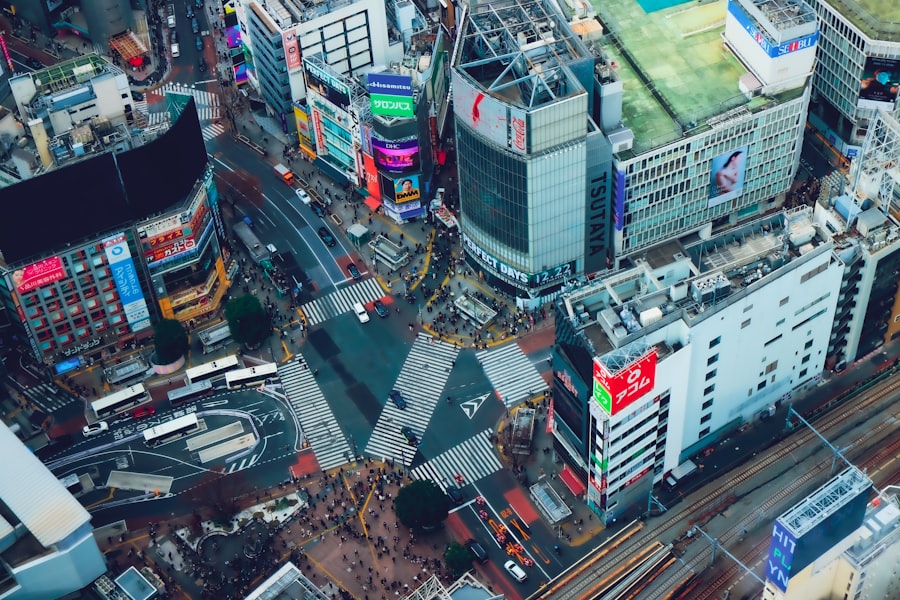
- Feel the Pulse at Shibuya Crossing: Witness the world's busiest pedestrian scramble. For a great view, head to the second-floor Starbucks in the Tsutaya building.
- Explore Asakusa and Senso-ji: Tokyo's oldest temple. The Nakamise shopping street leads to the majestic Kaminarimon Gate. It holds a TripAdvisor Certificate of Excellence based on consistent high ratings.
- See the City from Above: Skip the expensive Tokyo Skytree. The Tokyo Metropolitan Government Building in Shinjuku offers free observatory decks with stunning views.
- Experience Harajuku Fashion: Walk Takeshita Street on a Sunday for crazy crepes and vibrant youth culture. Nearby, find peace in the Meiji Jingu shrine.
- Discover Digital Art at teamLab: If you're wondering about a unique modern experience, teamLab Borderless or Planets (check which is open in 2026) is an immersive digital art museum. Book tickets weeks ahead.
Traveler’s Warning: While exploring electronics districts like Akihabara, be wary of "foreigner tax" at some smaller shops. Always compare prices with large, reputable stores like Yodobashi Camera or Bic Camera, which have clear, fixed pricing and tax-free counters for tourists.
Where to Eat: A Culinary Adventure
Tokyo is a food paradise. From vending machine ramen joints to Michelin-starred sushi, there's something for every budget. Don't be shy to point at plastic food displays outside restaurants—it's a perfectly acceptable way to order.
- Ramen: Head to Shinjuku's Omoide Yokocho (Memory Lane) for tiny, authentic stalls. A hearty bowl costs 800-1200 yen.
- Sushi: For a sublime, budget-friendly conveyor belt experience, try Sushi Zanmai in Tsukiji. For a splurge, book a omakase course in Ginza.
- Tempura: Tendon Tenya is a reliable chain for crispy, affordable tempura bowls (around 500 yen).
- Street Food: In Asakusa, try melon pan (sweet bread) or agedashi tofu (fried tofu).
- Izakaya: Experience Japanese pub culture in Shinjuku's Golden Gai—tiny bars with big character. Set aside 3000-5000 yen for food and drinks.
Now let's talk about navigating cultural nuances, a key part of any First-Timer's Guide to Tokyo.
Cultural Etiquette and Insider Tips
A little cultural know-how goes a long way. Always greet shop staff with a slight nod. When paying, use the small tray at cash registers rather than handing money directly. Slurping noodles is a compliment to the chef! If you visit an onsen (hot spring), remember to wash thoroughly before entering the bath and that tattoos may require covering.
Money-Saving Strategies
Lunch sets (teishoku) are often fantastic value. Many department store basements (depachika) have gourmet food halls where you can assemble a premium picnic. For unlimited train travel, consider a Tokyo Metro 24-hour ticket (600 yen).
Language Tips
While signs are often in English, learning a few phrases like "Arigato gozaimasu" (Thank you) and "Sumimasen" (Excuse me/I'm sorry) will be warmly appreciated. Most people in service industries speak basic English.
Budgeting for Your Tokyo Trip in 2026
Let's break down daily costs to help you plan. These are approximate ranges for a comfortable but not lavish experience.
Accommodation: 12,000-20,000 yen per night for a double room in a business hotel.
Food: 3,000-6,000 yen per day (from convenience store meals to a nice dinner).
Transport: 1,000-1,500 yen per day with a Suica card for city travel.
Attractions: 1,000-3,000 yen per day (many temples are free, but museums have fees).
Total Daily Budget: A realistic range is 17,000-30,000 yen per person.
Pro tip for you: I once overspent on last-minute shinkansen tickets. I recommend you take advantage of the JR Pass if you're also visiting other cities—but always calculate if it's worth it for your specific itinerary, as prices may rise by 2026.
Final Thoughts for Your Journey
This First-Timer's Guide to Tokyo should equip you with the confidence to explore one of the world's most captivating cities. Embrace the planned chaos, be open to spontaneous discoveries down tiny alleyways, and remember that getting a little lost is part of the fun. With this First-Timer's Guide to Tokyo in hand, your 2026 trip is set to be extraordinary. Safe travels!

Lars Lindgren puts together detailed guides to cities and regions, drawing on his own travels to flag the things worth your time. He focuses on clear, honest advice that holds up once you are actually on the ground.
💬 Comments (0)
No comments yet. Be the first!