Ultimate Amsterdam First-Timer Guide 2026
Plan your first trip to Amsterdam in 2026 with this ultimate guide covering canals, museums, and hidden gems.
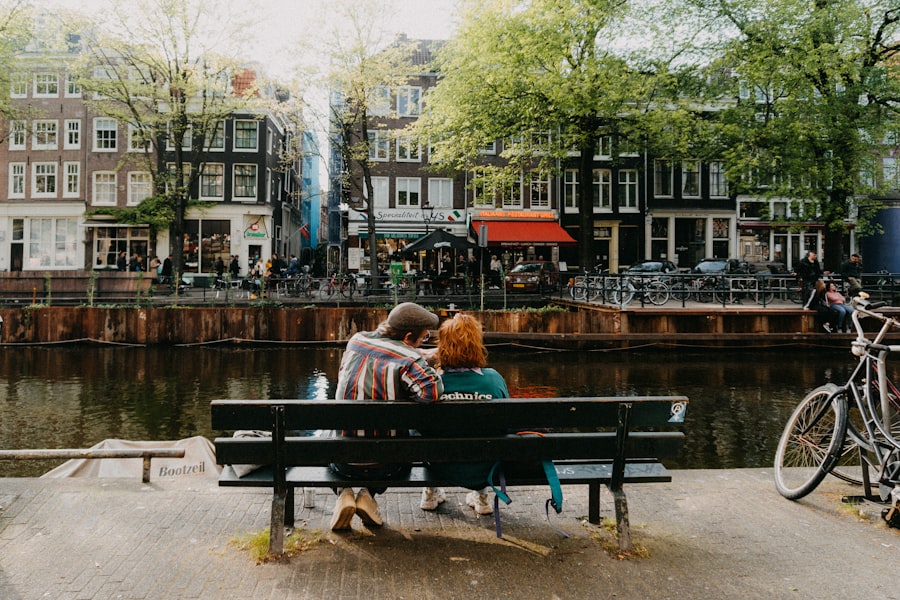
If you are looking for the ultimate Amsterdam first-timer guide for 2026, you have come to the right place. This city of canals, bicycles, and world-class museums can feel overwhelming at first, but with the right plan you will navigate it like a local. I have spent years helping travelers crack Amsterdam's code, and I want to share every practical tip so your first visit is smooth, safe, and unforgettable.
Why This Amsterdam First-Timer Guide is Different
Most guides dump facts on you. This Amsterdam first-timer guide focuses on real logistics: exactly which tram to take, how much a coffee costs, and which neighborhoods to avoid on a Saturday night. In 2026, Amsterdam is busier than ever — the city expects over 20 million overnight stays. You need a strategy, not just a list of sights. I recommend you start by deciding whether you want a culture trip, a nightlife trip, or a mix. That choice will shape your itinerary.
Getting Around: How to Move Like a Local
Amsterdam is compact, but you will walk more than you expect. The best way to explore the center is on foot, but for longer distances use the tram or metro. The GVB network runs trams 1, 2, 5, 13, and 17 through the most tourist-heavy areas. A single ticket costs €3.40 in 2026, but an all-day pass for €9.00 is better value if you plan three or more rides. For airport transfers, take train from Schiphol to Amsterdam Centraal — it runs every 10 minutes and costs €5.90.
- Trams: Lines 2 and 5 go to the Museumplein (Rijksmuseum, Van Gogh Museum).
- Metro: Line 52 connects Noord to Zuid for fast travel across the city.
- Bikes: Rent from MacBike or Yellow Bike for about €15 per day. Always lock your bike to a fixed object.
Pro Tip: Avoid renting bikes on your first day if you are not used to Amsterdam traffic. The bike lanes are chaotic. Wait until day two, when you have seen how locals ride.
Where to Eat: Affordable and Authentic
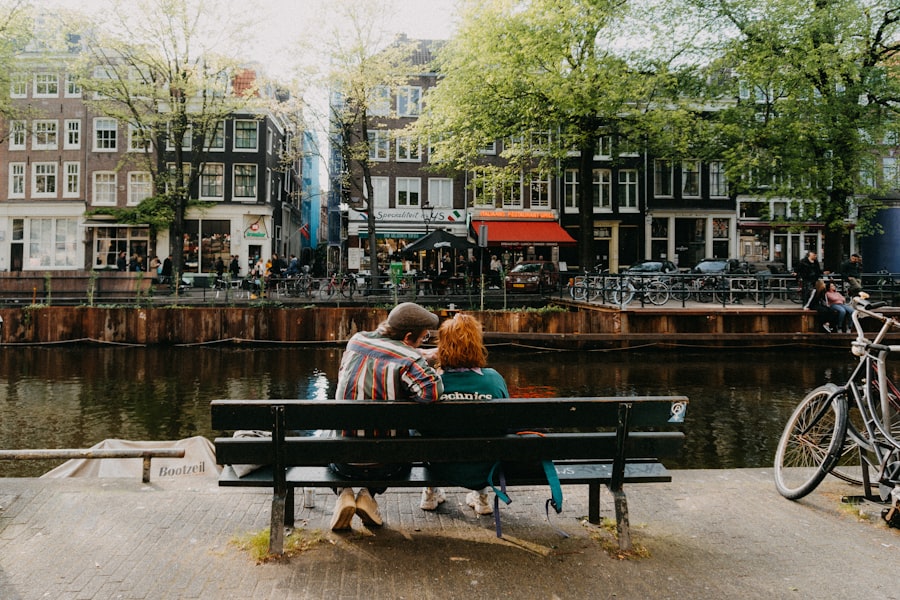
Food in Amsterdam can be expensive if you eat near Dam Square. Instead, walk 10 minutes to the Jordaan or De Pijp. These neighborhoods offer better prices and real Dutch flavors. Try a traditional Dutch pancake at Pancakes Amsterdam (€12–15) or a herring sandwich at a street stall like Stubbe's Haring (€4.50). For a budget dinner, head to Foodhallen in Oud-West — a covered market with 20 stalls where you can eat for under €20.
- Breakfast: Gartine (Utrechtsedwarsstraat) — eggs and pastries from €10.
- Lunch: De Hallen — a former tram depot with rotating food vendors.
- Dinner: Moeders (Rozengracht) — homestyle Dutch stew, mains around €18.
Money-Saving Secret: Most restaurants add a 5–10% service charge at the end. Check your bill — if service is included, you do not need to tip extra. Tipping is not mandatory in Amsterdam, and many locals only round up to the nearest euro.
Top Things to Do for First-Timers
This Amsterdam first-timer guide would be incomplete without the must-sees. Book your Rijksmuseum tickets online at least two weeks ahead — in 2026, queues can stretch 45 minutes. The official I Amsterdam City Card gives free entry to 70 museums and unlimited public transport for 24 to 120 hours (€65–€135). According to TripAdvisor data, the Anne Frank House is the most-booked attraction, but slots sell out months in advance. Check the official website for last-minute releases.
- Museumplein: Rijksmuseum (€22.50), Van Gogh Museum (€21), Stedelijk (€20).
- Canals: A 1-hour boat tour with Lovers or Blue Boat costs about €16. Book early morning for fewer crowds.
- Vondelpark: Free entry. Grab a picnic from nearby Albert Heijn supermarket.
If you are wondering about less touristy spots, visit the NDSM Wharf in Amsterdam Noord. Take the free ferry from behind Centraal Station — it is a 5-minute ride. You will find street art, a flea market on weekends, and a craft brewery (Oedipus) with beers for €6.
How to Avoid Tourist Traps
Amsterdam has its share of overpriced souvenir shops and subpar "traditional" restaurants. Stick to streets like Haarlemmerdijk or 9 Streets for genuine boutiques and cafes. Skip the expensive "Canal Cruise" ticket sold by touts on the street — official operators have kiosks inside Centraal Station. According to the Amsterdam Tourism Board, the official tourism website (Iamsterdam) lists only verified attractions and events. Use it to double-check any company you find online.
Neighborhoods to Stay In
Your choice of neighborhood will define your Amsterdam experience. Booking.com shows that in 2026, the average hotel price in the Canal Belt is €250 per night. Here are three options for different budgets:
- De Pijp (budget-friendly): Lively, multicultural, with the Albert Cuyp market. Hostels from €45, budget hotels from €100.
- Jordaan (mid-range): Charming streets, boutique hotels, and great cafes. Expect €150–€220 per night.
- Oud-West (quiet but connected): Near Vondelpark, fewer tourists, tram 1 goes right to the center. Hotels around €120–€180.
Traveler's Warning: Avoid booking a room on or near Warmoesstraat in the Red Light District if you want quiet sleep. The noise continues until 4 a.m. on weekends. Choose a place at least four blocks away — Jordaan or the western Canal Belt are much calmer.
Day Trips from Amsterdam
If you have more than three days, consider a short train ride. The Amsterdam first-timer guide often recommends Zaandijk Zaanse Schans (windmills) — take train to Zaandijk Zaanse Schans station, then walk 15 minutes. Free entry to the village; only the windmill museum costs €10. Another option is Haarlem, just 15 minutes by train from Centraal (€5.50 one way). Haarlem has a beautiful cathedral and a quieter version of Amsterdam's vibe. For tulip fans, the Keukenhof Gardens open from March to May 2026 — book tickets online before you go to avoid the 45-minute wait.
What to Pack for 2026
Weather in Amsterdam is unpredictable. Pack a waterproof jacket and comfortable walking shoes — you will walk an average of 12 km per day. In summer (June–August) temperatures reach 25°C, but rain is common. Winter (December–February) is cold and dark, so bring layers. In 2026, cash is still used at some street markets, but almost all restaurants and museums accept cards. Carry a small amount of euros for tips or small purchases.
Final Thoughts for Your First Visit
This Amsterdam first-timer guide has covered the essentials: transport, food, attractions, and lodging. But the real magic of Amsterdam is in the details — a quiet canal at sunset, a conversation with a cheese shop owner, or the smell of stroopwafels on a street corner. Do not try to see everything. Pick four or five things you truly want to do, and leave room for spontaneous discoveries. I recommend you take a morning walk without a map. You will get lost, and that is exactly the point. Enjoy your 2026 trip — Amsterdam is waiting.
💬 Comments (0)
No comments yet. Be the first!