Toulouse Travel Guide 2026: The Pink City
Discover southern France with our Toulouse Travel Guide 2026. Learn where to eat, stay, and find the best photo spots in town.
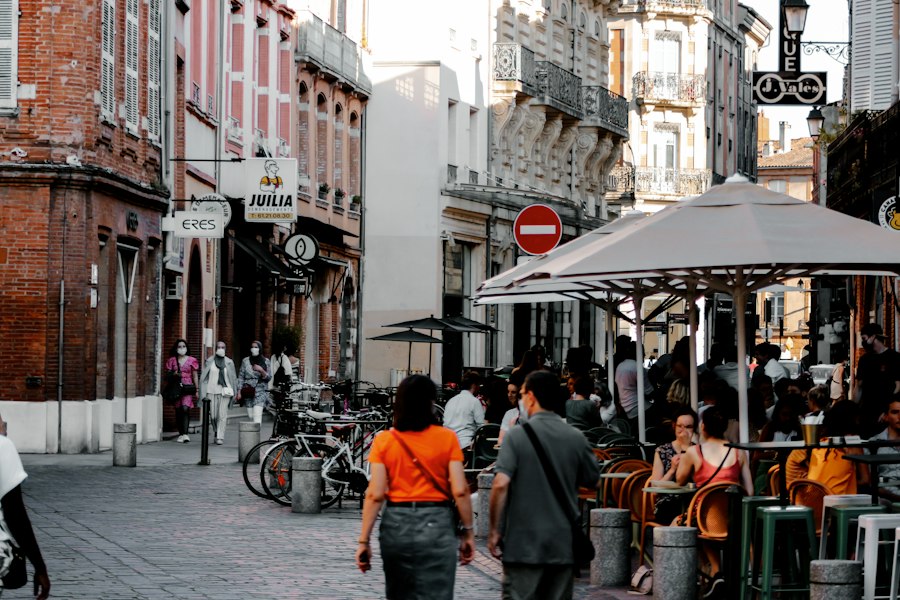
If you are planning your next European adventure, this Toulouse Travel Guide 2026 is your ultimate companion to exploring France's famous Pink City. Known locally as La Ville Rose due to the unique terracotta bricks used in its historic buildings, Toulouse seamlessly blends ancient Occitan heritage with pioneering aerospace technology. Whether you want to stroll along the scenic Garonne River, marvel at historic basilicas, or feast on hearty Southwestern French cuisine, 2026 is the absolute perfect year to visit. In this guide, I will share the exact routes, local secrets, and practical tips you need to make your trip unforgettable.
Why You Must Visit Toulouse in 2026
Toulouse has blossomed into one of the most vibrant cultural hubs in Southern France. While crowds flock to Paris or Nice, those in the know are heading to this sunny destination in the Occitanie region. According to recent data from the Toulouse Tourism Board, the city has expanded its pedestrian-only zones and green spaces, making it easier than ever to explore on foot. From the bustling food markets to the student-driven nightlife, the city offers an authentic French experience without the overwhelming tourist crowds of other major capitals.
Getting Around: Your Transit Roadmap
Navigating the Pink City is incredibly straightforward, thanks to a highly efficient and modern public transportation network managed by Tisseo. If you want to make the most of your Toulouse Travel Guide 2026 itinerary, mastering the local transit system is key to saving both time and money.
Now let's talk about the specific transit options available to you:
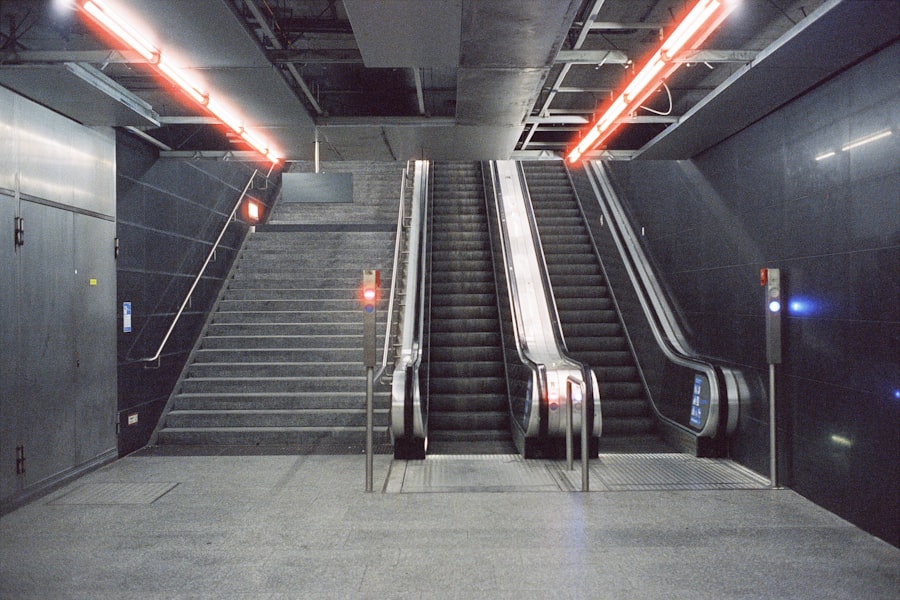
- The Metro: Toulouse features two driverless metro lines (Line A and Line B) that cut right through the city center. Line A runs southwest to northeast (handy for reaching the Marengo-SNCF train station), while Line B runs north to south. A single ticket costs 1.80 Euros, but you can buy a 10-trip pass for around 15 Euros.
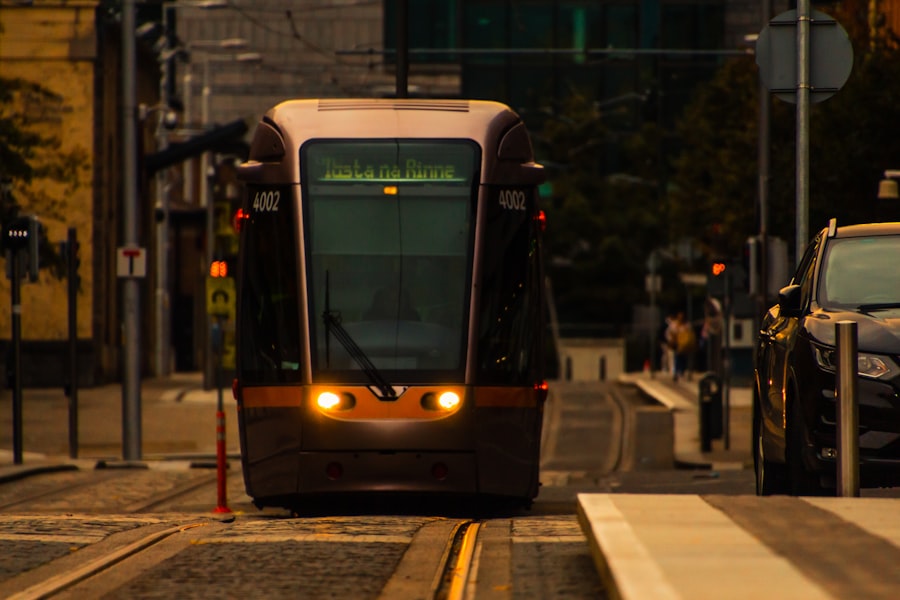
- The Tramway: Line T1 connects the city center with the northern suburbs and the aerospace districts. It is a scenic and affordable way to see the outer neighborhoods.
- VeloToulouse: This is the city's fantastic bike-sharing scheme. With over 280 stations, you can grab a bike using your credit card. The first 30 minutes of every ride are completely free, which is perfect for cycling along the Canal du Midi.
Traveler’s Warning: Always validate your paper ticket at the metro barriers or onboard the buses and trams. Transit inspectors dressed in plain clothes conduct frequent spot checks, and failing to validate your ticket results in an immediate, non-negotiable 50 Euro fine on the spot.

Top Things to Do in La Ville Rose
When curating your itinerary with this Toulouse Travel Guide 2026, you will find that the city offers an incredible mix of Romanesque architecture, maritime history, and space-age science. Here are the absolute must-visit attractions that you cannot miss.
- Place du Capitole: The grand heart of the city. This massive public square is dominated by the majestic Capitole building, which houses both the City Hall and the famous Opera National du Capitole. Admission to the historic Salle des Illustres state rooms is free on select days.
- Basilica of Saint-Sernin: A UNESCO World Heritage site and one of the largest Romanesque churches in Europe. Its magnificent octagonal bell tower dominates the Toulouse skyline. Entry to the main nave is free, while the crypt costs 2.50 Euros.
- Cite de l'Espace: Located on the eastern outskirts, this world-class space theme park features real-size spacecraft models, including a 53-meter-high Ariane 5 rocket and a Mir space station cabin. It is a brilliant day out for families and science enthusiasts alike.
- The Canal du Midi: This 17th-century engineering marvel connects the Garonne River to the Mediterranean Sea. I recommend renting a vintage bicycle or taking a shaded afternoon stroll under the canopy of plane trees.
Moving on to your daily planning, let us break down the most iconic neighborhoods where you should focus your exploration and search for accommodation.
Where to Stay: Neighborhood Guide
If you're wondering about the best place to base yourself, Toulouse has several distinct neighborhoods, each offering a unique vibe. Booking.com availability for 2026 shows a rise in boutique heritage hotels in the historic center, alongside budget-friendly apartments near the main train station.
Capitole and Esquirol
This is the absolute heart of the city. Staying here means you are steps away from major historic sites, luxury shopping on Rue d'Alsace-Lorraine, and endless cafes. It is highly convenient, though hotel prices tend to be higher here. Look for charming guesthouses tucked away in quiet, medieval courtyards.
Carmes
For a more bohemian, local atmosphere, Carmes is my personal recommendation. This historic district is famous for its narrow, winding streets, independent boutiques, and vibrant covered food market. It is highly popular among foodies and travelers who want to experience Toulouse like a true local.
Saint-Cyprien
Located just across the Pont-Neuf on the left bank of the Garonne, Saint-Cyprien is a trendy, multicultural neighborhood. It is home to the Les Abattoirs Modern Art Museum and the beautiful Prairie des Filtres park. It offers excellent value for budget travelers while remaining just a ten-minute walk from the city center.
Where to Eat: A Culinary Adventure
Southwestern French cuisine is rich, comforting, and deeply satisfying. When using this Toulouse Travel Guide 2026 to plan your dining, make sure you step away from the tourist traps and seek out traditional bistros that showcase local ingredients like duck, garlic, and white beans.
Pro tip for you: Always look for restaurants displaying the "Veritable Cassoulet de Toulouse" charter to ensure you are getting the authentic, slow-cooked recipe rather than a mass-produced version.
- Le Bibent: Located right on Place du Capitole, this historic brasserie features a breathtaking Belle Epoque interior. It is perfect for a morning coffee or a sophisticated lunch. TripAdvisor ratings consistently praise its excellent service and classic French dishes.
- Chez Emile: Situated in the beautiful Place Saint-Georges, this legendary restaurant is famous for serving the best Cassoulet in the city. Expect to pay around 30 to 35 Euros for this incredibly filling, traditional bean and meat casserole.
- Victor Hugo Market: For an affordable lunch, head to the first floor of this bustling covered market. Above the fishmongers and butchers, you will find a row of lively, casual restaurants serving ultra-fresh market produce at unbeatable prices.
Practical Tips for Your 2026 Visit
To wrap up this Toulouse Travel Guide 2026, let us cover some essential practicalities to ensure your trip runs smoothly from start to finish.
First, the best time to visit is during the spring (April to June) or autumn (September to October). During these months, the weather is warm and pleasant, perfect for outdoor dining along the riverbanks, without the intense summer heat of July and August.
Second, consider purchasing the Toulouse Tourism Pass. Available for 24, 48, or 72 hours, this pass gives you free unlimited access to public transit, free entry to most major museums, and generous discounts on city tours and attractions. You can easily purchase it online or at the main tourist office located behind the Capitole building.
Finally, remember that Toulouse is a very safe city, but standard urban precautions apply. Keep an eye on your belongings in crowded areas like the Saint-Sernin flea market or when riding the metro late at night. Embrace the relaxed, slow-paced lifestyle of the French south, take your time over lunch, and enjoy every moment in the beautiful Pink City.
Frequently Asked Questions
What is the best time of year to visit Toulouse?
Spring (April to June) and early autumn (September to October) offer mild weather and fewer crowds. Summer can be hot, while winter is cool but festive.
Why is Toulouse called the Pink City?
Toulouse is nicknamed "La Ville Rose" because of its many terracotta brick buildings. These distinctive pink-hued structures define the city's historic center.
What are the must-see attractions in Toulouse?
Don't miss the Capitole de Toulouse, the Basilica of Saint-Sernin, and the Cité de l'Espace. A stroll along the Garonne River and the Canal du Midi is also essential.
How do I get around Toulouse without a car?
Toulouse has an efficient metro, tram, and bus network operated by Tisséo. The city center is also very walkable and bike-friendly.
What local food should I try in Toulouse?
Be sure to taste cassoulet, a rich stew of white beans and duck or sausage. Other specialties include Toulouse sausage and violet-flavored treats.

Isabella Conti writes in-depth travel guides that turn a new destination into familiar ground. She covers what to see, when to go and how to make the most of your time, with practical detail you can actually use.
💬 Comments (0)
No comments yet. Be the first!