Busan Travel Guide 2026: The Best Local Tips
Explore South Korea's vibrant coastal city with our Busan Travel Guide 2026, featuring top sights and local spots.
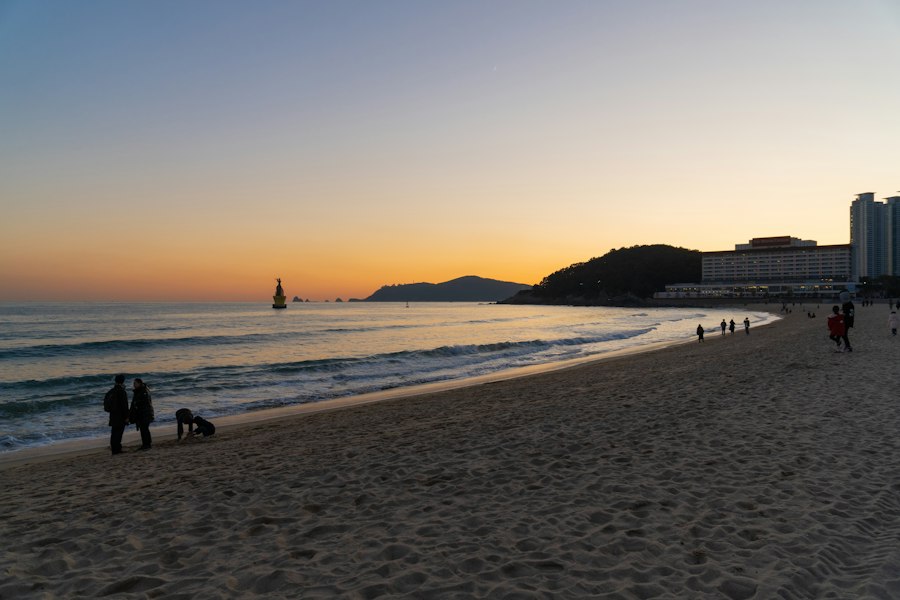
This ultimate Busan Travel Guide 2026 will help you navigate South Korea’s vibrant coastal metropolis with ease and confidence. Nestled between towering mountains and the sparkling Sea of Japan, Busan offers a dynamic blend of ancient temples, sleek skyscrapers, bustling seafood markets, and sandy beaches. Whether you are seeking a relaxing beach escape or a deep dive into Korean history, this guide covers everything you need to know for an unforgettable trip this year.
Why Visit Busan in 2026?
Busan has evolved into one of Asia’s most exciting urban destinations. In 2026, the city is boasting upgraded transit infrastructure, brand-new cultural landmarks, and an even richer culinary scene. Moving on to the unique atmosphere, Busan delivers a far more laid-back vibe than Seoul while offering world-class amenities. Data from official city tourism board reports reveals a record influx of international visitors this year, and it is easy to see why. From the colorful art alleys of Gamcheon to the relaxing oceanfront cafes in Yeongdo, you will find endless visual inspiration for your travel diary.
Top Things to Do in Busan
When planning your itinerary with this Busan Travel Guide 2026, you will want to balance iconic tourist sights with hidden local gems. The geography of the city is stretched out along the coast, so grouping your activities by district is the best strategy.
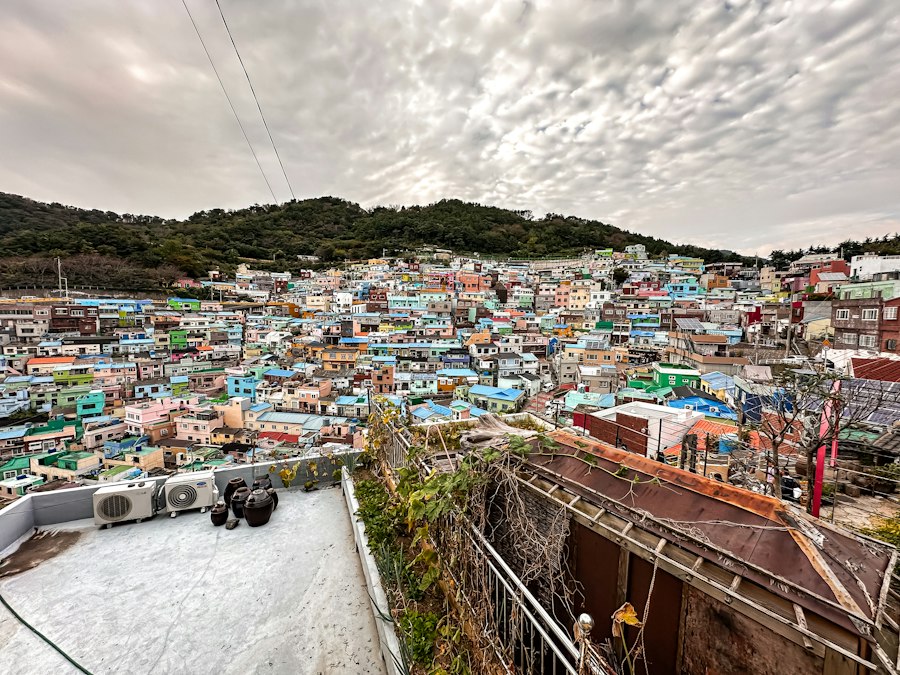
- Explore Gamcheon Culture Village: Known as the Santorini of the East, this former hillside refuge is famous for its pastel-painted houses, intricate murals, and narrow winding alleys.
- Visit Haedong Yonggungsa Temple: Unlike most Korean temples tucked away in mountains, this magnificent 14th-century Buddhist site sits directly on the rocky coastline.
- Walk Above the Waves at Haeundae Green Railway: Take a ride on the popular Sky Capsule or walk along the coastal trail for breathtaking views of the ocean.
- Relax at Gwangalli Beach: Visit in the evening to catch the spectacular night lights of the Diamond Bridge spanning across the bay.
- Shop at Jagalchi Fish Market: Immerse your senses in Korea’s largest seafood market, where local stallholders display fresh catches of the day.
Discovering Coastal Charm in Haeundae and Gwangalli
Haeundae remains the shimmering crown jewel of Busan. You can spend your morning walking along the white sand or sipping premium drip coffee at oceanfront roasteries. If you are wondering about the best evening views, head straight to Gwangalli. I recommend you take a stroll along the beach promenade around eight in the evening, when the Gwangan Bridge illuminates the water with thousands of dancing LED lights.
Uncovering History in Old Downtown
Now let us talk about the historical heart of the city. Central neighborhoods like Jung-gu and Saha-gu reveal the resilient spirit of Busan. Gamcheon Culture Village offers endless photo opportunities, but remember to show respect to local residents who live there. Nearby, the bustling street markets of Nampo-dong provide a look at local life that has remained unchanged for decades.
Traveler’s Warning: When visiting Gamcheon Culture Village, stick strictly to marked tourist pathways and keep your voice down after five in the evening. Many houses are private residences, and local residents actively enforce quiet hours to maintain neighborhood peace.
Where to Eat: Busan Food Guide 2026
Busan is a paradise for food lovers, famous for its rich soups, fresh seafood, and unique street eats that you cannot find in Seoul. High traveler reviews on TripAdvisor ratings highlight Busan street food stalls as some of the best culinary values in Asia. Here are the must-try dishes to include in your meal plans:
- Dwaeji Gukbap (Pork Rice Soup): A rich, milky pork bone broth served with tender pork slices, chives, and rice. It is the ultimate comfort food for locals.
- Milmyeon (Wheat Noodles): Chewy wheat noodles served in an icy, refreshing broth topped with spicy pepper paste, cucumber, and boiled beef.
- Ssiat Hotteok (Seed-Stuffed Pancakes): A crisp, fried sweet pancake packed with black sugar, cinnamon, and a crunchy mix of toasted sunflower and pumpkin seeds.
- Fresh Sashimi at Jagalchi: Select your live seafood on the ground floor of the market and have it prepared fresh for you at an upstairs dining hall.
Pro tip for you: For the most authentic Dwaeji Gukbap experience, skip the big tourist restaurants and head to the specialized food alley near Seomyeon Station Exit 1. I remember my first visit to a tiny, steam-filled diner here; the older owner served me a boiling bowl of savory broth with homemade kimchi that cost under nine thousand won. It remains one of my fondest travel memories. You will get an authentic feast for a fraction of Western restaurant prices.
How to Get Around Busan
Navigating this sprawling coastal city is surprisingly efficient thanks to an expanded public transit system. Whether you are traveling between mountain peaks or coastal coves, using public transit is fast and budget-friendly.
- Busan Metro: Four main lines connect all major districts. A single ride costs between 1400 and 1600 won when using a rechargeable transit card like T-Money or Cashbee.
- City Buses: Red express buses and blue local buses fill the gaps where the metro line does not reach, especially around coastal spots like Haedong Yonggungsa.
- Taxis: Regular silver or white taxis are affordable. Base fares start at around 4800 won, making them a great option for late nights or groups of three to four people.
- KIX High-Speed Rail: Connecting Busan Station to Seoul in just over two hours, making multi-city travel smooth and comfortable.
If you're wondering about transport payment, buy a regional transit card at any subway station or convenience store upon arrival. Tap your card when entering and exiting all subway turnstiles and buses to unlock automatic transfer discounts within a thirty-minute window.
Where to Stay: Neighborhood Breakdown
Choosing the right neighborhood is essential for minimizing transit time during your trip. According to recent Booking.com availability trends for 2026, accommodations along the eastern coast fill up months in advance for the peak summer season, so booking early is essential.
Haeundae: Best for First-Time Visitors and Luxury Seekers
If you want luxury hotels, ocean views, and easy access to Western-friendly dining, Haeundae is your best bet. Hotel rates range from 120000 won per night for mid-range boutique hotels to over 400000 won for top-tier beach resorts. You will find directly connected metro access on Line 2, putting the rest of the city within easy reach.
Seomyeon: Best for Nightlife, Shopping, and Transit Access
Seomyeon is the central transit hub of Busan, where Metro Line 1 and Line 2 intersect. Staying here makes traveling to any corner of the city extremely simple. The neighborhood is packed with department stores, trendy underground shopping malls, local pubs, and late-night eateries. Hotel prices here are generally more budget-friendly than along the coast.
Best Time to Visit Busan in 2026
Timing your visit properly ensures you get the best weather for outdoor sightseeing. Spring, from April to May, brings mild temperatures and beautiful cherry blossoms framing the city streets. Autumn, stretching from September to November, offers crisp ocean breezes, clear skies, and vibrant fall foliage across the surrounding mountains.
Summer brings hot, humid weather along with lively beach crowds and colorful festivals, though accommodation prices peak during July and August. Winter is cold and dry, but temperatures rarely drop below freezing, making it an excellent time for quiet sightseeing and hot spring baths in the Dongnae district.
Final Thoughts for Your Busan Trip
Busan is a city of incredible contrasts, where high-tech urban design seamlessly meets traditional coastal culture. Following this comprehensive Busan Travel Guide 2026 guarantees that you will experience the very best meals, sights, and neighborhood vibes this magnificent ocean gateway has to offer. Pack comfortable walking shoes, prepare your appetite for fresh seafood, and get ready to create unforgettable travel memories along the southern coast of South Korea this year.

Lars Lindgren puts together detailed guides to cities and regions, drawing on his own travels to flag the things worth your time. He focuses on clear, honest advice that holds up once you are actually on the ground.
💬 Comments (0)
No comments yet. Be the first!