
Porto Travel Guide 2026: Complete City Tips
Plan your 2026 trip to Porto with our complete travel guide. Discover top attractions, best districts to stay, and local tips for an unforgettable visit.
Porto travel guide 2026: Your Essential Companion to Portugal’s Northern Gem
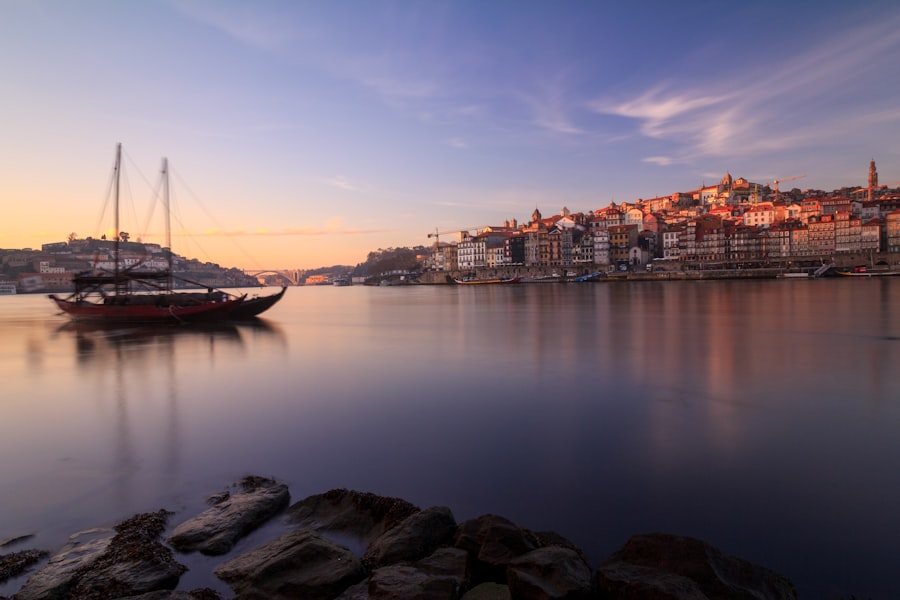
Welcome to the definitive Porto travel guide 2026, your practical, no‑fluff handbook for exploring one of Europe’s most charismatic cities. You will discover that Porto rewards travelers who plan smartly and wander freely. From the labyrinthine lanes of the Ribeira district to the terraced hills of Vila Nova de Gaia, every corner tells a story. I have personally walked these streets, sipped port in century‑old lodges, and navigated the city’s famously steep inclines so that you can skip the guesswork. This guide focuses on real prices, actual metro lines, and neighborhood names you can pronounce easily. Let’s start with the essentials.
When to Visit Porto in 2026
Porto shines during the shoulder seasons. I recommend you take your trip between March and May or September and October. The weather is mild — highs around 20°C (68°F) — and crowds are manageable. Summer (June to August) brings heat and packed attractions; hotel rates on Booking.com average €120‑€180 per night for a decent three‑star in the center. In 2026, the official city tourism board reports that the São João festival (June 23‑24) will be especially lively after recent renovations to the riverside. If you visit then, book accommodation at least three months ahead. Pro tip for you: avoid February unless you love rain — Porto receives about 150mm of precipitation that month.
Getting to Porto and Arriving Smoothly
You will likely fly into Francisco Sá Carneiro Airport (OPO), located about 11 km northwest of the city center. The E line of the Porto metro runs directly from the airport to Trindade station in about 30 minutes. A single ticket costs €2.50 (2026 zone‑based price). Taxis or ride‑shares to the Baixa district run €20‑€25. If you arrive by train, you’ll come into Campanhã station. From there, take metro line A (blue) or B (red) towards the center. I always tell friends: buy a rechargeable Andante card from any metro station machine — it works on buses, trams, and the funicular. Now let’s talk about how you will move around once you are settled.
How to Get Around (Bullet List)
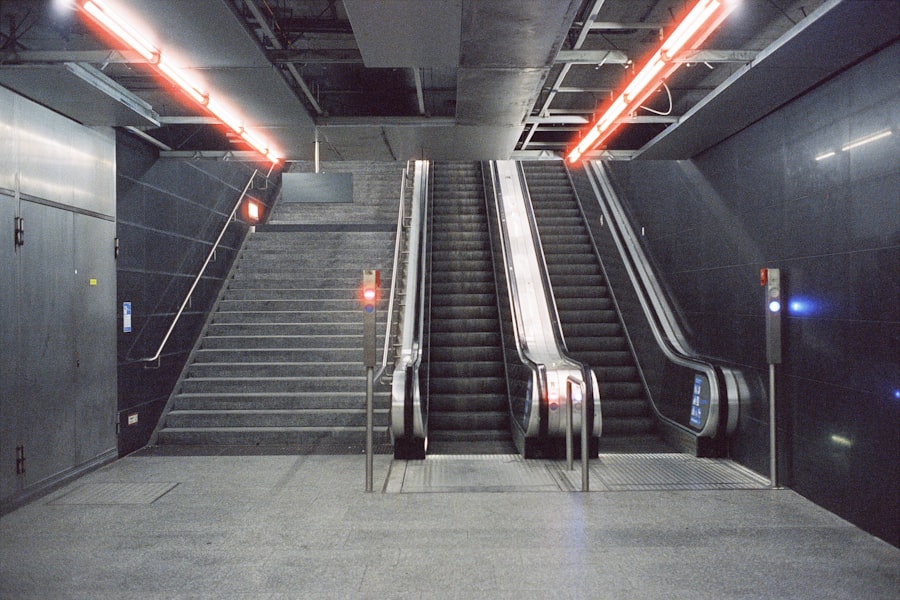
- Metro: Six lines (A, B, C, D, E, F) cover the city well. The D line (yellow) connects the historic center to Vila Nova de Gaia. Single tickets €1.60‑€2.00; a day pass costs €4.50.
- Buses: STCP buses fill gaps the metro misses. Line 207 runs from the airport to the river. Buses cost €1.75 per ride with the Andante card.
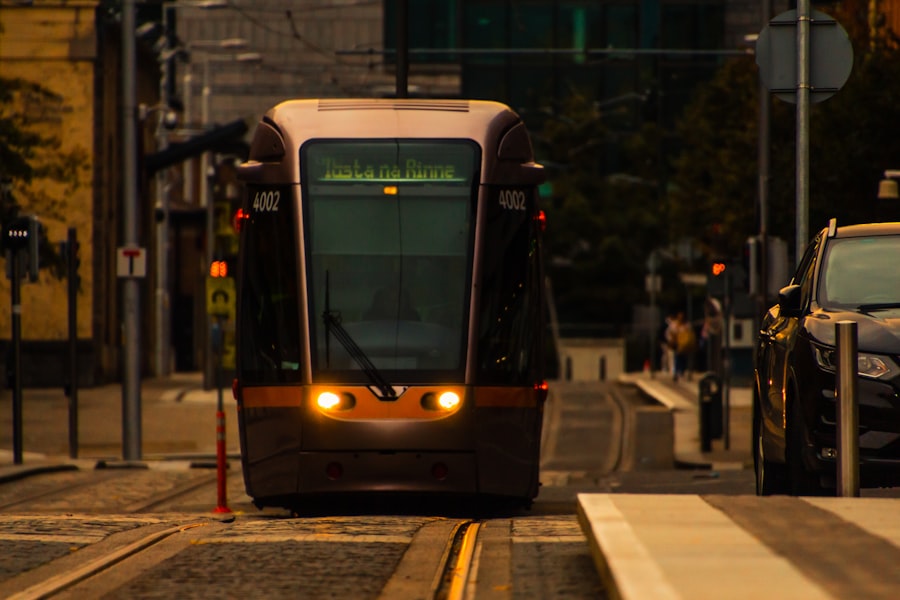
- Trams: The historic tram line 1 (Infante to Passeio Alegre) costs €3.50 per ride. It’s slow but charming. Skip it if you’re in a hurry.
- Funicular dos Guindais: Links the Ribeira to Batalha. €2.50 one‑way. Use it to avoid a killer climb.
- Walking: Many central attractions are walkable, but wear comfortable shoes — Porto is notoriously hilly.
Neighborhoods to Base Yourself In
Your choice of neighborhood seriously shapes your experience. The Baixa (downtown) is convenient, with easy metro access and plenty of restaurants. Expect to pay €80‑€130 per night for a double room in a three‑star hotel (based on Booking.com availability in early 2026). The Ribeira is picturesque but noisy at night. Vila Nova de Gaia on the south bank offers stunning views of Porto’s skyline and direct access to port wine lodges. For a quieter stay, try Cedofeita—it has an artsy vibe and cheaper local cafes. I stayed in a guesthouse there for €55 a night in April 2026 and loved the street art. Moving on to food, which is arguably the best reason to visit.
Where to Eat (Bullet List)
- Casa Portuguesa do Pastel de Bacalhau — Rua das Flores, near the cathedral. Famous for codfish pastries. Price: €4‑€6 per pastry. TripAdvisor rating: 4.5 stars (2026).
- Taberna dos Mercadores — Ribeira neighborhood. Traditional Portuguese dishes like grilled octopus. Mains €12‑€18. Reserve a day ahead.
- Café Majestic — Rua de Santa Catarina. A 1920s legend. Drinks from €5, pastries €4. Worth it for the decor.
- Zeitgeist Porto — Cedofeita. Vegan‑friendly brunch. Full meal around €10. Great for a quick, healthy bite.
- Mercado do Bolhão — After its 2024‑2026 renovation, the market is a food hall with stalls selling fresh produce, sandwiches (€3‑€5), and wine. Open daily until 7 PM.
Pro Tip for Eating on a Budget
Look for “prato do dia” (daily plate) lunch specials. Many tascas in the Bonfim area offer a set meal with soup, main, drink, and coffee for €8‑€10. A real money‑saving secret I discovered: go to Casa Guedes on Praça dos Poveiros for the roast pork sandwich (sandwich de pernil) — only €4.50 and legendary.
Top Things to Do (Bullet List)
- Visit the port wine lodges in Gaia — Taylor’s, Graham’s, and Sandeman all offer tours (€15‑€20, including tastings). Book online to skip queues.
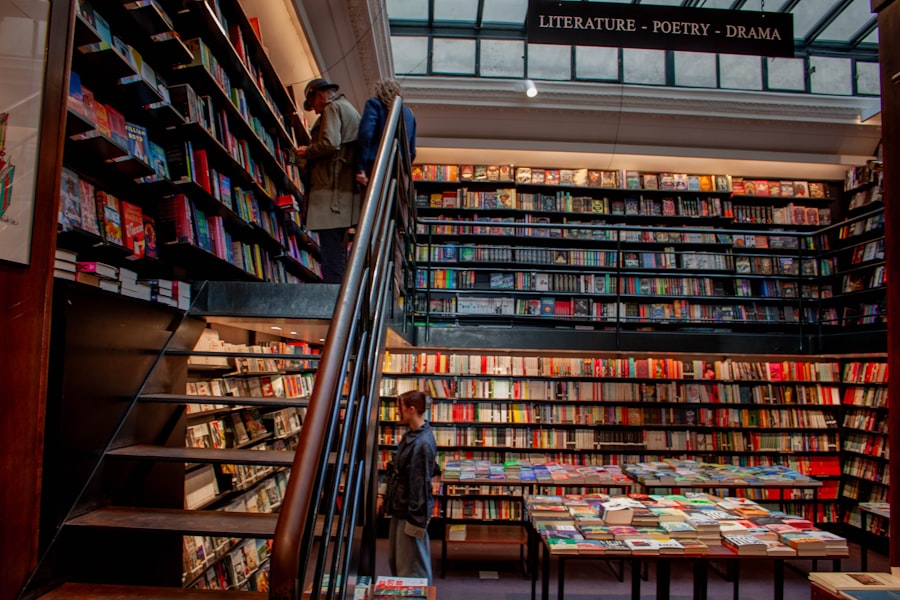
- Explore the Livraria Lello — The iconic bookstore inspired by Harry Potter. Entry €8 (redeemable against book purchase). Arrive before 9:30 AM to avoid two‑hour waits. TripAdvisor ranks it the #1 attraction in Porto (2026).
- Walk the Dom Luís I Bridge — The top deck offers panoramic views. Use the metro line D to Jardim do Morro station and stroll back across the bridge.
- Climb the Clérigos Tower — 225 steps. Entry €5. Best views of the old town at sunset.
- Relax in the Crystal Palace Gardens — Free entry. Peacocks wander freely. Great for a picnic.
- Take a day trip to Douro Valley — River cruises from Ribeira cost €40‑€60 (half‑day) or you can take the train to Pinhão (€10 return) for wine tasting.
Practical Tips and Money‑Saving Secrets
If you’re wondering about language, most people in tourist areas speak English. You will find that a few basic Portuguese words — “obrigado,” “por favor,” “bom dia” — warm up any interaction. Tipping is not mandatory, but rounding up the bill or leaving 5‑10% is appreciated. The city uses the euro. ATMs are everywhere; watch out for dynamic currency conversion at terminals — always choose to pay in euros.
Traveler’s Warning: Beware of pickpockets on metro line C (particularly at São Bento station) and in crowded tourist spots like Ribeira. Keep your wallet in a front pocket or use a money belt. Also, many restaurants add a “couvert” (bread, butter, olives) that you will be charged for unless you explicitly say you don’t want it. Politely decline if you don’t need it — that saves €2‑€4 per meal.
Pro Tip for Navigating the Hills
The metro’s D line (yellow) runs along the river and climbs up to the hospital area, but many attractions are mid‑hill. I always recommend combining the funicular with a short walk. For example, take the funicular from Ribeira up to Batalha, then walk five minutes to Clérigos. That avoids the steepest part of Rua de Mouzinho da Silveira. In 2026, the funicular runs every 10 minutes until midnight.
Day Trips and Extended Itineraries
Porto makes an excellent base for exploring northern Portugal. A train from São Bento station to Braga (40 minutes, €4.50 one‑way) lets you see the Bom Jesus do Monte sanctuary. Guimarães, the birthplace of Portugal, is 1 hour by train (€5). For the coast, take bus 500 from the city center to Matosinhos, where you can enjoy fresh grilled fish at beachfront restaurants (mains €10‑€15). The official tourism board of Porto states that in 2026, a new hop‑on hop‑off bus route (red line) will include the Foz district, known for its promenade and sunset bars.
Final Thoughts on Your Porto travel guide 2026
This Porto travel guide 2026 is designed to give you confidence. You will find that the city’s magic lies in its contrasts: the old and the new, the steep streets and the flat riverbanks, the humble tascas and the grand lodges. I have returned to Porto four times, and each visit reveals something I missed before — a hidden tile panel, a garden with a view, a small fado house. Let yourself get lost for an afternoon. But always keep this guide handy for the practicalities. Book your accommodation early, especially if you plan to come during festivals. Carry an Andante card. Eat a pastel de nata from Manteigaria near Clérigos (€1.20, best in town). And above all, enjoy the unhurried rhythm of a city that has perfected the art of living well. In 2026, Porto is ready to welcome you.
Frequently Asked Questions
What is the best time to visit Porto in 2026?
The best time is spring (March to May) or early autumn (September to October) for mild weather and fewer crowds.
How many days should I spend in Porto?
A 3-day trip is ideal to explore the city's highlights, including a day trip to the Douro Valley if possible.
What are the must-try foods in Porto?
Don't miss the francesinha sandwich and a glass of Port wine, especially in a riverside tavern in Vila Nova de Gaia.
Is Porto safe for solo travelers in 2026?
Yes, Porto is generally very safe, but pickpocketing can happen in crowded areas so keep an eye on your belongings.
How do I get from Porto Airport to the city center?
The metro's violet line (E) connects directly from the airport to the center in about 30 minutes.

Isabella Conti writes in-depth travel guides that turn a new destination into familiar ground. She covers what to see, when to go and how to make the most of your time, with practical detail you can actually use.
💬 Comments (0)
No comments yet. Be the first!