Nantes Travel Guide 2026: Local Tips
Discover France's creative hub with our comprehensive Nantes Travel Guide 2026. Explore historic castles, art, and local food.
Welcome to your ultimate Nantes Travel Guide 2026, your go-to companion for exploring one of the most creative, dynamic, and historically rich cities in western France. Situated beautifully on the banks of the Loire River, this destination seamlessly blends its past as the historic capital of Brittany with a modern, art-forward identity. Whether you are a history buff, an art lover, or a dedicated foodie, this guide will help you navigate the city like a seasoned local.
Why You Need to Visit Nantes in 2026
Nantes has undergone a spectacular transformation over the last few decades, turning its old industrial shipyards into a playground for the imagination. If you are looking for a European city break that offers something different from the usual tourist traps, this is it. By using this Nantes Travel Guide 2026, you will discover how to beat the crowds, find the best local creperies, and experience the city’s world-famous mechanical installations without any hassle.
According to recent visitor statistics from the Nantes Tourism Board, the city has seen a significant rise in international travelers seeking sustainable urban experiences. Fortunately, the local infrastructure has adapted beautifully, making it easier than ever to explore the historic neighborhoods and green spaces. Let us dive into the practical details so you can start planning your adventure.
Top Things to Do in Nantes
If you are wondering about the absolute must-see attractions, the city offers a brilliant mix of historical landmarks and surreal modern art installations. To make the most of your itinerary, I recommend dedicating at least three days to cover all the main sites. Here is a curated list of experiences you cannot miss during your stay:
- Les Machines de l'ile: Located on the former shipyards, this artistic project features giant mechanical animals inspired by the sci-fi worlds of Jules Verne and the mechanical universe of Leonardo da Vinci. You must take a ride on the iconic 12-meter-tall Great Elephant, which carries up to 50 passengers and sprays water at unsuspecting onlookers.
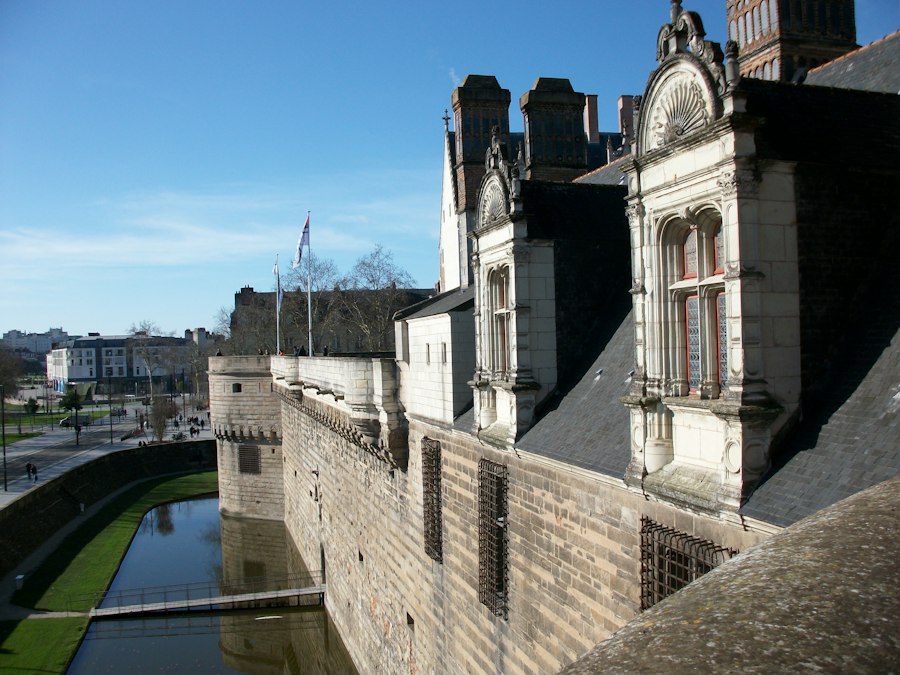
- Chateau des Ducs de Bretagne: This grand castle in the heart of the city center serves as the historical heart of Nantes. Walk along the fortress walls for free, or pay around 9 Euros to enter the museum inside, which details the complex history of the city, including its role in the global slave trade.
- Le Voyage a Nantes: Follow the green line painted literally on the city pavements. This permanent self-guided tour leads you to over 50 public art installations, historical monuments, and hidden courtyards across the city.
- The Jardin des Plantes: A stunning 19th-century botanical garden located right next to the main train station. It is the perfect spot for a morning stroll, featuring quirky plant sculptures and historic greenhouses.
Money-Saving Secret: Do not buy individual tickets for every attraction. I highly recommend purchasing the Nantes City Pass from the official tourism office or online. It gives you free access to public transport, Les Machines de l'ile, the Chateau museum, and many other top sights. A 24-hour pass starts at just 28 Euros, which pays for itself after visiting just three major spots.
Exploring the Isle of Nantes
Moving on to the creative heart of the city, the Isle of Nantes (Ile de Nantes) is where you will find the famous mechanical elephant. Once a bustling industrial zone, it has been converted into an open-air art gallery. Take a walk along the Quai des Antilles to see the Banana Warehouse (Hangar a Bananes), which now houses trendy bars, restaurants, and a contemporary art center called Habana.
Stepping Back in Time at Bouffay
If you want to experience medieval Nantes, head straight to the Bouffay district. This neighborhood is a maze of narrow, pedestrian-only streets lined with half-timbered houses dating back to the 15th century. It is the liveliest part of town in the evening, packed with students, locals, and travelers enjoying outdoor dining and craft beers.
Where to Eat: The Best Local Food and Drink
Now let's talk about the culinary scene, which is heavily influenced by both Breton traditions and the city's proximity to the Atlantic Ocean. From classic creperies to modern Michelin-starred bistros, your taste buds are in for a treat. Be sure to consult your Nantes Travel Guide 2026 when deciding where to book your tables, as the best spots fill up fast.
- La Cigale: Located on Place Graslin, this is one of the most beautiful brasseries in France. Designed in the Art Nouveau style, it has been serving classic French dishes since 1895. Expect to pay around 30 to 50 Euros for a memorable main course in an opulent setting.
- Creperie Ker Breizh: For an authentic and affordable Breton experience, visit this cozy spot in the Bouffay district. Order a savory galette made with buckwheat flour, followed by a sweet crepe with salted butter caramel. A full meal with a glass of local cider will cost around 15 to 20 Euros.
- Le Lieu Unique: Housed in the former LU biscuit factory, this cultural center features a canal-side bar and restaurant. It is the perfect place to enjoy a casual lunch, a craft beer, or a coffee while soaking in the industrial-chic atmosphere.
Pro tip for you: Always pair your seafood dishes with a glass of Muscadet. This crisp, dry white wine is produced in the vineyards just south of the city and is highly celebrated by wine critics on platforms like TripAdvisor for its excellent quality-to-price ratio.
How to Get Around the City
Getting around this eco-friendly city is incredibly straightforward, thanks to its forward-thinking urban planning. You will find that the city center is highly pedestrianized, making walking the preferred option for most visitors. However, for longer distances, the public transit network is exceptional.
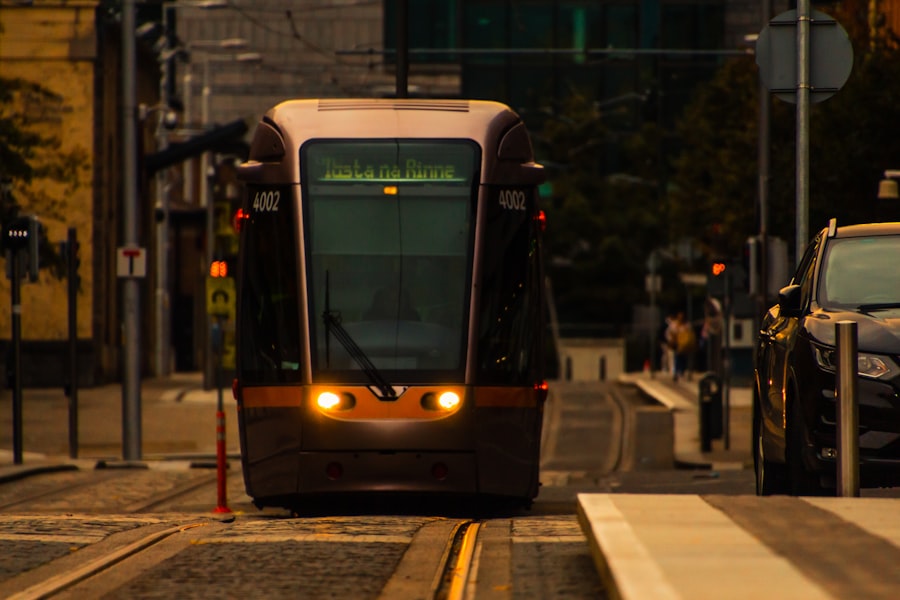
- The Tramway Network: Nantes boasts three main tram lines (Line 1, 2, and 3) that crisscross the city. Line 1 is particularly useful for tourists, connecting the main train station (Gare de Nantes) directly to the Chateau and the city center. A single ticket costs 1.80 Euros and is valid for one hour.
- Navibus (Water Bus): To cross the Loire River to the picturesque fishing village of Trentemoult, take the Navibus ferry from the Gare Maritime stop. The crossing takes only ten minutes and is included in your standard public transport ticket or City Pass.
- Bicloo Bike Share: With over 120 stations across the metropolitan area, renting a Bicloo short-term bike is cheap and easy. The first 30 minutes of each ride are completely free, allowing you to pedal along the safe, dedicated cycle lanes at your own pace.
Where to Stay: Neighborhood Guide
When booking your accommodation, choosing the right neighborhood is key to shaping your experience. According to current Booking.com availability for 2026, it is highly recommended to reserve your room at least three months in advance, especially if you plan to visit during the busy summer months or during the annual art festival.
Graslin and the City Center
If you want to be within walking distance of high-end shopping, historic theaters, and elegant architecture, search for hotels in the Graslin district. This is a safer, upscale area that is perfect for couples and first-time visitors who prefer a quieter environment at night while remaining close to the action.
The Creative Isle of Nantes
For a more modern, trendy vibe, consider staying on the Isle of Nantes. This area is popular among younger travelers and digital nomads. You will find contemporary loft-style hotels, budget-friendly hostels, and vibrant co-working spaces right next to the mechanical installations.
A Perfect 3-Day Itinerary
To help you structure your trip, this Nantes Travel Guide 2026 features a balanced three-day itinerary designed to showcase the absolute best of the city without leaving you exhausted.
On your first day, start with a morning walk along the green line of Le Voyage a Nantes, visiting the Chateau des Ducs de Bretagne and the Cathedral of St. Peter and St. Paul. In the afternoon, explore the magnificent Passage Pommeraye, a stunning three-story 19th-century shopping arcade, before heading to the Bouffay district for a traditional galette dinner.
Dedicate your second day entirely to the Isle of Nantes. Spend your morning marveling at the giant mechanical creations at the Machines de l'ile, and grab lunch at the Hangar a Bananes. In the afternoon, cross the river using the Navibus to Trentemoult, a charming old village famous for its brightly colored houses, narrow alleys, and relaxed, bohemian atmosphere.
On your final day, take a short morning train ride to the nearby vineyards of Clisson, or stay in the city to visit the Musee d'Arts de Nantes, which boasts an incredible collection spanning from ancient art to modern masterpieces. Finish your trip with a celebratory dinner at La Cigale, reflecting on a wonderful French adventure.
No matter how you choose to spend your time, using this comprehensive Nantes Travel Guide 2026 ensures you will experience the perfect blend of historic Breton culture and cutting-edge French creativity. Pack your walking shoes, bring your appetite, and get ready to explore one of Europe's most captivating destinations.
Frequently Asked Questions
What is the best time of year to visit Nantes?
Late spring and early summer offer mild weather and outdoor festivals. September is also pleasant with fewer crowds.
How do I get around Nantes without a car?
The city has an efficient tram and bus network, plus a bike-sharing system called Bicloo. Most central attractions are walkable.
What local food should I try in Nantes?
Don't miss the traditional butter cake called gâteau nantais and fresh seafood from the nearby Atlantic coast. Look for creperies serving savory galettes.
What are the must-see attractions in Nantes?
The Machines de l'Île and the Château des Ducs de Bretagne are top highlights. Also explore the Jardin des Plantes for a relaxing break.
Is Nantes expensive for travelers?
It's more affordable than Paris, with reasonable accommodation and dining options. Many attractions, like the green line art trail, are free.

Lars Lindgren puts together detailed guides to cities and regions, drawing on his own travels to flag the things worth your time. He focuses on clear, honest advice that holds up once you are actually on the ground.
💬 Comments (0)
No comments yet. Be the first!