Catania Travel Guide 2026: Sicily's Gem
Our Catania Travel Guide 2026 offers practical advice for exploring Sicily’s historic port city under Mount Etna.
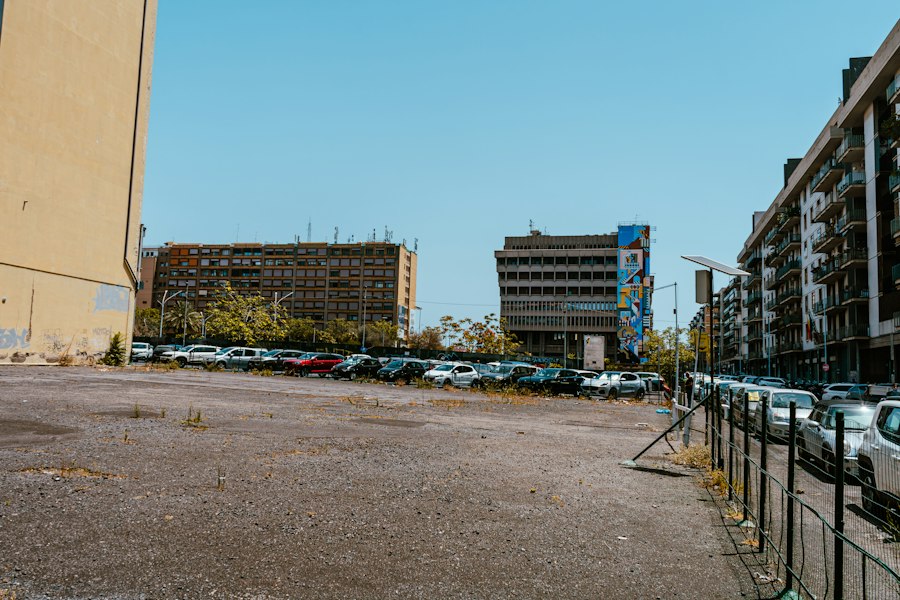
If you are planning an unforgettable trip to Sicily, this comprehensive Catania Travel Guide 2026 is your ultimate roadmap to exploring the island's most dynamic baroque city. Sitting right at the foot of Mount Etna on the Ionian coast, Catania is a destination where dramatic volcanic history, UNESCO World Heritage architecture, and world-class street food collide. Whether you are aiming to climb Europe's most active volcano, dive into ancient Roman history, or simply indulge in some of the finest pasta dishes in Italy, this 2026 guide will help you navigate the city like a seasoned local.
Why Catania Belongs on Your 2026 Travel List
Often overshadowed by Palermo, Catania has emerged as a major cultural and culinary hotspot for travelers in 2026. The city is built almost entirely out of dark volcanic basalt and contrasting white limestone, giving it a unique, dramatic aesthetic often called the "black baroque." According to recent data from the official Catania Tourism Board, visitor numbers have steadily climbed as travelers seek out authentic, less-commercialized Italian experiences. On booking platforms like Booking.com, boutique hotels in historic palazzos are seeing record reservations, making it highly recommended that you book your accommodation at least three to four months in advance.
Moving on to the atmosphere, Catania is highly energetic. It is a university town, meaning the nightlife is vibrant, the prices are incredibly reasonable compared to northern Italy, and the streets are always alive with chatter. With its warm Mediterranean climate, Catania is a fantastic year-round destination, though spring and autumn offer the absolute best balance of pleasant temperatures and manageable crowds.
Where to Stay in Catania: Neighborhood Guide
Choosing the right neighborhood can make or break your trip. If you want to get the most out of this Catania Travel Guide 2026, you should strategically base yourself near the main sights and transport hubs.
Centro Storico (Historic Center)
If you are a first-time visitor, this is the best area for you. Staying near Piazza del Duomo or Via Etnea puts you within walking distance of the main cathedrals, markets, and restaurants. Accommodation prices here range from 70 USD per night for a cozy guesthouse to 220 USD for a premium boutique hotel. You will step out of your door directly onto volcanic stone pavements and be surrounded by stunning baroque palazzos.
San Berillo
Once a neglected red-light district, San Berillo has undergone a massive creative transformation. It is now a hip enclave filled with street art, cozy cafes, and indie bars. It is perfect for budget travelers and younger crowds who want to experience the artistic side of the city. Booking.com lists several highly-rated, budget-friendly design hostels and apartments in this area.
Borgo-Sanzio
For a quieter, more residential vibe, head north along Via Etnea to the Borgo-Sanzio neighborhood. It is home to the beautiful Villa Bellini park and offers a more relaxed pace of life. It is also well-connected to the city center via the metro system, making it a highly practical base for families.

Top Things to Do in Catania
To help you organize your daily itinerary, here is a curated selection of the absolute best experiences the city has to offer. This list combines classic landmarks with outdoor adventures that you simply cannot miss during your vacation.
- Visit Piazza del Duomo and the Elephant Fountain: Start your journey at the heart of the city. The Fontana dell Elefante, featuring an ancient basalt elephant carved from volcanic stone, is the official symbol of Catania.
- Explore the Fish Market (A Piscaria): Located right behind Piazza del Duomo, this historic fish market is a sensory overload. You will hear vendors screaming their daily prices and see some of the freshest seafood in the Mediterranean.
- Climb Mount Etna: No trip is complete without visiting the giant that shapes this region. Take a guided tour to the summit craters or explore the lower lava caves.
- Walk along Via Crociferi: This is arguably one of the most beautiful baroque streets in Italy, lined with stunning churches and historic archways.
- See the Roman Theatre: Tucked away behind modern apartment buildings is an ancient Roman theater built from dark volcanic rock that once held over 7,000 spectators.
Traveler's Warning: When visiting the busy markets like A Piscaria or walking through crowded squares, keep a close eye on your personal belongings. Pickpocketing can occur in highly crowded tourist areas, so keep your bags zipped and avoid carrying large amounts of cash openly.
How to Get Around the City
Now let's talk about the logistics of navigating your way through Catania and the surrounding region. Public transportation in Sicily can sometimes feel a bit chaotic, but with a few insider tips, you will find it incredibly easy to manage.
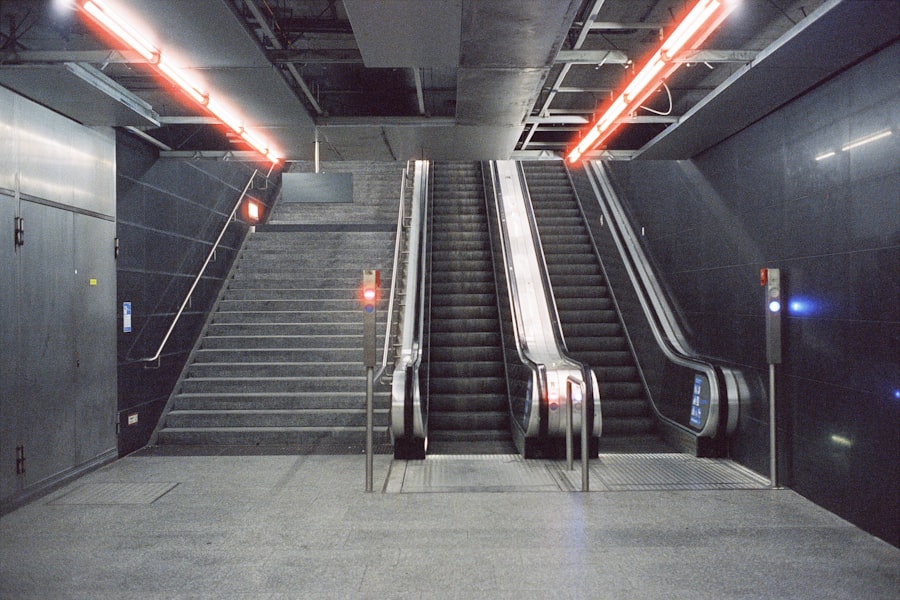
- By Metro: Catania has a single-line metro system operated by Ferrovia Circumetnea. It is incredibly clean and fast, connecting the suburbs and the main train station (Stazione Centrale) to the northern parts of the city. A single ticket costs around 1.20 USD.
- By AMT City Buses: The local bus network covers the entire city. The Alibus is the most important line for travelers, running every 25 minutes directly from Catania-Fontanarossa Airport to the city center and the central train station. A one-way ticket costs approximately 4.40 USD.
- By Train: If you plan to take day trips to nearby towns like Syracuse, Taormina, or Noto, the regional Trenitalia trains are highly reliable, affordable, and scenic.
- On Foot: The historic center of Catania is highly pedestrianized and very flat. Walking is the absolute best way to experience the local architecture and find hidden alleyways.
Pro tip for you: If you plan to visit Mount Etna independently without a guided group, you can take the AST company bus that departs daily from the front of the Catania Central Train Station at around 8:15 AM. It goes straight to the Rifugio Sapienza station, which is the main starting point for the cable car. The return bus departs at 4:30 PM, and a round-trip ticket costs less than 8 USD, saving you a fortune compared to private taxis.
Where to Eat: Catanese Culinary Highlights
If you're wondering about the food, Catania is a true paradise for food lovers. The volcanic soil of Mount Etna produces incredibly rich wines, pistachios, and citrus fruits that elevate the local cuisine to extraordinary heights. On TripAdvisor, food experiences in Catania consistently score near-perfect five-star ratings.
- Trattoria Giglio Rosso: A fantastic spot in the historic center to try the legendary Pasta alla Norma, made with fried eggplants, fresh tomato sauce, and salted ricotta cheese. Expect to spend 12 to 18 USD for a hearty main course.
- Pasticceria Savia: Located on Via Etnea since 1897, this legendary cafe is the absolute best place to try traditional Arancini (deep-fried rice balls stuffed with ragu or pistachios) and sweet Sicilian Cannoli. Arancini here cost around 2.50 USD each.
- Scirocco Sicilian Fish Lab: Located right by the fish market, this popular spot serves fresh seafood cones filled with fried calamari, shrimp, and sardines for around 8 to 12 USD.
- Chiosco Giammona: Stop by one of the iconic metal kiosks scattered across the city plazas to try a refreshing "Seltz, Limone e Sale" (seltzer water with fresh lemon juice and sea salt), a traditional local thirst quencher.
An Ideal 3-Day Itinerary
To ensure you get the absolute most out of this Catania Travel Guide 2026, here is a highly efficient three-day itinerary designed to capture the essence of the city and its surroundings.
Day 1: Baroque Wonders and Street Food
Start your morning at Piazza del Duomo, admiring the Cathedral of Sant Agata and the Elephant Fountain. Dive straight into the energy of the daily fish market. For lunch, grab a couple of hot arancini from Savia and take a relaxing stroll through the lush gardens of Villa Bellini. In the afternoon, explore the ancient Roman Theatre and walk down Via Crociferi. End your evening with a plate of Pasta alla Norma in the lively Piazza Teatro Massimo.
Day 2: The Mighty Mount Etna
Dedicate your second day to exploring Europe's most famous volcano. Book a half-day tour that includes hiking around the Silvestri Craters and exploring a lava cave. Many tours also include a stop at a local winery on the slopes of Etna for wine tasting. Return to the city in the late afternoon, freshen up, and enjoy a fresh seafood dinner near the historic port.
Day 3: Day Trip to Taormina or Syracuse
Use Catania's excellent train connections to explore the nearby coast. Take a 50-minute train ride north to Taormina to visit the breathtaking Greek Theatre overlooking the sea, or head south to Syracuse to explore the historic island of Ortigia. Return to Catania for your final night and enjoy a craft cocktail in the trendy San Berillo district.
Essential Travel Tips for Your 2026 Visit
Before you pack your bags, keep these practical tips in mind. Most shops and smaller family-run restaurants in Catania still close for the traditional "riposo" (afternoon siesta) between 1:30 PM and 4:30 PM, so plan your shopping and dining hours accordingly. While credit cards are widely accepted in hotels and modern restaurants, always carry some cash for smaller transactions at street markets, kiosks, and local bakeries.
In conclusion, this vibrant volcanic city offers an unbeatable mix of culture, history, and culinary delights. By following this Catania Travel Guide 2026, you are fully prepared to navigate the winding streets, enjoy the best local dishes, and create memories that will last a lifetime. Enjoy your Sicilian adventure!
Frequently Asked Questions
What is the best time of year to visit Catania in 2026?
The best time is April to June or September to October for mild weather and fewer crowds. Avoid July and August when temperatures can exceed 40°C.
Is Catania a safe city for tourists in 2026?
Yes, Catania is generally safe for tourists, though pickpocketing can occur in crowded areas. Stay aware of your belongings around the central train station and market districts.
What are the must-see attractions in Catania?
Top sights include Piazza del Duomo, the Roman Amphitheatre, and the UNESCO-listed Baroque streets. Don't miss Mount Etna, Europe's most active volcano, just outside the city.
How do I get from Catania Airport to the city center?
The Alibus shuttle runs every 20 minutes from the airport to the city center for about €4. A taxi ride takes 20-30 minutes and costs around €25-30.
What local food should I try in Catania?
Try pasta alla Norma, arancini, and fresh seafood at the Pescheria market. For dessert, sample cannoli or granita with brioche.

Isabella Conti writes in-depth travel guides that turn a new destination into familiar ground. She covers what to see, when to go and how to make the most of your time, with practical detail you can actually use.
💬 Comments (0)
No comments yet. Be the first!