Lisbon Coastline Sunset Photography Guide 2026
Capture the golden hour along the Atlantic with our Lisbon Coastline Sunset Photography Guide 2026 for stunning results.
If you are looking for the ultimate way to capture the dramatic meeting of land and sea in Portugal, this Lisbon Coastline Sunset Photography Guide 2026 is your essential companion for an unforgettable visual journey.
The golden hour along the Atlantic edge of the Iberian Peninsula is nothing short of legendary. In 2026, Lisbon remains one of the premier destinations for photographers seeking that perfect blend of warm, pastel skies, rugged cliffs, and historic architectural silhouettes. Whether you are carrying a professional DSLR setup or shooting with the latest smartphone, the unique geographical position of the Lisbon coast offers some of the most spectacular sunset conditions in Europe. From the gentle riverfront of the Tagus to the wild, windswept cliffs of Sintra-Cascais, this guide will lead you to the absolute best spots, times, and techniques to capture the magic.
Why the Lisbon Coast Offers World-Class Sunset Photography
There is a unique quality to the light in Portugal that has drawn painters and photographers for centuries. Because Lisbon sits right where the Tagus River meets the open Atlantic Ocean, the moisture in the air creates a brilliant atmospheric diffusion. During the late afternoon, this moisture catches the light, refracting it into soft pinks, deep oranges, and burning purples.
If you are wondering about the best time of year to visit, the spring and autumn months of 2026 offer the most dramatic skies. During these shoulder seasons, high-altitude clouds frequently roll in from the ocean, catching the very last rays of light long after the sun has dipped below the horizon. According to official Lisbon tourism board data, the city averages over 290 sunny days a year, meaning your chances of capturing a spectacular sunset during your trip are incredibly high.
Top Photography Spots Along the Tagus River and Atlantic Coast
To get the most out of your photography trip, you need to know exactly where to set up your tripod. The coastline stretches for miles, offering vastly different landscapes within a short distance of the city center.
The Iconic Belem Tower (Torre de Belem)
Located in the historic Belem district, this UNESCO World Heritage site is a must-visit for any photographer. As the sun sets, the light strikes the limestone facade of the tower, turning it a brilliant golden-yellow. Moving on to your framing options, you can capture the tower from the wooden walkway, or walk down to the small sandy beach during low tide to get reflections of the monument in the wet sand. I recommend you take your shots from a low angle to emphasize the grandeur of the fort against the fiery sky.
Cabo da Roca: The Edge of Europe
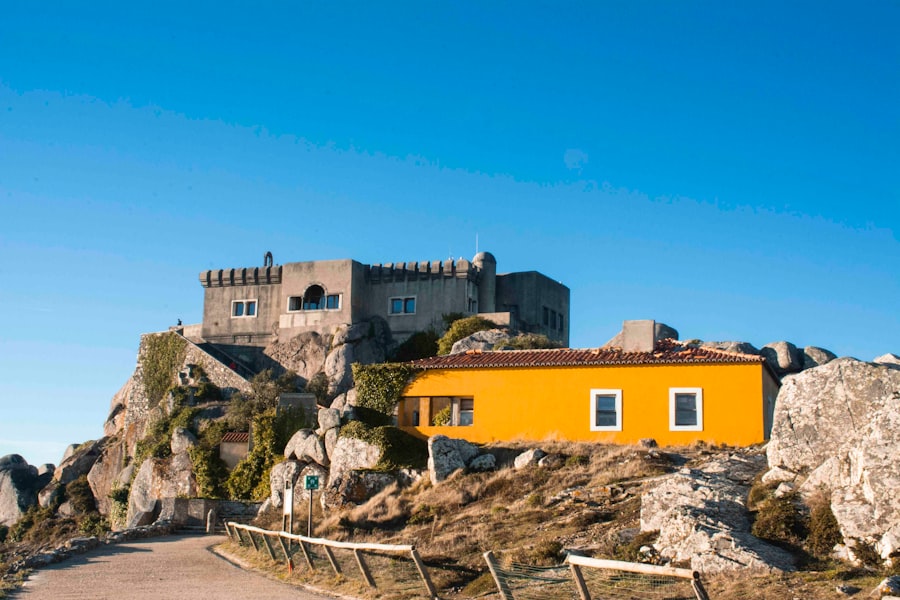
For a wilder, more dramatic landscape, head north toward Sintra to find Cabo da Roca. As the westernmost point of continental Europe, this spot features sheer cliffs dropping over 100 meters into the churning Atlantic. A red-and-white lighthouse sits atop the cliffs, providing the perfect focal point for your landscape compositions. Tripadvisor ratings consistently place this spot among the top scenic views in the entire country, and it is easy to see why when the sun dips below the endless ocean horizon.
Ribeira das Naus and Cais do Sodre
If you prefer an urban vibe with a lively atmosphere, the riverfront promenade in the Cais do Sodre neighborhood is ideal. Here, you can shoot the iconic 25 de Abril Bridge as it is bathed in golden light, mimicking the Golden Gate Bridge of San Francisco. The steps of Ribeira das Naus lead right down into the water, allowing you to capture the ferry boats crossing the river against the backdrop of the setting sun.
Money-Saving Secret: Do not buy expensive individual train tickets if you plan to travel along the coast for several days. Instead, buy a reusable Navegante card at any Metro station for just 0.50 Euros and load it with the "Zapping" option. This reduces your train fare to Cascais or Belem to a fraction of the standard tourist ticket price, leaving you with more budget for dinner.
How to Get Around the Coastline
Getting to these incredible photography spots is remarkably easy and affordable, thanks to Lisbon's extensive public transit network. Navigating the coast is part of the adventure, and you can easily transition from the city center to rugged beaches in under an hour.
If you are wondering about the best transport options, here is a quick breakdown to help you plan your evening shoots:
- The Cascais Train Line: Departing from Cais do Sodre station, this scenic train hugs the coast. A one-way ticket costs around 2.40 Euros, and it takes you directly to Belem, Estoril, and Cascais.
- Bus 1253 from Sintra: To reach Cabo da Roca, take the train from Rossio station to Sintra, then hop on the local 1253 bus which costs about 4.50 Euros for a single journey.
- Ridesharing Apps: For late-night returns after the sun has set and public transport slows down, apps like Bolt and Uber are highly active and very affordable, with a ride from Cascais back to central Lisbon costing around 20 to 30 Euros depending on demand.
The Perfect Photography Itinerary: A Golden Hour Afternoon
Now let's talk about how to structure your afternoon for the ultimate shooting experience. I recommend starting your journey around 3:00 PM in the historic center. Grab a pastry, jump on the train, and head west. By planning ahead, you can secure your spot well before the sun begins its final descent.
Pro tip for you: Always arrive at your chosen location at least one hour before the official sunset time. The period known as "golden hour" starts earlier than you think, and the best light often hits the cliffs and buildings about 40 minutes before the sun actually disappears. Furthermore, do not pack up your gear the moment the sun slips below the horizon. The "blue hour" that follows often brings a stunning deep pink and blue gradient that makes for incredible long-exposure ocean shots.
Where to Eat and Drink Along the Coast
After a successful shoot, you will undoubtedly have worked up an appetite. The Lisbon coastline is famous for its fresh seafood, seaside terraces, and vibrant culinary scene.
Here are some highly recommended dining spots to round out your evening:
- Ponto Final (Cacilhas): Located across the river, this spot offers unparalleled views of the Lisbon skyline and bridge. You must book weeks in advance as Booking.com availability for nearby stays and local restaurant reservations fill up fast in 2026.
- Baia do Peixe (Cascais): A fantastic waterfront restaurant offering all-you-can-eat fresh fish rodizio for around 30 Euros per person, with stunning views of the Cascais bay.
- Pasteis de Belem (Belem): The historic bakery where the famous custard tarts were born. Grab a box of warm tarts for about 1.30 Euros each to fuel your sunset shoot at the nearby tower.
Essential Gear and Settings for Coastal Sunsets
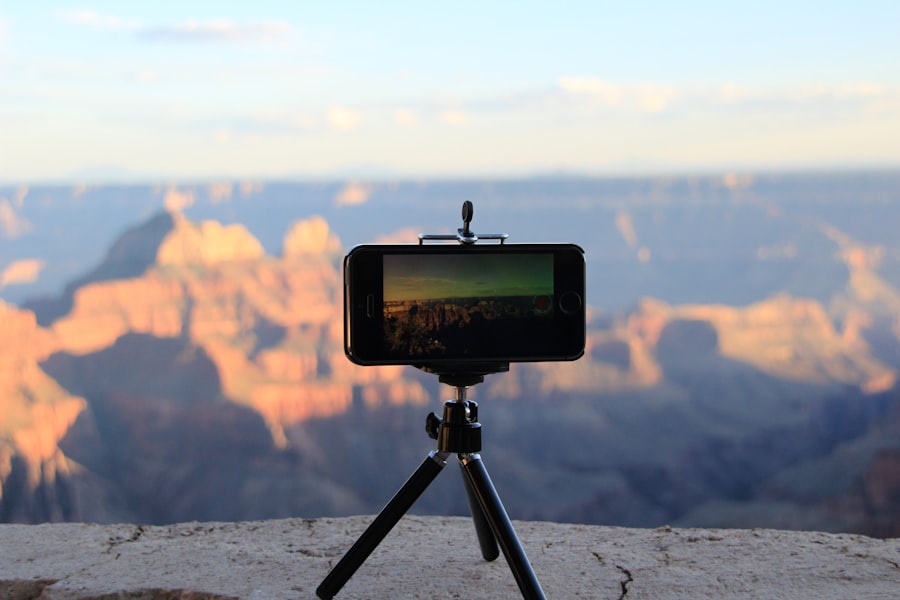
To make the most of this Lisbon Coastline Sunset Photography Guide 2026, you need to ensure your gear is prepared for the coastal elements. The Atlantic breeze can be strong, especially at elevated spots like Cabo da Roca, which means a sturdy tripod is non-negotiable for sharp images.
Using ND Filters for Silky Water
If you want to capture those dreamy, smooth water textures around the rocks of Cascais, you will need a Neutral Density (ND) filter. A 6-stop or 10-stop ND filter will allow you to slow your shutter speed down to 5 or 10 seconds, even during the bright golden hour, turning the crashing Atlantic waves into a beautiful, misty fog.
Protecting Your Gear from Salt Spray
The wind along the coast often carries a fine mist of salty ocean water. Bring a microfiber cloth and some lens cleaning solution in your bag. Wipe down your camera body and front lens element immediately after shooting to prevent salt crust from forming on your glass.
Top Things to Do on Your Photography Journey
While chasing the perfect sunset is your main goal, the journey along the coast offers plenty of other amazing experiences to capture along the way.
To make your trip truly complete, be sure to add these activities to your itinerary:
- Explore the Historic Center of Cascais: Wander through the black-and-white patterned cobblestone streets and photograph the colorful tiled houses.
- Visit Boca do Inferno (Hell's Mouth): A dramatic chasm in the seaside cliffs near Cascais where the ocean water crashes violently into a cave.
- Take a Sunset Sailboat Cruise: Book a two-hour cruise departing from the Doca de Alcantara to photograph the city from the unique perspective of the Tagus River.
Whether you are capturing the historic charm of Belem or the wild beauty of Cabo da Roca, this Lisbon Coastline Sunset Photography Guide 2026 will help you navigate the stunning Portuguese coast and bring home breathtaking images that you will treasure forever. Pack your camera, plan your route, and get ready to experience one of the most beautiful sunsets in the world.
Frequently Asked Questions
What is the best time to photograph the sunset along the Lisbon coastline in 2026?
The golden hour typically occurs about 30-45 minutes before sunset, so arrive at your chosen spot at least an hour before the actual sunset time, which can be checked online for specific dates.
Which are the top photography locations along the Lisbon coastline for sunset shots?
Top locations include Cabo da Roca (the westernmost point of Europe), Praia da Ursa, and the cliffs near Cascais, offering dramatic seascapes and golden light.
What camera settings are recommended for sunset photography?
Use a low ISO (100-200), between f/8 and f/16 for deep depth of field, and try shutter speeds from 1/30 sec to a few seconds; use a tripod for sharper images.
Are there any specific weather conditions to check before heading out?
Check for partial cloud cover, as clouds create beautiful colors during sunset; avoid completely overcast days and rainy forecasts,
What safety tips should I follow while photographing on cliffs or coastlines at sunset?
Stay on marked paths, wear sturdy shoes, and be aware of tide times to avoid being trapped; bring a flashlight or headlamp for the walk back.

Lars Lindgren puts together detailed guides to cities and regions, drawing on his own travels to flag the things worth your time. He focuses on clear, honest advice that holds up once you are actually on the ground.
💬 Comments (0)
No comments yet. Be the first!