The Ultimate Istanbul First-Timer Guide 2026
Your complete Istanbul first-timer guide 2026 covers must-see attractions, local cuisine, and transport hacks.
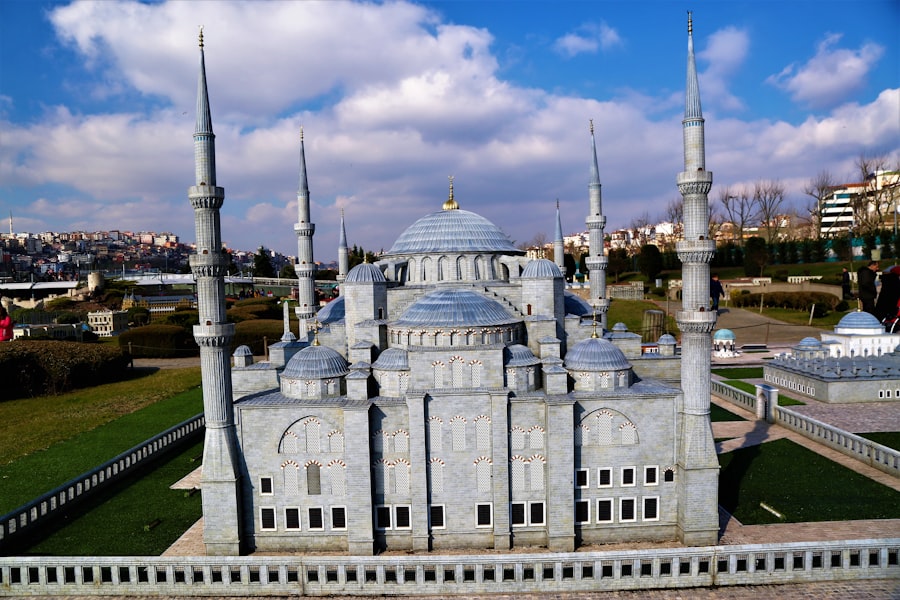
This Istanbul first-timer guide is your essential companion for visiting one of the world's most fascinating cities in 2026. You will discover hidden corners, practical tips, and insider knowledge that most tourists never find. Whether you are planning a weekend break or a week-long stay, this guide will help you navigate the city with confidence and ease.
Why Visit Istanbul in 2026
Istanbul straddles two continents, Europe and Asia, offering a blend of ancient history and modern energy that few cities can match. In 2026, the city has invested heavily in new public transport links and pedestrian-friendly zones. The Grand Bazaar still buzzes, but quieter neighbourhoods like Balat and Fener are drawing crowds for their colourful streets and authentic vibe. According to the Istanbul tourism board, visitor numbers are expected to rise by 12% compared to 2025, so early booking is wise. TripAdvisor ranks Istanbul in the top five world destinations for culture lovers, with over 4,000 rated attractions. This Istanbul first-timer guide will show you how to enjoy the city without feeling overwhelmed.
When to Visit: Seasons and Prices
The best months are April, May, September, and October. Temperatures hover around 18-25°C, and crowds are manageable. July and August can be scorching (35°C+), and hotel prices spike. In 2026, expect a standard double room in Sultanahmet to cost between 80 and 150 euros per night on Booking.com during peak season. Winter (December-February) is chilly and rainy, but flights and hotels drop by 40%. If you are on a budget, January is your month. Pro tip for you: always check the official Istanbul Culture and Tourism Directorate website for festival dates. The Istanbul Music Festival in June is a highlight, but book tickets at least two months ahead.
What to Pack
- Comfortable walking shoes – you will walk 10 km per day easily.
- A scarf or shawl for mosque visits (women must cover hair, men cover legs).
- Cash in Turkish Lira – many small shops and taxis do not accept cards.
- Reusable water bottle – tap water is not safe to drink, but refill stations are common.
Where to Stay: Best Neighbourhoods for First-Timers
Your choice of base will shape your entire trip. Here are three top options for any Istanbul first-timer guide.
Sultanahmet: Historic Heart
You will be steps from the Blue Mosque, Hagia Sophia, and Topkapi Palace. Hotels are pricier, but waking up to minaret silhouettes is magical. Average cost per night in 2026: 100-200 euros. The tram line T1 runs through here, connecting you to Eminonu and Kabatas. I recommend you stay at a boutique hotel inside a restored Ottoman mansion.
Beyoglu and Taksim: Lively and Modern
This area buzzes with restaurants, bars, and shops. Istiklal Street is a pedestrian avenue packed with people day and night. Accommodation ranges from budget hostels (30 euros) to mid-range hotels (70-120 euros). The nostalgic red tram runs along Istiklal, and the funicular from Kabatas to Taksim is fast. If you want nightlife, this is your spot.
Kadikoy: Asian Side Charm
Cross the Bosphorus by ferry (7 Turkish Lira, about 0.25 euros) and you enter a more relaxed, local vibe. Kadikoy is known for its fish market, independent bookstores, and affordable eateries. A double room costs 50-90 euros. You will feel like a resident, not a tourist. The ferry ride itself is a highlight.
How to Get Around: Transport Made Simple
- Istanbulkart: Buy this rechargeable card at any kiosk. It works on trams, buses, ferries, and metro. Cost: 50 TL deposit (about 1.50 euros) and you top up as needed. A single ride costs roughly 0.50 euros. Much cheaper than taxis.
- Tram T1: Runs from Kabatas to Bagcilar, passing through Sultanahmet, Eminonu, and Aksaray. You will use it daily.
- Metro M2: Connects Yenikapi to Haciosman, with a stop at Taksim. Fast and air-conditioned.
- Ferries: The backbone of Istanbul. Lines from Eminonu to Kadikoy, or from Karakoy to Besiktas, are frequent and scenic. A ferry ride is an experience in itself.
- Taxis: Use only if necessary. Insist on the meter. Many drivers overcharge tourists in 2026. Better to rely on public transport or ride-sharing apps like BiTaksi.
Traveler's Warning: Avoid the "free tour" touts near Sultanahmet Square. They will take you to overpriced carpet shops or restaurants that pay them commission. Politely say "No, thank you" and walk away. Stick to official tour guides licensed by the ministry. Your wallet and your time will thank you.
Top Things to Do: Must-See Sights for 2026
- Hagia Sophia: Now a museum again after its 2020 reclassification. Entry in 2026 costs 25 euros. Arrive before 9:00 AM to avoid the queue. The dome and mosaics will leave you speechless.
- Basilica Cistern: Underground water storage from the Byzantine era. The 2026 renovation has added new lighting that highlights the Medusa heads. Entry 20 euros. Book skip-the-line tickets online.
- Topkapi Palace: Home to Ottoman sultans for 400 years. Allow at least three hours. The harem section is extra (10 euros) but worth it. TripAdvisor rates it 4.5 stars from over 30,000 reviews.
- Grand Bazaar: 4,000 shops under one roof. Open Monday to Saturday, closed Sundays. Haggling is expected. Start at 50% of the asking price. Do not buy gold or jewellery without a trusted local.
- Bosphorus Cruise: Take a public ferry from Eminonu to Anadolu Kavagi (round trip 3 euros, about 2 hours each way). You will see palaces, fortresses, and the Black Sea entrance. Bring snacks.
- Spice Bazaar: Smaller and less chaotic than Grand Bazaar. Buy Turkish delight, dried fruits, and spices. Beware of vendors who weigh the bag with the product – ask for net weight.
Where to Eat: Taste the Real Istanbul
- Balik Ekmek (Fish Sandwich): Head to Eminonu pier. Street vendors grill fresh mackerel right on the boats. Price: 80-100 TL (about 2.50 euros). Squeeze lemon over it and enjoy.
- Kebabs: Not all kebabs are equal. For authentic Adana kebab, go to Zubeyir Ocakbasi in Beyoglu. A meal for two with drinks costs around 40 euros. Reservations essential in 2026.
- Lahmacun: Turkish pizza at its best. Try Cicek Pasaji in Karakoy. One lahmacun costs 1.50 euros. Roll it with parsley and a squeeze of lemon.
- Breakfast: A full Turkish breakfast includes cheese, olives, eggs, honey, kaymak, and simit. Cafes like Van Kahvalti Evi in Besiktas offer a spread for 12 euros per person. Go hungry.
- Street Food: Simit (sesame bread ring) from a cart: 0.40 euros. Roasted chestnuts in winter. Corn on the cob (misir) in summer. These are cheap, safe, and delicious.
Money-Saving Secrets and Practical Tips
Now let's talk about keeping your budget healthy. First, get an Istanbulkart as soon as you land. A single taxi from the airport to Sultanahmet will cost 30 euros. The metro and tram combo costs 1 euro. Second, eat where locals eat. Restaurants in tourist zones charge double. Walk two streets away and you will find better food for half the price. Third, many museums offer free entry on certain days. For example, the Istanbul Archaeological Museums are free every Monday in 2026. Check the official website before you go.
Pro tip based on my own travel experience: When buying a sim card at the airport, you will be offered expensive tourist plans. Instead, walk to a Turkcell or Vodafone shop in town. A 30-day plan with 20 GB costs about 15 euros, compared to 40 euros at the airport. Also, download the offline maps for Istanbul on Google Maps before you leave your hotel. Public Wi-Fi is available in some squares, but it is slow and unreliable. Having offline navigation will save you from wandering lost.
Money-Saving Secret: The Istanbul Museum Pass (valid for 5 days, cost 80 euros) covers Hagia Sophia, Topkapi Palace, the Basilica Cistern, and 10 other museums. If you plan to visit even three of these, it pays for itself. Buy it online before you travel to skip ticket queues. In 2026, the pass also includes a free Bosphorus ferry ride. Check MuseumPass.istanbul for updates.
If You're Wondering About Safety and Etiquette
Istanbul is generally safe for solo travelers, couples, and families. Petty theft exists in crowded areas like the Grand Bazaar and on trams. Keep your wallet in your front pocket and your bag zipped. Women traveling alone may receive attention, but a firm "hayir" (meaning no) ends it. Tap water is not potable; buy bottled water from shops (0.20 euros per 1.5 litres). Respect mosque customs: remove shoes, cover shoulders and knees. Women must cover their hair. You will be given a scarf if you forget one. Alcohol is widely available in bars and restaurants, but public drunkenness is frowned upon. Ramadan in 2026 runs from February 18 to March 20. During this month, avoid eating, drinking, or smoking in public during daylight hours out of respect. Restaurants still serve tourists in private, but windows may be covered.
Final Thoughts for Your Istanbul First-Timer Guide
This Istanbul first-timer guide has given you the practical tools to explore confidently. From the majestic domes of Hagia Sophia to the vibrant fish stalls of Kadikoy, every corner holds a story. Moving on to your planning: book your accommodation at least two months ahead for 2026, especially if you visit in spring or autumn. Use the Istanbulkart for all transport. Eat local, walk everywhere, and allow yourself to get lost in the side streets. That is where the real Istanbul lives. According to Booking.com data from early 2026, average guest ratings for Istanbul hotels have improved to 8.5/10, reflecting better service and renovations. The tourism board reports that 98% of visitors say they would return. I think you will agree. Take your time, enjoy the tea, and let the city surprise you. Your adventure starts now.
💬 Comments (0)
No comments yet. Be the first!