Hoi An Travel Guide 2026: Ancient Town Tips
Our comprehensive Hoi An Travel Guide 2026 reveals top spots, ancient streetscapes, local dining, and easy navigation tips.

Welcome to the ultimate Hoi An Travel Guide 2026, your complete roadmap to navigating Vietnam's most enchanting yellow-walled ancient town.
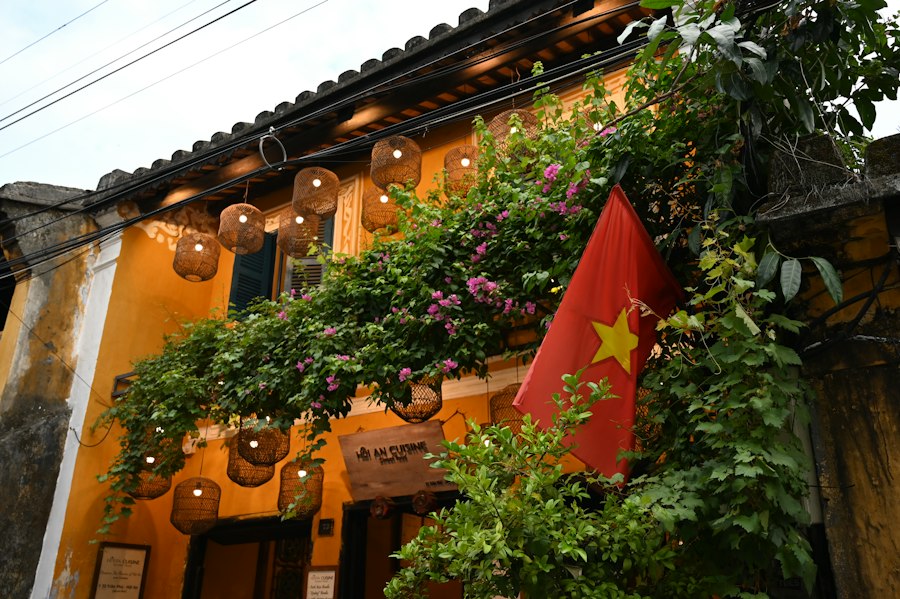
Stepping into this UNESCO World Heritage site feels like stepping back into a living history book. Lanterns glow softly above cobblestone alleys, tailor shops craft custom silk suits within hours, and the smell of savory noodle soups fills the air. Whether you plan to spend three days or two weeks here, this updated 2026 manual covers everything you need to know for an unforgettable trip.
Understanding Hoi An: Essential 2026 Orientation
Hoi An sits gracefully along the Thu Bon River in central Vietnam's Quang Nam province. Once a thriving trading port between the 15th and 19th centuries, it remains remarkably preserved. If you're wondering about the geography, the city divides mainly into three areas: the historic Ancient Town, the lush rice paddy countryside of Cam Chau, and the coastal beach strips of An Bang and Cua Dai.
Planning your timing is critical for a smooth holiday. The dry season runs from February to July, offering sunny skies and manageable heat. Moving on to the wet season from August to January, you will experience higher humidity and torrential downpours. October and November often bring river floods to the Ancient Town, so keep that in mind when booking your stay.
How to Reach Hoi An in 2026
Hoi An has no direct airport or major train station of its own. Your entry point will almost certainly be the neighboring city of Da Nang, located roughly 30 kilometers to the north. Official city tourism board data shows that transit links between Da Nang and Hoi An are faster and more reliable than ever in 2026.
From Da Nang Airport to Hoi An
Once your flight lands at Da Nang International Airport, you have three primary ways to reach your hotel:
- Private Car or Grab App: This is the most hassle-free option. A private transfer costs between 250,000 VND and 350,000 VND (around 10 to 14 USD) and takes roughly 45 minutes door-to-door.
- Shared Express Shuttles: These run hourly directly from the arrival terminal to major Hoi An hotels. Expect to pay about 130,000 VND per seat.
- Public Bus Line 1: The local yellow bus connects central Da Nang to Hoi An bus station for roughly 30,000 VND, though it takes up to 80 minutes and offers limited luggage space.
Getting Around the City
Now let's talk about navigating the streets once you arrive. The central historic zone is strictly pedestrianized for large parts of the day, making it immensely enjoyable to explore on foot.
How to Get Around Hoi An
- Bicycles: Most homestays and boutique hotels offer complimentary bicycles to their guests. Pedaling through the rice fields in the early morning is pure bliss.
- Electric Golf Carts: Perfect for families or small groups, these clean green carts operate on set routes across town for around 20,000 VND per person per ride.
- Motorbikes: You can rent an automatic scooter for 120,000 to 150,000 VND per day. Remember that motorbikes are prohibited inside the pedestrian zones of the Ancient Town during peak hours.
- Cyclos: These traditional three-wheeled rickshaws are driven by locals. A 30-minute leisurely tour around the riverbank costs roughly 150,000 VND.
Top Things to Do in Hoi An
No Hoi An Travel Guide 2026 would be complete without highlighting the absolute must-see activities across the town and its surrounding countryside.
Top Things to Do
- Explore the Ancient Town Architecture: Purchase an official entrance ticket for 120,000 VND, which grants entry to five historical sights, including ancient merchant houses, assembly halls, and the iconic Japanese Covered Bridge.
- Take a Evening Boat Ride on the Hoai River: As darkness falls, board a small wooden sampan to release a floating paper lantern onto the water. Rides cost around 150,000 VND per boat.
- Get Custom Clothes Tailored: Hoi An is world-famous for rapid, high-quality tailoring. Visit established shops like Bebe Tailor or Yaly Couture to get a bespoke linen suit or summer dress made within 24 to 48 hours.
- Cycle to An Bang Beach: Ride just 4 kilometers through quiet farmland to relax at seaside cafes, surf gentle waves, and enjoy fresh seafood.
- Take a Cooking Class in Cam Thanh: Ride a basket boat through the coconut palm groves before learning how to prepare traditional local recipes from scratch.
Money-Saving Secret: You only need to purchase the official 120,000 VND Ancient Town entry ticket once for your entire stay. The ticket validly covers your entry for multiple days as long as you keep the physical stub on you. Do not let aggressive street sellers convince you to buy a new ticket every afternoon!
Where to Eat: Hoi An Culinary Highlights
Food lovers rejoice, because this region boasts some of the absolute best cuisine in Southeast Asia. The local dishes rely on unique local river water, fresh greens from nearby Tra Que village, and aromatic spices. TripAdvisor ratings continuously place Hoi An eateries among the top dining spots in Vietnam for 2026.
Where to Eat Local Specialties
- Cao Lau: A signature noodle dish featuring thick rice noodles, sliced roast pork, crispy rice crackers, and leafy greens tossed in a rich pork broth. Try it at Cao Lau Thanh on Thai Phien Street for 40,000 VND.
- Banh Mi: The world-renowned Vietnamese baguette sandwich loaded with pate, meats, pickled papaya, and herbs. Head to Banh Mi Phuong or Madam Khanh The Banh Mi Queen for an incredible 30,000 VND lunch.
- White Rose Dumplings (Banh Bao Banh Vac): Delicate translucent rice dumplings filled with minced shrimp or pork, topped with fried shallots. Taste them at the original supply bakery, White Rose Restaurant on Hai Ba Trung Street.
- Mi Quang: Turmeric-infused yellow noodles served with a splash of savory broth, quail eggs, shrimp, pork, and roasted peanuts.
Pro tip for you based on my recent stays in the region: Visit the local morning markets like Ba Le Market around 7:00 AM instead of the main tourist market. You will find lower prices, zero high-pressure sales tactics, and authentic breakfast stalls serving piping hot bowls of noodle soup alongside locals starting their day.
Where to Stay in 2026: Neighborhood Guide
Choosing the right neighborhood depends heavily on your travel style. Booking.com availability for 2026 shows a wide mix of luxurious resorts, mid-range family homestays, and budget hostels across three core areas.
Ancient Town & City Center
If you want to be steps away from top restaurants, late-night craft cocktail bars, and historical sites, stay near the town center. The area is bustling, highly walkable, and filled with beautifully restored heritage hotels. Prices range from 40 USD to 180 USD per night.
Cam Chau & Chau Pad Districts
Situated halfway between the historic center and the ocean, these serene green neighborhoods are wrapped in scenic rice paddies. It is the best zone for families and digital nomads looking for long-term villa rentals, calm streets, and excellent modern cafes. Expect to pay 25 USD to 70 USD nightly.
An Bang Beach
If your priority is waking up to the sound of ocean waves, book a beachfront boutique stay in An Bang. Located 10 minutes from town, this laid-back neighborhood is packed with international seafood restaurants, yoga studios, and relaxed beach clubs. Rates range from 30 USD for cozy homestays to 250 USD for beachfront resorts.
Final Tips for Your 2026 Journey
As you wrap up your trip planning, remember to pack lightweight, breathable cotton clothing for warm afternoons, alongside a light rain jacket if visiting late in the season. Respect local culture by covering your shoulders and knees whenever entering historic temples or family ancestral houses.
By following this practical Hoi An Travel Guide 2026, you are fully equipped to navigate transport, find incredible food, avoid unnecessary fees, and fall in love with Vietnam's brightest cultural gem.

Isabella Conti writes in-depth travel guides that turn a new destination into familiar ground. She covers what to see, when to go and how to make the most of your time, with practical detail you can actually use.
💬 Comments (0)
No comments yet. Be the first!