Evora Travel Guide 2026: Portugal's Gem
Explore Portugal's UNESCO historic heart with our Evora Travel Guide 2026, packed with local secrets and itineraries.
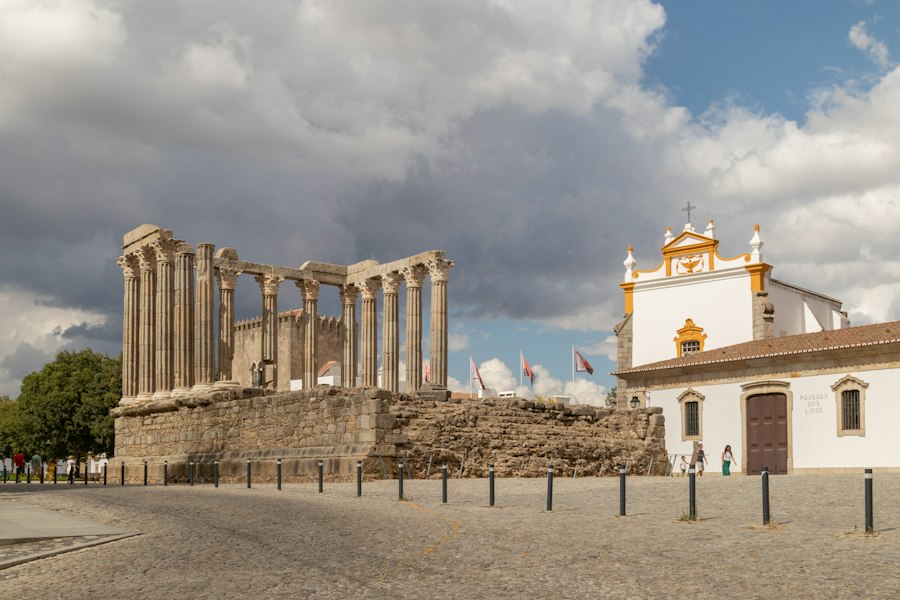
Welcome to your ultimate Evora Travel Guide 2026, the definitive resource for exploring one of Portugal's most enchanting historical strongholds.
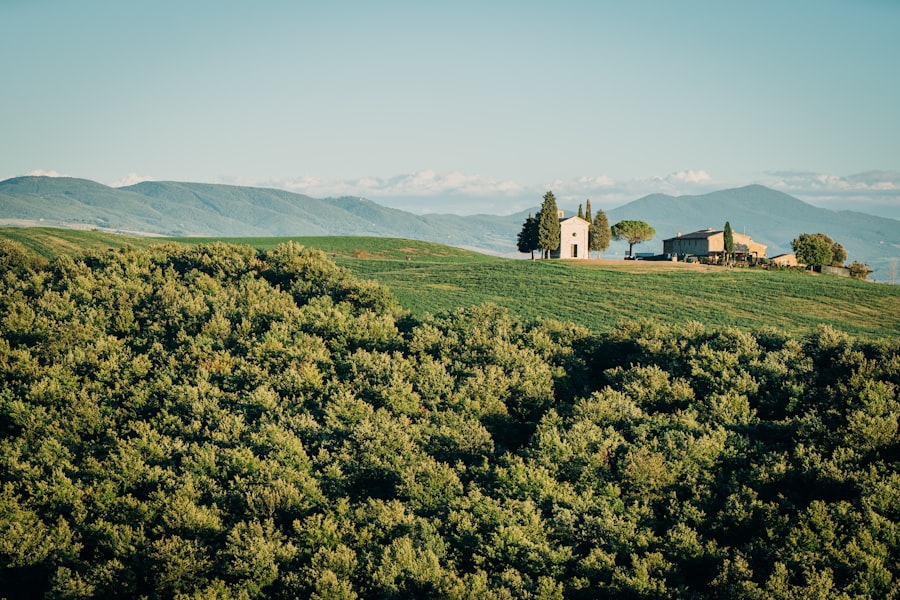
Nestled in the heart of the sun-drenched Alentejo region, Evora is an open-air museum framed by medieval stone walls, whitewashed houses, and ancient Roman architecture. As we step into 2026, this UNESCO World Heritage city offers the perfect mix of slow-paced countryside charm, rich culinary tradition, and monumental European history. Whether you plan a quick day trip from Lisbon or an extended Alentejo retreat, this Evora Travel Guide 2026 will help you navigate every detail of your journey with ease.
Why Visit Evora in 2026?
If you are wondering about what makes this destination so compelling right now, the answer lies in its unique atmosphere. While Porto and Lisbon grow increasingly crowded, Evora preserves an authentic pace of life. Walk down cobbled alleys where locals sit outside traditional taverns, and discover a city where ancient history meets dynamic modern culture. In 2026, enhanced train connection schedules make reaching this ancient capital smoother than ever before.
Top Things to Do in Evora
Evora packs centuries of architecture into a compact, walkable city center. Here are the non-negotiable sights to include on your itinerary:
- The Roman Temple of Evora (Temple of Diana): Standing tall in the center of the upper town, this granite Corinthian structure dates back to the first century AD. It remains one of the best-preserved Roman monuments on the Iberian Peninsula.
- The Chapel of Bones (Capela dos Ossos): Located inside the Church of St. Francis, this famous chapel is lined with the skulls and bones of roughly 5,000 bodies. The entrance inscription famously reads, "We bones that are here, await yours."
- Evora Cathedral (Se de Evora): This massive fortress-like cathedral built between 1186 and 1250 offers stunning Gothic and Romanesque architecture. Be sure to pay the small extra fee to walk along the rooftop for panoramic views over the Alentejo plains.
- Aqueduct of Silver Water (Aqueduto da Agua de Prata): Spanning over 18 kilometers, this 16th-century engineering marvel reaches right into the city limits, where houses and shops are built directly between its massive stone arches.
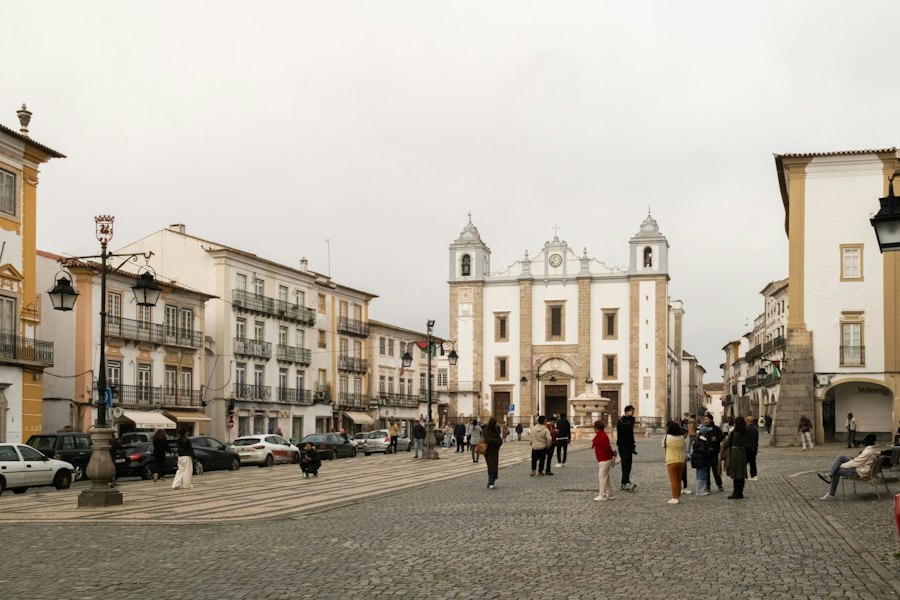
- Giraldo Square (Praca Giraldo): The vibrant central hub of the city, flanked by arcaded buildings, cozy cafes, and the striking Renaissance fountain featuring eight spouts.
Exploring the Historic Center
Now let's talk about how to organize your sightseeing efficiently. Start your morning early at Praca Giraldo before the tour groups arrive. From there, take a short uphill stroll along Rua da Selaria toward the Cathedral and the Roman Temple. Both sites sit adjacent to each other alongside the tranquil Jardim Diana park, making them easy to visit in a single morning block. According to current 2026 tourism data, buying a combined ticket for the Cathedral museum and roof access provides the best overall value for travelers.
Traveler's Warning: Wear sturdy, non-slip walking shoes. Evora's historic cobblestones (calcada portuguesa) are steep, polished, and extremely slippery when damp or worn down by foot traffic. Avoid wearing smooth-soled sandals or high heels while exploring the upper town.
Where to Eat: Traditional Alentejo Cuisine
You will find that food in Evora is a serious affair. Alentejo cuisine relies heavily on simple, high-quality ingredients like olive oil, garlic, fresh herbs, pork, and local sheep cheeses. Highly rated establishments across TripAdvisor consistently highlight the rich, savory profile of this regional cooking style.
- Taberna Típica Quarta-Feira: A legendary family-run tavern with no fixed menu. Sit down and let the host serve you traditional homemade dishes. Expect to pay around 30 to 40 Euros per person including local wine.
- Botequim da Molhatinga: Perfect for a light lunch, serving local petiscos (Portuguese tapas) starting at 4 to 8 Euros per plate. Try the local cured meats and aged Serra-style cheeses.
- Fialho: An iconic fine-dining institution operating since 1945. It is known for roast baby kid, wild boar, and acorn-fed Iberian pork. Dinner main courses range between 22 and 35 Euros.
- Pastelaria Conventual Pao de Rala: Do not leave the city without trying conventual sweets like Pao de Rala or Queijadas de Evora, which cost around 1.50 to 3 Euros per pastry.
Pro tip for you based on my trip last spring: always make dinner reservations at least 48 hours in advance for popular spots, as dining rooms in the city center are quite small and fill up very quickly with both locals and international visitors.
Where to Stay in Evora
If you're wondering about accommodations, recent listings on Booking.com show options for every budget level. Booking early for 2026 summer dates is strongly advised.
Luxury & Historic Character
For an unforgettable stay, book a room at the Convento de Sao Paulo or the Pousada Convento de Evora, located directly across from the Roman Temple. These restored historic convents feature vaulted ceilings, cloistered courtyards, and outdoor swimming pools. Nightly rates range from 160 to 280 Euros.
Mid-Range Comfort
Look for boutique guesthouses within the historic walls around the Sao Mamede neighborhood. Places like Hotel Albergaria do Calvario offer comfortable rooms, courtyard breakfasts, and friendly service for roughly 90 to 140 Euros per night.
How to Get Around Evora and Transport Guide
Navigating the region is straightforward if you plan ahead using this essential Evora Travel Guide 2026 transit breakdown.
- By Train from Lisbon: CP (Comboios de Portugal) operates daily Intercidades trains from Lisbon Entrecampos station directly to Evora. The journey takes roughly 1 hour and 30 minutes, with one-way tickets costing between 12.50 and 17.00 Euros.
- By Express Bus: Rede Expressos coaches depart regularly from Lisbon Sete Rios terminal. Travel time is approximately 1 hour and 45 minutes, with tickets priced between 8.00 and 14.00 Euros.
- Local City Buses (Trevo): Evora operates a small network of mini-buses running through the narrow streets. A single ride ticket purchased onboard costs 1.40 Euros.
- On Foot: Walking is the absolute best way to travel inside the historical walls. The entire old town center measures less than two kilometers across.
Moving on to local exploration, rent a car if you plan to visit neighboring Alentejo wineries, the megalithic Almendres Cromlech site, or the hilltop village of Monsaraz. Car rentals available at the main train station start around 25 to 45 Euros per day in 2026.
Essential Practical Tips for Your 2026 Trip
To ensure your trip runs smoothly, keep these quick operational points in mind:
Most major historical sights and museums in Evora close on Mondays, so plan your itinerary to visit core attractions between Tuesday and Sunday. While major restaurants and hotels accept credit cards, keep 20 to 30 Euros in cash for small bakeries, local markets, and public buses. Summer temperatures in the Alentejo routinely exceed 38 degrees Celsius (100 Fahrenheit) during July and August, making spring (April to June) and autumn (September to October) the ideal seasons for comfortable sightseeing.
By following this comprehensive Evora Travel Guide 2026, you are fully equipped to discover the rich historic treasures, spectacular dining options, and timeless beauty of Portugal's historic Alentejo capital.

Isabella Conti writes in-depth travel guides that turn a new destination into familiar ground. She covers what to see, when to go and how to make the most of your time, with practical detail you can actually use.
💬 Comments (0)
No comments yet. Be the first!