
Gion Kyoto Guide 2026: A Local's Perspective
Your 2026 local's guide to Kyoto's Gion district. Find hidden teahouses, see geisha, and explore historic streets respectfully. This Gion Kyoto Guide 2026 helps you navigate like a local.

Welcome to the heart of traditional Japan: this Gion Kyoto Guide 2026 is your essential companion to exploring Kyoto's most famous geisha district with the insight of a longtime resident. As you step into the world of wooden machiya houses and whispered tales, you'll find that Gion is more than a postcard; it's a living, breathing neighborhood where history and modernity dance together. I've crafted this guide to give you not just the sights, but the feel of the place, ensuring your visit in 2026 is seamless, deep, and unforgettable. You will find that following this Gion Kyoto Guide 2026 helps you avoid the common tourist pitfalls and connect with the district's true spirit.
Understanding Gion: More Than a Geisha District
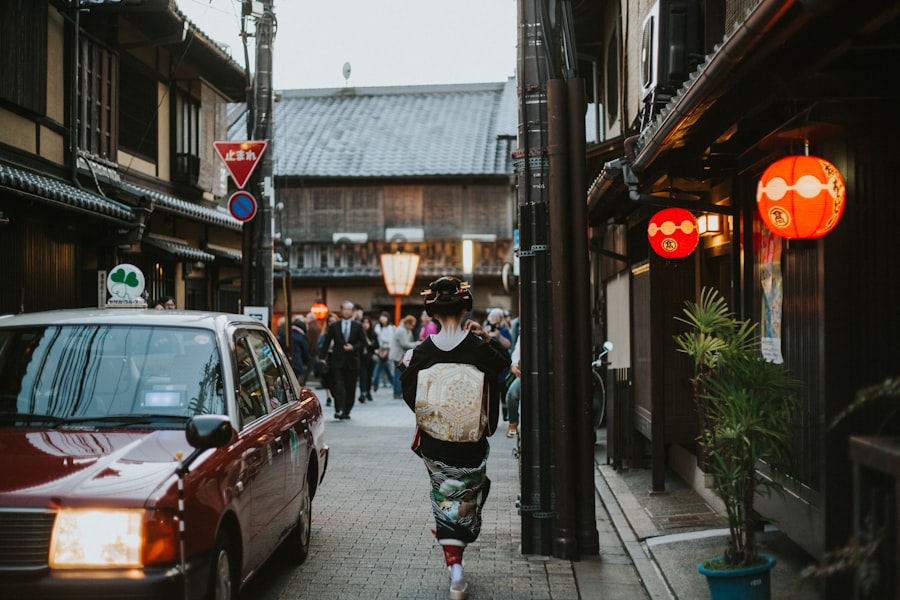
Gion, split into Gion Higashi and Gion Kobu, is a preservation district where the geiko (Kyoto dialect for geisha) and maiko (apprentices) tradition thrives. While many come hoping for a fleeting glimpse of these artists, the area's charm lies in its atmospheric streets like Hanamikoji and Shinbashi-dori, which are beautifully preserved. The Kamogawa River borders the area, offering serene walks. Remember, Gion is a residential and working district first; respect for privacy is paramount. If you're wondering about the best way to absorb this, simply wander without a rigid map after 5 PM, when the lanterns glow and the modern city noise fades away.
A Stroll Through Time
The district flourished in the Edo period alongside the Yasaka Shrine, catering to visitors. Today, that legacy continues in the tea houses and exclusive ochaya where geiko entertain. The annual Gion Matsuri in July, one of Japan's most famous festivals, transforms the streets with massive floats. For 2026, check the official Kyoto Tourism Board website for exact dates, as they confirm schedules well in advance.
Top Things to Do in Gion: Your 2026 Itinerary
This section of our Gion Kyoto Guide 2026 moves beyond the obvious to highlight experiences that offer genuine value. You will find that mixing iconic spots with lesser-known gems creates a perfect day.
- Walk Hanamikoji Street at Dusk: This is the quintessential Gion experience. The preserved machiya houses and occasional sight of a maiko hurrying to an appointment are magical. Pro tip for you: The stretch between Shijo-dori and Kennin-ji Temple is less crowded early in the morning.
- Visit Kennin-ji Temple: Kyoto's oldest Zen temple, founded in 1202. It's a stunning oasis of calm with famous dragon ceiling paintings and a beautiful dry landscape garden. The TripAdvisor rating for 2025 was a stellar 4.5 stars, and it's expected to remain a top attraction in 2026.
- Enjoy a Traditional Performance at Gion Corner: A great introduction for visitors, offering condensed shows of kyogen comedy, koto music, and maiko dances. Book tickets online to guarantee a seat for your 2026 visit.
- Explore the Side Streets of Shinbashi-dori: Often called the most beautiful street in Asia, especially during cherry blossom season. It's perfect for photography and quiet reflection.
- Participate in a Tea Ceremony: Several cultural centers, like En, offer authentic tea ceremonies in a machiya setting. It's a hands-on way to connect with Japanese aesthetics.
Nighttime Ambiance
Now let's talk about Gion after dark. The area takes on a different character. While the exclusive teahouses are by invitation only, you can soak in the atmosphere by dining at one of the many restaurants overlooking the Shirakawa Canal. A Pro Tip based on my own mishap: Always carry cash. Many of the most atmospheric, family-run spots in the Pontocho alley (just west of Gion) do not accept credit cards, and ATMs can be scarce late at night.
Where to Eat in Gion: From Street Food to Kaiseki
Gion's culinary scene ranges from affordable bites to exquisite multi-course meals. I recommend you take your time and explore the options in the Pontocho and Kiyamachi districts adjacent to Gion.
- Mid-Range Izakaya (¥2,000-¥4,000 per person): Try Gion Kappa for a legendary local izakaya experience. It's tiny, so go early. Another excellent choice is Ichiriki, though reservations are highly recommended.
- High-End Kaiseki (¥10,000+ per person): For the ultimate splurge, Kikunoi offers Michelin-starred traditional Kyoto cuisine. Booking.com often lists partner ryokans that can secure these hard-to-get reservations for 2026 stays.
- Affordable Bites (Under ¥1,000): Don't miss the street food along Shijo-dori. Takoyaki (octopus balls) and matcha soft serve from stalls like Gion Tsujiri are must-tries. For a quick, delicious bowl of noodles, Menbakaichidai for its famous "fire ramen" is a memorable show.
Traveler's Warning: "Be cautious of 'maiko spotting' tours that promise guaranteed encounters. These can be intrusive and disrespectful. The best and most ethical way to see a geiko or maiko is by chance during an evening stroll on Hanamikoji, or by attending a public cultural show at Gion Corner. Chasing them for photos is strongly frowned upon."
How to Get Around Gion and Kyoto
Gion is wonderfully walkable, but understanding the transit network will supercharge your entire Kyoto trip. This practical advice is a cornerstone of any good Gion Kyoto Guide 2026.
- On Foot: Gion's core is best explored walking. Wear comfortable shoes as the streets are often paved with stone.
- By Bus: The Kyoto City Bus network is extensive. Routes 100, 206, and 207 all stop at "Gion" on Shijo-dori. A one-day bus pass (¥700) is incredible value if you plan to visit other areas like Arashiyama or Kinkaku-ji.
- By Train/Subway: The Keihan Railway's "Gion-Shijo" Station is centrally located. The Hankyu Railway's "Kyoto-Kawaramachi" Station is also a short walk away. For longer distances, the JR Sagano Line from Kyoto Station is useful for trips to Saga-Arashiyama.
- By Taxi: Convenient for late nights or group travel. A short ride within central Kyoto costs ¥1,000-¥2,000. Hail one from designated stands near major intersections.
Navigating Like a Local
Moving on to efficiency, I recommend you download the official "Kyoto City Bus" app for 2026 real-time schedules. Also, consider renting a bicycle from shops near Kamo River; it's a fantastic way to cover more ground at your own pace.
Accommodation: Staying in and Near Gion
For the full immersive experience, staying in a Gion machiya guesthouse or a nearby hotel is ideal. Prices vary dramatically by season, with spring and fall being most expensive.
Luxury and Mid-Range Options
High-end ryokans like Gion Hatanaka offer kaiseki meals and traditional hospitality. For Western-style hotels, the Hyatt Regency Kyoto is a short taxi ride away. As of early 2026, Booking.com shows high availability for mid-range business hotels in the Kawaramachi area, which is just across the river from Gion and very convenient.
Budget-Friendly Stays
Guesthouses and machiya rentals are plentiful. Look for options in the Higashiyama district, which includes Gion. Websites like VRBO often list unique properties. A Pro Tip: Book your accommodation for 2026 at least 6-8 months in advance if your visit coincides with the cherry blossom season (late March-early April) or the Gion Matsuri in July.
Planning Your 2026 Visit: Seasonal Considerations
Your experience will be shaped by when you come. Spring (cherry blossoms) and autumn (foliage) are stunning but crowded. Summer is hot and humid but festive, while winter offers crisp air and fewer tourists, with a chance to see Gion under a light dusting of snow—a truly rare sight. The Kyoto Tourism Board's seasonal event calendars are invaluable for 2026 planning.
This Gion Kyoto Guide 2026 aims to be your trusted resource. By following these tips, you're not just visiting Gion; you're engaging with it respectfully and joyfully. The district's magic is in its details—the click of geta sandals on stone, the scent of incense from a hidden temple, the soft light of a paper lantern. I recommend you take a moment to sit by the Shirakawa Canal, let the pace settle, and simply be present. That, more than any checklist, will be your fondest memory. And remember, this Gion Kyoto Guide 2026 is designed to help you create those very moments.
Frequently Asked Questions
What is the best time to visit Gion in 2026?
Spring (March-May) and autumn (October-November) offer pleasant weather and cultural events. Avoid peak summer for crowds and heat.
Can I see geisha in Gion?
Yes, but respectfully—spot them near Hanamikoji Street in the early evening. Never block their path or take photos without permission.
Are there new attractions in Gion for 2026?
The newly renovated Gion Corner now features expanded traditional arts performances. Check for seasonal tea ceremony workshops.
What are the best restaurants in Gion for locals?
Try hidden gems like Izuju (sushi) or Gion Karyo (kaiseki). Reservations are essential for popular spots.
How do I explore Gion like a local?
Wander the back alleys off the main streets, visit quieter shrines like Kenkun Shrine, and enjoy an early morning walk before crowds arrive.

Lars Lindgren puts together detailed guides to cities and regions, drawing on his own travels to flag the things worth your time. He focuses on clear, honest advice that holds up once you are actually on the ground.
💬 Comments (0)
No comments yet. Be the first!