
The Ultimate First-Timer's Guide to Rome 2026
Plan your first trip with our essential Rome guide 2026. Covering Colosseum tickets, transport passes, and local food secrets.

Welcome to the ultimate first-timer's guide to Rome 2026, designed to transform your inaugural visit into a seamless and unforgettable adventure. This ancient city, a mesmerizing blend of history, art, and vibrant street life, can be overwhelming. But fear not—this first-timer's guide to Rome 2026 is packed with practical advice to help you navigate like a pro.
Planning Your Trip: When to Go and What to Pack
Rome is a year-round destination, but your experience hinges on timing. For pleasant weather and manageable crowds, target the shoulder seasons of April-May or late September-October. Summer (June-August) is hot and packed, while winter offers shorter lines and cooler temps. According to the official Rome tourism board's 2025 forecast, visitor numbers are expected to peak in early June 2026, so book early. Pack comfortable, broken-in walking shoes—you'll average 10 miles a day—and a lightweight scarf or shawl for covering shoulders in sacred sites.
Best Time to Visit for Budget Travelers
If you're wondering about cost, January and February are your friends. Flight and hotel prices drop significantly. A quick check on Booking.com shows typical availability for 3-star hotels in central Rome from $90 per night in February 2026, compared to $200+ in June.
Essential Packing List
Beyond shoes, pack a refillable water bottle. Rome has countless public *nasoni* (drinking fountains) with cool, safe water. A power adapter for European outlets and a portable phone charger are non-negotiable for navigating and capturing memories.
Where to Stay: Neighborhoods for Every Budget
Choosing the right area is crucial. I recommend basing yourself within walking distance of a Metro stop. Here are the top picks for your first-timer's guide to Rome 2026.
- Historic Center (Centro Storico): Ideal for being amidst the sights. Hotels here are premium (from $250/night), but you're steps from the Pantheon and Piazza Navona.
- Monti: Just near the Colosseum, this chic, village-like neighborhood offers boutique stays and great eateries. Mid-range prices (from $150/night).
- Trastevere: Famous for its nightlife and cobblestone charm. A bit further out but well-connected by tram. Offers a mix of budget and mid-range options (from $100/night).
- Prati: Near the Vatican, this elegant, quieter area is perfect for families. Excellent Metro access (Line A) and dining.
How to Get Around Rome Efficiently
Rome's historic core is best explored on foot. For longer distances, the public transport network is your friend. A single BIT ticket costs €1.50 and is valid for 100 minutes on buses, trams, and one Metro entry. The 72-hour tourist pass (€18) is great value. Pro tip for you: Validate your ticket at the small machine on buses or at Metro station gates to avoid a fine.
- Metro: Lines A (orange) and B (blue) cover major sights. Use Termini station as your hub. Line A reaches the Vatican (Ottaviano stop) and Spanish Steps (Spagna). Line B serves the Colosseum (Colosseo stop).
- Buses & Trams: Essential for areas like Trastevere (Tram 8) and the Appian Way (Bus 118). Download the 'Muoversi a Roma' app for real-time routes.
- Taxis & Rideshares: Use only official white taxis with a meter or book via Freenow app. A ride from Termini to the Vatican should cost around €15-20.
- Walking: Simply the best way to stumble upon hidden piazzas and fountains. Keep a offline map handy.
Top Things to Do: Must-See Sights and Hidden Gems
Your first-timer's guide to Rome 2026 would be incomplete without this curated list. Book major attractions online weeks in advance to skip the legendary queues.
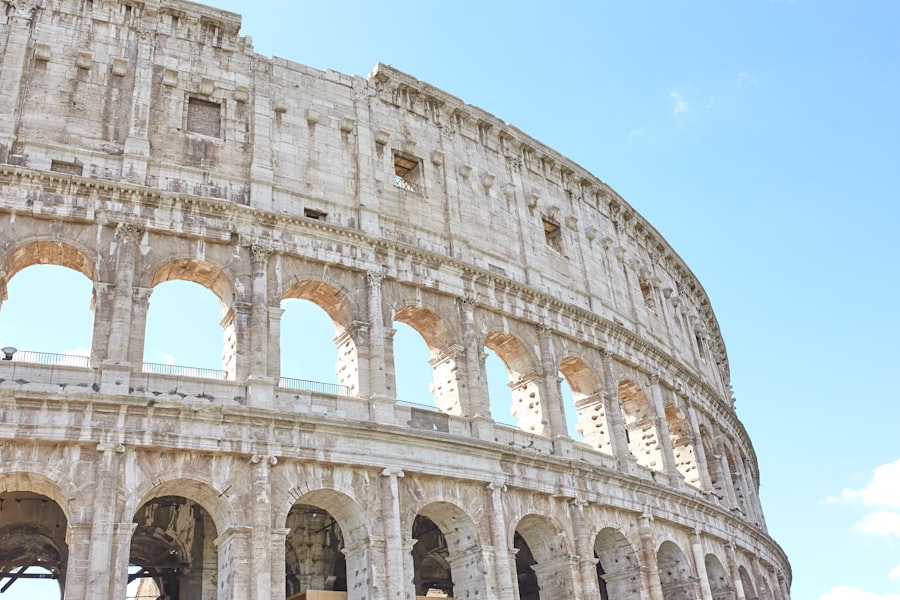
- The Colosseum, Roman Forum, and Palatine Hill: Buy a combined online ticket (around €24). Go at opening time (8:30 AM) for cooler temps and fewer crowds.
- The Vatican Museums & St. Peter's Basilica: Reserve a timed entry slot for the Museums. According to TripAdvisor, early morning or late afternoon Friday tickets have the highest satisfaction ratings for avoiding crowds.
- The Pantheon: Since 2026, a small reservation fee (€5) might still be in effect for peak times. Check online.
- Trevi Fountain and Spanish Steps: Visit at dawn for a magical, crowd-free experience. It's worth the early alarm.
- Explore a Market: Dive into local life at Mercato Testaccio for food or Porta Portese for eclectic Sunday shopping.
Must-See Ancient Sites Beyond the Colosseum
Don't miss the Baths of Caracalla, a sprawling complex that showcases Roman engineering. For a truly immersive experience, take a short bus ride to the Appian Way and explore the catacombs.
Vatican City Highlights
Moving on to the Vatican, prioritize the Sistine Chapel and St. Peter's Dome climb. Dress code is strictly enforced: covered shoulders and knees for all.
Where to Eat: Savoring Authentic Roman Cuisine
Roman food is hearty and delicious. Avoid tourist traps by stepping away from main squares. Look for phrases like "cucina romana" and busy tables with locals. Pro tip: I once followed a waiter carrying trays of food to a backstreet trattoria in Trastevere and had the best cacio e pepe of my life. Don't be afraid to explore.
- Classic Dishes to Try: Cacio e Pepe (cheese & pepper pasta), Carbonara, Supplì (fried rice balls), Carciofi alla Romana (artichokes), and Pizza al Taglio (by the slice).
- Budget Eats: Pizza al Taglio from *Antico Forno Roscioli* (€4-5 a slice) or a trapizzino (stuffed focaccia) from *Trapizzino* in Testaccio.
- Mid-Range Trattorias: *Da Enzo al 29* in Trastevere for pasta (€12-15 per dish) or *Flavio al Velavevodetto* in Testaccio for classic mains.
- Gelato: Seek out gelaterias with natural colors. *Gelateria del Teatro* or *Fatamorgana* are superb choices (€3-5 for a cone).
Traveler’s Warning: Be extremely vigilant against pickpockets, especially on crowded Metro cars (particularly Line A near the Vatican), buses, and at major attractions like the Trevi Fountain. Keep bags zipped and in front of you, and never leave phones or wallets on outdoor cafe tables. Scams often involve strangers creating distractions.
Pro Tips for a Smooth Roman Holiday
Now let's talk about insider advice to elevate your trip. First, make restaurant reservations for dinner, especially on weekends. Romans eat late, so booking for 8:30 PM is common. Second, many state-run museums and sites are free on the first Sunday of the month, but expect massive crowds. Third, learn a few Italian phrases; a simple "buongiorno" (good day) goes a long way.
If you're wondering about money, most places accept card, but always carry €50 in cash for small shops, markets, and tipping. Tipping is not mandatory; round up the bill or leave 5-10% for exceptional service. This first-timer's guide to Rome 2026 emphasizes that planning is key, but so is leaving room for spontaneous exploration. Get delightfully lost in the cobblestone alleys.
Final Thoughts on Your 2026 Journey
Rome is a city that rewards the curious traveler. With this first-timer's guide to Rome 2026, you're equipped with the knowledge to dive deep into its wonders. Remember to balance iconic checklist items with leisurely espresso people-watching. The magic of Rome lies as much in its grand monuments as in its daily rhythms. Start planning, book those core tickets early, and get ready for the trip of a lifetime. This comprehensive first-timer's guide to Rome 2026 is your first step toward an incredible Roman holiday.

Lars Lindgren puts together detailed guides to cities and regions, drawing on his own travels to flag the things worth your time. He focuses on clear, honest advice that holds up once you are actually on the ground.
💬 Comments (0)
No comments yet. Be the first!