
Ultimate Dubai Travel Guide 2026
Plan your trip with the ultimate Dubai travel guide 2026. Get insider tips on attractions, transport, and where to stay.
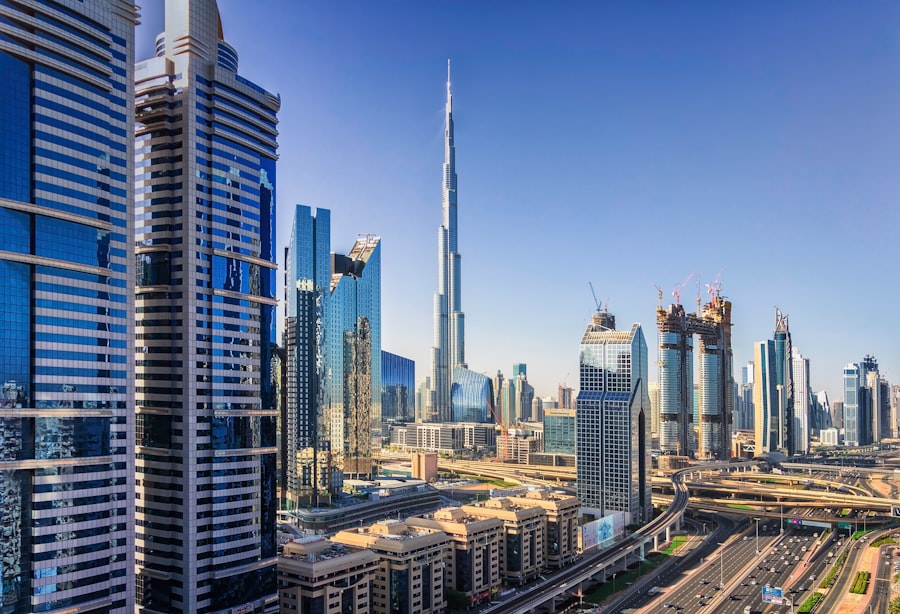
Your Dubai travel guide 2026 starts here: a city that never stops reinventing itself, from hyper-modern skyscrapers to ancient souks. You will find that Dubai balances futuristic ambition with deep-rooted tradition, and I recommend you pack comfortable walking shoes and a sense of adventure. Whether you are a first-time visitor or a returning traveler, 2026 brings fresh attractions, updated transport routes, and smart ways to stretch your dirham. This guide cuts through the hype and delivers practical, on-the-ground advice.
Getting to Know Dubai in 2026
Dubai is divided into distinct neighborhoods, each with its own personality. Downtown Dubai houses the Burj Khalifa and Dubai Mall. You will find luxury hotels and high-end dining here. Dubai Marina offers a vibrant waterfront with skyline views and nightlife. Deira and Bur Dubai preserve the city's trading heritage with spice souks, gold markets, and bustling street life. For beaches, head to Jumeirah Beach Residence (JBR) or the man-made islands of Palm Jumeirah. If you are wondering about the best base for your trip, I recommend staying in Dubai Marina for easy access to the metro and beach, or in Downtown if you want to be at the epicenter of attractions.
When to Visit: Weather and Crowds
November through March remains the sweet spot, with daytime highs around 25-30°C (77-86°F). In 2026, the Dubai Shopping Festival begins in December and extends into January. Summer months (June-August) are scorching at 45°C, but air-conditioned malls and indoor theme parks make it bearable. Pro tip for you: book your accommodation at least four months ahead if you plan to visit during the Expo City reopening events in October 2026. According to Booking.com data, average hotel rates in peak winter are 20% higher than in summer.
Top Things to Do in Dubai
Now let's talk about must-see experiences that define this city. You will never run out of options, but these five stand out for 2026.
- Scale the Burj Khalifa. The observation deck "At the Top" on levels 124 and 125 costs AED 169 for non-peak hours. I suggest booking the sunset slot two weeks in advance on TripAdvisor (4.5-star rating).
- Explore the historic Al Fahidi neighborhood. Wander through wind-tower houses, visit the Dubai Museum, and then hop on an abra (traditional boat) across Dubai Creek for just AED 2.
- Shop and dine at Dubai Mall. It is the world's largest shopping center by area. Allow half a day just to see the aquarium, ice rink, and indoor waterfall.
- Take a desert safari. Dune bashing, camel rides, and a BBQ dinner under the stars. Reputable operators like Arabian Adventures offer packages from AED 250 per person.
- Visit Palm Jumeirah. Ride the Palm Monorail (AED 15) to the Atlantis, The Palm. In 2026, the new Infinity Pool at the Royal Palm Beach Club opens to non-guests for a day fee of AED 200.
Hidden Gems You Should Not Miss
If you are craving something off the beaten path, head to the Coffee Museum in Al Fahidi or stroll through the Dubai Design District (d3). For a quiet escape, the Al Qudra Lakes cycle track offers a 50-km loop with free entry. Pro tip: rent a bicycle from the kiosk at the lake entrance for AED 30 per hour.
How to Get Around
Dubai's public transport is efficient, cheap, and covers most tourist zones. The metro remains the backbone. The Red Line runs along Sheikh Zayed Road from the airport to Dubai Marina and beyond. The Green Line serves Deira and Bur Dubai. Single journey tickets cost between AED 4 and AED 8.50 depending on distance. For unlimited travel, buy a Nol Silver Card (AED 25 initial fee, plus top-up) and load a daily pass for AED 35.
- Dubai Metro: Operates 5:30 am to midnight (until 1 am on weekends). Trains are spotless and have dedicated women-only carriages.
- Trams: The Dubai Tram connects the Marina to Jumeirah Beach Residence and aligns with metro stations at Sobha Realty and DMCC. Tickets start at AED 4.
- Ride-hailing: Uber and Careem are everywhere. A 15-minute ride costs roughly AED 30-50. Taxis are metered; expect a minimum charge of AED 12.
- Public buses: Useful for reaching areas without metro access. Buses run from the Al Ghubaiba and Union stations. Fares are AED 4 per journey.
Money-Saving Secret: Buy a Nol Silver Card on your first day and load it with AED 100. This covers three full days of unlimited metro, tram, and bus rides. A single taxi trip from the airport to Downtown can cost AED 80-100, but the metro from Terminal 3 to Burj Khalifa costs only AED 8.50. In 2026, the RTA also offers a digital Day Pass via the S'hail app for AED 25, saving you the physical card fee.
Where to Eat
Dubai is a food paradise with cuisines from over 200 nationalities. You will find everything from street-side shawarma to Michelin-starred tasting menus. Prices vary widely. For affordable eats, head to Al Reef Bakery in Deira for fresh manakish (starts AED 5). For mid-range dining, the food courts in Dubai Mall feature global chains, but I recommend trying local Emirati cuisine at Al Fanar Restaurant in Festival City (mains around AED 70-90).
- Budget bites: Ravi Restaurant in Satwa serves excellent Pakistani curry and naan for under AED 25. Fill your plate and eat outside at the plastic tables.
- Mid-range options: Pierchic at the Al Qasr Hotel offers seafood with view of the Burj Al Arab. Lunch set menu AED 195. Reservations required.
- Splurge worthy: Ossiano at Atlantis, The Palm delivers underwater dining. The tasting menu runs AED 650 per person. Check TripAdvisor for current specials - many reviewers praise the lobster bisque.
- Street food: Karak chai (spiced milk tea) is a local staple. Grab a cup at any cafeteria for AED 1-2. Follow it with a falafel wrap from Al Mallah Restaurant in Jumeirah 3 (AED 15).
Practical Tips for Your 2026 Trip
Now let's cover the essentials that will make your journey smooth. Dubai is very safe, but you must respect local laws. Dressing modestly in public places (shoulders and knees covered) is recommended, especially in malls and government buildings. Alcohol is only served in licensed venues. You will find plenty of cafes and shisha lounges that stay open late. The official currency is the UAE dirham (AED), and almost everywhere accepts credit cards. Tipping is not compulsory but 10% is appreciated in restaurants if service charge is not included.
Packing for Dubai in 2026
Your suitcase should include light, breathable fabrics for daytime, a light jacket or shawl for air-conditioned interiors, and one smart-casual outfit for fine dining. Sunscreen, sunglasses, and a hat are non-negotiable. If you plan to visit mosques, women will need a long-sleeved dress or an abaya (available for purchase at many souks for AED 80). Pro tip for you: bring a reusable water bottle. Many shopping malls in 2026 have installed free water refill stations, and tap water in Dubai is safe to drink after filtration.
Where to Stay: Neighborhoods and Budgets
If you are wondering about accommodation, here is a breakdown by budget and vibe. In 2026, new hotels have opened on the Palm and along the Bluewaters Island. Use Booking.com to compare prices - average rates for a 4-star hotel in Dubai Marina range from AED 350 to AED 700 per night. For budget travelers, hostels and guesthouses in Bur Dubai cost as little as AED 100 per night. Luxury seekers should look at the Jumeirah chain or the Armani Hotel in Burj Khalifa. Pro tip: book a room with a view of the fireworks show on New Year's Eve - but expect prices to triple.
| Neighborhood | Best for | Price range (per night) |
|---|---|---|
| Downtown Dubai | First-time visitors, landmark views | AED 400 - 1,500 |
| Dubai Marina | Beach lovers, nightlife | AED 350 - 1,200 |
| Deira | Budget travelers, authentic souks | AED 100 - 300 |
| Palm Jumeirah | Ultra-luxury, resort stays | AED 800 - 3,000+ |
Final Words: Your Dubai Travel Guide 2026 Awaits
This Dubai travel guide 2026 gives you the practical framework to explore without stress. The city is built for convenience, and with the tips above, you will navigate it like a local. Remember to download the official Dubai Tourism Board app for live events and promotions, and always carry your Nol card. Whether you are watching the sunset from a dune or sipping tea in a centuries-old wind-tower house, Dubai in 2026 rewards curious travelers. Enjoy every moment, and do not hesitate to ask a local - the city is full of friendly expats and Emiratis who love to share their home.
Frequently Asked Questions
When is the best time to visit Dubai in 2026?
The best time to visit Dubai in 2026 is from November to March, when the weather is pleasant for outdoor activities.
Do I need a visa for Dubai in 2026?
Many nationalities can enter Dubai visa-free for up to 30 or 90 days; check with UAE immigration for your specific country before traveling.
What is the local currency and how should I pay in Dubai?
The local currency is the UAE Dirham (AED), and credit cards are widely accepted; cash is useful for taxis and small shops.
Is Dubai expensive for tourists in 2026?
Dubai offers options for all budgets, from luxury stays to affordable hostels and street food, though some attractions and resorts can be pricey.
What are the top attractions to visit in Dubai in 2026?
Must-see attractions include the Burj Khalifa, the Dubai Mall, Palm Jumeirah, and new 2026 developments like the Riyadh-connected Expo City.
Isabella Conti writes in-depth travel guides that turn a new destination into familiar ground. She covers what to see, when to go and how to make the most of your time, with practical detail you can actually use.
💬 Comments (0)
No comments yet. Be the first!