Cork Travel Guide 2026: The Best Local Tips
This Cork Travel Guide 2026 reveals the best culinary spots, historic castles, and scenic coastal lookouts in southern Ireland.
If you are planning a trip to Ireland's southern capital, this comprehensive Cork Travel Guide 2026 is your ultimate roadmap to exploring a city that locals proudly call the real capital of Ireland. In 2026, Cork has solidified its reputation as a premier European destination, combining a rich maritime history with a cutting-edge food scene and a wonderfully laid-back charm. Whether you are wandering through its medieval laneways, tasting artisanal cheeses at historic markets, or using the city as a gateway to the dramatic cliffs of the Wild Atlantic Way, this guide will ensure you experience Cork like a true local.
Why Cork is the Must-Visit Irish Destination in 2026
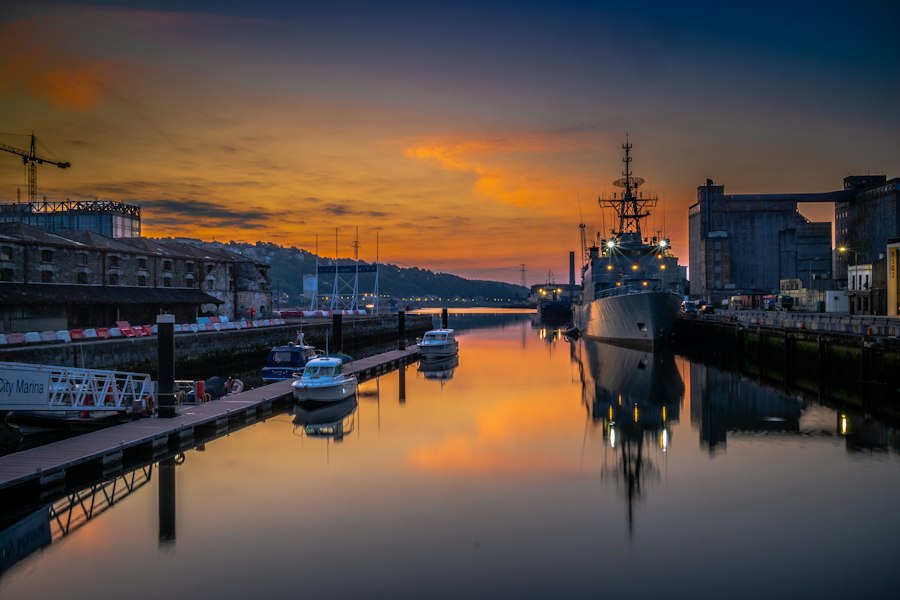
Cork is a city of islands, built across the channels of the River Lee. This unique geography gives the city center a distinctive waterfront character, connected by dozens of elegant bridges. While Dublin often gets the initial attention from international visitors, Cork offers a much more authentic, intimate, and manageable Irish experience. It is a place where independent boutiques thrive, traditional music sessions happen nightly in cozy pubs, and the locals are always ready for a friendly chat.
According to recent visitor data from the official Irish tourism board, Cork has seen a significant rise in sustainable travel initiatives, making it easier than ever to explore the city with a minimal carbon footprint. From pedestrianized city streets to expanded bike-share networks, the city is perfectly primed for modern travelers in 2026.
Top Things to Do in Cork
When planning your itinerary with this Cork Travel Guide 2026, you will want to balance your time between historic landmarks, cultural hubs, and scenic outdoor spaces. The city center is incredibly compact, meaning you can easily tick off major sights on foot.
To help you prioritize your sightseeing, here is a curated list of the best experiences the city has to offer:
- Ring the Shandon Bells: Head to St. Anne's Church in the historic Shandon district. For a small entry fee of around 6 Euros, you can climb the tower and actually ring the massive church bells yourself using numbered music sheets, all while enjoying a 360-degree view of the city.
- Explore the English Market: Operating since 1788, this spectacular covered food market is the beating heart of Cork's culinary scene. You will find everything from fresh local seafood and organic cheeses to traditional spiced beef.
- Visit the Cork City Gaol: Located in the leafy suburb of Sunday's Well, this castle-like former prison offers a fascinating, albeit eerie, look at 19th-century penal life. Standard adult admission tickets hover around 11 Euros.
- Take a Day Trip to Cobh: Just a short train ride away, this picturesque colorful port town was the final port of call for the Titanic in 1912. You can visit the Titanic Experience museum and marvel at the towering St. Colman's Cathedral.
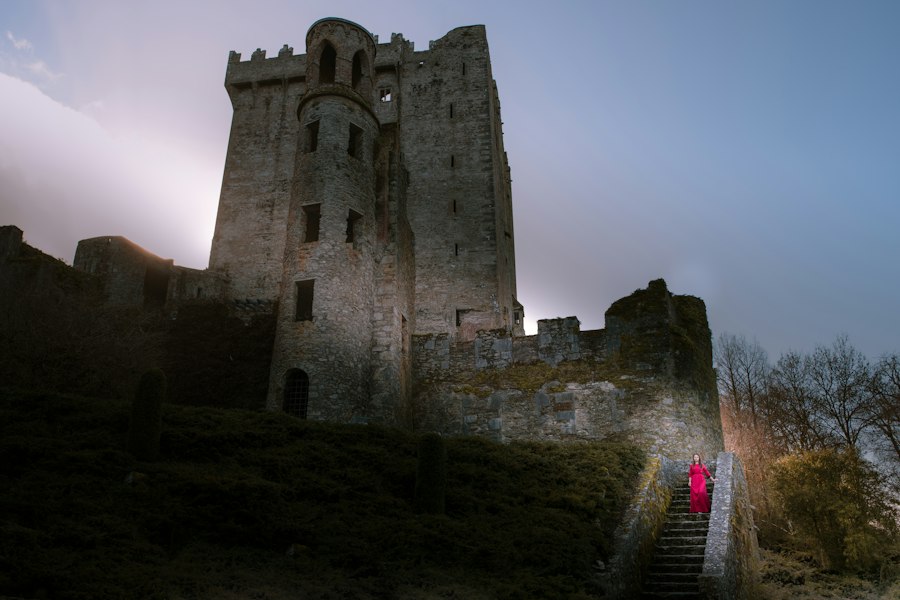
- Kiss the Blarney Stone: Located just 8 kilometers northwest of the city, Blarney Castle is a must-visit. Climb to the battlements to kiss the famous stone and receive the gift of eloquence, then spend hours wandering the magnificent castle gardens.
Traveler’s Warning: When visiting Blarney Castle, always book your tickets online in advance. During the peak summer months of 2026, queues to kiss the stone can easily exceed two hours. To beat the crowds, catch the 215 public bus from Parnell Place Bus Station at 8:00 AM so you arrive right as the castle gates open at 9:00 AM.
Where to Eat and Drink: The Food Capital of Ireland
If you're wondering about Cork's culinary reputation, you will be pleased to know it is widely regarded as the food capital of Ireland. The city's proximity to rich agricultural land and pristine Atlantic waters means local chefs have access to world-class ingredients.
Moving on to the best dining spots, here are some highly recommended eateries that consistently receive top TripAdvisor ratings for their exceptional quality and service:
- The Farmgate Cafe: Located on the gallery level inside the English Market, this is the perfect spot to try traditional Cork dishes like tripe and drisheen, or a comforting bowl of Irish lamb stew (Prices: 12 to 22 Euros for mains).
- Paradiso: A legendary fine-dining vegetarian restaurant on Lancaster Quay. Chef Denis Cotter delivers complex, flavor-packed dishes that will impress even the most dedicated meat-eaters (I recommend booking weeks in advance).
- Elbow Lane Brew and Smokehouse: A cozy, bustling spot on Oliver Plunkett Street offering incredible slow-cooked meats, ribs, and their own craft beers brewed on-site (Mains range from 18 to 30 Euros).
- The Crane Lane Theatre: For a post-dinner drink, this historic venue tucked away in a side alley off Oliver Plunkett Street offers great local beers, a fantastic heated outdoor area, and live music almost every night.
Neighborhood Guide: Where to Stay in 2026
Choosing the right neighborhood can make a huge difference in your travel experience. According to current Booking.com availability trends for 2026, boutique guesthouses and eco-friendly hotels are booking out faster than ever, so securing your accommodation early is highly recommended.
The Victorian Quarter
Located along MacCurtain Street, this trendy neighborhood is perfect for travelers who love independent cafes, vintage shops, and lively gastropubs. It is just a five-minute walk from the main train station, making it incredibly convenient for day trips. You will find a great mix of beautifully restored Victorian hotels and stylish budget hostels here.
The Marsh and City Center
If you want to be right in the middle of the action, look for accommodation around the Grand Parade, South Mall, or St. Patrick's Street. Staying here means you are steps away from the English Market, major shopping districts, and top cultural venues. It is highly walkable, though room rates tend to be slightly higher in this premium zone.
Shandon and the Northside
For a quieter, more historic atmosphere, consider staying on the north side of the River Lee in the Shandon area. This neighborhood features steep, narrow streets, historic stone architecture, and stunning views looking down over the river channels. It offers a more residential, local feel while still being close to the city center.
How to Get Around Cork
Navigating Cork is relatively straightforward once you understand the layout of the river channels. While the city center is best explored on foot, you will need to use public transit or local services to reach outlying attractions.
This Cork Travel Guide 2026 transit breakdown will help you navigate the city smoothly:
- By Foot: The absolute best way to see the city center. Most major attractions, from the English Market to the Victorian Quarter, are within a 15-minute walk of each other.
- Public Buses: Bus Eireann operates an extensive network of red city buses. The most useful routes for tourists include the 205 (connecting the train station to University College Cork) and the 215 (running from the city center to Blarney). A single cash fare is around 2.20 Euros, but you can save 30% by using a Leap Card.
- The TFI Leap Card: I recommend you purchase a Leap Card at any local convenience store. It is a prepaid smart card that works on all city buses and commuter trains, offering cheaper fares and seamless transfers.
- Commuter Trains: Irish Rail operates frequent trains from Kent Station to scenic coastal towns like Cobh and Midleton (home of the Jameson Distillery). A return ticket to Cobh costs roughly 6.50 Euros and the journey takes just 25 minutes.
- Taxis: You will find taxi ranks outside Kent Station and on Patrick Street. Alternatively, you can use ride-hailing apps like Free Now to easily book a licensed local taxi.
Money-Saving Secrets and Local Tips
Now let's talk about how to make your budget stretch further during your Irish holiday. Cork can be expensive, but with a few local insider strategies, you can enjoy a world-class experience without breaking the bank.
Pro tip for you: If you are planning to visit several paid attractions, consider skipping the expensive individual entry tickets. Instead, take advantage of the many free cultural institutions in the city. The Crawford Art Gallery on Emmet Place is completely free to enter and houses a magnificent collection of national and international art. Similarly, walking the beautiful grounds of University College Cork, including the famous Honan Chapel and the historic Ogham Stones corridor, costs absolutely nothing.
Furthermore, when dining out, look for "Early Bird" menus, which are typically offered by mid-to-high-end restaurants between 5:00 PM and 6:30 PM. These menus often offer two or three courses for a fraction of the standard a la carte dinner prices, allowing you to sample Cork's famous gourmet food scene on a budget.
Your Perfect 2026 Cork Itinerary
To wrap up this Cork Travel Guide 2026, let's look at how to structure a perfect weekend in the city. On your first morning, fuel up with a coffee on MacCurtain Street, then cross the river to explore the English Market. Grab lunch upstairs at the Farmgate Cafe, then spend your afternoon climbing the Shandon Bells and exploring the historic Butter Museum nearby. In the evening, head to Oliver Plunkett Street for a traditional music session at An Spailpin Fanach.
On your second day, take the morning commuter train out to Cobh to explore Ireland's maritime past. Return to the city for a late lunch, then spend your afternoon strolling through the tranquil Fitzgerald Park and crossing the famous Daly's Bridge, known locally as the Shaky Bridge. Finish your weekend with a memorable dinner at Paradiso or Elbow Lane.
Cork is a city that captures your heart with its warmth, its creative energy, and its incredible pride. By following the advice in this Cork Travel Guide 2026, you are guaranteed to experience the very best that this magical Irish city has to offer.
Frequently Asked Questions
What is the best time of year to visit Cork?
Late spring to early autumn offers the mildest weather and the most lively festivals. May, June, and September are ideal if you want fewer crowds.
How do I get around Cork without a car?
Cork city is very walkable, and buses cover most neighborhoods and nearby towns. For day trips, trains and buses from Kent Station are reliable and affordable.
What local foods should I try in Cork?
Don't miss the English Market for fresh seafood, spiced beef, and artisan cheeses. Also try drisheen, a traditional Cork blood sausage, in a local pub.
What are the best day trips from Cork?
Cobh, Kinsale, and Blarney Castle are easy and rewarding day trips from the city. For coastal scenery, head to the Ring of Kerry or the Beara Peninsula further afield.
Do I need cash in Cork, or are cards accepted?
Cards and contactless payments are widely accepted in Cork, including most pubs and shops. Still, carry a small amount of cash for small vendors and rural spots.

Lars Lindgren puts together detailed guides to cities and regions, drawing on his own travels to flag the things worth your time. He focuses on clear, honest advice that holds up once you are actually on the ground.
💬 Comments (0)
No comments yet. Be the first!