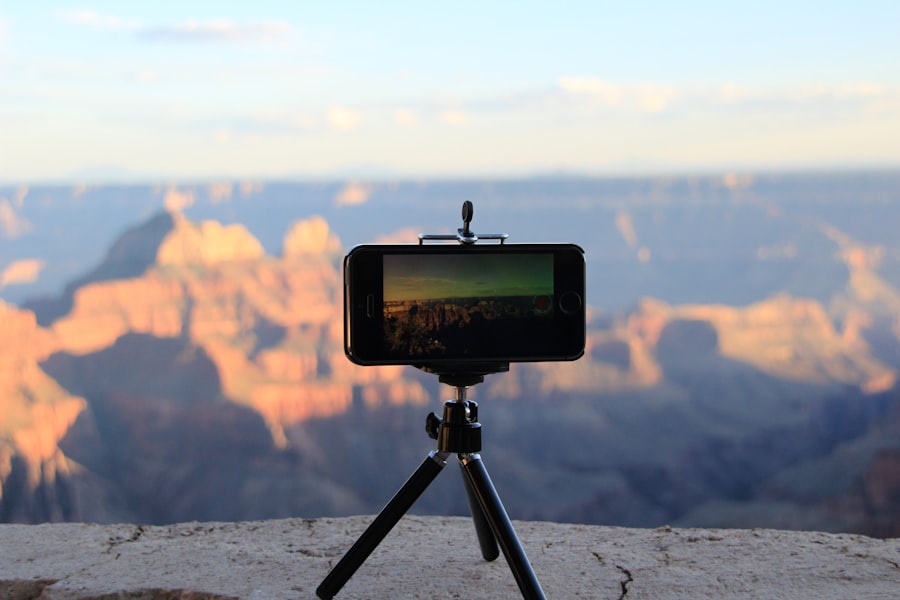
Bologna Street Photography Guide 2026
Capture the essence of Italy's food capital with this expert Bologna street photography guide, perfect for 2026 travelers.
Bologna street photography guide: Capturing the Heart of Emilia-Romagna in 2026
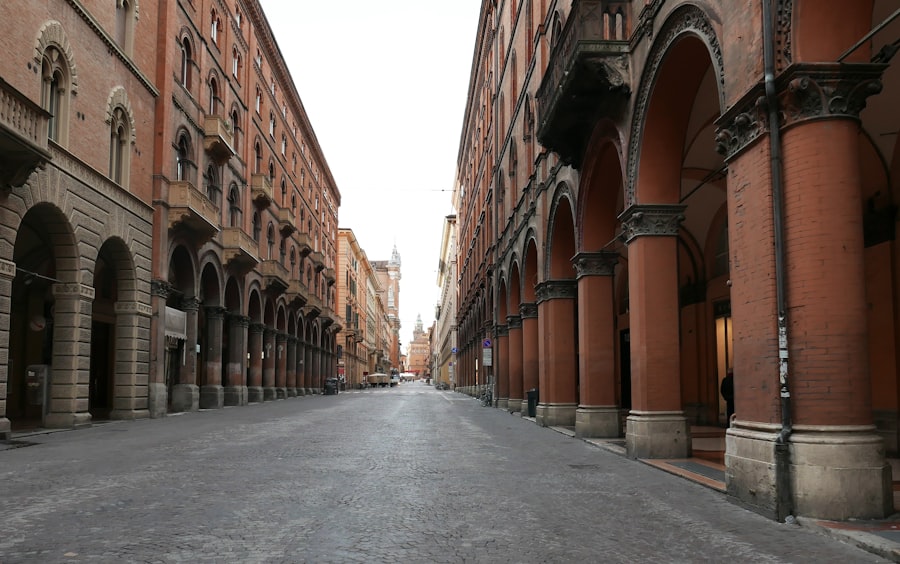
If you are looking to refine your visual portfolio, this Bologna street photography guide is designed to help you navigate the rich, ochre-hued corridors of Italy's most photogenic city. By 2026, Bologna has cemented its reputation as a sanctuary for photographers who appreciate the interplay of medieval architecture and vibrant, modern urban life. You will find that the city offers a unique canvas, defined by its world-famous porticoes, sun-drenched piazzas, and a palpable sense of history that remains untouched by the frantic pace of larger tourist hubs.
When you walk the streets of Bologna, you are effectively stepping into an open-air museum. The city is dense, walkable, and filled with golden light that dances off the terracotta facades. To get the best shots, you should aim for the "golden hour" sessions when the shadows stretch long beneath the archways, providing depth and contrast for your street portraits.
Best Neighborhoods for Street Photography
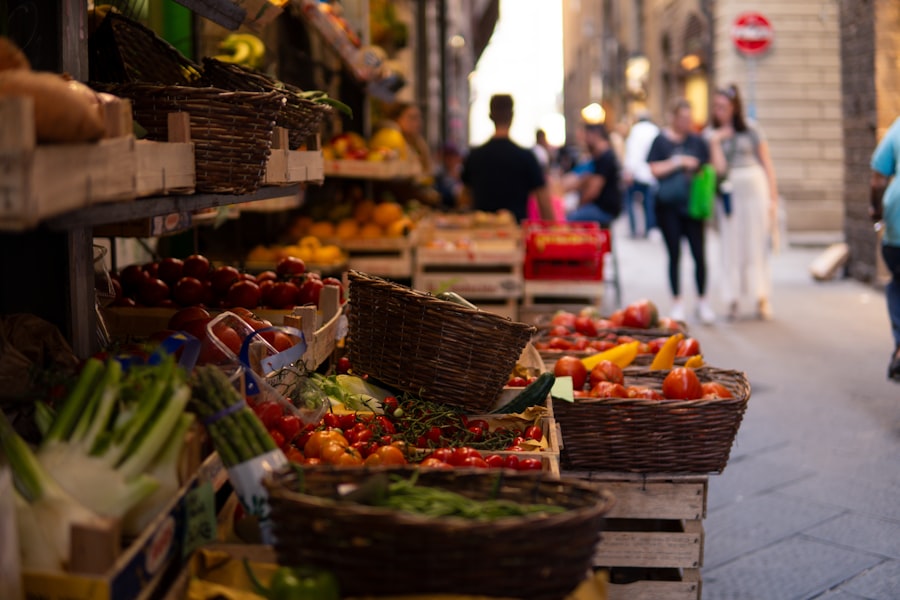
Your journey should begin in the Quadrilatero, the oldest part of the city. Here, the narrow alleys are packed with artisanal markets and food stalls. The sensory overload is perfect for capturing candid street moments. Moving on to the University District, you will discover a more youthful, rebellious energy. The walls are covered in colorful street art and the cafes are brimming with students, making it an excellent spot for lifestyle photography.
If you want to capture the grandeur of the city, head toward the Piazza Maggiore. This is the central heartbeat of Bologna. In 2026, the area is bustling with locals, street performers, and travelers from around the globe. You should position yourself near the Fountain of Neptune for a classic composition that frames the ancient statues against the backdrop of modern city life. If you are wondering about the best vantage point, the terraces near the Basilica di San Petronio offer a stunning view of the city skyline, which is particularly beautiful during sunset.
Essential Gear and Technical Tips
For this Bologna street photography guide, I recommend you travel light. A mirrorless camera with a versatile 35mm or 50mm prime lens will allow you to blend into the crowds without being intrusive. Because the porticoes create dramatic light transitions—moving from bright squares to deep, shaded walkways—you should keep your camera settings in manual mode to handle the rapid changes in exposure.
Pro tip for you: Invest in a circular polarizer. It will help you cut the glare from the shop windows and the occasional rainy pavement, allowing the rich colors of the city architecture to pop in your final edits. If you are shooting during the peak heat of July, ensure your memory cards are high-speed, as the midday sun can be relentless and you will want to capture fast-moving subjects quickly.
Traveler's Warning: While Bologna is generally safe, always keep a close watch on your camera bag in the high-density tourist zones near the train station and the main bus terminals. Pickpockets are opportunistic in 2026, so utilize a secure, slash-proof camera strap to protect your gear while you focus on framing your next perfect shot.
How to Get Around
Navigating the city is remarkably straightforward. Most of the historic center is restricted to traffic, which is a major benefit for street photographers. Here is how you can easily move between neighborhoods:
- Walking: This is the primary mode of transit. Most attractions are within a 20-minute walk.
- Tper Bus System: Excellent for reaching the Sanctuary of San Luca. Tickets cost approximately 1.50 to 2.00 euros.
- Bicycle Rentals: Many local shops offer rentals starting at 12 euros per day, perfect for cruising the wider boulevards.
- Marconi Express: Connects the airport to the city center in just 7 minutes for roughly 12 euros.
Top Things to Do
Beyond the photography, you should immerse yourself in the local culture to really understand the soul of this city. According to current travel rankings and traveler feedback, these activities are essential for any visitor:
- Climb the Asinelli Tower for a panoramic view of the red rooftops.
- Explore the Archiginnasio of Bologna, one of the oldest university buildings.
- Wander the portico leading to the Sanctuary of San Luca, the longest in the world.
- Spend an evening in the Piazza Santo Stefano, often called the Square of the Seven Churches.
Where to Eat
You cannot have a complete Bologna street photography guide without mentioning the culinary scene. After a long day of shooting, you need to refuel with authentic local cuisine. Prices for a hearty meal usually range from 15 to 35 euros at most traditional trattorias.
- Osteria dell'Orsa: A classic spot with communal tables, perfect for people-watching.
- Tamburini: An iconic deli where you can grab a quick lunch and capture the vibrant food displays.
- Sfoglia Rina: Renowned for fresh pasta; expect a line, but the visual of pasta making is worth it.
- Gelateria Gianni: A must-visit for a mid-afternoon treat while editing your photos on a park bench.
Advanced Techniques for 2026
Now let's talk about leveling up your composition. Bologna is a city of layers. You should look for opportunities to shoot through the arches of the porticoes to create natural frames for your subjects. This layering technique adds a sense of depth to your images that is characteristic of high-quality urban photography. If you are struggling with busy backgrounds, try dropping your aperture to f/1.8 or f/2.0 to soften the urban clutter and make your subject stand out.
As you progress through your trip, remember that street photography is about patience. Do not feel pressured to capture the perfect image immediately. Spend time in one location, such as the steps of a cathedral or the corner of a bustling bakery, and wait for the "decisive moment" when the light, the subject, and the background align perfectly. Many highly-rated spots on booking platforms show that visitors who stay longer in the historic core tend to produce much more compelling visual content.
Finally, respect the local privacy laws. While Italy is generally open to street photography, always be mindful when taking close-up portraits of locals. A friendly smile and a nod are usually enough to bridge the gap. By following this Bologna street photography guide, you are sure to leave with a collection of images that capture the timeless, golden elegance of one of Italy's most enchanting cities. Keep your camera ready, your aperture wide, and your eyes open for the hidden beauty that resides in every corner of this magnificent urban landscape.
Frequently Asked Questions
What are the best streets in Bologna for street photography in 2026?
Via Indipendenza and the Quadrilatero district offer vibrant street life, while Via del Pratello is perfect for capturing authentic local scenes.
Which lens is recommended for street photography in Bologna?
A 35mm or 50mm prime lens is ideal for its unobtrusive nature and ability to capture both architecture and candid moments.
Do I need a permit to photograph on Bologna's streets?
No permit is needed for casual street photography, but avoid photographing sensitive sites or for commercial use.
What time is best for shooting in Bologna?
Early morning and late afternoon offer the best light, with fewer crowds, especially around Piazza Maggiore and the oldest market streets.
How should I handle people photography in Bologna?
Politely ask merchants or subjects if you intend close-ups; otherwise, blend in with the crowd and shoot discreetly.

Isabella Conti writes in-depth travel guides that turn a new destination into familiar ground. She covers what to see, when to go and how to make the most of your time, with practical detail you can actually use.
💬 Comments (0)
No comments yet. Be the first!