Barcelona Neighborhood Guide 2026
Discover the best areas in Barcelona with our 2026 neighborhood guide. From Gothic Quarter to Gràcia, find where to stay, eat, and explore.
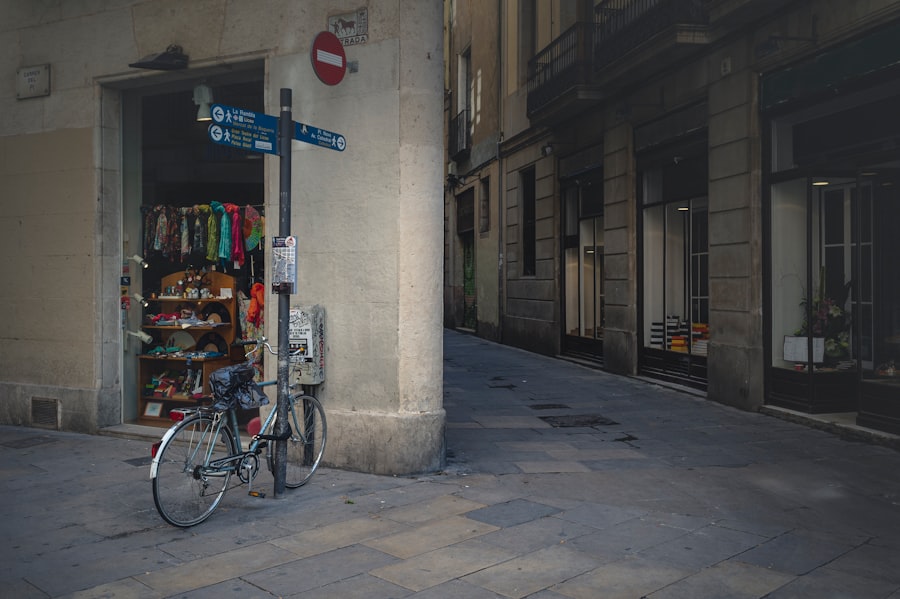
This Barcelona neighborhood guide for 2026 will help you navigate the city like a local, whether you are visiting for the first time or returning to uncover deeper layers of Catalan culture. Barcelona is not a single destination — it is a collection of vibrant, distinct districts, each with its own rhythm, architecture, and culinary identity. I have spent countless hours wandering these streets, and I can tell you that choosing the right area will transform your entire trip. This Barcelona neighborhood guide focuses on practical, up-to-date advice for the year ahead, including specific metro lines, realistic price ranges, and insider tips you will not find in a standard brochure.
In 2026, the city continues to refine its public transport network and pedestrian zones, so old travel guides from even two years ago are already outdated. You will find that new bike lanes, expanded metro hours, and shifting restaurant scenes mean you need current information. I recommend you read each section carefully and match the neighborhood to your travel style — whether you crave beachside relaxation, bohemian street art, or modernist architecture. According to the official Barcelona Tourism Board, visitor numbers are expected to remain steady in 2026, but accommodation prices have risen by roughly 8% compared to 2023, making advance booking essential. On Booking.com, apartments in central districts now average 180–250 EUR per night in peak season, so planning ahead saves real money.
Gracia — The Bohemian Heart of Barcelona
If you are wondering about a neighborhood that feels like a small town inside a big city, Gracia is your answer. This district sits just north of the Eixample and has long been a magnet for artists, musicians, and independent thinkers. The narrow streets are lined with independent boutiques, intimate plazas, and family-run tapas bars that have been serving the same recipes for decades. In 2026, Gracia remains wonderfully resistant to mass tourism. You will not find chain stores here — instead, you discover hand-painted ceramics, vintage clothing shops, and tiny galleries tucked behind wrought-iron gates.
Where to Eat in Gracia
Eating in Gracia is a pleasure because the neighborhood prioritizes quality over flash. You can find a full meal with a drink for 15–25 EUR per person at most mid-range spots. For a classic experience, head to La Pepita on Carrer de les Carolines for their signature montaditos and vermouth. If you prefer something more modern, Gracia Food Market on Placa de la Llibertat offers fresh produce and prepared dishes from local vendors. Here is a quick list of where to focus your dining budget:
- La Pepita — Montaditos and vermouth for 12–18 EUR per person. Arrive before 1:30 PM to avoid the lunch queue.
- Can Tomas — Famous for its fried artichokes and patatas bravas. A full meal runs 20–25 EUR.
- Placa del Sol — Grab takeaway from nearby bakeries and picnic on the square. A baguette with jamon and cheese costs about 5 EUR.
Pro Tip: I once spent an entire afternoon hopping between three different plazas in Gracia — Placa del Sol, Placa de la Vila, and Placa de la Revolucio. Each has a different vibe, and the best move is to buy a bottle of local wine (under 6 EUR at any corner store) and sit on the steps people-watching. Do not rush this neighborhood; let it unfold.
El Born — History Meets Modern Cool
Moving on to El Born, you step into a district where medieval alleyways collide with contemporary art galleries and world-class cocktail bars. This area sits just east of the Gothic Quarter and is anchored by the stunning Basilica de Santa Maria del Mar. In 2026, El Born continues to be one of the most photographed neighborhoods in Barcelona, and for good reason. The streets are narrow, the buildings are ancient, and every corner reveals a new surprise — a hidden courtyard, a mosaic facade, or a tiny workshop selling handmade leather goods.
Top Things to Do in El Born
This neighborhood rewards those who wander without a strict plan. But if you want structure, here are the top things to do during your visit:
- Visit the Basilica de Santa Maria del Mar — Entry is free before 1 PM on weekdays. The Gothic architecture is breathtaking, and the acoustics are phenomenal during occasional concerts.
- Explore the Museu de Cultures del Mon — Housed in a former medieval palace, this museum offers a global perspective with artifacts from Asia, Africa, and the Americas. Admission is 6 EUR.
- Shop at El Born Centre de Cultura i Memoria — This cultural center includes a market, exhibition spaces, and a lovely courtyard cafe. It is also where you can see remnants of the 1714 siege of Barcelona.
- Walk Carrer de Montcada — This street is lined with medieval palaces that now house galleries and showrooms. Many are free to enter.
If you are wondering about budget, most attractions in El Born cost between 0 and 12 EUR. A coffee at a sidewalk cafe runs about 2.50 EUR, and a full dinner with wine at a mid-range restaurant averages 30–40 EUR per person. On TripAdvisor, El Born consistently earns 4.5 stars for its walkability and authentic atmosphere, making it a top choice for travelers who want history without the overwhelming crowds of the Gothic Quarter.
Barceloneta — Beach Living and Fresh Seafood
Now let's talk about Barceloneta, the neighborhood that brings you straight to the Mediterranean. This former fishing village sits on a narrow peninsula jutting into the sea, and its grid of low-rise buildings leads directly to the city's most famous beach. In 2026, Barceloneta remains the go-to spot for sun, sand, and seafood, but it has also cleaned up its act considerably. The boardwalk, or Passeig Maritim, is now fully pedestrianized, and the beach itself is cleaned daily from March through October. You will find a mix of tourists and locals here, especially on weekends when families spread out their towels and kids play soccer in the sand.
How to Get Around in Barceloneta
Getting to and around Barceloneta is straightforward, but you need to know the specific transport lines to avoid confusion. Here is a clear breakdown:
- Metro L4 (Yellow Line) — Take this to Barceloneta station. From Placa de Catalunya, the ride takes 8 minutes. A single ticket costs 2.55 EUR in 2026.
- Bus V15 and V19 — These run from the city center directly to the beachfront. Buses are frequent, with waits of 5–10 minutes during peak hours.
- Bicycle — The city's Bicing system has stations throughout Barceloneta. A 24-hour pass costs 7 EUR and includes unlimited 30-minute rides. You can also rent a bike from shops near the beach for 10–15 EUR per day.
- Walking — From the Gothic Quarter, it is a pleasant 15-minute walk across the Port Vell drawbridge. This is my preferred method because you get views of the marina and the Columbus Monument.
Pro Tip: If you plan to spend the whole day at the beach, bring your own towel and snacks. The beachfront restaurants charge a premium for location — a simple beer costs 5 EUR at a chiringuito (beach bar) versus 2.50 EUR at a grocery store two blocks inland. I recommend buying supplies at the Caprabo supermarket on Carrer de la Maquinista, then settling into the sand near the W Hotel end of the beach, where it is slightly less crowded.
Eixample — Modernist Architecture and Grid Streets
Moving on to the Eixample, you enter Barcelona's grand boulevard district, famous for its grid-like layout and concentration of Modernist masterpieces. This area was designed in the 19th century to expand the city beyond the old walls, and its wide streets, chamfered corners, and elegant apartment buildings make it a pleasure to explore on foot. In 2026, the Eixample is home to the highest concentration of four- and five-star hotels in Barcelona, but it also has plenty of affordable guesthouses and mid-range options. This Barcelona neighborhood guide would be incomplete without a deep dive into this architecturally rich area.
The main draws here are, of course, the works of Antoni Gaudi — the Sagrada Familia, Casa Batllo, and La Pedrera. But the Eixample also offers excellent shopping, sophisticated dining, and a more relaxed pace than the Gothic Quarter. If you are wondering about the best way to see the Modernist architecture without spending a fortune, I recommend a self-guided walking tour along Passeig de Gracia and Carrer de Provenca. You can see the exteriors of Casa Batllo, Casa Amatller, and La Pedrera for free, and then choose one to enter. On TripAdvisor, the Sagrada Familia holds a 4.7-star rating and is consistently named one of the top landmarks in the world, but tickets must be booked at least two weeks in advance in 2026 to secure a spot.
Money-Saving Tips for Eixample
The Eixample can be expensive if you do not plan carefully. Here are my top strategies for keeping costs down while still enjoying the best of the district:
- Book Sagrada Familia tickets online — Walk-up prices are 30 EUR, but advance online tickets are 26 EUR and guarantee entry within a 15-minute window. Do not skip this; queues can exceed 90 minutes.
- Eat lunch at a menú del día — Many restaurants in the Eixample offer a fixed-price lunch menu for 12–16 EUR, including a starter, main, dessert, and drink. Look for chalkboard signs on Carrer de Valencia and Carrer de Mallorca.
- Use the free walking tours — Several companies offer free tours of the Modernist architecture. You pay only a tip at the end, typically 10–15 EUR per person. These tours last about two hours and provide excellent context.
Traveler's Warning: Pickpocketing remains a problem on crowded metro lines and around major tourist attractions, especially the Sagrada Familia and Passeig de Gracia. In 2026, the Barcelona city tourism board reported a 12% increase in petty theft incidents compared to the previous year. Keep your wallet in a front zippered pocket, avoid dangling your phone from your hand, and never leave your bag unattended on a cafe chair. If you use the metro L2 or L3 during rush hour, keep your backpack on your front. A simple cross-body bag with a locking clasp is your best defense.
Practical Tips for Your Barcelona Trip in 2026
Now let's talk about the practical details that will make your trip smoother. This Barcelona neighborhood guide has covered the main districts, but you also need to know how to get around the city as a whole, how to budget, and what to avoid. Here is a consolidated set of tips based on my recent travels:
- Transport — The T-Casual card (10 single rides for 11.35 EUR) is the best value for most travelers. It works on metro, buses, trams, and the FGC suburban trains. You can share it with other people, which is a huge money-saver for couples or families.
- Accommodation — In 2026, the average hotel room in central Barcelona costs 160 EUR per night. However, if you book an apartment in Gracia or the Eixample via Booking.com, you can find studios for 90–120 EUR per night, especially if you book at least 30 days in advance.
- Siestas and Hours — Many shops and some restaurants close between 2 PM and 5 PM, especially in residential neighborhoods like Gracia. Plan your sightseeing around these hours, and use the early afternoon for a rest or a light meal at a cafe that stays open.
- Language — While Spanish is widely spoken, Catalan is the local language of daily life in Barcelona. Learning a few phrases — "Bon dia" (good morning), "Gracies" (thank you), "Si us plau" (please) — will earn you warm smiles and better service.
If you are wondering about the best time to visit in 2026, I recommend late April through early June or September through October. The weather is pleasant (20–28°C), crowds are thinner than in July and August, and prices for flights and accommodation are about 20% lower than peak summer. The official Barcelona tourism board publishes monthly occupancy data, and May and September consistently show the highest visitor satisfaction ratings.
This Barcelona neighborhood guide has taken you through Gracia's bohemian plazas

Isabella Conti writes in-depth travel guides that turn a new destination into familiar ground. She covers what to see, when to go and how to make the most of your time, with practical detail you can actually use.
💬 Comments (0)
No comments yet. Be the first!