Astrophotography in Tenerife: A 2026 Guide
Capture the night sky in Tenerife with this expert 2026 guide, focusing on the best stargazing spots for astrophotography.
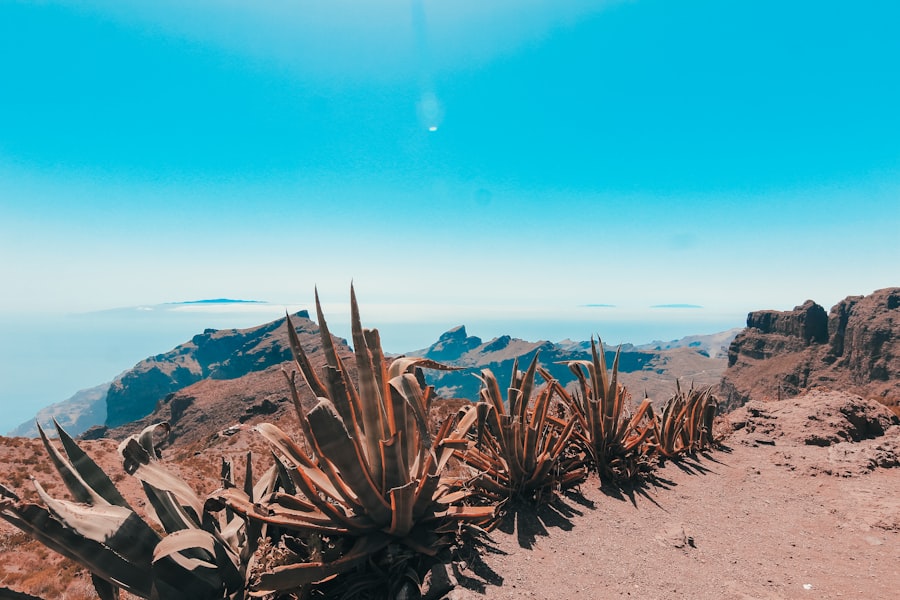
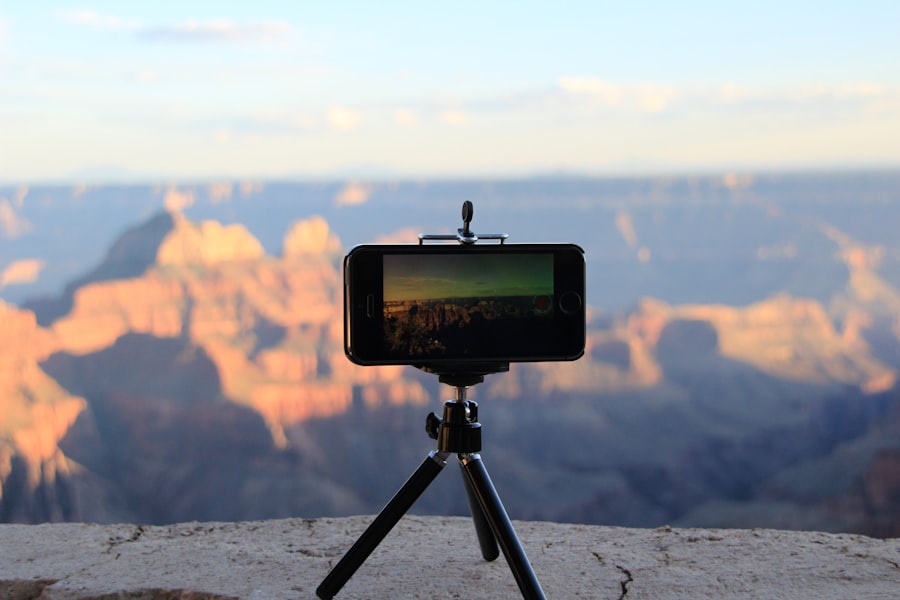
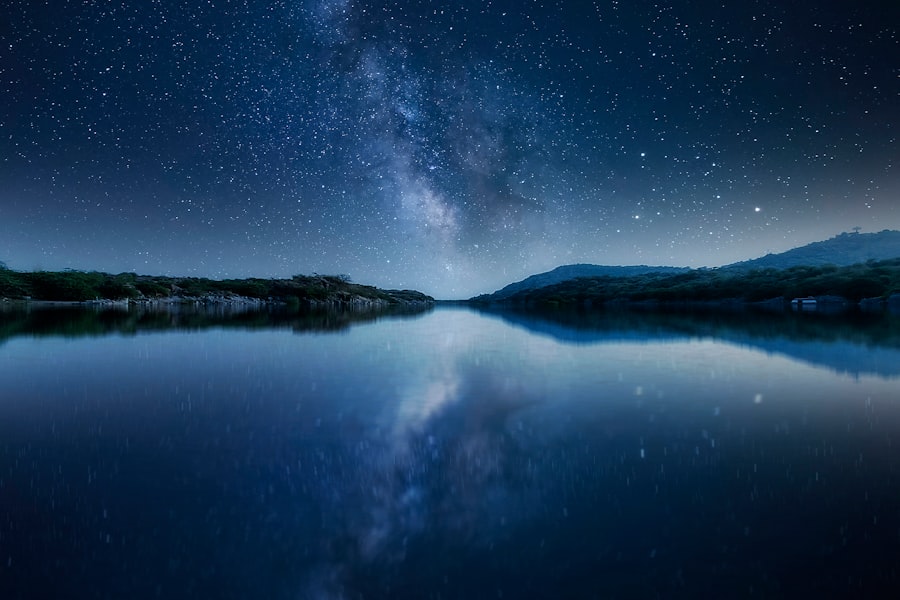
If you are searching for the ultimate destination to capture the cosmos, planning a trip for astrophotography in Tenerife in 2026 will reward you with some of the clearest skies on the planet. Floating in the Atlantic Ocean just off the coast of North Africa, this Spanish island is globally renowned as a starlight reserve. Because of its unique geographic position, low light pollution, and high altitudes, Tenerife offers stargazers and photographers an unparalleled window into the universe. Whether you want to capture the glowing arc of the Milky Way or track distant nebulae, the island provides a dramatic volcanic backdrop that makes every shot look otherworldly.
Why Tenerife is a World-Class Astrophotography Destination in 2026
The island of Tenerife is not just another holiday spot; it is a protected sanctuary for the night sky. Under the canopy of Teide National Park, you are standing above the clouds, literally. The island benefit from a phenomenon known as the temperature inversion layer, which traps moisture and clouds at lower altitudes, leaving the high peaks incredibly dry, clear, and free from atmospheric turbulence. This is why major global scientific organizations have set up their giant telescopes here.
According to official data from the Tenerife Tourism Board, the island is certified as a Starlight Destination, a title awarded only to places with excellent sky quality and protection from light pollution. Booking.com availability for eco-lodges and stargazing retreats on the island has surged for 2026, showing that more travelers than ever are heading here with tripods in hand. You will find that the local government strictly regulates outdoor lighting, ensuring that your long-exposure shots remain crisp, dark, and filled with millions of points of light.
Top Photography Spots in Teide National Park
If you are wondering about the absolute best locations to set up your gear, you must head straight into the heart of the island. Teide National Park, a UNESCO World Heritage site, sits at over 2,000 meters above sea level. Here are the top locations you should pin on your map before you arrive.
Roques de Garcia
This is perhaps the most iconic landscape on the entire island. The towering rock formations, especially the famous Roque Cinchado, rise up like giant fingers pointing toward the heavens. When you position your camera here, you can frame the Milky Way arching directly over Mount Teide and these dramatic stone pillars. Because it is highly accessible by car, you will easily find a spot to set up, though you should arrive early to scout your composition before complete darkness falls.
Llano de Ucanca
Now let's talk about a spot that feels like the surface of Mars. Llano de Ucanca is a vast, flat sedimentary plain located just a short drive from the Roques de Garcia. The wide-open space gives you a 360-degree view of the horizon. During the dry summer months of 2026, the dusty ground reflects a warm, eerie glow under the starlight, providing an incredible foreground for wide-angle landscape shots.
The Teide Observatory Area
While you cannot enter the scientific observatory grounds at night without a specialized guide, the public areas surrounding the Izana Observatory offer spectacular views. The sleek, white dome structures of the telescopes look incredibly futuristic under a canopy of stars. Capturing these human-made structures alongside the ancient light of the cosmos makes for a powerful photographic narrative.
Traveler's Warning: Temperatures at altitudes above 2,000 meters in Teide National Park can drop below freezing, even during the summer months. Always pack high-quality thermal layers, windproof jackets, and warm gloves. If your fingers freeze, you will not be able to adjust your camera dials, potentially ruining your night of astrophotography in Tenerife.
Essential Gear and Settings for Your Shoot
To make the most of your journey, you need the right tools. I recommend you take a full-frame camera body that performs well at high ISO settings (typically between ISO 3200 and 6400). Pair this with a fast, wide-angle lens, such as a 14mm or 24mm with an aperture of f/2.8 or wider. A sturdy, heavy tripod is absolutely non-negotiable, as the winds high up on the volcanic plains can be fierce enough to cause camera shake during a 25-second exposure.
Moving on to your camera settings, start with the "Rule of 500" to avoid star trailing. Divide 500 by your lens focal length to find your maximum exposure time in seconds. For example, if you are using a 20mm lens, your shutter speed should not exceed 25 seconds. Keep your aperture wide open, set your focus manually to infinity using the camera screen zoom helper, and use a 2-second shutter delay or a remote release to prevent any camera vibration when you press the button.
Planning Your Logisitics: Transport and Stays
To successfully execute your plan for astrophotography in Tenerife, you need to understand the local logistics. You cannot rely on public transport during the middle of the night, so renting a car is essential. Most travelers fly into Tenerife South Airport (TFS), where you can find reputable rental agencies like Cicar or AutoReisen. Prices for a standard economy car in 2026 range from 30 to 50 Euros per day.
When choosing where to stay, look for accommodations in the high-altitude towns to minimize your driving time at night. The neighborhood of Vilaflor is the highest village on the island and places you just a 20-minute drive from the national park. Alternatively, staying in the southern coastal towns like Costa Adeje or Los Cristianos offers excellent Booking.com availability and great restaurants, but you must prepare for a 60-to-90-minute winding drive up the mountain each night.
Pro tip for you: To get the absolute best contrast in your images, plan your trip during the new moon phase. If you must shoot during a partial moon, use the moonlight to your advantage; it can beautifully illuminate the volcanic foreground of the caldera, making Mount Teide stand out sharply against the dark sky. This is a secret that experienced photographers use to create highly detailed daytime-looking landscapes under a starry sky.
Top Things to Do in Tenerife
- Visit the Teide Observatory: Take a daytime guided tour of the world-largest solar observatory to learn about advanced solar physics.
- Hike the Anaga Rural Park: Explore the ancient, misty laurel forests in the northeast corner of the island for a complete change of scenery.
- Take a Sunset Boat Charter: Sail from Puerto Colon to watch pilot whales and dolphins while the sun sets behind the neighboring island of La Gomera.
- Stargaze with an Expert: Join a specialized tour that provides high-end telescope viewing and deep-sky astrophotography in Tenerife guidance.
Where to Eat Near the Peaks
- Restaurante El Secuestro (Vilaflor): Excellent for traditional Canarian rabbit stew, wrinkled potatoes (papas arrugadas), and local mojo sauces. Expect to pay 15 to 25 Euros per person.
- Parador de Canadas del Teide: The only hotel and restaurant located inside the national park. Perfect for a warm bowl of traditional gofio soup before your night shoot. Prices range from 20 to 40 Euros for a main course.
- Bodeguita El Secretito (Granadilla): A cozy, rustic spot offering fantastic local wines and grilled meats at very reasonable prices (12 to 20 Euros per person).
How to Get Around the Island
- Car Rental: The most convenient option. Stick to established local operators at the airports for the best rates and full insurance coverage.
- TITSA Public Buses: Line 348 runs from Puerto de la Cruz and Line 342 runs from Playa de las Americas up to Teide National Park once a day, but these are not suitable for night photography as they return in the afternoon.
- Private Taxis: Available for one-way trips, but a ride from the southern coast up to the national park at night can easily cost upwards of 80 to 100 Euros.
Final Tips for a Successful 2026 Photography Trip
As you prepare for your adventure, remember to respect the delicate volcanic environment. Stick to the designated paths in Teide National Park to avoid damaging the unique local flora, such as the Mount Teide bugloss, which blooms beautifully in late spring. Many of these locations have TripAdvisor ratings of 4.8 out of 5 stars, with thousands of travelers praising the preservation of the landscape.
Keep your camera batteries warm by storing them in your inner coat pockets until the moment you start shooting, as the cold mountain air drains battery life rapidly. With a bit of preparation, patience, and the right gear, your journey for astrophotography in Tenerife in 2026 will yield portfolio-worthy images that you will treasure for a lifetime. Pack your bags, book your flights, and get ready to stand under one of the most magnificent night skies in the world.
Frequently Asked Questions
What makes Tenerife an ideal location for astrophotography in 2026?
Tenerife offers some of the darkest skies in the Northern Hemisphere due to its high altitude and low light pollution, especially around Teide National Park, making it perfect for capturing the Milky Way and deep-sky objects.
Do I need a permit to shoot astrophotography in Teide National Park?
Yes, you need a free permit from the park office for nighttime photography, as the park is a protected UNESCO World Heritage site and access is restricted after sunset.
What is the best time of year for astrophotography in Tenerife?
The best time is from May to September, when the Milky Way core is visible, and weather conditions are generally clear with minimal cloud cover.
What camera equipment should I bring for astrophotography in Tenerife?
A DSLR or mirrorless camera with a fast wide-angle lens (f/2.8 or lower), a sturdy tripod, and a remote shutter release are essential, along with star tracker if you plan for long exposures.
Are there any astronomical observatories open to the public in Tenerife?
Yes, the Teide Observatory offers stargazing tours and night visits where you can use professional telescopes, though booking is required well in advance.
Lars Lindgren puts together detailed guides to cities and regions, drawing on his own travels to flag the things worth your time. He focuses on clear, honest advice that holds up once you are actually on the ground.
💬 Comments (0)
No comments yet. Be the first!