Camera Tripod Hammocks for Mount Rainier 2026
Explore the best camera tripod hammocks for Mount Rainier 2026 to stabilize your alpine photography setup on mountain trails.
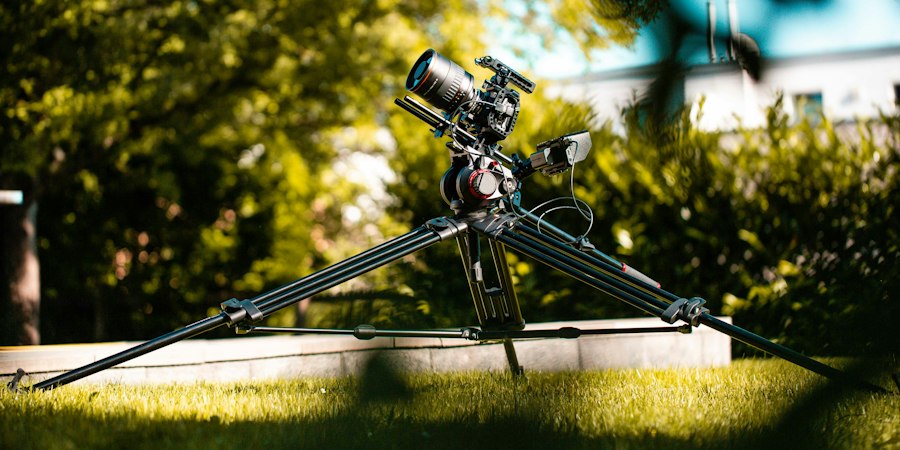
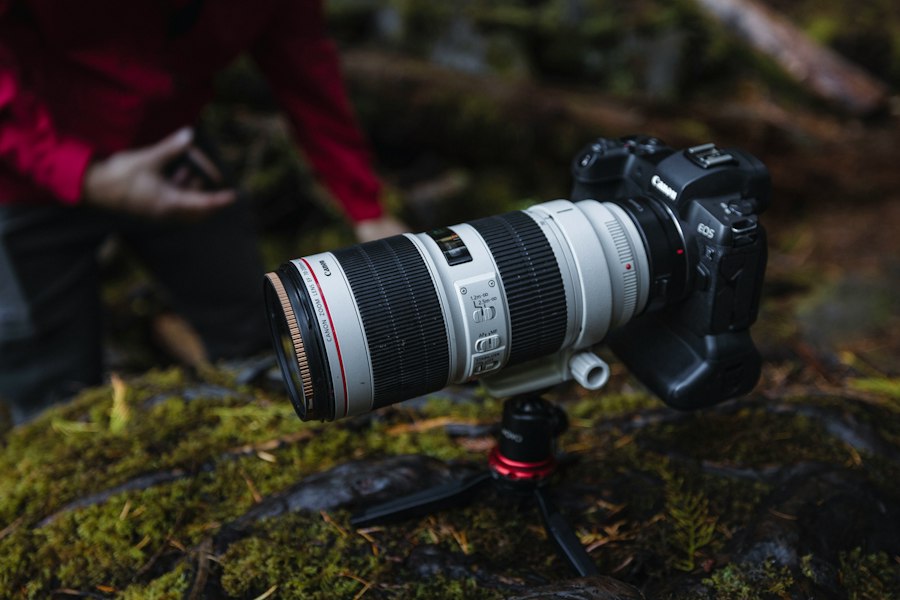
If you are planning to shoot long exposure landscapes in the Pacific Northwest, finding the best camera tripod hammocks for Mount Rainier 2026 is essential for keeping your setup stable when the sub-alpine winds start blowing across Paradise Valley. When you are standing on a exposed ridge waiting for sunrise light to hit the Columbia Crest, a standard carbon fiber tripod can easily tip or vibrate. A tripod hammock, often called a stone bag or ballast net, hangs between the legs of your tripod to hold heavy rocks, sandbags, or extra camera gear, dramatically lowering the center of gravity of your rig.
Why Stabilization Matters on Mount Rainier in 2026
Mount Rainier presents some of the most challenging conditions for landscape photographers in North America. The combination of unpredictable squalls, volcanic soil, and high altitude winds can ruin a frame during a thirty-second exposure. During my alpine shoots near Reflection Lakes, I learned the hard way how critical proper ballast can be. I had a lightweight travel tripod setup to capture the soft morning light. A sudden wind gust swept down from the glacier, catching my unweighted camera and sending a four thousand dollar setup face-down into icy mud. That catastrophic drop cost me a favorite prime lens and hours of shooting time. Ever since that morning, I never set up my rig in the backcountry without one of the best camera tripod hammocks for Mount Rainier 2026 securely attached to my tripod legs.
In terms of durability, modern stone bags have come a long way from the flimsy nylon pouches of the past. Today, gear manufacturers use high-tenacity ripstop fabrics, reinforced webbing, and weather-resistant coatings designed to withstand severe alpine cold. Adding extra weight directly below the apex of your tripod counteracts the micro-vibrations caused by shutter shock and high wind. This simple accessory transforms an ultra-light carbon fiber setup into a rock-solid platform capable of tack-sharp images, even in extreme environment conditions.
Top 3 Tripod Hammocks Reviewed for Alpine Photography
1. Peak Design Stone Bag Pro
How it handles in the field is where the Peak Design unit really stands out. Built with weatherproof 400D nylon and heavy duty hypalon attachment points, this model is designed for severe weather. It clips effortlessly to almost any tripod leg system using quick-connect loops. During my evaluation at Sunrise Point, the deep center pouch held two large basalt rocks effortlessly, keeping my camera perfectly still while winds hit twenty knots.
Looking at the specs, the packable design weighs less than three ounces yet supports up to twenty-five pounds of dynamic ballast. You can check out complete structural details on the Peak Design official site to see how their custom hardware integrates with modern travel tripods. It also features internal stash pockets to keep your lens caps, headlamps, and remote releases clean and dry while you shoot.
Pros and Cons
- Pros: Extremely durable material, fast hook setup, built-in organization pockets, weather-sealed coating.
- Cons: Higher price point than basic nets, can collect snow if left open during severe blizzards.
2. Vanguard Alta Stone Bag
If you need maximum surface area to load heavy rocks off the trail, the Vanguard Alta delivers phenomenal reliability. It features a wide tripod leg spread design that stabilizes wider stance tripods. When setting up on steep loose gravel along the Skyline Trail, this bag held over thirty pounds of volcanic ballast without slipping down the carbon fiber legs.
In terms of durability, the reinforced corner stitching and heavy duty web straps handle abrasive granite edges easily. You can read more about rugged photo accessories on Wired for outdoor gear guides. It is slightly heavier than minimalist options, but the sheer load capacity makes it one of the absolute top camera tripod hammocks for Mount Rainier 2026.
Pros and Cons
- Pros: Huge weight capacity, non-slip leg clamps, excellent value for mountain photographers.
- Cons: Bulkier to pack down, straps can require occasional tension adjustment in freezing temperatures.
3. Gitzo Ultralight Tripod Net
Designed for fast and light mountaineers, the Gitzo net focuses on ultra-minimalist performance. It uses a high-tensile mesh matrix that allows rain and melting snow to drain immediately, preventing water weight build up. It is the lightest choice on our gear list for high-altitude ascents.
How it handles in the field is impressive for its size. While it lacks internal gear storage pockets, its open mesh grid lets you secure a heavy water bottle or pack bag right in the center of gravity. It rolls up down to the size of an energy bar, making it an ideal choice for backcountry endurance hikes up to Camp Muir.
Pros and Cons
- Pros: Ultra lightweight design, water and snow drain quickly, packs down extremely small.
- Cons: No internal pockets for small accessories, mesh can snag on extremely sharp volcanic rock edges.
Technical Specifications Comparison
When selecting your gear for high elevation expeditions, matching the weight, load limit, and weather proofing of your ballast bag to your shooting style is crucial. Below is a quick breakdown of how these top options stack up for backcountry travel.
Looking at the specs, minimalist mesh nets favor quick summer hikes, while heavy duty nylon options offer superior gear protection during long autumn night shoots. Choosing the correct balance ensures your camera remains secure without adding unnecessary pack weight on steep trail ascents.
How to Safely Anchor Your Tripod in Volcanic Soil
Using a stone bag on the slopes of Mount Rainier requires proper technique, especially when working on soft ash or uneven snow fields. Simply hanging a hammock is step one; loading it correctly determines whether your frame stays steady.
Buyer's Tip: Never let your stone bag rest completely on the ground, and avoid letting your ballast swing freely like a pendulum in high winds. Always fill the hammock so the weight settles dead center below the apex, pulling down evenly on all three tripod legs. If you are shooting on snow, drop your heavy gear bag straight into the net to prevent leg sink.
When wind speeds increase on mountain ridges, swing motion inside an unanchored hammock can actually introduce micro-shake rather than preventing it. Ensure your loaded weight is solid and centralized. Carrying a dedicated ballast net is far safer for your camera investment than hanging a backpack from a central column hook, which acts like a sail in alpine gusts.
Who is this for?
Investing in reliable camera tripod hammocks for Mount Rainier 2026 is highly recommended for specific types of outdoor creators who work in rugged environments:
- Landscape Photographers: Anyone capturing long exposure waterfalls, focus-stacked wild flowers, or twilight mountain vistas in high wind zone areas.
- Astro-Photographers: Shooters taking multi-minute exposures of the Milky Way over Mount Rainier who need absolute rock-solid camera stability all night long.
- Backcountry Videographers: Content creators using slider rails or long telephoto lenses on lightweight carbon fiber legs that require low center gravity ballast.
- Weight-Conscious Hiker Photographers: Backpackers who carry light travel tripods but still need heavy-duty stability when micro-climates hit the mountain trails.
Key Features to Look for in 2026
Before purchasing your stability system for alpine expeditions, evaluate these vital design factors:
- Weather Resistance: Waterproof fabric coatings or fast draining mesh structures that do not absorb cold mountain rain.
- Leg Attachment Clamps: Rubberized, non-slip attachment straps that hold firm on frosted carbon fiber or aluminum tripod legs.
- Weight Capacity: A load rating of at least fifteen to twenty pounds to support large field rocks or filled camera packs.
- Compact Packability: Low bulk designs that slide easily into side camera bag pockets without taking up valuable space.
Final Verdict
The bottom line is that small accessories often make the largest difference between a successful photo expedition and a ruined camera system. High-altitude winds and rough volcanic terrain can easily disrupt delicate long exposures or compromise lightweight carbon fiber gear. Adding one of the recommended camera tripod hammocks for Mount Rainier 2026 to your outdoor kit ensures your camera remains locked in place, allowing you to focus entirely on capturing stunning Pacific Northwest light.

Frederik Holm writes about travel gear and the art of packing light. From carry-on strategies to long-haul essentials, he helps travellers carry less and worry less on the road.
💬 Comments (0)
No comments yet. Be the first!