Camera Telephoto Supports for Mount Bromo 2026
Learn how camera telephoto supports for Mount Bromo 2026 keep long zoom lenses steady during windy sunrise crater shoots.
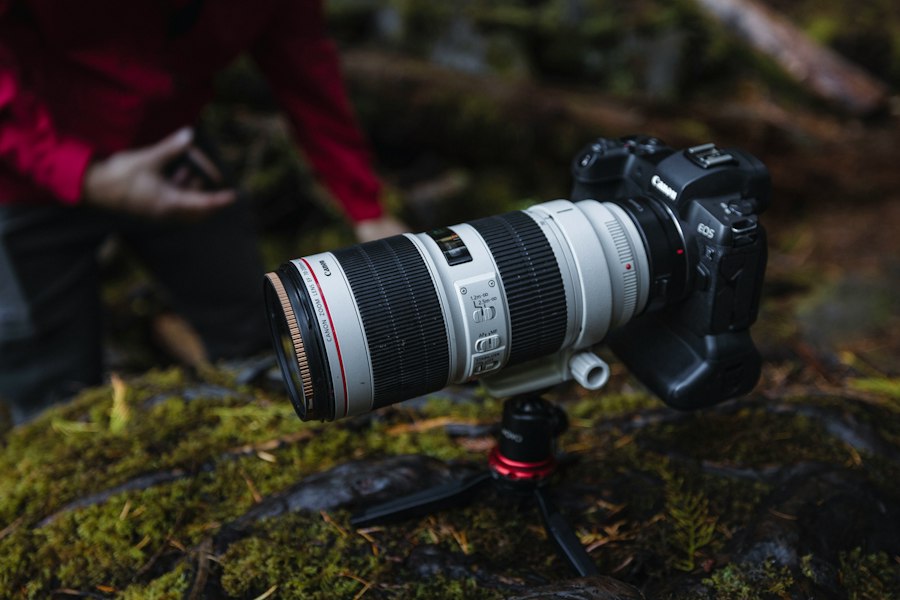
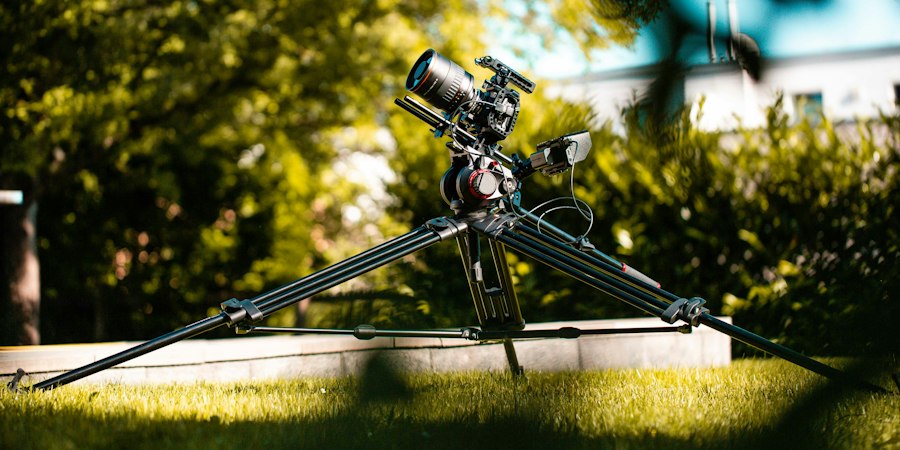
Finding the absolute best camera telephoto supports for Mount Bromo 2026 requires a delicate balance between rigid stability and lightweight portability. When you are standing on the crater rim of an active volcano in East Java at four o'clock in the morning, battling sub-zero gusts of wind mixed with abrasive volcanic ash, your choice of support gear will either make or break your image sharpest details. Bringing a massive 400mm or 600mm glass optic to Mount Bromo demands rock-solid stabilization to counteract both the element vibrations and the fine tremors of the earth itself.
The Harsh Environment of Mount Bromo in 2026
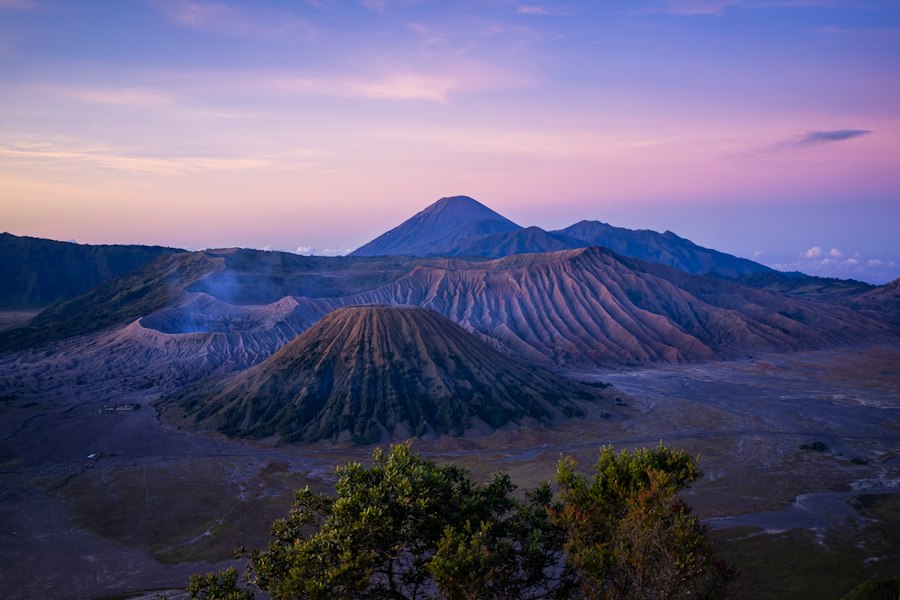
Photographing Mount Bromo is unlike almost any other landscape experience on the planet. The high elevation at King Kong Hill or Seruni Point drops the temperature rapidly before dawn, while the Sea of Sand throws ultrafine particulate dust into every moving joint of your gear. If you are using heavy glass to compress the distant peaks of Mount Semeru against the volcanic caldera, traditional lightweight travel tripods simply will not cut it. You need dedicated camera telephoto supports for Mount Bromo 2026 expedition conditions that resist violent wind shears without adding twenty pounds to your trekking pack.
In terms of durability, volcanic dust is the absolute enemy of twist-lock tripod legs and fluid heads. During a shoot back in late 2023, I watched a fellow photographer lose a shot of a lifetime because fine silica jammed his lower leg locks. His tripod collapsed under the weight of a 200-600mm lens right as the morning light hit the caldera brim. That painful incident completely changed how I evaluate field gear. If a support system cannot be completely stripped down and cleaned with a basic allen wrench in your homestay, it does not belong in your kit for 2026.
Top Pick: Gitzo Systematic Series 3 Carbon Fiber
Looking at the specs, the Gitzo Systematic Series 3 stands out as the gold standard for heavy telephoto setups. Built with high-modulus carbon fiber tubing, it eliminates micro-vibrations better than almost anything else on the market today. It lacks a center column, which is actually a massive advantage for stability when mounting extreme focal lengths.
Technical Specifications
- Material: Carbon eXact tubing for maximum torsional rigidity
- Maximum Payload: 28 kg (61.7 lbs)
- Weight: 1.93 kg (4.25 lbs)
- Leg Sections: 4 sections with G-lock Ultra seals
- Maximum Height: 153 cm (60.2 inches)
How it handles in the field is pure joy. The G-lock Ultra system keeps fine dust and moisture from penetrating the inner threads, which is vital when you are setting up shop in the volcanic sand of Bromo. You can pair this set of legs with a heavy-duty gimbal head, allowing you to track moving horses across the Sea of Sand effortlessly while keeping your telephoto lens balanced on a single center of gravity.
Best Portable Alternative: Peak Design Travel Tripod Carbon Edition
For photographers who prioritize packability above all else, the Peak Design Carbon Fiber Travel Tripod remains a marvel of modern spatial engineering. It packs down to the diameter of a water bottle, making it easy to slide into the side pocket of your camera bag while riding a dirt bike across the caldera plain in the dark.
Pros and Cons
Pros:
- Extremely compact design with zero wasted spatial volume
- Integrated mobile mount and fast locking cam levers
- Weather-resistant execution built to handle extreme mist and sulfur exposure
Cons:
- Thin lowest leg sections require careful placement in high winds
- Built-in ball head can feel cramped when mounting large tripod collars
You'll appreciate the weight reduction when you are hiking up the steep stairs toward the rim. However, when using high-magnification glass on this system, I strongly recommend hanging your camera pack from the integrated load hook. Adding that extra central mass stabilizes the frame against the whipping mountain winds, ensuring your long exposures remain crisp. For more tech insights on portable structural engineering, check out hands-on reviews on Wired.
Specialized Mounts: Heavy Duty Monopods and Gimbal Heads
Sometimes a full tripod is too cumbersome for rapid repositioning along the crowded viewpoints of Bromo. A heavy-duty carbon fiber monopod paired with a dedicated head provides exceptional flexibility. When you are looking for reliable camera telephoto supports for Mount Bromo 2026, do not overlook the speed of a single-leg system.
Maintenance Secret: After every morning shoot at Mount Bromo, wash down your carbon fiber leg sections with distilled water and dry them completely. Never apply oil-based lubricants to your leg twist locks, as volcanic ash will stick to the grease and turn into an abrasive grinding paste that ruins the threads overnight.
Using a fluid monopod base allows you to pan seamlessly across the fog layers sweeping through the valley. It reduces physical fatigue significantly during long waits for sunrise, supporting ninety percent of the weight of big super-telephoto lenses like a 400mm f/2.8 or a 600mm f/4.
Who is this for?
- Wildlife and Action Photographers: Ideal for creators targeting the fast-moving horse riders across the volcanic sand plain.
- Landscape Precisionists: Crucial for shooters isolating distant volcanic ridges using extreme focal length compression.
- Backcountry Travelers: Essential for creators who need lighter camera telephoto supports for Mount Bromo 2026 without compromising structural integrity.
Choosing the Right Head for Volcanic Conditions
The legs are only half the equation when building optimal camera telephoto supports for Mount Bromo 2026. The head you choose controls how effectively you can track targets and lock down frames. Ball heads are fine for wide-angle work, but for long telephoto glass, a gimbal head or a dual-axis panoramic tilt head is superior. Manufacturers like Canon and Sony produce large super-telephoto prime lenses that feel weightless when balanced properly on a gimbal axis.
In terms of durability, check the panning base mechanisms carefully. Sealed ball bearings are mandatory to prevent fine silica particles from grinding inside the rotation housing. A smooth panning motion allows you to create multi-frame panoramas at 200mm, stitching together high-resolution vistas of the entire Tengger Caldera with zero optical distortion.
Final Gear Setup and Handling Tips
When packing your camera telephoto supports for Mount Bromo 2026, always bring metal ice spikes along with standard rubber feet. The ground around the upper lookouts consists of a thin layer of loose shale over hard-packed soil. Rubber feet tend to slide when subjected to strong wind gusts, whereas metal spikes dig straight into the terrain to lock your rig firmly in place.
How it handles in the field ultimately comes down to pre-trip preparation. Practice operating your support locks while wearing heavy gloves, as pre-dawn temperatures on the peak drop fast. Fast ergonomics mean you spend less time fumbling with knobs in the pitch dark and more time executing sharp compositions.
The bottom line is simple: do not skimp on your base stabilization. Mount Bromo offers some of the most dramatic geological visual landscapes on Earth, but its harsh environment will quickly expose any weak points in your gear setup. Investing in high-grade camera telephoto supports for Mount Bromo 2026 ensures your long-lens shots remain needle-sharp, capturing every plume of steam and every ripple of sand in immaculate detail.

Frederik Holm writes about travel gear and the art of packing light. From carry-on strategies to long-haul essentials, he helps travellers carry less and worry less on the road.
💬 Comments (0)
No comments yet. Be the first!