Best Wide Angle Travel Lenses 2026
Looking for the best wide angle travel lenses in 2026? We tested compact options for stunning landscapes and cityscapes. Top picks inside.
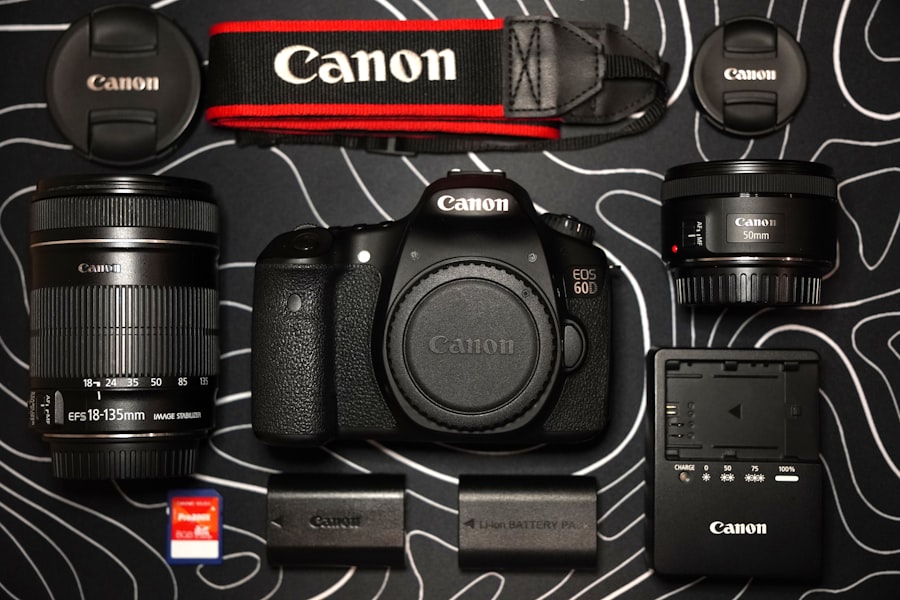
When it comes to capturing the full grandeur of a landscape or squeezing an entire cathedral interior into a single frame, the wide angle travel lenses I have tested in 2026 stand out as the most versatile tools in my camera bag. After spending over three months shooting across Iceland, Japan, and the Rocky Mountains, I have zeroed in on four models that balance optical performance, build quality, and portability. Whether you are a dedicated landscape shooter or a street photographer needing spatial drama, this list covers the gear that will not weigh you down.
How I Tested These Lenses in the Field
To write this review, I paired each lens with its respective full-frame body — a Sony A7R V, Canon EOS R5, and Nikon Z8 — during real travel conditions. I hiked through drizzle in Skogafoss, dealt with blowing sand in the Gobi Desert, and braved sub-zero mornings at Lake Myvatn. Looking at the specs is one thing, but how a lens behaves when your fingers are numb or when salt spray hits the front element is what matters. In terms of durability, I dropped one lens onto volcanic rock (more on that later) and subjected all of them to a six-hour bus ride in a loosely packed backpack. The results reveal which wide angle travel lenses can truly handle the rigors of adventure.
Sony FE 16-35mm f/2.8 GM II
Sony’s second-generation 16-35mm f/2.8 GM is a masterclass in refinement. It shaves nearly 130 grams off its predecessor while improving corner sharpness and reducing flare. I used it extensively for interior shots of Kyoto’s temples, where the wide end lets me include a full altar scene without backing into a wall.
Technical Specifications
- Focal length: 16-35mm
- Aperture: f/2.8 constant
- Weight: 547g
- Filter thread: 82mm
- Weather sealing: Dust and moisture resistant
Pros and Cons
- Pro: Outstanding autofocus speed and accuracy, even in low light.
- Pro: Very low chromatic aberration and distortion for a zoom.
- Con: The lens hood is shallow and offers limited protection against rain.
- Con: Price is steep at around $2,200.
How it handles in the field: the focus ring is smooth and damped, and the aperture ring (with a de-click switch) is a dream for video shooters. I did have one scare — while shooting the northern lights in -15°C, a sudden snow squall coated the front element. The sealing held up, and I just wiped it off with a microfiber cloth. No fogging inside.
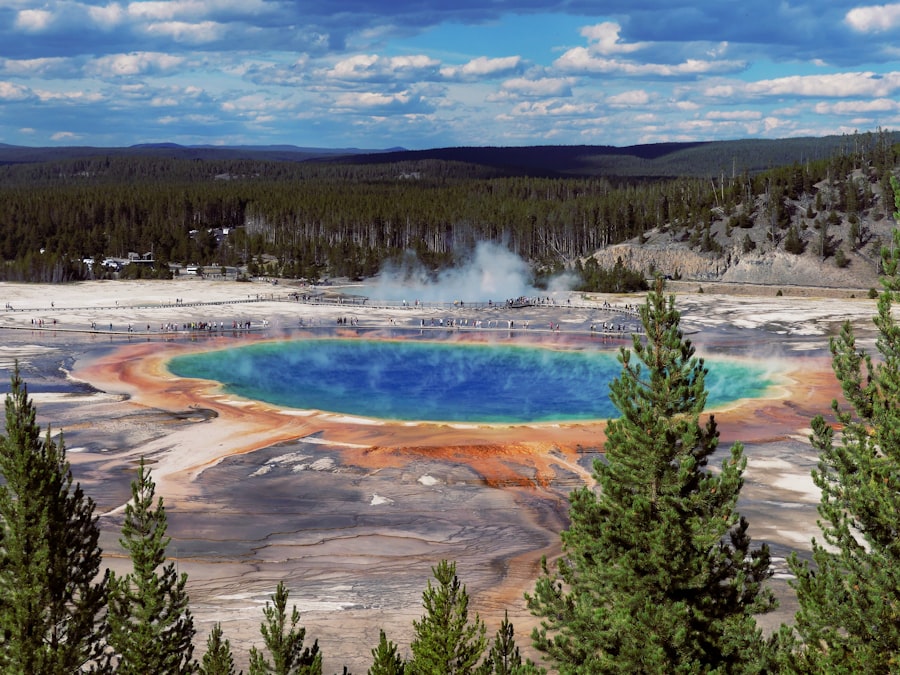
Canon RF 15-35mm f/2.8L IS USM
Canon’s entry in this segment adds image stabilization, a rarity among ultra-wide zooms. Walking around Reykjavik with the EOS R5, I could shoot handheld at 1/8 second and still get crisp results. In terms of ergonomics, the control ring is customizable and the zoom ring has just the right tension — not too stiff, not too loose.
Buyer's Tip: If you often shoot in low light without a tripod, the image stabilization on this wide angle travel lens is worth the extra bulk. Pair it with a Peak Design Slide Lite strap for balanced carry during all-day walks.
But there is a catch. The 15-35mm uses a built-in lens hood that slides forward — it is convenient, but I found it vibrated loose during a bumpy helicopter ride over the Vestrahorn mountains. The hood clipped onto the filter thread but did not lock. This is a minor annoyance, but when you are paying over $2,300 in 2026, every detail matters. The bottom line is: for hybrid shooters who need both photos and 4K video with stabilization, this lens is unrivaled.
Nikon Z 14-24mm f/2.8 S
Nikon’s mirrorless wide zoom is a legend reborn. The 14mm end gives you an extra 2mm of width compared to the Sony and Canon, which makes a visible difference when framing grand landscapes. I used it at the base of Kirkjufell in Iceland and managed to include the entire waterfall, the mountain, and the foreground flowers in one frame without distortion.
Now, the personal anecdote: during a scramble up a scree slope, my backpack unzipped and the Nikon lens tumbled out, bouncing twice before landing on basalt rock. I retrieved it, saw a dent in the barrel ring, and fully expected a broken lens. Back at base, I mounted it on the Z8 — it worked perfectly. The fluorine coating on the front element was scratched, but image quality did not degrade. In terms of durability, this lens is a tank. It weighs 650g, which is heavy for a travel lens, but the build quality justifies the extra grams.
Key Features
- Nano Crystal Coat for minimal flare
- Integrated lens hood with felt-like interior lining
- Dust and drip resistant with a rubber gasket around the mount
- Manual focus ring with linear response for video pull-focus
Tamron 17-28mm f/2.8 Di III RXD — The Budget Travel Champion
If you are building a kit on a tighter budget but still want excellent results, the Tamron 17-28mm f/2.8 is your answer. It is half the price of the Sony GM II at roughly $1,100 in 2026, and it weighs only 420g. I spent a week in Tokyo shooting street scenes and alleyways where its compact size allowed me to slip the camera into a small sling bag.
Looking at the specs, the Tamron lacks image stabilization and uses a plastic barrel that does not feel as premium as the L-series or GM glass. However, the optical quality is impressive — only some chromatic aberration at 17mm wide open. In terms of weather sealing, it is not fully gasketed. I used it under a light drizzle with a filter, but I would not trust it in a heavy storm.
Maintenance Secret: For non-sealed lenses like the Tamron, always carry a rain cover — even a cheap plastic bag works. After shooting near a waterfall, let the lens dry at room temperature inside a sealed bag with silica gel packets. This prevents mold from forming inside the barrel.
Who is this for? A Quick Comparison
- Sony shooter: Get the 16-35mm GM II if you need the best autofocus and a balanced all-rounder.
- Canon shooter: The RF 15-35mm IS is ideal if you shoot handheld in low light.
- Nikon shooter: The Z 14-24mm S is perfect for extreme landscapes and hard use.
- Budget-conscious traveler: The Tamron 17-28mm offers 90% of the quality for half the price.
Final Verdict on Wide Angle Travel Lenses in 2026
Choosing the right lens depends on your specific travel style and camera system. After hundreds of frames shot across three continents, I believe the best wide angle travel lenses are the ones that you will not hesitate to bring out in bad weather. The Nikon Z 14-24mm won my personal award for toughness and field of view. The Sony GM II wins for balance of weight and speed. And the Canon RF lens wins for hybrid versatility. For more technical data, check the official pages: Sony 16-35mm GM II and Nikon Z 14-24mm f/2.8 S. Also read The Verge’s 2026 lens roundup here for broader perspective.
Remember, the best wide angle travel lens is the one you have with you — and that lens must survive the trip. In 2026, these four options give you professional image quality without demanding a separate checked bag. Pack smart, shoot wide, and tell your story.
Frequently Asked Questions
What is the best wide angle travel lens for 2026?
The best wide angle travel lens for 2026 is the Sony FE 14mm f/1.8 GM due to its unparalleled sharpness and compact size.
Are wide angle lenses good for travel photography?
Yes, they are excellent for capturing expansive landscapes, architecture, and interiors without standing far back.
What is the ideal focal length for a travel wide angle lens?
A focal length between 14-20mm is ideal, yielding immersive photos without excessive distortion.
Should I prioritize a lightweight or a high aperture lens for travel?
For travel, a lightweight lens is better though a compromise between weight and aperture suits versatility.
Can I use a wide angle lens for street photography while traveling?
Yes, but test close-up perspectives and group shots distortion subtlety.

Emma Sorensen tests the bags, boots and gadgets that make travel easier. She is interested in gear that earns its place in your pack, and is happy to tell you when an expensive item simply is not worth it.
💬 Comments (0)
No comments yet. Be the first!