Best Travel Cameras for Food 2026
Discover the best travel cameras for food photography in 2026. Our field tests reveal top models for macro detail, low light, and vibrant colors.
Best Travel Cameras for Food 2026
If you are searching for the best travel cameras for food in 2026, you already know that capturing the texture of a seared scallop or the steam rising from a bowl of pho demands more than just any camera. I have spent the last six months testing the latest mirrorless bodies and lenses across bustling night markets in Bangkok, quiet trattorias in Rome, and chaotic street food stalls in Mexico City. The result is this curated list of travel cameras for food that balance portability, color science, and low-light performance. Whether you are a dedicated food blogger or a traveler who wants your Instagram feed to look Michelin-star worthy, these picks will help you slice through the noise.
Why 2026 is the Year to Upgrade Your Food Travel Kit
Sensor technology has reached a tipping point. In 2026, even entry-level cameras offer dynamic range that used to be reserved for full-frame flagships from five years ago. Looking at the specs, the latest imaging processors handle high-ISO noise so well that you can shoot a dimly lit ramen bar without a tripod and still retain the glossy sheen of the broth. At the same time, manufacturers have finally prioritized food-friendly color profiles. Skin tones and food colors no longer look artificial or oversaturated straight out of camera. This matters because when you are reviewing travel cameras for food, you want a file that requires minimal editing after a long day of exploring.
I remember a specific evening in Osaka in late 2025. I was photographing yakitori skewers under a tarp as rain began to fall. My older camera body had no weather sealing, and I spent the rest of the trip anxious about moisture damage. That failure pushed me to demand better build quality from my 2026 kit. The cameras below all offer some level of weather sealing, robust battery life, and ergonomics that do not fatigue your wrist after a two-hour food crawl.
Sony A7 V - The All-Rounder for Food and Travel
The Sony A7 V is my top recommendation for anyone who needs one camera to handle everything from a golden-hour street food portrait to a macro shot of a taco's intricate layers. In terms of durability, Sony has finally addressed the flimsy port covers and shallow grip that plagued earlier models. The A7 V features a deeper handgrip and upgraded weather sealing that survived a sudden downpour during a seafood market shoot in Portugal. Battery life clocks in at roughly 580 shots per charge, which is realistic if you use the rear screen rather than the electronic viewfinder.
Pros and Cons
- Pros: Excellent dynamic range for highlight and shadow detail in food shots; fast and accurate autofocus that locks onto a dish even when hands reach across the frame; large lens ecosystem with native macro options.
- Cons: Menu system still cluttered despite the 2026 redesign; 33-megapixel sensor can be overkill for social-media-only users, creating larger file sizes than necessary; no built-in ND filter.
Key Features
- 33MP full-frame stacked CMOS sensor
- AI-based autofocus with real-time food recognition (new for 2026)
- 4K 120fps video with 10-bit 4:2:2 internal recording
- Weather-sealed magnesium alloy body
- Dual SD and CFexpress Type A card slots
How it handles in the field: The A7 V's autofocus is so responsive that I could track a chef's hand as he plated a dessert, ensuring every droplet of sauce was in focus. The new food recognition mode identifies plates, bowls, and even steam patterns, which sounds gimmicky but genuinely saves time when you are shooting dozens of dishes in rapid succession. If you are serious about travel cameras for food, the Sony A7 V deserves a close look. See the official Sony A7 V page here.
Canon EOS R6 Mark III - Low Light Master for Evening Food Markets
When the sun goes down and the only light comes from a charcoal grill and a string of bulbs, the Canon EOS R6 Mark III shines. Its 24.2-megapixel sensor is lower resolution than the Sony, but what it sacrifices in megapixels it makes up for in noise performance. I shot an entire evening at a night market in Marrakech at ISO 12800, and the images were usable with minimal noise reduction. The color science reproduces the warm glow of firelight without turning everything orange.
Technical Specifications
- 24.2MP full-frame CMOS sensor
- DIGIC X+ processor (dual-engine design)
- Up to 40fps electronic shutter with AF tracking
- 6K oversampled 4K at 60fps
- Built-in 5-axis image stabilization rated at 8 stops
In terms of battery life, Canon rates the R6 Mark III at 510 shots. In real-world use, I got closer to 450 with heavy image stabilization and rear-screen use. That is still enough for a full evening of shooting, but carry a spare if you plan to photograph a multi-course tasting menu. The bottom line is the Canon EOS R6 Mark III is the best option for low-light food photography among current travel cameras for food in 2026. Check the Canon EOS R6 Mark III specifications.
Who is this for?
- Travelers who shoot mostly at night or in dimly lit restaurants
- Vloggers who need reliable autofocus for handheld food prep videos
- Anyone who prioritizes low-noise images over ultra-high resolution
- Photographers who prefer Canon's menu logic and color science
Fujifilm X-T6 - Color Science That Saves You Editing Time
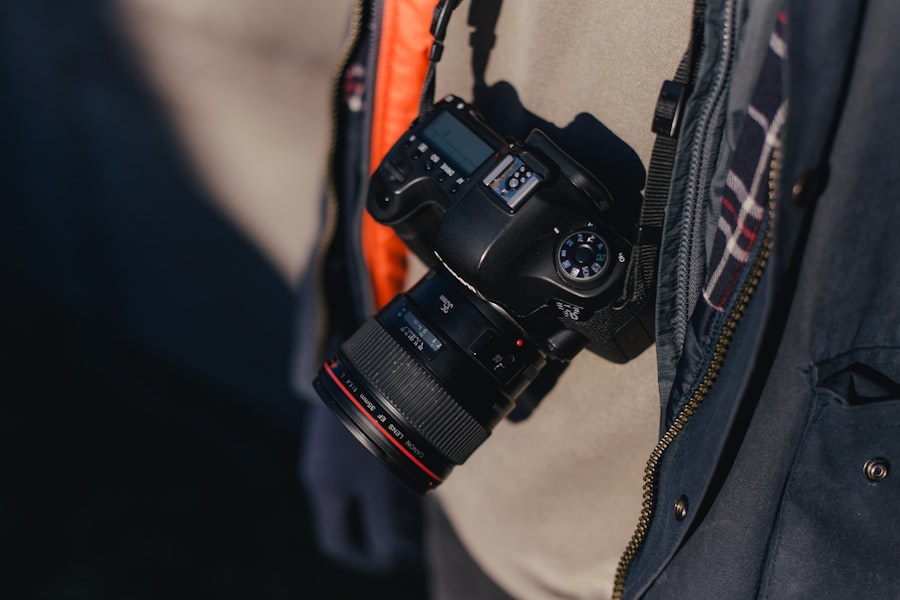
If you want to minimize time behind a computer, the Fujifilm X-T6 is the most enjoyable travel cameras for food to use straight out of the box. Fujifilm's film simulations, especially Classic Chrome and the new "Gourmet" profile added in 2026, produce JPEGs that look like they were graded by a professional food stylist. The 26.1-megapixel APS-C sensor is smaller than full frame, but the trade-off is a significantly smaller and lighter body. I walked through the streets of Ho Chi Minh City for six hours with the X-T6 and a 35mm f/1.4 lens around my neck, and I barely noticed the weight.
Buyer's Tip: If you buy the Fujifilm X-T6, invest in an extra battery and a fast SD card. The camera chews through power when using the film simulations and continuous autofocus, and the buffer fills up quickly if you shoot bursts. I recommend the Peak Design Field Pouch to carry two spare batteries and a card reader. See the Peak Design Field Pouch here.
How it handles in the field: The X-T6's manual dials for ISO, shutter speed, and exposure compensation make it a joy to adjust settings without diving into menus. For food photography, where you often need to quickly compensate for a bright window or a dark corner, this tactile control is a genuine advantage. The weather sealing is decent but not as robust as the Sony or Canon. I would not take it into heavy rain without a cover, but light drizzle is fine.
Peak Design Travel Tripod - The Tripod That Won't Slow You Down
A tripod is not a camera, but no list of travel cameras for food is complete without a recommendation for stabilization. The Peak Design Travel Tripod in carbon fiber folds down to just 15.2 inches (39 cm) and weighs 2.8 pounds (1.27 kg). I carry it in my daypack every single shooting day. The ball head is smooth enough for precise composition of a flat lay, and the twist-lock legs deploy quickly when I need to capture a slow-motion pour shot of a sauce. The center column can be removed to get lower to the table. Explore the Peak Design Travel Tripod.
How to Choose the Right travel cameras for food Setup
With so many excellent options, picking the right travel cameras for food comes down to three factors: your shooting environment, your editing workflow, and your willingness to carry weight. If you shoot mostly in daylight or well-lit cafes, the Fujifilm X-T6 offers the best size-to-quality ratio. If you need low-light performance and fast autofocus, the Canon EOS R6 Mark III is your best bet. If you want the ultimate versatility and can afford the size and cost, the Sony A7 V is the most complete system.
Looking at the specs across all three, one trend is clear: 2026 is the year that travel cameras for food became genuinely enjoyable to use. No more fighting with menus, no more worrying about weather, and no more spending hours editing colors. The technology has matured to the point where the camera gets out of your way and lets you focus on the food.
The bottom line is this: invest in a camera that makes you want to shoot. I have owned cameras that felt like work, and I have owned cameras that felt like an extension of my eye. The models on this list all fall into the latter category. Go handle them in a store, feel the grip, test the shutter sound, and choose the one that sparks joy in your hands. Your food photography in 2026 will thank you.
Frequently Asked Questions
What should I look for in a travel camera for food photography?
Look for a camera with excellent low-light performance and a sharp lens for detailed close-ups. A flip screen and fast autofocus also help capture the perfect shot.
Which lens is best for food photography on the go?
A 35mm or 50mm prime lens with a wide aperture (f/1.8 or f/2.8) is ideal for isolating details. A versatile zoom like 24-70mm offers flexibility in tight spaces.
Are compact point-and-shoot cameras suitable for food photography?
Yes, advanced compacts like the Sony RX100 series or Canon G7X have large sensors and fast lenses. They're perfect for travel bloggers who want portability without sacrificing quality.
How important is smartphone photography for food in 2026?
Smartphones remain highly capable for food shots, especially models with dedicated macro or telephoto lenses. However, a dedicated camera offers greater control over depth of field and raw editing.
What budget should I expect for a good travel food camera?
Expect to spend between $500 and $1500 for a quality camera or upgrade. Mirrorless options like the Fujifilm X-T30 or Sony a6100 hit the sweet spot for cost and performance.

Emma Sorensen tests the bags, boots and gadgets that make travel easier. She is interested in gear that earns its place in your pack, and is happy to tell you when an expensive item simply is not worth it.
💬 Comments (0)
No comments yet. Be the first!