Top 5 Best Wide-Angle Lenses for Zion Astrophotography 2026
Unlock incredible night sky photos. We review the best wide-angle lenses for Zion astrophotography 2026, ideal for capturing stunning galactic views.
Top 5 Best Wide-Angle Lenses for Zion Astrophotography 2026
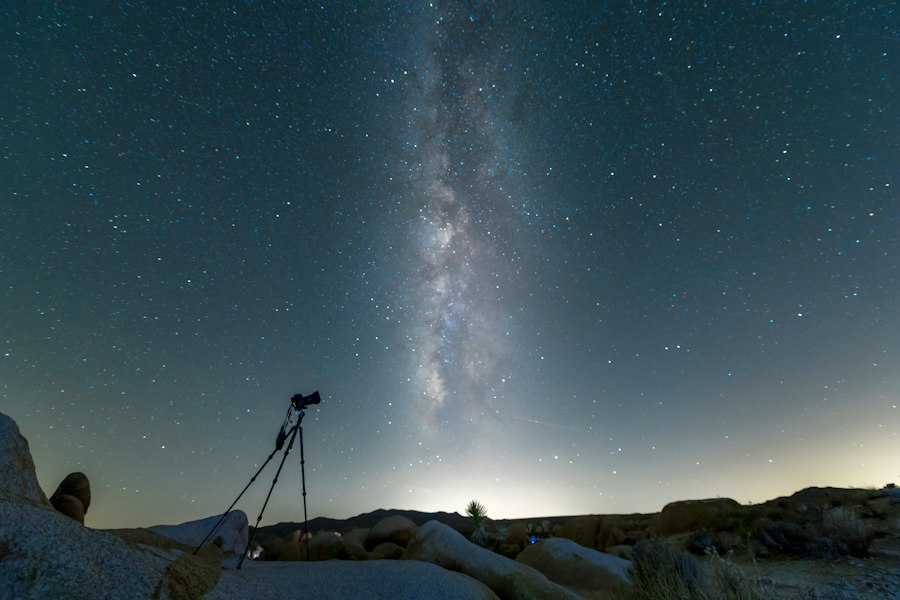
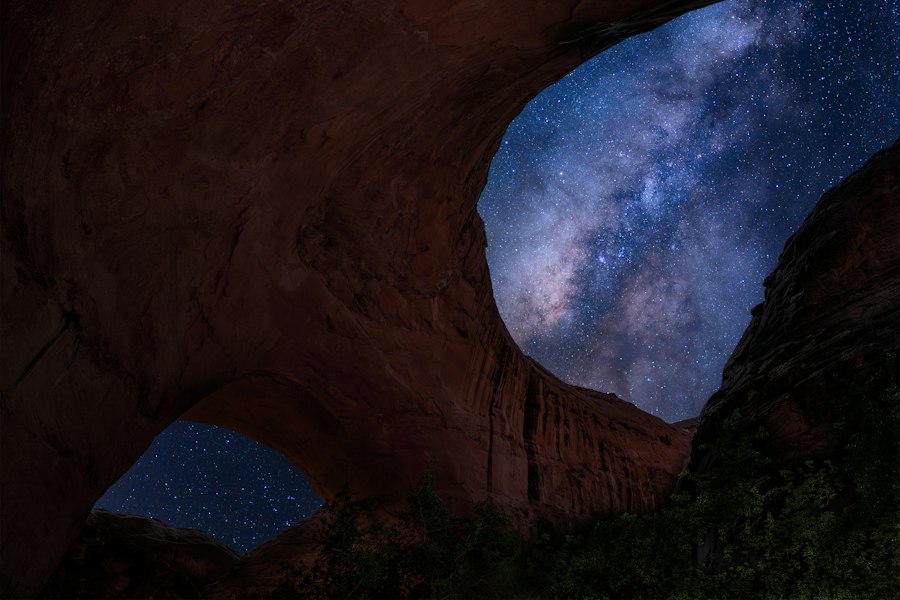
When seeking the absolute best wide-angle lenses for Zion astrophotography 2026, photographers face a unique challenge: balancing expansive fields of view with exceptional low-light performance and critical sharpness across the frame. Zion National Park's majestic night skies, largely free from significant light pollution, demand optics that can capture every star with pinpoint precision, from the core of the Milky Way to the subtle glow of distant nebulae. Having spent countless nights under desert skies, I've put numerous lenses through their paces, and for 2026, a select few stand out as indispensable tools for any serious night sky enthusiast.
The criteria for this list are rigorous: we're looking for fast apertures (f/2.8 or wider is paramount), minimal coma aberration (those stretched stars at the edges), excellent edge-to-edge sharpness, robust build quality to withstand the elements, and reasonable ergonomics for use in the dark. These lenses represent the pinnacle of wide-angle performance, ensuring that your journey to capture Zion's celestial beauty is rewarded with stunning images.
1. Sony FE 14mm f/1.8 GM
The Sony FE 14mm f/1.8 GM continues to be a marvel in 2026, remaining one of the premier choices for astrophotography on Sony E-mount systems. Its incredibly wide f/1.8 aperture combined with a truly lightweight design makes it an absolute dream for those long hikes into Zion's backcountry.
- Key Features:
- Ultra-wide 14mm focal length on full-frame
- Blazing-fast f/1.8 maximum aperture
- Advanced G Master optics for superb resolution and minimal aberrations
- Compact and lightweight design (just 460g)
- Excellent weather sealing for challenging environments
How it handles in the field: I've taken this lens on countless astrophotography trips, and its portability is a standout feature. You'll appreciate the weight savings when you're trekking up a trail in the dark. Optically, it's near flawless. Stars are rendered as tiny pinpoints, even in the extreme corners, thanks to superb coma correction. The f/1.8 aperture gathers an immense amount of light, allowing for shorter exposures and lower ISO settings, which translates to cleaner images of the Milky Way and fainter celestial objects.
Pros and Cons
- Pros: Unrivaled optical quality, incredibly fast aperture, exceptionally light for its class, robust weather sealing.
- Cons: A prime lens means no zoom flexibility, premium price point.
- Who is this for?
- Sony E-mount users who demand the absolute best in optical performance for astrophotography.
- Photographers prioritizing portability without compromising image quality.
- Those who frequently shoot in challenging outdoor conditions.
Looking at the specs, its optical design includes two XA (extreme aspherical) elements and two ED (extra-low dispersion) glass elements, which are key to its outstanding performance. In terms of durability, the weather sealing around buttons and rings held up perfectly when a sudden dust devil kicked up while I was shooting near The Watchman—it truly saved my day, keeping the sensor and internal elements pristine.
Learn more about the Sony FE 14mm f/1.8 GM
2. Nikon NIKKOR Z 14-24mm f/2.8 S
For Nikon Z-mount users, the NIKKOR Z 14-24mm f/2.8 S remains a top-tier contender for the best wide-angle lenses for Zion astrophotography 2026. This professional-grade zoom offers incredible versatility without sacrificing image quality, a common trade-off with zooms that Nikon has brilliantly overcome.
- Key Features:
- Versatile 14-24mm zoom range
- Constant f/2.8 maximum aperture
- Advanced S-Line optics for exceptional sharpness and clarity
- Robust build quality with comprehensive weather sealing
- Rear filter slot for creative options
How it handles in the field: The flexibility of a 14-24mm zoom is invaluable when composing shots of Zion's vast landscapes under the night sky. I often find myself wanting to slightly adjust the field of view without changing lenses, and this lens delivers. The f/2.8 aperture is fast enough for excellent light gathering, and its coma correction is outstanding, ensuring crisp stars right to the edges of the frame. The tactile feel of the focus ring is smooth and precise, which is crucial for achieving critical focus in manual mode under starlight.
Pros and Cons
- Pros: Excellent optical performance across the zoom range, versatile focal length, robust construction, superb weather sealing, convenient rear filter slot.
- Cons: Heavier than prime lenses, f/2.8 is slightly slower than some primes.
- Who is this for?
- Nikon Z-mount photographers seeking a versatile, high-performance wide-angle zoom.
- Professionals who need robust build quality and reliability in varied conditions.
- Those who value the flexibility of a zoom for dynamic compositions.
The bottom line is that this lens is a workhorse. Its optical prowess, combined with the convenience of a zoom, makes it an excellent choice for capturing the full glory of Zion's night skies. The inclusion of a rear filter slot is also a thoughtful touch, allowing for easier use of light pollution filters that are often cumbersome with bulbous front elements.
Explore the Nikon NIKKOR Z 14-24mm f/2.8 S
3. Sigma 14mm f/1.4 DG DN Art
For those who prioritize maximum light gathering above all else, the Sigma 14mm f/1.4 DG DN Art stands out as an exceptional option for the best wide-angle lenses for Zion astrophotography 2026. Available for Sony E and L-mount cameras, this lens pushes the boundaries of what's possible with an ultra-wide prime.
- Key Features:
- Unprecedented f/1.4 maximum aperture for a 14mm lens
- Art line optical design for superior image quality
- Designed specifically for mirrorless systems
- Dust and splash-resistant construction
- Manual focus lock and aperture ring for precise control
How it handles in the field: The f/1.4 aperture is simply astounding for astrophotography. It allows you to drop your ISO significantly or shorten your exposure times, yielding cleaner, more detailed star fields. While it's a heavier lens due to the sheer amount of glass required for such a wide aperture, the results are undeniable. The star rendering is phenomenal, with almost no visible coma, even wide open. Focusing manually in the dark is aided by the smooth, well-damped focus ring and the lens's dedicated manual focus lock switch, preventing accidental shifts once focus is achieved.
Pros and Cons
- Pros: Incredible f/1.4 aperture for ultimate low-light performance, superb optical correction for coma and distortion, excellent build quality.
- Cons: Heavier and larger than other 14mm primes, premium price, prime lens limitations.
- Who is this for?
- Astrophotographers who demand the fastest possible aperture for light gathering.
- Sony E and L-mount users prioritizing ultimate image quality for nightscapes.
- Those willing to carry a slightly heavier lens for unmatched low-light performance.
In terms of durability, the dust and splash-resistant construction ensures it can handle the occasional desert drizzle or dusty conditions. The f/1.4 aperture truly makes a difference when trying to capture faint details in the Milky Way or foreground elements with minimal noise. It's a specialized tool, but for its intended purpose, it excels.
Discover the Sigma 14mm f/1.4 DG DN Art
4. Canon RF 15-35mm f/2.8 L IS USM
For Canon RF system users, the RF 15-35mm f/2.8 L IS USM stands out as a strong contender among the best wide-angle lenses for Zion astrophotography 2026. While its widest aperture is f/2.8, its versatility, image stabilization, and Canon's renowned L-series optical quality make it a compelling choice for many.
- Key Features:
- Versatile 15-35mm zoom range
- Constant f/2.8 maximum aperture
- 5-stop optical image stabilization (IS)
- L-series build quality with weather and dust sealing
- Nano USM motor for fast and quiet autofocus
How it handles in the field: The f/2.8 aperture is a very capable performer for astrophotography, allowing for good light gathering and relatively short exposure times. What sets this lens apart for general use (beyond pure astro) is its optical image stabilization. While less critical for static astrophotography on a tripod, it's incredibly useful for capturing foreground elements handheld in low light or for other daytime landscape work you might do in Zion. The optical quality is excellent, with sharp details across the frame and well-controlled aberrations.
Pros and Cons
- Pros: Excellent optical performance, versatile zoom range, robust L-series build, effective image stabilization, superb weather sealing.
- Cons: f/2.8 is not as fast as some dedicated prime lenses, heavier than primes, higher price point.
- Who is this for?
- Canon RF users who need a versatile, high-performance wide-angle zoom for both astrophotography and general landscape/low-light work.
- Photographers who value image stabilization for handheld shooting flexibility.
- Those seeking a professional-grade, durable lens for various conditions.
Buyer's Tip: For astrophotography, always disable image stabilization when the camera is mounted on a tripod. While IS is fantastic for handheld shots, it can introduce subtle blurring when active on a stable platform, counteracting your efforts for pinpoint stars.
The ergonomics are typical L-series, with a comfortable grip and well-placed controls that are easy to operate even with gloves on. While it might not match a f/1.4 prime in pure light-gathering, its versatility and overall excellent performance make it a superb option for those who want one lens for multiple applications in Zion and beyond.
5. Laowa 15mm f/2 Zero-D
For photographers seeking an ultra-wide, fast prime lens without breaking the bank, the Laowa 15mm f/2 Zero-D (for Sony E, Canon RF, Nikon Z, and L-mount) remains a compelling choice among the best wide-angle lenses for Zion astrophotography 2026. This fully manual lens offers exceptional optical quality, particularly its "Zero-D" (Zero Distortion) attribute.
- Key Features:
- Ultra-wide 15mm focal length
- Fast f/2 maximum aperture
- "Zero-D" optical design for near-zero distortion
- Compact and relatively lightweight design
- Accepts 77mm screw-on filters, a rarity for ultra-wides
How it handles in the field: I've always admired Laowa's commitment to optical performance, and this lens is no exception. Its near-zero distortion is a huge advantage for astrophotography, as it means stars don't get stretched or warped at the edges of the frame, providing a more natural representation of the night sky. The f/2 aperture is fast enough for excellent light gathering, striking a great balance between speed and portability. Being a manual focus lens, it demands precision, but the focus throw is smooth and long enough for accurate adjustments under the stars.
Pros and Cons
- Pros: Exceptional distortion control, fast f/2 aperture, takes standard screw-on filters, excellent value for money, good optical quality for astrophotography.
- Cons: Manual focus only (no autofocus), not as fast as f/1.4 or f/1.8 primes, basic weather sealing.
- Who is this for?
- Astrophotographers on a budget who prioritize optical quality and minimal distortion.
- Users of various mirrorless systems (Sony E, Canon RF, Nikon Z, L-mount) looking for a dedicated ultra-wide prime.
- Those comfortable with manual focus and exposure.
The ability to use standard 77mm screw-on filters is a significant advantage, especially for light pollution filters that are crucial in some areas. The build quality, while not as robust as the L-series or GM lenses, is perfectly adequate for careful field use. For its price point, the Laowa 15mm f/2 Zero-D provides incredible value for those looking for the best wide-angle lenses for Zion astrophotography 2026 without the premium cost.
Check out the Laowa 15mm f/2 Zero-D
Final Thoughts on Astrophotography in Zion for 2026
Choosing the best wide-angle lenses for Zion astrophotography 2026 ultimately comes down to your camera system, budget, and specific priorities. Whether you lean towards the absolute optical perfection and portability of the Sony FE 14mm f/1.8 GM, the versatile robustness of the Nikon NIKKOR Z 14-24mm f/2.8 S, the unprecedented light gathering of the Sigma 14mm f/1.4 DG DN Art, the balanced capabilities of the Canon RF 15-35mm f/2.8 L IS USM, or the incredible value and distortion control of the Laowa 15mm f/2 Zero-D, each of these lenses offers a gateway to capturing truly breathtaking images of Zion's night sky.
Remember that while gear is important, understanding the night sky, mastering manual focus, and practicing your compositions will elevate your astrophotography more than any single lens. Invest in a sturdy tripod, a reliable remote shutter, and plenty of patience, and you'll be well on your way to creating stunning celestial art.
Frequently Asked Questions
What is the best wide-angle lens for astrophotography in Zion National Park?
The Sony FE 14mm f/1.8 GM is a top choice for its fast aperture and sharp corner performance, ideal for Zion's dark skies. The Sigma 14mm f/1.4 DG DN Art is another excellent option for maximum light gathering.
Do I need a full-frame camera for wide-angle astrophotography in Zion?
No, APS-C and Micro Four Thirds cameras can work well with wide-angle lenses like the Sony E 11mm f/1.8 or Olympus 8mm f/1.8. However, full-frame sensors generally provide better low-light performance and wider fields of view.
How important is a fast aperture for astrophotography in Zion?
A fast aperture (f/1.8 or wider) is crucial because it lets in more light, allowing shorter exposures and lower ISO to reduce star trails and noise. Zion's night skies are dark, so faster glass gives you a significant advantage.
What focal length is best for capturing Zion's landscapes with the Milky Way?
A focal length between 14mm and 24mm on full-frame is ideal, balancing a wide field for the Milky Way with enough detail for iconic Zion formations. Ultra-wide lenses (10-14mm) work great for sweeping compositions but can show more distortion.
Are there any weather-sealed wide-angle lenses recommended for Zion's dusty conditions?
Yes, lenses like the Sigma 14mm f/1.8 DG HSM Art and Sony FE 14mm f/1.8 GM offer weather sealing to protect against dust and moisture. This is especially useful in Zion's desert environment where dust can be a concern.

Emma Sorensen tests the bags, boots and gadgets that make travel easier. She is interested in gear that earns its place in your pack, and is happy to tell you when an expensive item simply is not worth it.
💬 Comments (0)
No comments yet. Be the first!