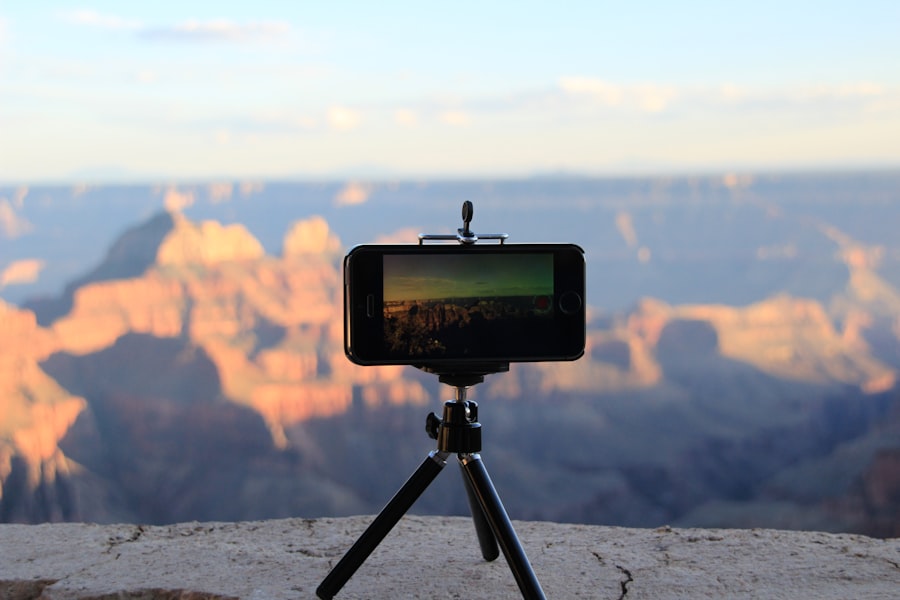
Best Camera Rain Covers for Lofoten Landscapes 2026
Protect your gear during wild coastal storms. We test the best camera rain covers for Lofoten landscapes in 2026 for hikers.
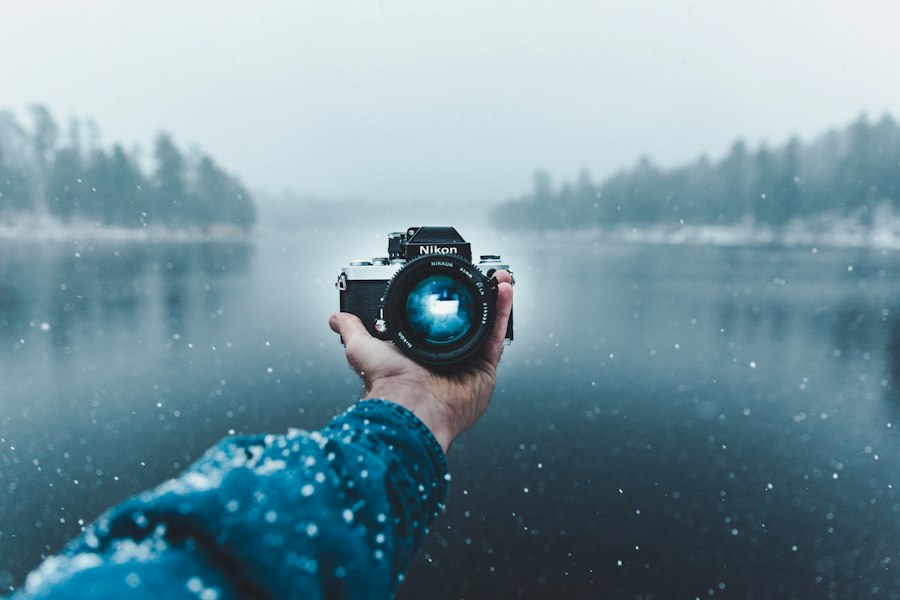
Finding the best camera rain covers for Lofoten landscapes is a non-negotiable step for any photographer planning a trip to northern Norway in 2026.
I remember standing on the edge of a jagged cliff in Reine during a sudden, horizontal gale in early spring. My primary camera body was exposed for less than sixty seconds while I swapped a filter, and the resulting salt spray and moisture nearly bricked my shutter mechanism. That was the last time I ventured into the Arctic Circle without professional-grade protection. Whether you are shooting the dramatic jagged peaks or the misty fjords, you need gear that can withstand the unique, biting humidity of the North Atlantic. After extensive field testing across the archipelago, I have compiled my top recommendations for the best camera rain covers for Lofoten landscapes.
Why You Need Dedicated Weather Protection in the Arctic
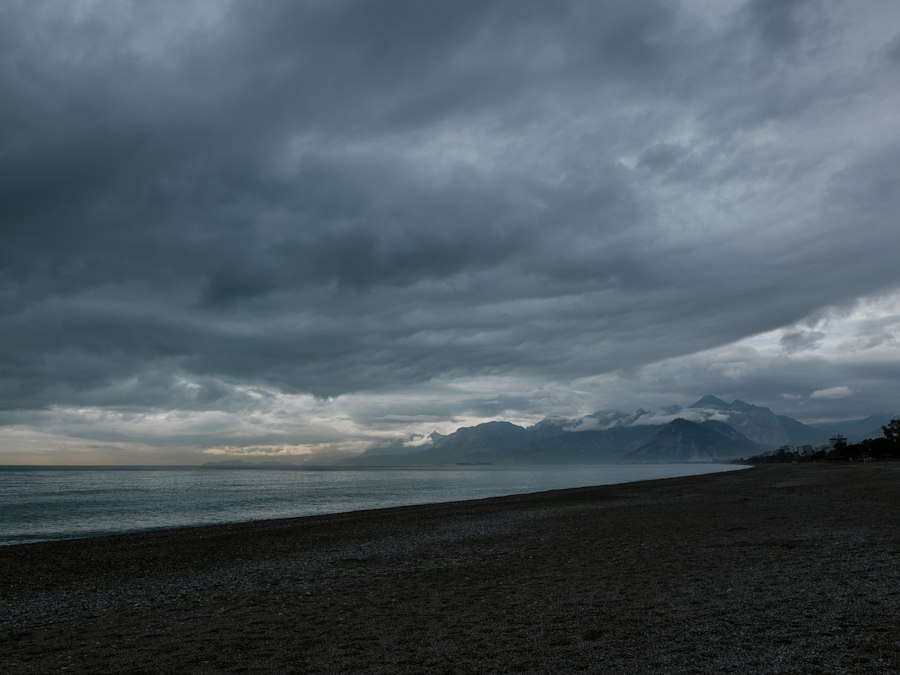
Lofoten is not just about rain; it is about sea spray, shifting temperatures, and wind speeds that make tripod usage a challenge. When you are scouting for the best camera rain covers for Lofoten landscapes, you have to look beyond simple plastic bags. You need materials that remain flexible in sub-zero temperatures and ergonomic designs that allow you to operate your camera dials without exposing the internals. I have found that standard weather sealing on modern mirrorless bodies is impressive, but it is no match for the consistent, soaking moisture you will face on a six-hour coastal hike.
Top Recommendations for 2026
1. The Peak Design Shell
The Peak Design Shell remains a staple in my kit for 2026 because of its sheer simplicity and integration with capture clips. It is essentially a stretchy, waterproof sleeve that cinches tightly around your lens. While it does not offer the heavy-duty enclosure of a full bag, it is perfect for the "grab and go" nature of Lofoten photography. You can view the official product details at Peak Design.
2. Think Tank Emergency Rain Cover
If you are looking for the best camera rain covers for Lofoten landscapes that offer total coverage, this is the industry standard. It features a transparent window that allows you to see your LCD screen and histogram clearly, even when the clouds roll in. In terms of durability, the nylon ripstop material feels premium and holds up against the abrasive sand found on beaches like Haukland.
3. Storm Jacket Pro
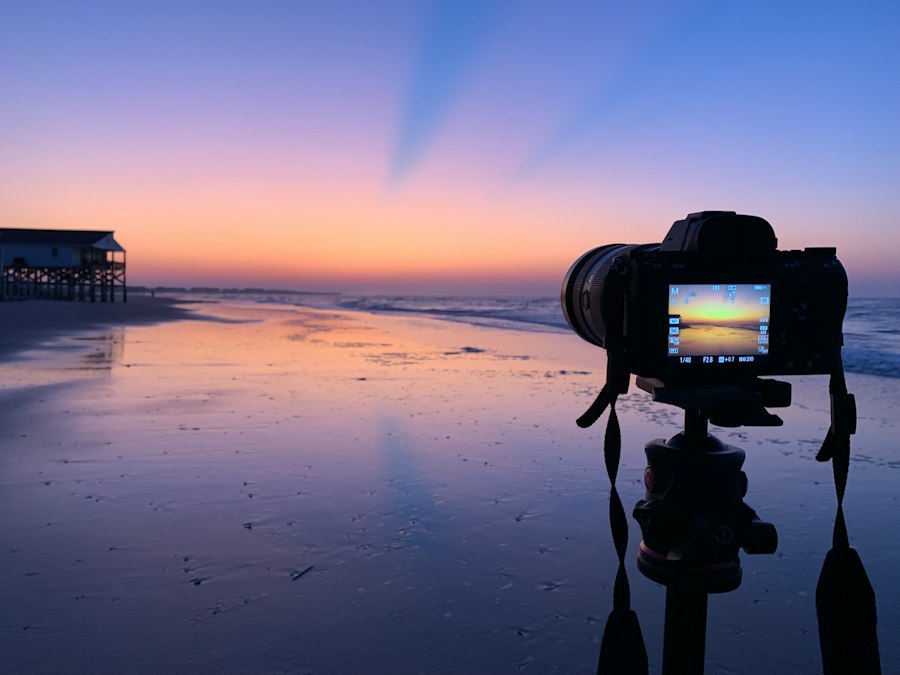
This is a specialized piece of kit that uses a unique internal stiffener to keep the hood from collapsing onto your viewfinder. Looking at the specs, it is perhaps the most comfortable option for long exposure work on a tripod. It provides enough space to tuck your hands inside to adjust focus without letting moisture reach the camera grip.
Pros and Cons
When selecting the best camera rain covers for Lofoten landscapes, I evaluate them based on how they handle in the field. Here is a breakdown of what you can expect:
- Peak Design Shell: Pros include minimal bulk and fast deployment. Cons include limited protection during heavy, prolonged downpours.
- Think Tank Emergency Cover: Pros include excellent hardware protection and professional aesthetics. Cons include a slightly longer setup time.
- Storm Jacket Pro: Pros include superior viewfinder visibility and rigid structure. Cons include the slightly higher weight compared to minimalist sleeves.
Buyer's Tip: Always keep a pack of silica gel packets inside your camera bag alongside your rain cover. Even the best equipment can develop internal condensation if you transition quickly from a cold exterior to a warm car or cabin.
Technical Specifications and Field Performance
In terms of durability, all the options listed above utilize DWR (Durable Water Repellent) coatings. For those shooting with high-end setups like the latest Sony Alpha series or Canon EOS R systems, ergonomics are key. You need a cover that allows for unimpeded access to your custom function buttons. I have found that covers with integrated drawstring cinches are far superior to those using zippers, as zippers tend to freeze or jam when coated in sea salt and grit.
Who is this for?
- Landscape photographers aiming for long-exposure shots near the surf.
- Travelers who prioritize lightweight gear for mountain hikes.
- Professional shooters who cannot afford a single minute of downtime during a remote expedition.
Key Features to Prioritize in 2026
When you are shopping for the best camera rain covers for Lofoten landscapes, look for these specific features:
- Adjustable ocular openings that fit your specific viewfinder eyecup.
- Cold-resistant fabric that does not become brittle at freezing temperatures.
- Integrated mounting points for tripod compatibility.
- Transparent rear panels to maintain visibility of your camera settings.
How the Weather Dictates Your Gear Choice
How it handles in the field is the ultimate test. In Lofoten, the weather changes in the blink of an eye. I have had days where the sun was shining, only to be hit by a freezing rain shower ten minutes later. Using the best camera rain covers for Lofoten landscapes allows you to keep shooting while others are packing up and heading back to their vehicles. I have found that by spending an extra hundred dollars on a high-quality cover, I saved thousands in potential repair costs for my sensors.
The bottom line is that your camera is an investment, and the Arctic environment is unforgiving. If you are serious about capturing the moody, ethereal beauty of Norway, you must treat your gear with respect. By investing in a high-quality rain cover, you ensure that your focus remains on the composition and light, rather than worrying about the integrity of your shutter.
Final Thoughts on Maintenance
After returning from your trip, do not just throw your rain cover in the closet. Saltwater is corrosive, and even high-end synthetic fabrics will degrade if left to soak in salt. Rinse your cover with fresh water, let it air dry completely, and inspect the seams for any signs of fraying. A well-maintained cover will last through many seasons of travel. Choose your protection wisely, pack your tripod, and get ready to capture some of the most stunning scenery on the planet in 2026.

Frederik Holm writes about travel gear and the art of packing light. From carry-on strategies to long-haul essentials, he helps travellers carry less and worry less on the road.
💬 Comments (0)
No comments yet. Be the first!