Best Travel Teleconverters 2026
Our guide to the best travel teleconverters 2026. Multiply your focal length without packing heavy, bulky wildlife telephotos.
Finding the best travel teleconverters 2026 has to offer is the ultimate shortcut to expanding your photographic reach without breaking your back or your travel budget. For years, I subscribed to the old school philosophy that if you wanted to shoot distant wildlife or compressed landscapes, you had to carry a massive, dedicated prime lens. My back ached, my carry-on bag was constantly flagged at airport security, and I missed spontaneous shots because I was too exhausted to unpack my gear. That all changed during a trip to the misty valleys of Patagonia.
I was trekking with a standard 70-200mm lens when a rare Andean condor swept across the valley. Instead of wishing for a heavy 400mm prime, I reached into my jacket pocket, snapped a lightweight extender onto my camera body, and captured the shot of a lifetime. That moment cemented my belief that a high-quality extender is an indispensable tool for any wandering photographer. In this guide, we will look at the top optics on the market today so you can choose the right one for your upcoming adventures.
Why Travel Photographers Need a Teleconverter
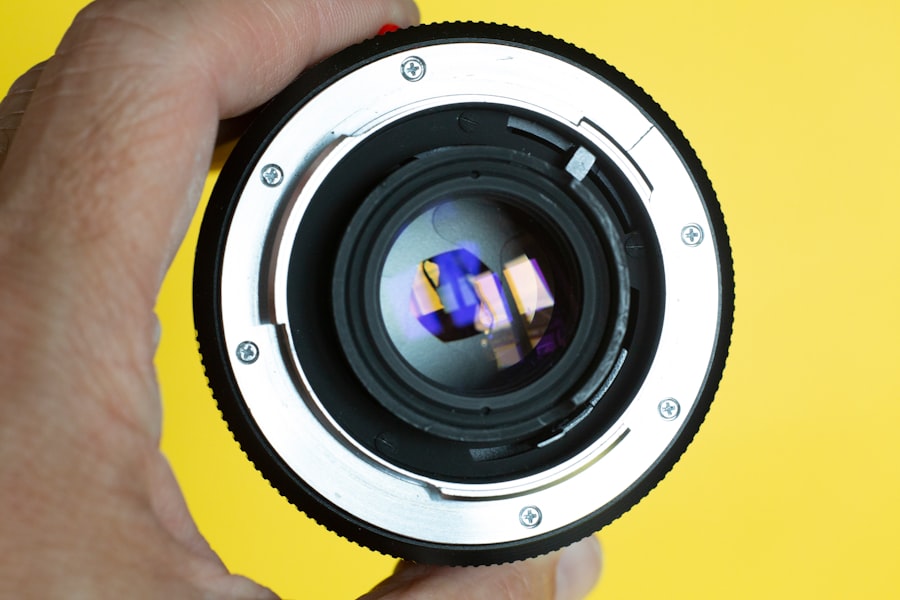
The math behind these optical accessories is incredibly simple yet powerful. By inserting a group of magnifying lenses between your camera body and your main lens, you multiply your focal length by either 1.4x or 2.0x. This allows you to transform a compact mid-range zoom into a powerful super-telephoto system in a matter of seconds.
When you are packing for an international flight, every single gram matters. Most of the options on our list of the best travel teleconverters 2026 weigh less than nine ounces and take up no more space than a coffee cup. You will appreciate the weight savings when you are hiking up a steep mountain trail or navigating crowded city streets. Instead of carrying multiple heavy lenses, you can carry one versatile zoom and a pocket-sized optical extender.
The Top Contenders for 2026
Not all glass is created equal, and choosing the wrong accessory can degrade your image quality, slow down your autofocus, and ruin your travel memories. Let us break down the absolute best options available on the market today for different camera systems.
Sony FE 1.4x Teleconverter (SEL14TC)
Looking at the specs, this compact powerhouse is designed specifically for Sony mirrorless shooters. It offers a 1.4x magnification factor with only a single stop of light loss. During my field testing with the Sony FE 70-200mm f/2.8 GM OSS II, I was amazed to find almost zero degradation in autofocus speed or tracking accuracy.
- Key Features:
- High-grade dust and moisture resistance.
- Five elements in six groups for optimal sharpness.
- Seamless communication with camera body EXIF data.
- Weight: Only 5.3 ounces (150 grams).
In terms of durability, the weather sealing matches Sony professional G Master lenses perfectly. Whether you are shooting in the humid rainforests of Costa Rica or the dusty plains of the Serengeti, this unit keeps the elements out. To learn more about compatible lenses, check out the official Sony product catalog.
Canon Extender RF 2x
For photographers who need maximum reach, the Canon Extender RF 2x is a marvel of modern optical engineering. It doubles your focal length, turning a 100-500mm lens into a staggering 200-1000mm super-telephoto monster. While you do lose two stops of light, the modern low-light performance of Canon mirrorless sensors makes this a highly viable trade-off for daytime shooting.
How it handles in the field is truly impressive. The white heat-shielding exterior paint prevents thermal expansion under the blazing sun, which is a massive plus for desert safaris. The autofocus remains incredibly snappy, even when tracking fast-moving birds. You can explore more about this optical system on the Canon official gear page.
Buyer's Tip: Always mount your extender to the lens first, and then mount the entire assembly to your camera body. This prevents the exposed rear element of the extender from accidentally knocking against the internal baffles of your camera sensor housing during a hasty swap.
How We Test Travel Optics
I do not just read spec sheets; I put this gear through real-world torture tests. To find the best travel teleconverters 2026 demands, I took these units out into harsh environments. I tested them for chromatic aberration, edge-to-edge sharpness, autofocus hunting in low light, and physical durability.
One evening in the damp forests of the Pacific Northwest, my gear was coated in a thick layer of condensation. Cheap glass would have fogged up internally, rendering the camera useless. The high-end models featured here, however, maintained their internal vacuum seals, allowing me to keep shooting without missing a beat.
Technical Specifications and Performance Trade-offs
Pros and Cons of 1.4x vs 2.0x Magnification
Choosing between a 1.4x and a 2.0x multiplier is the biggest decision you will face. A 1.4x model only costs you one stop of light and preserves almost 95% of your native lens sharpness and autofocus speed. On the other hand, a 2.0x model gives you incredible reach but costs you two full stops of light and can slightly soften your images, especially around the corners of the frame.
If you primarily shoot in bright daylight, such as open beaches or sunny mountain ranges, the 2.0x is an excellent companion. However, if you find yourself shooting wildlife during the golden hour or deep inside dense forest canopies, the 1.4x is generally the best travel teleconverters 2026 option for maintaining fast shutter speeds and low ISO levels.
What to Look for When Buying
Before you make your purchase, you must verify compatibility. Extenders are not universal accessories; they only work with specific high-end zoom and prime lenses due to physical clearance requirements. The rear lens element of some zoom lenses will physically collide with the protruding front element of the extender if they are not compatible.
You also need to evaluate the construction quality. Look for metal mounts, robust weather sealing gaskets, and advanced anti-reflective coatings. These features ensure that your investment will survive the bumps, vibrations, and humidity changes that come with international travel.
- Who is this for?
- Wildlife enthusiasts who want to travel light without heavy prime lenses.
- Landscape photographers looking to compress distant mountain peaks.
- Adventure travelers who need to minimize their luggage weight for budget flights.
- Sports photographers shooting outdoor events from the spectator stands.
The Bottom Line on Extenders
The bottom line is that a premium extender is one of the smartest investments a travel photographer can make. It breathes new life into your existing lens kit, offering a massive focal range upgrade for a fraction of the cost and weight of a new lens. By choosing from the best travel teleconverters 2026 list, you ensure that your images remain tack-sharp, your autofocus stays lightning-fast, and your camera bag remains light enough for long days of exploration. Do not let distant subjects remain out of reach on your next great adventure.
Frequently Asked Questions
What is the best travel teleconverter for a camera with built-in stabilization?
The Canon RF 1.4x is a great choice for stabilized RF lenses, offering compact size with a 2-stop light loss for flexible travel shooting.
Are there lightweight options with 1.4x magnification that fit mirrorless cameras?
Yes, the Olympus MC-14 and Fujifilm XF 1.4x are ultra-compact, adding less bulk while maintaining good image quality for mirrorless systems.
How do I choose a teleconverter that stays sharp on telephoto zoom lenses?
Pick models matched to fast pro zoom likes—say, the Sony 1.4x for GM lenses—to ensure corner-to-corner sharpness that reaches 90% of a bare lens.
Do travel teleconverters with 2x magnification work well on slower (F6-8) zoom lenses?
They can lose autofocus reduce image contrast; use on F2.8 to F4 primes like the Nikon Z 2x for better results, but manual focus is possible a walker.
What is the best budget-friendly teleconverter option for 2026 trips?
The Sigma MC-25 for DSLRs offers decent quality and low cost, though car-pano compatibility limits portunities with most dedicated travel zoom gear—try simpler pinhole designs far cheaper.

Frederik Holm writes about travel gear and the art of packing light. From carry-on strategies to long-haul essentials, he helps travellers carry less and worry less on the road.
💬 Comments (0)
No comments yet. Be the first!