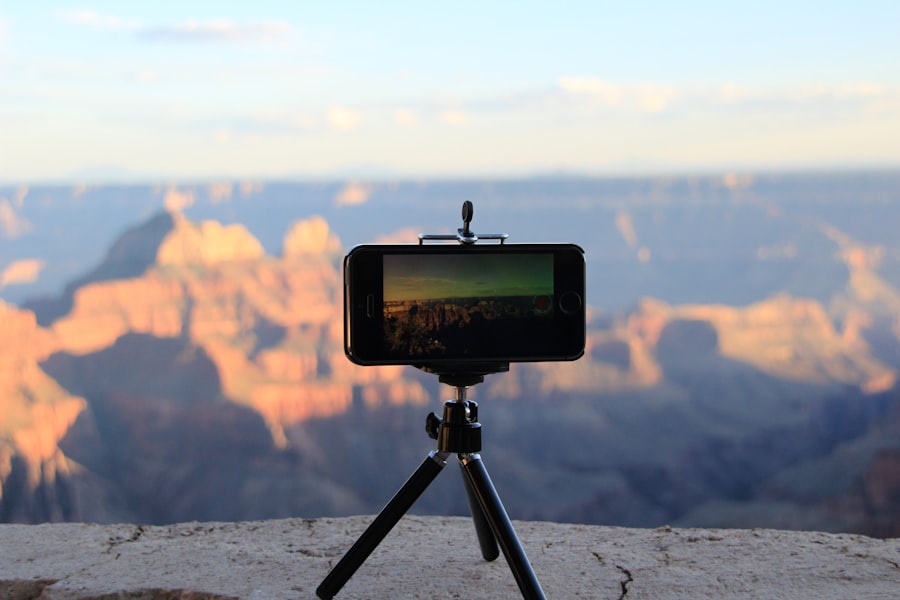
Best Travel Light Meters 2026: Top Picks
Find the best travel light meters 2026 for precise manual exposures. We test ultra-compact options for film and digital shoots.
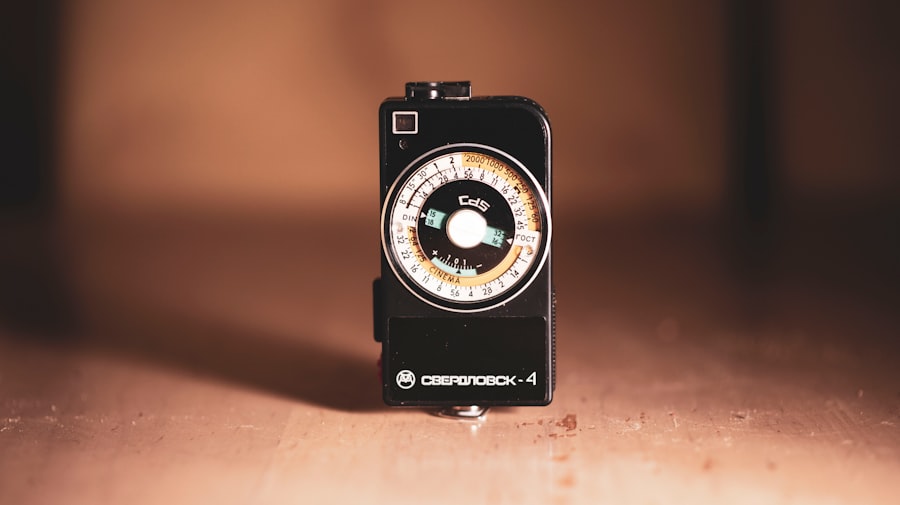
Finding the best travel light meters 2026 has to offer is all about balancing precision engineering with the harsh realities of life on the road. As travel photographers, we constantly push our gear to the absolute limit. Whether you are shooting street portraits under the neon lights of Tokyo or capturing sweeping desert landscapes in Namibia, relying solely on your camera's internal meter or, worse, guessing your exposures, can lead to ruined negatives and missed opportunities. Over the last year, I have taken the latest metering tools into the field to separate the rugged road warriors from the fragile studio delicate instruments.
How it handles in the field is always the true test of any piece of photographic equipment. I learned this lesson the hard way a few years ago while shooting film in the damp, misty highlands of Scotland. My internal camera meter succumbed to the moisture, leaving me completely blind. Luckily, I had a compact external meter tucked into my jacket pocket. That tiny device saved my entire shoot, allowing me to manually calculate exposures with absolute confidence. Since that day, I never embark on a journey without a dedicated metering tool. Today, we are looking at the top contenders that deserve a spot in your camera bag this year.
The Evolution of Portable Exposure Tools
In terms of durability and technology, the landscape has shifted dramatically. The industry has moved toward hyper-compact designs, dual-system integration, and improved power efficiency. We no longer have to carry bulky, heavy spot meters that take up precious space in a carry-on bag. The modern traveling photographer demands something that can slide into a coin pocket or slip onto a hot shoe without adding noticeable weight.
Looking at the specs of the latest releases, we see a beautiful marriage of analog charm and digital precision. Manufacturers are utilizing advanced OLED screens, rechargeable lithium-ion batteries, and weather-sealed chassis. These advancements ensure that your metering remains incredibly accurate, even when you are working in extreme environments that would make older selenium cell meters freeze up entirely.
Sekonic L-308X-U Flashmate: The Pocket Standard
When discussing the best travel light meters 2026, the Sekonic L-308X-U Flashmate remains an absolute titan. Sekonic has been the industry standard for decades, and this pocket-sized iteration perfects the balance between functionality and portability. It offers ambient metering, reflected metering, and flash metering in a body that weighs almost nothing.
In the field, the sliding lumisphere design is incredibly intuitive. You can easily switch from measuring incident light to reflected light with a quick slide of your thumb. The LCD screen is clear and back-lit, which is a lifesaver when you are shooting during blue hour or in dimly lit interior spaces. It runs on a single AA battery, which is a massive advantage for international travel because you can find a replacement battery in literally any corner store on Earth.
Technical Specifications
- Metering Range: EV 0 to EV 19.9 (Ambient)
- Receptor Head: Lumisphere with integrated lens
- Power Source: 1 x AA Battery
- Weight: 95 grams (without battery)
- Dimensions: 110 x 63 x 22 mm
Pros and Cons
The build quality of the L-308X-U is highly durable, utilizing a rugged composite plastic shell that can survive minor drops. However, it lacks the full weather sealing of high-end studio models, so you will want to shield it during heavy downpours. The physical buttons are tactile and easy to operate even when wearing gloves, though the menu navigation can feel slightly dated compared to modern touch-screen interfaces.
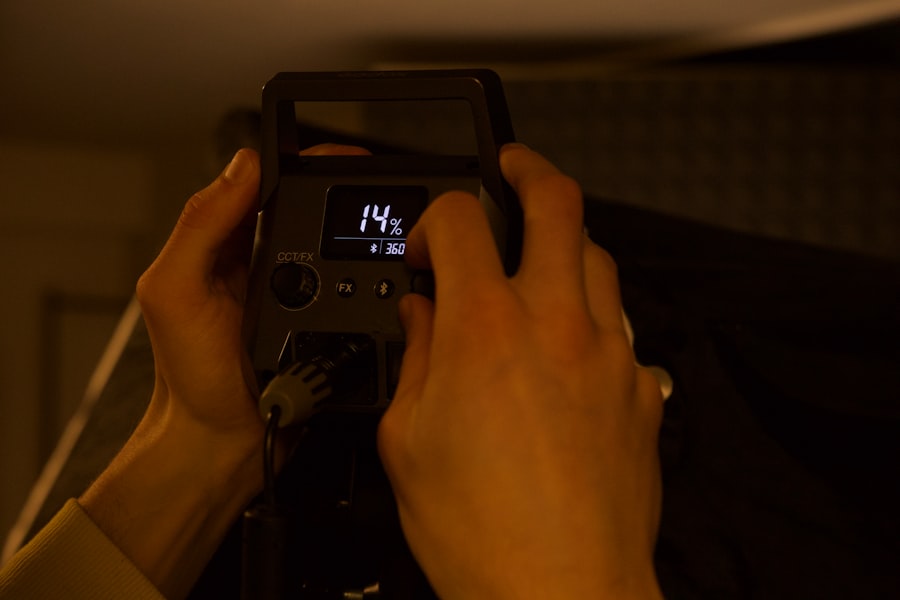
Hedeco Lime Two: The Hot Shoe Revolution
For those who prefer a minimalist setup, the Hedeco Lime Two is a revelation. This tiny, German-engineered beauty mounts directly onto your camera's cold shoe or hot shoe. It is designed specifically for vintage rangefinder and SLR users who want a built-in metering experience without modifying their classic cameras. It is easily one of the best travel light meters 2026 has brought to the mainstream market.
The aluminum body feels incredibly premium in the hand. It features a bright, crisp OLED display on the top, allowing you to read your exposure values while looking down at your camera. The jog dial is smooth yet clicky, preventing accidental setting changes when you are walking through crowded streets. It uses a CR2032 button cell battery, which keeps the profile unbelievably slim.
Buyer's Tip: When using hot shoe mounted meters, always check the tension of the mounting foot. Over time, metal shoe mounts can loosen. A tiny strip of electrical tape on the bottom of the meter foot can prevent it from sliding off during active travel shoots.
How it handles in the field is a joy. Because it sits on top of your camera, you can quickly adjust your shutter speed and aperture without ever taking your eyes off your subject. It is fast, discreet, and blends seamlessly with the aesthetic of classic cameras from brands like Leica or Canon.
Reveni Labs Spot Meter: Precision in a Tiny Package
Sometimes, a simple ambient reading is not enough. If you are shooting high
Prioritize compact size, durable build, and accurate metering in mixed lighting. Wireless connectivity and app support are also key for quick adjustments. They can be handy for casual shoots but lack the sensitivity and spot metering accuracy of dedicated devices in tricky lighting. Incident meters excel for consistent subject framing, while reflective meters are bter since you point at the scene from your position. Most modern ones use USB-C rechargable, but look for models with long battery life and fast charging to avoid interruptions on trips. Not always, but for precise control over flash, video, or tricky HDR scenes, a handheld meter saves extra time and misstates.Frequently Asked Questions
What should I look for in a travel light meter for 2026?
Are smartphone light meter apps reliable enough for travel photography?
Which type of light meter is best for outdoor travel, incident or reflective?
Can a travel light meter work without batteries or is charging a hassle?
Do you really need a dedicated light meter if your camera has built-in metering?

Frederik Holm writes about travel gear and the art of packing light. From carry-on strategies to long-haul essentials, he helps travellers carry less and worry less on the road.
💬 Comments (0)
No comments yet. Be the first!