Best Travel L-Brackets 2026
We review the best travel L-brackets 2026 to help you switch between portrait and landscape modes seamlessly.
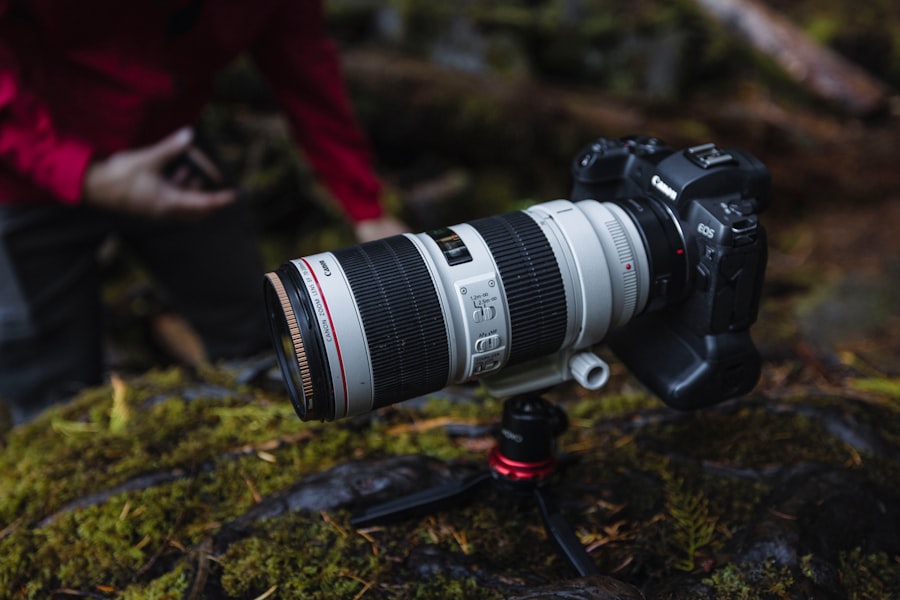
Finding the best travel L-brackets 2026 has to offer is a quest to balance weight, stability, and camera body accessibility. If you have ever tried to shoot a vertical landscape on a breezy cliffside with a standard ball head flopped over 90 degrees, you already know the frustration. The center of gravity shifts, your tripod becomes unstable, and fine-tuning your composition becomes an exercise in patience. An L-bracket solves this by keeping your camera weight centered directly over the apex of your tripod in both landscape and portrait orientations.
I have spent the last decade dragging camera gear through dusty deserts, frozen fjords, and crowded city streets. In this guide, I will break down the top L-brackets on the market this year, focusing on real-world usability, weight savings, and engineering quality so you can make the right choice for your upcoming adventures.
Why a Dedicated L-Bracket Changes Everything
Before we dive into the specific models, we need to talk about why you should skip the cheap, generic plates. A universal L-bracket might seem like a budget-friendly option, but it often blocks your camera battery door, prevents your side screen from articulating, or twists under the weight of a heavy zoom lens. Dedicated brackets are CNC-machined from a single block of aircraft-grade aluminum to fit your specific camera body like a glove.
In terms of durability, a well-made bracket acts as an exoskeleton for your camera. I learned this lesson the hard way while shooting the sunrise in Utah. My camera slipped from my shoulder strap and tumbled onto the slickrock. While the L-bracket took a nasty scratch and a dent, my camera body remained completely unscathed. It saved me a costly repair bill and allowed me to keep shooting for the rest of the trip.
Buyer's Tip: When shopping for the best travel L-brackets 2026 has on shelves, look for designs that feature an extendable vertical plate. This allows you to pull the plate away from the camera body, leaving enough room to plug in tethering cables, remote shutter releases, or intervalometers while shooting in portrait mode.
Three Footprints, One Standard: Arca-Swiss Compatibility
Almost every premium travel bracket uses the Arca-Swiss quick-release standard. However, not all Arca-Swiss clamps are created equal. Some lever-release clamps from brands like Really Right Stuff are incredibly sensitive to tiny variations in plate width. Screw-knob clamps are much more forgiving, but they are slower to operate in the field. As we evaluate the best travel L-brackets 2026 offers, we will look at how easily these plates slide into various receiver heads.
The Top Contenders for 2026
3 Legged Thing Roxie: The Mirrorless Workhorse
Looking at the specs, the 3 Legged Thing Roxie is a masterclass in dedicated design. Specifically engineered for modern mirrorless bodies, this bracket features a contoured profile that allows full access to the battery door and side ports without needing to constantly adjust the plate. It is incredibly lightweight, which is a massive benefit when you are counting every gram in your carry-on luggage.
How it handles in the field is where the Roxie really shines. The base plate features a secure, rubberized grip pad that prevents the camera from twisting, even when you are using heavy lenses. The vertical aspect of the bracket features a cut-out design, which means you can still flip and rotate your rear LCD screen on most modern camera bodies.
Peak Design Dual Plate Integration
If you are already invested in the Peak Design ecosystem, you know how convenient their Capture Clip is. Finding the best travel L-brackets 2026 compatible with both Arca-Swiss tripods and the Capture Clip can be tricky. Fortunately, several manufacturers have partnered with Peak Design to create brackets that slide seamlessly into both systems. This eliminates the need to swap plates when transitioning from hiking with a backpack clip to shooting on a tripod.
The Modular Approach: SmallRig Multi-Use Plates
For those who shoot with multiple camera bodies or anticipate upgrading their camera soon, a modular bracket is an excellent investment. SmallRig has pioneered lightweight, adjustable brackets that let you slide the vertical component out of the way or remove it entirely when you only need a bottom plate. This flexibility makes it one of the best travel L-brackets 2026 has for hybrid shooters who switch between stills and video gimbals frequently.
Technical Specifications and Comparison
To help you choose the right model, let us look at the critical specifications of these top travel brackets. Weight, port accessibility, and safety stops are the most important factors to consider before making a purchase.
- Material: Hard-anodized aerospace aluminum alloy
- Mounting Screws: 1/4 inch-20 stainless steel with hex key or coin slots
- Safety Features: Dual removable safety stop screws on both axes
- Accessory Mounts: Integrated 1/4 inch threaded holes for magic arms or microphones
- Finish: Matte black anti-reflective coating to prevent lens flare
How It Handles in the Field
When you are standing in freezing temperatures with gloves on, the ergonomics of your gear matter more than any spec sheet. A good bracket should feel like a natural extension of your camera grip. If the metal edges are too sharp, they will dig into your palms during long hand-held shooting sessions. The best travel L-brackets 2026 designs feature chamfered, rounded edges that actually improve the ergonomics of smaller camera bodies by giving your pinky finger a comfortable place to rest.
Another field consideration is weather sealing protection. High-quality brackets use stainless steel connection screws that will not rust after exposure to salt spray or heavy rain. Cheaper brackets often use low-grade steel screws that can seize up inside your camera tripod socket, creating a nightmare scenario where you cannot remove the plate.
Who is this for?
While every photographer can benefit from an L-bracket, certain shooting styles demand one more than others. Here is a breakdown of who will benefit most from upgrading their gear setup this year.
- Landscape Photographers: Essential for keeping your camera stable on a tripod in windy conditions while shooting vertical panoramas.
- Architectural Photographers: Helps maintain your perspective and sensor plane alignment when switching between horizontal and vertical compositions.
- Adventure Travelers: Perfect for those who need to minimize pack weight without sacrificing the stability of their camera platform.
- Macro Enthusiasts: Allows for precise focus stacking adjustments without shifting the center of gravity off the tripod axis.
Pros and Cons of Travel L-Brackets
To make an informed decision on the best travel L-brackets 2026 has to offer, you must weigh the advantages against the minor trade-offs. No piece of gear is absolutely perfect for every single scenario.
Pros:
- Maintains a centered load distribution on your tripod head, maximizing stability.
- Allows for lightning-fast transitions between landscape and portrait orientations.
- Adds an extra layer of physical protection to the bottom and left side of your camera body.
- Provides extra mounting points for straps, cold shoes, and articulating arms.
Cons:
- Can restrict access to side ports for cable releases or headphones on certain camera models.
- Adds a small amount of permanent weight and bulk to your camera body.
- Dedicated models can be expensive and will not fit if you upgrade to a different camera body.
The Bottom Line is
The bottom line is that investing in one of the best travel L-brackets 2026 has on the market will fundamentally change the way you shoot on the go. It eliminates the frustration of floppy ball heads, improves the sharpness of your vertical images, and protects your camera from accidental drops. Whether you choose a dedicated custom-fit bracket or a modular system, this is one piece of gear that will earn its place in your camera bag on the very first trip.
Frequently Asked Questions
What is a travel L-bracket?
A travel L-bracket is a compact, sturdy camera accessory that attaches to the tripod mount, allowing quick switching between horizontal and vertical compositions while keeping the center of gravity stable.
Why is aluminum the most common material for travel L-brackets?
Aluminum offers an excellent balance of lightweight portability and durability, making it ideal for travel without adding significant bulk.
How do I know if an L-bracket fits my camera?
Verify your camera's exact model and check the bracket's compatibility list, as many brackets are custom-molded for specific bodies to ensure a precise fit and access to ports.
Can I use a travel L-bracket with a gimbal head?
Yes, but choose a slim-profile bracket to avoid interfering with the gimbal's balance; some are specifically designed for gimbals.
Is an L-bracket better than a standard tripod plate for portrait shots?
Yes, because it slides the camera's center of gravity over the tripod's center, avoiding droop and making composition faster and more stable.

Frederik Holm writes about travel gear and the art of packing light. From carry-on strategies to long-haul essentials, he helps travellers carry less and worry less on the road.
💬 Comments (0)
No comments yet. Be the first!