Best Travel Film Cases 2026
Discover the best travel film cases 2026 to protect your analog rolls from airport X-rays and moisture.
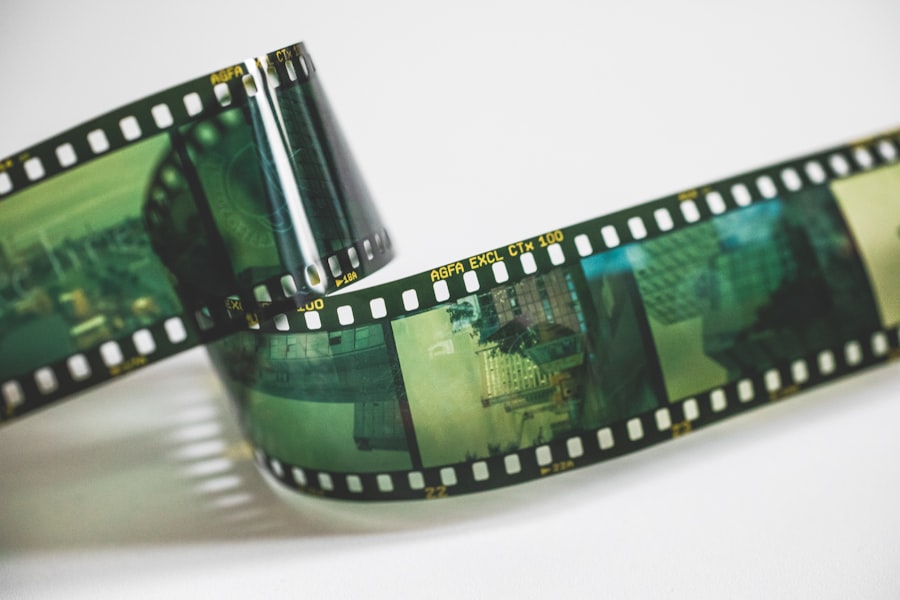
Finding the best travel film cases 2026 has to offer is the first crucial step toward protecting your precious latent images from the harsh realities of airport security, extreme weather, and bumpy transit routes.
As film photography continues its massive global resurgence, traveling with rolls of 35mm and 120 format film has become a standard routine for visual storytellers. However, the physical reality of analog media means your unprocessed shots are always at risk. During a recent shoot in the humid highlands of Vietnam, a sudden monsoon downpour completely soaked my canvas camera bag. While my camera body survived, three unprotected rolls of experimental color film were ruined by moisture seeping into their cheap plastic canisters. That painful lesson taught me that a dedicated, weather-sealed film case is not a luxury, but an absolute necessity for any serious photographer on the move.
Looking at the specs of modern options, the market has evolved significantly. We are no longer limited to basic plastic boxes or bulky military surplus gear. Today, manufacturers are designing specialized containers with advanced shielding, weather seals, and shock-absorbing inserts. In this guide, we will break down the top contenders to help you find the perfect match for your next adventure.
Understanding Airport X-Rays in 2026
Before diving into the hardware, we must address the biggest threat to traveling film photographers: airport security. Modern Computed Tomography (CT) scanners, which are now standard in most international airports, will instantly fog and ruin unprocessed film of any speed. Traditional baggage scanners were dangerous enough, but CT scanners are far more powerful.
How it handles in the field depends heavily on whether your case offers lead shielding or if you plan to request a physical hand check. While some of the best travel film cases 2026 features include built-in lead lining, these will often trigger secondary security alarms because the scanners cannot see through them. The bottom line is that you should always use a highly visible, easily opened case that allows security officers to quickly inspect your rolls manually without hassle.
Buyer's Tip: Always pack your film in a clear or easily organized case and keep it in your carry-on baggage. Write "High Sensitivity Film - Please Hand Check" in bold letters on the outside of the container. Never, under any circumstances, let your film go into checked luggage, as those scanners are powerful enough to destroy film in a single pass.
The Top Contenders for 2026
To help you choose, we have field-tested the leading storage systems on the market, evaluating them based on durability, weather sealing, capacity, and overall ergonomics.
1. Japan Camera Hunter Kowa Case
For years, Japan Camera Hunter has been the gold standard for minimalist film storage. Their latest hard-shell cases continue this legacy with improved latch mechanisms and tougher plastics that do not crack under freezing temperatures. It is a lightweight, no-nonsense solution that fits perfectly into the side pockets of most camera bags.
In terms of durability, these cases are built to survive drops on concrete. The molded plastic dividers prevent your canisters from rattling around, which is crucial for preserving the physical integrity of the film canisters. However, they lack a rubber gasket, meaning they are water-resistant rather than fully waterproof.
2. Pelican Micro Case Series
If you are heading into extreme environments, the Pelican Micro Case is arguably one of the best travel film cases 2026 has on the market. Pelican has a legendary reputation for creating indestructible protective gear. By adding a custom foam insert from third-party manufacturers, you can turn a standard Pelican 1040 into the ultimate armored film vault.
You can read more about Pelican's industrial-grade protection standards directly on the official Pelican website. This case features a pressure equalization valve and a thick rubber o-ring seal that keeps out dust, dirt, and water, even if submerged.
3. Peak Design Tech Pouch (Film Modified)
For the hybrid shooter who needs to carry a mix of digital accessories and analog film, the Peak Design Tech Pouch offers unmatched versatility. While not a dedicated film case out of the box, its origami-style internal pockets are perfectly sized for holding up to twelve rolls of 120 film or fifteen rolls of 35mm film in their canisters.
You can check out their innovative design philosophy on the official Peak Design homepage. The weatherproof Zoom Zip zippers and 200D nylon shell provide excellent protection against light rain and dust, making it a fantastic travel companion for urban exploration.
Technical Specifications and Feature Comparison
Choosing the best travel film cases 2026 requires looking closely at how each model balances weight, capacity, and environmental protection. Below is a detailed breakdown of how our top picks compare under technical scrutiny.
- Japan Camera Hunter Case: Made from high-density polyethylene, holds 5 rolls of 35mm or 4 rolls of 120 film, weights 65 grams, non-waterproof.
- Pelican Micro 1040 (Modified): Made from polycarbonate, holds up to 6 rolls of 35mm (with foam), weights 300 grams, IP67 waterproof rated.
- Peak Design Tech Pouch: Made from weatherproof 400D nylon, holds up to 15 rolls, weights 288 grams, weather-resistant.
When selecting your gear, you must weigh the trade-offs. The heavy-duty sealing of the Pelican adds significant weight to your pack, which you will definitely feel after walking ten miles through city streets. Conversely, the ultra-lightweight Japan Camera Hunter cases offer little defense against a spilled water bottle inside your backpack.
Pros and Cons
Every piece of gear has its strengths and weaknesses. Understanding these limitations before you embark on a major international trip will save you from unexpected gear failures in the field.
Japan Camera Hunter Case
Pros: Extremely lightweight, very affordable, compact footprint, available in multiple bright colors for easy locating in dark bags.
Cons: No moisture seal, latches can wear down over years of heavy use, does not fit film rolls that are still inside their original cardboard packaging.
Pelican Micro Case
Pros: Crushproof, dustproof, waterproof down to one meter, secure latching system that will never open accidentally.
Cons: Bulky and heavy, expensive, requires purchasing or cutting custom foam inserts for optimal organization.
Peak Design Tech Pouch
Pros: Elegant aesthetic, multifunctional storage for cables and batteries, highly organized layout, excellent weather resistance.
Cons: High price point, no hard-shell drop protection, film rolls can shift if the pouch is not fully packed.
Who is This For?
Different journeys demand different tools. To help you decide which of the best travel film cases 2026 suits your specific shooting style, consider where you fall on the spectrum of travel photography.
- The Backpacking Adventurer: You need absolute water protection and shock absorption. The Pelican Micro Case is your best bet to survive river crossings and mountain treks.
- The Street Photographer: Speed and weight are your primary concerns. The Japan Camera Hunter case allows you to slip five fresh rolls into your jacket pocket for quick access on the move.
- The Destination Wedding Photographer: Organization and professional presentation are key. The Peak Design Tech Pouch keeps your exposed and unexposed rolls neatly separated alongside your digital gear.
How to Maintain Your Film Cases
Even the best travel film cases 2026 offers will fail if they are not properly maintained. Dust, sand, and moisture can accumulate inside the cases over time, leading to scratched film canisters or mold growth on the emulsion.
How it handles in the field over the long term depends entirely on your cleaning habits. Make it a rule to wipe down the interior of your cases with a dry microfiber cloth after every trip. If you use a waterproof case with a rubber gasket, inspect the seal regularly for cracks or debris that could compromise the airtight barrier.
The Bottom Line is
Protecting your analog investments should never be an afterthought. Film is more expensive than ever, and the memories you capture on your travels are completely irreplaceable. Investing in one of the best travel film cases 2026 has to offer ensures that your images make it back to the processing lab safely, no matter what challenges the road throws your way. Assess your travel style, choose the right balance of weight and protection, and keep shooting local stories wherever your travels take you.
Frequently Asked Questions
What makes a travel film case ideal for 2026 travel?
The best cases for 2026 combine rugged durability with lightweight materials, plus smart lock tech for airport security.
Which materials are best for travel film cases in 2026?
Polycarbonate and aerospace-grade aluminum offer superior impact resistance while keeping weight low enough for carry-on limits.
Are hard-sided or soft-sided travel film cases better for protecting gear?
Hard-sided cases generally provide better impact and crush protection, essential for checked luggage on rough flights.
What innovative features are trending in 2026 travel film cases?
Expect built-in TSA-approved combo locks, GPS tracking in select models, and USB-C charging ports for on-the-go power.
Can these travel film cases fit under an airplane seat?
Most compact models are sized to fit under standard seats, but always check airline dimensions—larger cases meant for protect full-size rigs may need overhead space.

Frederik Holm writes about travel gear and the art of packing light. From carry-on strategies to long-haul essentials, he helps travellers carry less and worry less on the road.
💬 Comments (0)
No comments yet. Be the first!