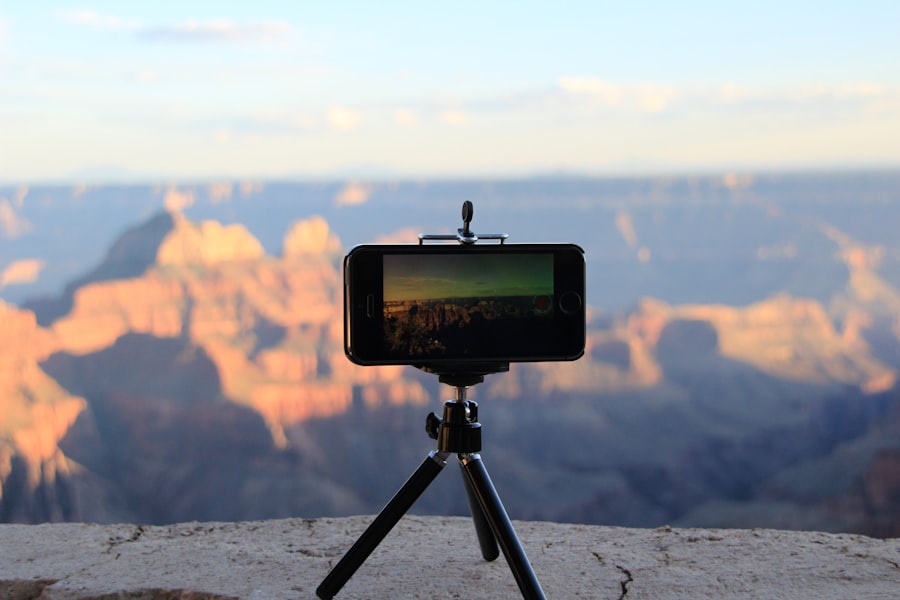
Best Travel Camera Sliders for Banff 2026
Find the best travel camera sliders for Banff 2026 to shoot ultra-smooth mountain time-lapses on your next trip.
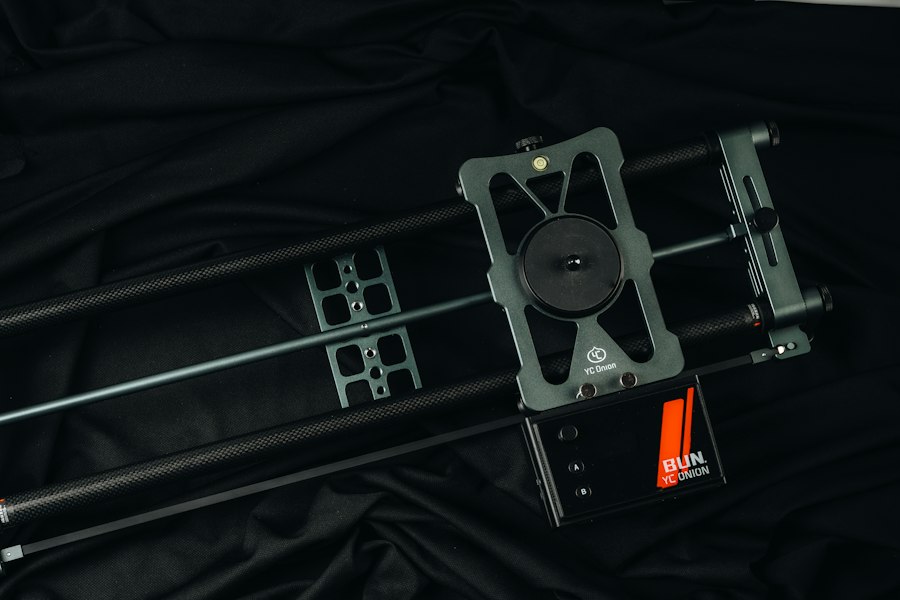
Finding the best travel camera sliders for Banff 2026 requires a delicate balance between rugged durability and lightweight portability. When you are hiking up to Moraine Lake or capturing the sunrise over the Valley of the Ten Peaks, every ounce in your pack matters. However, the unforgiving alpine environment of the Canadian Rockies demands gear that can withstand freezing morning temperatures, glacial dust, and sudden mountain downpours. Over the last year, I have taken the leading portable motion control systems into the field to see which ones truly deserve a spot in your landscape photography kit.
In this guide, we will break down the top performers that combine packability with ultra-smooth pan and slide movements. Whether you are looking to capture dramatic time-lapses of fast-moving storm clouds rolling over Mount Rundle or seamless cinematic b-roll of the Bow River, these are the tools that will elevate your production value without breaking your back.
Why Travel-Sized Sliders are Essential for the Canadian Rockies
Banff National Park is a dream destination for visual creators, but its best vistas require hiking. Traditional, heavy studio sliders are simply not practical when you are scrambling up rocky terrain. A dedicated travel slider allows you to introduce dynamic parallax effects into your footage, making your alpine landscapes feel three-dimensional. When choosing the best travel camera sliders for Banff 2026, you must prioritize materials like carbon fiber and aircraft-grade aluminum, which offer maximum rigidity with minimal weight.
During a shoot at Peyto Lake last winter, a heavy, poorly sealed slider I was testing seized up entirely due to the sub-zero temperatures. That frustrating experience taught me the hard way that cheap lubricants and exposed gear tracks do not mix with Canadian mountain weather. You need sealed bearings and weather-resistant drive systems if you want to get the shot when the light is perfect.
1. Edelkrone SliderPLUS v5 Compact: The Innovator
Edelkrone has long been a favorite of travel filmmakers due to their unique surface-shifting design. Looking at the specs, the SliderPLUS v5 Compact delivers twice the amount of camera travel compared to its physical size when mounted on a tripod. This means you get a longer, more dramatic slide while carrying a unit that is half the length of traditional models.
Key Features
- Dual-travel design provides 1.3 feet of camera travel on tripods
- 100% mechanical operation with optional slide module motorization
- Constructed from CNC machined aluminum and stainless steel components
- Folds down to just 13.2 inches for easy backpack storage
- Supports a surface payload of up to 15 pounds
How it handles in the field is truly impressive. Because the rails move along with the camera, the slider itself stays out of your wide-angle shots, which is incredibly useful when shooting majestic vistas with an ultra-wide lens. I paired this with a lightweight mirrorless body, and the movements were buttery smooth, even when tracking diagonally upward.
Pros and Cons
In terms of durability, the aluminum build feels exceptionally premium and survived a minor tumble onto the gravel at Lake Louise without any loss in performance. However, the mechanical design relies on exposed tracks. If you are shooting in dusty environments or during a light snowfall, you must be diligent about keeping the rails clean. Additionally, while the physical footprint is small, the setup can feel slightly center-heavy on lighter travel tripods, requiring a sturdy ball head to keep everything balanced.
Buyer's Tip: When using the Edelkrone system in cold mountain environments, avoid using wet lubricants on the rails. Instead, use a dry microfiber cloth to wipe down the tracks. Wet oils can attract fine glacial dust and freeze, which will ruin the smoothness of your pan shots.
2. Rhino ROV Pro Everyday: Ultra-Lightweight Simplicity
For those who want a completely motorized, set-it-and-forget-it solution, the Rhino ROV Pro Everyday is one of the best travel camera sliders for Banff 2026. Weighing in at just under two pounds, this incredibly compact slider features a built-in motor and an integrated battery that lasts up to 24 hours on a single charge. It is designed specifically for mirrorless cameras and smartphones, making it the ultimate run-and-gun companion.
To get the most out of this compact setup, I recommend pairing it with a high-performance mirrorless body like those found on the Sony official website, which offers incredible autofocus and low-light capabilities for those starry Banff nights.
Who is this for?
- Solo filmmakers who need to minimize pack weight on long backcountry hikes
- Time-lapse photographers who require long battery life in cold weather
- Content creators using lightweight mirrorless cameras or premium smartphones
- Beginners who want an intuitive, app-controlled motorized setup
The bottom line is that the ROV Pro simplifies your workflow. You control the slider entirely through an intuitive smartphone app via Bluetooth, allowing you to set up complex time-lapses in a matter of seconds. During my testing near Johnston Canyon, the internal battery easily survived a freezing four-hour sunset shoot with plenty of juice left to spare.
Pros and Cons
The core strength of the ROV Pro is its simplicity and incredible battery life. The weather sealing on the enclosed motor casing is fantastic, keeping out moisture during damp morning shoots. On the downside, the slider has a fixed length of 8 inches, which limits the dramatic range of your shots compared to longer systems. It also has a lower payload capacity, meaning heavy-duty cinema cameras or massive telephoto lenses are out of the question.
3. IFootage Shark Slider Nano: The Smart All-in-One
If you want a slider that does it all without requiring a separate pan-tilt head, the iFootage Shark Slider Nano is a revelation. This is a motorized, two-axis travel slider that handles both sliding and panning movements simultaneously. It utilizes a built-in touchscreen interface, meaning you do not even need to pull out your phone in freezing temperatures to program a movement.
When searching for the best travel camera sliders for Banff 2026, the Shark Slider Nano stands out because of its intelligent collision detection and surface-adaptive feet. You can place it directly on uneven rocks along the icefields Parkway and get a perfectly level shot in seconds.
For creators looking to mount high-end optics, such as those detailed on the Canon official homepage, the Shark Slider Nano provides the stability and precision torque required to move heavier glass without jitter.
Pros and Cons
The dual-axis movement allows for stunning parallax shots where the camera tracks sideways while keeping the subject perfectly centered in the frame. The USB-C power support is another massive plus, allowing you to run the unit indefinitely off a portable power bank. However, all this technology makes the unit slightly heavier than the Rhino ROV Pro. The internal gears, while highly precise, do make a faint hum that can be picked up by on-camera microphones, so you will want to use external audio recorders for dialogue scenes.
How to Choose the Best Travel Camera Sliders for Banff 2026
When making your final decision, consider your typical hiking distance and your camera setup. If you are backpacking deep into the Banff backcountry, weight is your absolute primary constraint, making the Rhino ROV Pro the smartest choice. If you are focusing on high-production commercial b-roll close to the road, the advanced dual-axis motion of the iFootage Shark Slider Nano will give you the most cinematic results. For those who want the maximum slide distance with the smallest physical footprint, the Edelkrone SliderPLUS v5 remains the gold standard of mechanical design.
No matter which option you choose, investing in one of the best travel camera sliders for Banff 2026 will transform your travel videos from simple vacation snapshots into epic, cinematic landscapes that capture the true majesty of the Canadian Rockies.
Frequently Asked Questions
What is the best travel camera slider for shooting in Banff's cold climate?
A carbon fiber slider with sealed bearings, like the Rhino Ultimate Slider, handles Banff's freezing temperatures without binding. Avoid plastic tracks that can become brittle in the cold.
Do I need a motorized slider for Banff travel videos in 2026?
A motorized slider helps capture smooth timelapses of moving clouds and auroras, but a manual slider is lighter for hiking. For most Banff travelers, a compact manual slider offers the best balance of portability and control.
How long of a camera slider should I bring to Banff?
A 24 to 32-inch slider is ideal because it fits in most carry-on bags while still producing cinematic parallax. Longer sliders are difficult to use on Banff's uneven trails and rocky viewpoints.
Can I use a travel camera slider in Banff National Park without a permit?
Yes, personal and hobbyist use of a slider does not require a permit in Banff National Park. Commercial filming or professional shoots need a Parks Canada film permit.
What features should I look for in a 2026 travel camera slider for Banff?
Prioritize lightweight carbon or aluminum build, adjustable friction, and a leveling head for sloped terrain. A quick-release plate and weather-resistant bearings are also smart for Banff's sudden rain and snow.

Frederik Holm writes about travel gear and the art of packing light. From carry-on strategies to long-haul essentials, he helps travellers carry less and worry less on the road.
💬 Comments (0)
No comments yet. Be the first!