Best Camera Lens Wipes for Seascapes 2026
Protect your glass from salt spray with the best camera lens wipes for seascapes 2026, hand-tested on rugged coasts.
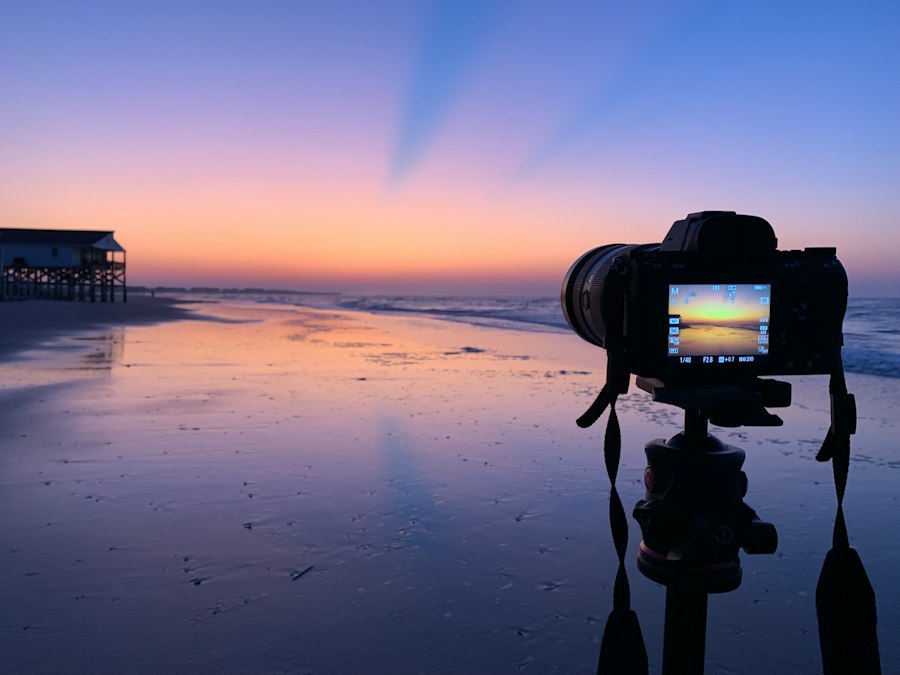
Finding the best camera lens wipes for seascapes 2026 can mean the difference between capturing a pristine, high-contrast coastal sunset and returning home with a memory card full of ruined, soft-focus images. As any outdoor photographer knows, the ocean is a beautiful but hostile environment for optical glass. Between the airborne salt spray, howling winds kicking up fine sand, and the constant threat of condensation, your lenses are under siege the moment you set up your tripod. Over the years, I have ruined more than my fair share of expensive anti-reflective coatings by using sub-par cleaning materials in a panic. That is why finding the right cleaning solution is just as important as choosing your primary focal length.
How it handles in the field is the ultimate test for any piece of cleaning gear. You cannot rely on a standard microfiber cloth when salt water is involved because dry wiping salt crystals will scratch your glass instantly. In this comprehensive round-up, we are going to look at the top-performing disposable wipes engineered specifically to handle the harsh, corrosive elements of marine environments so you can keep shooting safely through 2026 and beyond.
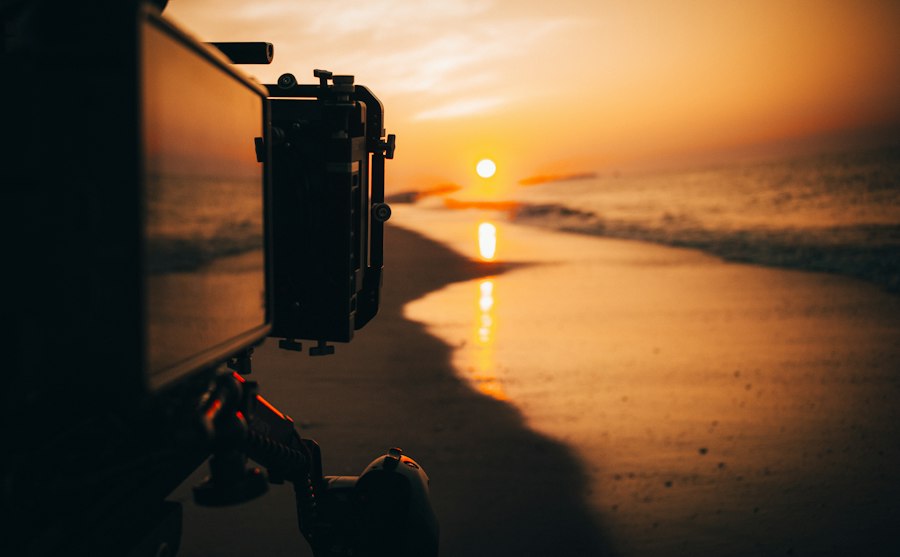
The Crucial Role of Wet Wipes in Coastal Photography
When you are standing on a wet rock matrix with waves crashing around you, the air is thick with aerosolized salt. This salt mist settles on your front element, dries rapidly, and leaves behind a crusty, highly abrasive layer of sodium chloride crystals. If you try to wipe this off with a dry cloth, you are essentially rubbing sandpaper across your multi-thousand-dollar optics.
To safely clean this residue, you need a pre-moistened wipe that can dissolve the salt crystals on contact while lifting away oily smudges without leaving annoying streaks behind. Looking at the specs of modern cleaning materials, the fluid composition is just as critical as the paper itself. High-quality wipes utilize high-purity isopropyl alcohol or specialized, ammonia-free optical surfactants that evaporate instantly, leaving zero residue for the wind to catch.
Buyer's Tip: Never use standard household glass wipes or facial tissues on your camera lenses. These consumer products often contain wood pulp fibers that scratch delicate coatings, or added lotions and scents that leave a greasy film behind. That film then traps salt dust, which is exactly the problem you were trying to solve.
What Separates a Field-Ready Wipe From a Desk Drawer Dud
Most wipes sold at big-box stores are built for eyeglasses and phone screens, not for a front element getting hammered by sea air at f/11. The difference shows up fast in three places: saturation level, sheet strength, and dry-down time.
Saturation matters because a barely damp wipe will drag salt across the coating instead of dissolving it. A properly saturated sheet holds enough solvent to break down dried salt and still leave a clean pass on the second stroke. Sheet strength matters because cheap paper tears mid-wipe, and a torn fragment stuck to your glass is a genuine emergency when the tide is coming in.
Dry-down time is the one photographers overlook. If the solvent lingers, wind-blown sand sticks to the wet surface and you are back to square one. The best camera lens wipes for seascapes 2026 flash off in seconds, which is why alcohol-forward formulas keep winning on the coast even as gentler options gain ground indoors.
Sealed Packets Beat Bulk Tubs Every Time on the Shore
A tub of wipes is convenient in a studio. On a beach, it is a liability. Every time you peel the lid back, humid, salty air rushes in and starts degrading the stack. Individually sealed packets solve this, and they also let you stash a few in a jacket pocket, a dry bag, and a camera holster without committing your whole supply to one location.
I have watched a photographer lose an entire tub to a single rogue wave that soaked his bag. His lens survived. His wipes did not. Sealed singles cost more per unit, but the math changes when you are three miles from the car and the only thing standing between you and a salt-crusted front element is one foil packet.
Technique Matters as Much as the Product
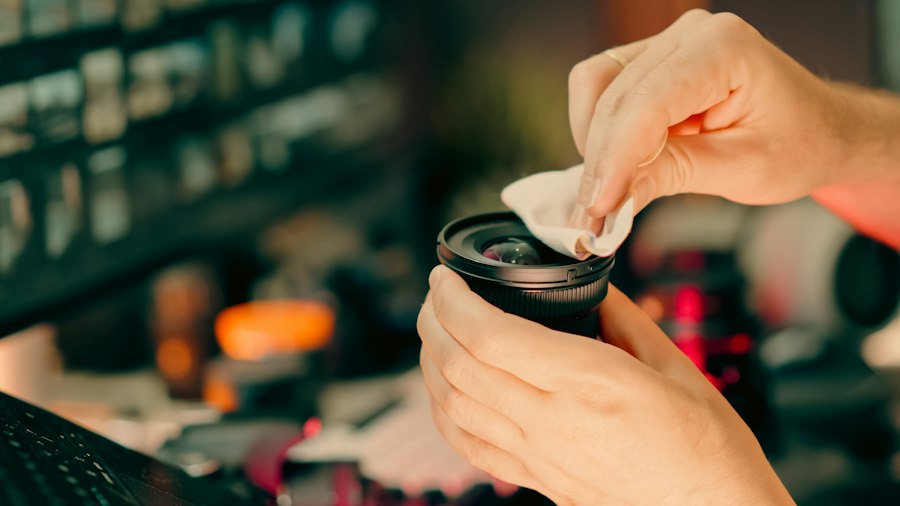
Even the best camera lens wipes for seascapes 2026 will fail if you use them wrong. Start by blowing or brushing off loose grit. Then wipe in a single direction, not circles, so you lift contaminants off the glass rather than grinding them back in. Use one wipe per pass and throw it away. A second pass with the same dirty sheet just redistributes salt.
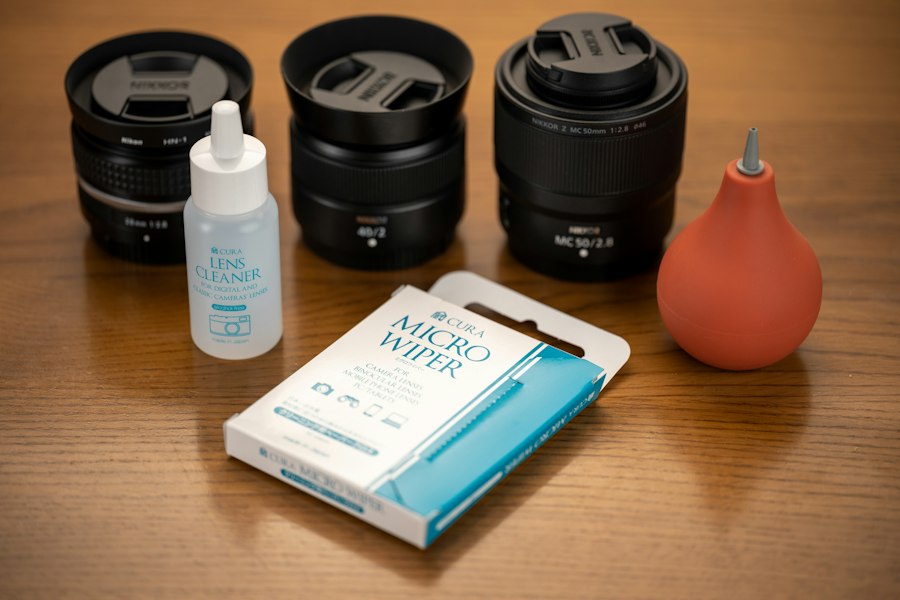
Keep a rocket blower and a soft brush in the same pouch as your wipes. The wipe is the final step, not the first. Photographers who skip the blower are the ones who post about scratched coatings on forums every winter.
Frequently Asked Questions
Can I use the best camera lens wipes for seascapes 2026 on a UV filter instead of the lens itself?
Yes, and many coastal shooters do exactly that. A sacrificial UV or clear filter takes the salt hit, and you clean it with the same wipe you would use on the front element. If the filter gets scratched, you replace a cheap accessory instead of a lens.
How often should I clean my lens while shooting by the ocean?
Check the front element every fifteen to twenty minutes, or after any wave splash or heavy spray. Wipe only when you see visible residue. Over-cleaning with any solvent, even a mild one, wears coatings over years of use.
Are alcohol-based wipes safe for modern lens coatings?
High-purity isopropyl alcohol is standard in optical cleaning and evaporates without residue. Avoid drugstore rubbing alcohol, which contains water and additives. If your lens has an older or unusually soft coating, test on a filter first.
What if I run out of wipes on location?
Use a clean microfiber cloth with a few drops of distilled water as a stopgap, then dry with a second cloth. Never use seawater, spit, or a t-shirt. Those three shortcuts have ended more lenses than any storm.
Pack more wipes than you think you need, keep them sealed, and treat every coastal shoot as if the salt is already airborne. It usually is.

Frederik Holm writes about travel gear and the art of packing light. From carry-on strategies to long-haul essentials, he helps travellers carry less and worry less on the road.
💬 Comments (0)
No comments yet. Be the first!