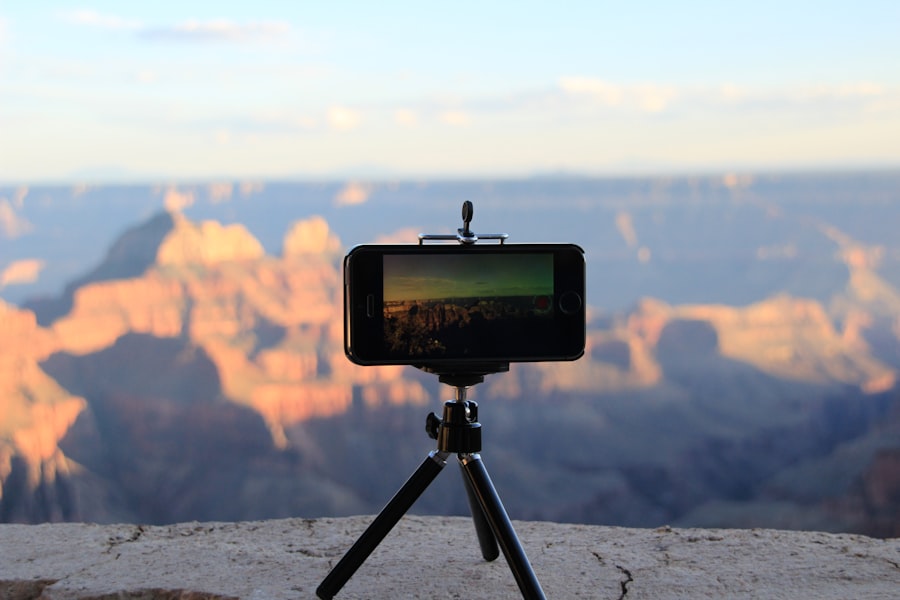
Wadi Rum Landscape Photography Spots
Master Wadi Rum landscape photography with this 2026 camera guide to capturing Jordan's majestic red rock arches.
Wadi Rum Landscape Photography Spots
Embarking on a journey to capture the essence of Wadi Rum landscape photography is a dream realized for any visual storyteller. This UNESCO World Heritage site, often referred to as the Valley of the Moon, offers a surreal blend of sandstone mountains, vast red sand dunes, and ancient petroglyphs that seem to defy the laws of physics. Whether you are a professional photographer or an enthusiast with a camera, the dramatic terrain of Jordan provides endless opportunities to refine your craft.
The Golden Hour Magic at the Red Sand Dunes
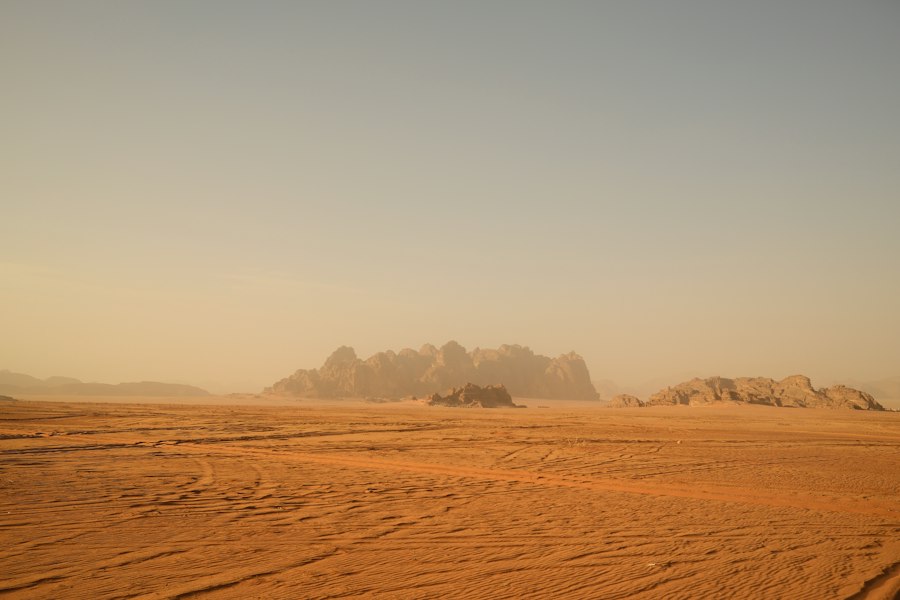
There is no better place to begin your quest for the perfect shot than the sprawling red sand dunes that stretch toward the horizon. These dunes are not just mounds of sand; they are sculpted masterpieces of nature. When you arrive during the golden hour, the low angle of the sun casts long, velvet-like shadows across the ridges, creating a high-contrast environment that is perfect for artistic compositions.
Mastering the Texture
To capture the fine texture of the sand, set your aperture to around f/11 to ensure deep focus. Position yourself at a low angle, nearly touching the sand, to include the foreground grains in your frame. This framing technique provides a sense of scale, leading the viewer's eye from the immediate foreground toward the distant, towering mountains. If you find the light is too harsh, wait for the sun to drop behind a ridge to get a soft, diffuse glow that emphasizes the curves of the dunes.
- Use a circular polarizer to cut the glare on the sand grains.
- Bring a wide-angle lens (16-35mm) to capture the vastness of the landscape.
- Experiment with silhouetting your subjects against the bright, glowing horizon.
Pro Photography Tips: For the best Wadi Rum landscape photography results, shoot in RAW format to recover detail in the shadowed dunes during post-processing.
Exploring the Burdah Rock Bridge
The Burdah Rock Bridge is perhaps the most iconic natural arch in the region, suspended high above the desert floor. Reaching this spot requires a bit of physical exertion, as it involves a moderate trek, but the reward is an unparalleled vantage point that serves as a frame for the surrounding wilderness.
Angles and Composition
When you stand underneath or near the bridge, your composition options expand significantly. Try to align your lens so that the arch acts as a natural frame for the sandstone cliffs in the distance. This creates a "picture within a picture" effect. The vibe here is raw and ancient; your images should reflect the scale of the rock by including a person or a 4x4 vehicle in the frame to show just how massive the bridge truly is.
The Nabatean Petroglyphs
History buffs and photographers alike will find themselves mesmerized by the ancient carvings found at the base of the mountains. These rock art pieces provide a unique contrast to the natural elements, offering a human narrative to your desert shots. These spots are excellent for macro work where you focus on the weathered stone texture and the etched figures.
Technical Settings for Stone Details
Because the carvings are often located in shaded areas of the canyon walls, you may need a tripod to compensate for slower shutter speeds. Avoid using direct flash, as it will wash out the texture. Instead, wait for reflected light from the desert floor to naturally illuminate the carvings, which will help you highlight the depth of the incisions.
Sunset Views from Jebel Khazali
Jebel Khazali is a massive mountain that houses an incredible narrow canyon filled with history. The canyon walls themselves are a treasure trove for those interested in Wadi Rum landscape photography. The way the light bounces off the orange-hued stone creates a warm, ethereal glow that is unlike any other place on Earth.
Chasing the Light
As the afternoon transitions into dusk, the color temperature of the canyon shifts from vibrant orange to deep, moody purples. This is the moment to adjust your white balance settings manually. If you are shooting during this period, set your camera to a "Cloudy" or "Shade" white balance to enhance the warmth of the rocks and maintain the desert vibe.
- Arrive at least two hours before sunset to scout the perfect angle.
- Use a tripod to keep your composition tight as the light fades.
- Bring a microfiber cloth to frequently wipe dust off your lens.
The Desert Camps at Night
Wadi Rum landscape photography does not stop when the sun goes down. The night sky in this region is remarkably free of light pollution, making it a world-class destination for astrophotography. Whether you are staying in a luxury bubble tent or a traditional Bedouin camp, the juxtaposition of a glowing tent against the star-filled Milky Way is a must-have image.
Capturing the Milky Way
To capture the stars, you will need a fast lens—ideally f/2.8 or wider. Set your ISO to 3200 or 6400, and use a long shutter speed of about 15 to 20 seconds. Use the "Rule of 500" to calculate the exposure time so that the stars remain sharp points of light rather than streaks. Frame your shot with the silhouette of a desert camp in the lower third to give the sky context.
Wadi Rum Landscape Photography: The Um Frouth Rock Bridge
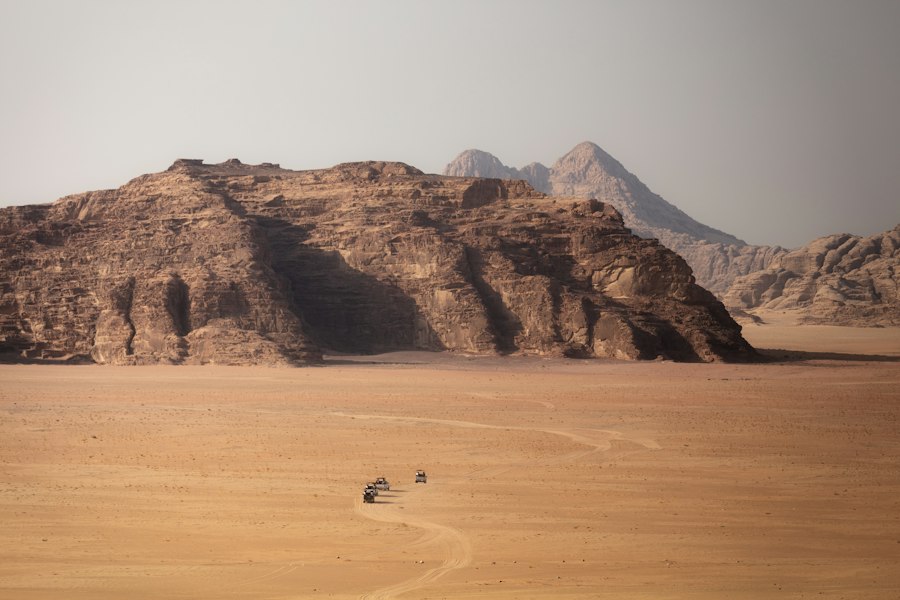
Another spectacular arch, the Um Frouth bridge, is more accessible than Burdah and offers fantastic climbing opportunities for those looking to get a high-altitude shot. Climbing to the top requires caution, but once there, you can point your camera downward to capture the winding tracks of the desert 4x4s, which add a beautiful leading line to your frame.
Compositional Flow
The tracks left in the sand by vehicles act as powerful leading lines. When composing your shot from the top of the arch, wait for a vehicle to move through the frame. The contrast between the mechanical tread and the untouched natural sand creates a compelling narrative about human presence in this vast, desolate landscape.
Pro Photography Tips: Always carry extra batteries, as the cold desert nights in Wadi Rum can drain your gear significantly faster than standard conditions.
Essential Gear and Logistics
To truly master Wadi Rum landscape photography, your gear kit must be practical and protective. The desert is a harsh environment characterized by fine sand and extreme temperature fluctuations. Protecting your equipment is just as important as knowing your camera settings.
- Weather-sealed camera bodies are highly recommended to prevent sand ingress.
- A sturdy, sand-resistant tripod is non-negotiable for long exposures.
- Carry multiple memory cards; you will likely take far more photos than you anticipate.
When planning your visit, keep in mind that the best lighting occurs either at sunrise or just before sunset. During the middle of the day, the light is often too vertical and harsh for high-quality landscape work. Use these midday hours to scout locations, drink local tea with the Bedouin guides, and rest, so you have the energy to hunt for the perfect golden hour composition when the light finally softens. The desert is a place of patience; the longer you stay in one spot, the more the light changes, revealing new textures and colors in the rock face that were invisible just minutes before.
Frequently Asked Questions
What is the best time of day to photograph Wadi Rum's landscapes?
The golden hours around sunrise and sunset offer soft, warm light and long shadows that highlight the desert's textures. Midday sun is harsh, so plan hikes and shoots for early morning or late afternoon.
Which iconic rock formations in Wadi Rum should I not miss?
Don't miss the Khazali Canyon inscriptions, the Burdah Rock Bridge, and the Um Fruth Rock Bridge. These spots provide dramatic foregrounds against the vast desert backdrop.
How can I capture the scale of Wadi Rum's vast desert?
Include a human figure, camel, or 4x4 vehicle in the frame to show scale. Wide-angle lenses and a low vantage point also emphasize the immense landscape.
What equipment is essential for landscape photography in Wadi Rum?
Bring a sturdy tripod, a wide-angle lens, and a telephoto lens for distant formations. Also pack lens cleaning supplies to protect against sand and dust.
Are there any restrictions or permits needed for photography in Wadi Rum?
For personal landscape photography, no special permit is usually required, but you must respect Bedouin land and ask before entering camps. Commercial or drone photography requires prior approval from the Aqaba Special Economic Zone Authority.

Oliver Janssen scouts the best photography spots in every destination, from sunrise viewpoints to overlooked angles on famous landmarks. He shares exactly where to stand and when to be there for the shot.
💬 Comments (0)
No comments yet. Be the first!