
Top 10 Seville Orange Tree Streets Photo Spots
Discover the most Instagrammable orange tree-lined streets in Seville for your photography portfolio in 2026.
Top 10 Seville Orange Tree Streets Photo Spots
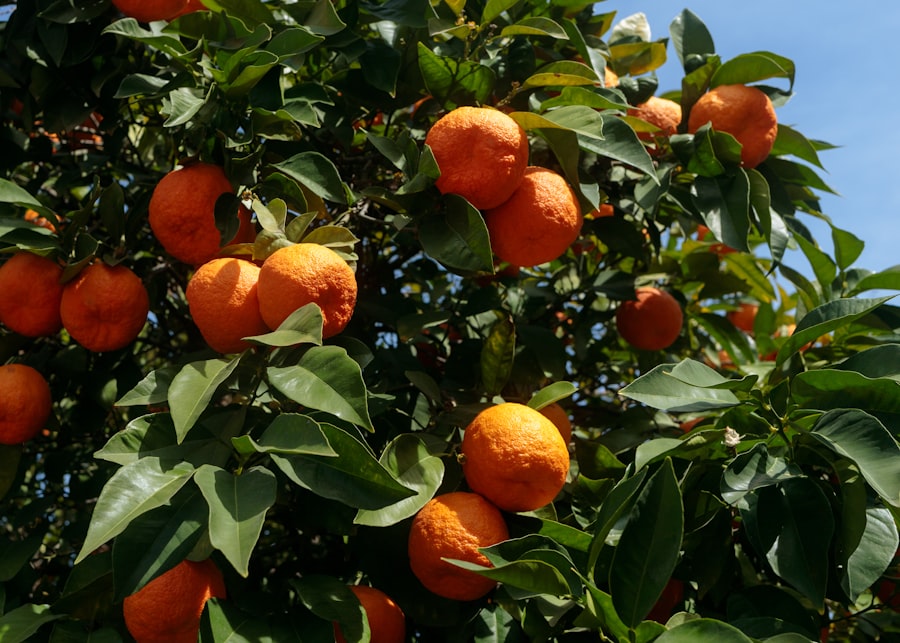
If you are chasing the dreamy, golden light that dances through the branches of the Seville orange tree streets, you have come to the perfect place. These iconic, fragrant corridors are the heart of Seville's visual identity – a photographer's paradise where the bitter orange trees (naranjos amargos) burst with fruit in winter and shade the cobblestones in summer. In this guide, I'll walk you through the top ten locations where you can capture the city's most photogenic orange-lined avenues, from the bustling Plaza Nueva to the hidden patios of Santa Cruz. I'll share exact walking directions, insider lighting tips, and the camera settings that will make your images pop. Let's dive in.
1. The Enchanting Alleys of Santa Cruz
The Jewish Quarter is a labyrinth of narrow, whitewashed streets where orange trees seem to sprout from every corner. This area offers intimate framing opportunities and a timeless vibe that feels straight out of a movie set.
Calle Agua
Calle Agua (Water Street) runs parallel to the Alcazar's walls, with a row of mature orange trees that lean over the ancient pavement. The best angle is to shoot from the end of the street looking toward the Cathedral – the trees create a natural foreground frame. For composition, use a wide-angle lens (24-35mm) to capture the full canopy and the contrasting blue sky. Lighting: early morning (8-9AM) gives soft, directional light that outlines the leaves. Avoid noon harshness. Settings: f/8 for depth, ISO 100, shutter 1/250s. Walk from the Plaza de Santa Cruz (follow signs to Calle Agua). This spot is featured on TripAdvisor as a top photo location.
Pro Photography Tips: Use a polarizing filter to reduce reflections on the glossy leaves and deepen the blue sky. Also, try a vertical panorama stitching two shots to include the full tree height and the ground texture.
Callejón del Agua
A tiny alley off Calle Agua, this spot is often missed by tourists. A single orange tree arches over the entrance, creating a natural vignette. Frame it with a 50mm lens at f/2.8 to blur the background and emphasize the fruit. The vibe is quiet and romantic – perfect for candid portraits. Shoot in the late afternoon (4-5PM) when the sun streams through the leaves from the west. Walk: from the Plaza de los Venerables, take the second right.
2. Along the Guadalquivir River
The riverbanks offer a different perspective – orange trees mixed with palm trees and historic bridges. The light here is especially beautiful during the golden hour.
Puente de Isabel II (Triana Bridge)
From the Seville side of the bridge, look down at the Paseo de Cristóbal Colón. A double row of orange trees lines the promenade leading to the Torre del Oro. Shoot from a low angle to make the trees look monumental. Use a telephoto lens (85-135mm) to compress the distance and isolate the trees against the river. Settings: f/5.6, ISO 200, shutter 1/500s. Best light: 30 minutes before sunset – the warm glow on the bridge arches is magic. Walk: cross the bridge from Triana, then turn left onto Paseo de Cristóbal Colón.
Plaza de la Torre del Oro
This small plaza features a cluster of orange trees that perfectly frame the Torre del Oro tower. For composition, use the rule of thirds – place the tower on the right third with an orange tree branch on the left. The reflection in the river adds a symmetrical element if you shoot from the water's edge. Camera: 16-35mm at f/11 for sharpness from foreground to tower. Arrive at 7AM to avoid crowds and capture the soft pastel light. Directions: from the Torre del Oro, walk toward the river and stand at the railing.
3. The Grand Avenue of Sierpes
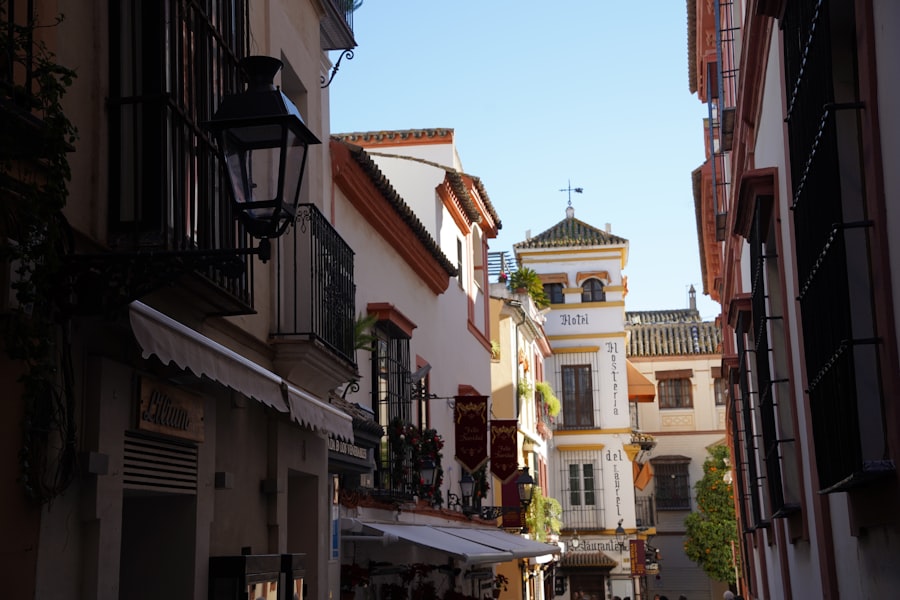
Calle Sierpes is Seville's main shopping street, but it is also lined with majestic orange trees that form a green tunnel. The energy is vibrant, and the human element adds life to your shots.
Crossroads with Calle Velázquez
Stand at this intersection and shoot diagonally – the converging lines of trees and buildings create a strong leading line. Use a wide aperture (f/4) to separate the trees from the pedestrians. The vibe is bustling and joyful. Lighting: midday? Surprisingly yes – the canopy filters the harsh light, creating soft dappled shadows. Settings: auto ISO up to 800, shutter 1/320s. Walk: from Plaza Nueva, head north on Calle Sierpes for 200 meters.
- Best lens: 24-70mm for versatility.
- Recommended time: 10AM-12PM for even lighting through the leaves.
- Pro tip: Use burst mode to catch people walking through the light patches.
4. The Botanical Paradise of Maria Luisa Park
This sprawling park is home to the most photographed orange tree avenue in Seville: the Paseo de las Delicias. But there are hidden spots too.
Paseo de las Delicias
A grand, straight avenue flanked by towering orange trees that meet overhead. The symmetry is breathtaking. Shoot from the center of the path with a 24mm lens at f/10 to keep everything sharp. For a creative angle, kneel down and include the ground tiles as a leading line. Lighting: golden hour (5-6PM in summer) casts long shadows that emphasize the tree trunks. Walk: enter the park through the main gate near the Plaza de España, then follow the central path southeast for about 10 minutes. According to Lonely Planet, this is a must-see for photographers.
Pro Photography Tips: For a dreamy effect, shoot at f/2.8 and focus on a single branch of oranges in the foreground – the rest of the avenue will blur into a bokeh wonderland. Use a UV filter to protect your lens from the inevitable dust.
Glorieta de los Lotófagos
A quieter roundabout within the park, surrounded by old orange trees and a small fountain. The composition possibilities are endless: include the fountain as a reflection pool. Use a slow shutter (1/30s) if the water is still. The vibe is serene and meditative. Shoot at blue hour (just after sunset) for deep navy skies and warm streetlights. Directions: from the Paseo de las Delicias, turn left at the Estanque de los Patos.
- Camera settings for blue hour: f/8, ISO 400, shutter 1/15s (use a tripod).
- Recommended lens: 35mm or 50mm prime for low light.
- Pro tip: Use a remote shutter to avoid camera shake.
5. The Classic Callejon and Plaza near the Cathedral
The area surrounding the Giralda offers some of the most iconic orange tree frame shots – the combination of Gothic architecture and citrus foliage is pure poetry.
Plaza Virgen de los Reyes
This small square in front of the Cathedral's main entrance features four perfectly placed orange trees. Frame the Giralda tower between two trees for a natural architectural portrait. Use a 70-200mm lens at 100mm to compress the scene. Lighting: morning sun (9-10AM) illuminates the tower from the south, creating beautiful detail on the brickwork. Settings: f/7.1, ISO 100, shutter 1/400s. Walk: exit the Cathedral's main door, go left to the square.
Calle Alemanes
A narrow street running along the Cathedral's north side. The orange trees here are older, with gnarled branches that create interesting patterns against the stone. Shoot from the middle of the street looking east at sunset – the warm light backlights the leaves, making them glow. Composition: include the metal street lamps for a layered foreground. Settings: f/5.6, ISO 200, shutter 1/250s. Walk: from Plaza de la Encarnación, head south down Calle Alemanes.
- Best time: 30 minutes before sunset.
- Use a lens hood to reduce flare from the backlit leaves.
- Experiment with black and white conversion to emphasize the textures.
6. The Hidden Gem near Metropol Parasol
Less known but equally stunning, the streets around the modern Metropol Parasol (Las Setas) offer a contrast between old orange trees and futuristic architecture.
Calle Regina
A quiet residential street where orange trees grow from small planters in the center. The vibe is local and authentic – laundry hanging and scooters parked. Shoot from a low angle to include the Parasol structure in the background, creating a surreal juxtaposition. Use a 24mm lens at f/8 for depth. Lighting: late afternoon (5PM) when the Parasol's shadows create interesting geometric patterns on the street. Settings: ISO 200, shutter 1/320s. Walk: from the Metropol Parasol's entrance, go east on Calle Regina for two blocks.
Final Composition & Camera Setup Recap
To make the most of your Seville orange tree streets photography, follow these universal tips. Always carry a circular polarizer to cut glare on glossy leaves. Use a tripod for low-light shots in the park or at blue hour. Experiment with both horizontal and vertical orientations – vertical works best for tall tree canopies, horizontal for wide avenue shots. And remember: the real magic happens when you slow down, observe the light, and let the fragrant breeze guide your eye. Happy shooting!
Frequently Asked Questions
What are Seville orange tree streets?
Seville orange tree streets are picturesque roads in Seville lined with bitter orange trees, renowned for their beauty during the spring blooming season.
When is the best time to photograph the orange trees?
Late winter to early spring (February-April) is ideal when the trees are in full bloom and the streets are most scenic.
Which street is a must-visit for orange tree photos?
Calle Sierpes is famous for its long rows of mature orange trees, creating a fragrant and photogenic canopy above shoppers.
Are there less crowded spots for photography?
Yes, try Plaza de la Giralda park or Barrio Santa Cruz alleys early morning for quieter scenes with stunning tree backdrops.
Can I legally pick the Seville oranges for photos?
No, they are owned by the city, but touching or holding fallen ones for a quick shot is generally acceptable.

Sophie Lefebvre writes about the most photogenic places to visit, pairing stunning locations with the practical details of getting there. She helps travellers find the views worth planning a whole trip around.
💬 Comments (0)
No comments yet. Be the first!