
Top 10 Madrid Colorful Streets Photo Spots
Discover the most Instagrammable colorful streets in Madrid in 2026 – from La Latina to Malasaña, perfect for your photo feed.
Top 10 Madrid Colorful Streets Photo Spots
If you are hunting for the most vibrant locations to capture, you have come to the right place because Madrid colorful streets are some of the most photogenic in all of Europe. From the bohemian alleyways of Malasana to the historic plazas of La Latina, this city bursts with saturated hues at every corner. I have spent countless mornings and evenings wandering these neighborhoods with my camera, and today I am going to share my personal top 10 photo spots that will make your feed explode with color. Get ready to explore, shoot, and fall in love with Madrid's visual poetry. Whether you are a seasoned professional or a weekend warrior with a smartphone, these locations will reward you with stunning frames that scream authenticity.
1. Calle Cava Baja – The Heartbeat of La Latina
This narrow, winding street is the soul of Madrid's oldest quarter. You will find facades painted in warm ochre, terracotta, and deep crimson, all layered with the glow of hanging lanterns and overflowing flower boxes. The vibe here is electric from midday until late night, with tiny tapas bars spilling patrons onto the cobblestones. For photography, the best approach is to position yourself at the intersection with Calle de la Cava Alta and shoot downward to capture the perspective lines of the street narrowing into the distance. The light in late afternoon casts long, dramatic shadows that carve out the textures of the stone and plaster.
Pro Photography Tips: Use a wide-angle lens at 16-24mm to exaggerate the depth of the street. Set your aperture to f/8 or f/11 to keep both the foreground details and the distant buildings sharp. Bracket your exposures if the contrast between sunlit walls and shadowed doorways is too extreme.
Golden Hour Magic
Arrive about 90 minutes before sunset. The sun sets behind the street alignment, so the entire corridor glows with a warm, diffused light that softens the rough edges of the old masonry. You will notice the reds and oranges of the facades become almost saturated to the point of looking surreal. This is the moment to switch to a portrait orientation and focus on a single colorful doorway with a waiter or a local walking past for scale. The combination of warm light and human presence gives the shot a narrative quality that is hard to replicate at any other time of day.
Framing the Facades
Look for the small balconies with wrought-iron railings and trailing ivy. Use the archways of the tapas bars as natural frames within your frame. Position yourself so that the curve of an archway leads the eye directly to a brightly painted wall at the end of the street. This creates a layered composition that invites the viewer to explore the image slowly. For smartphone shooters, tap to expose on the brightest part of the facade and then pull down the exposure slider slightly to preserve the highlight details.
2. Calle de la Palma – Malasana's Artistic Artery
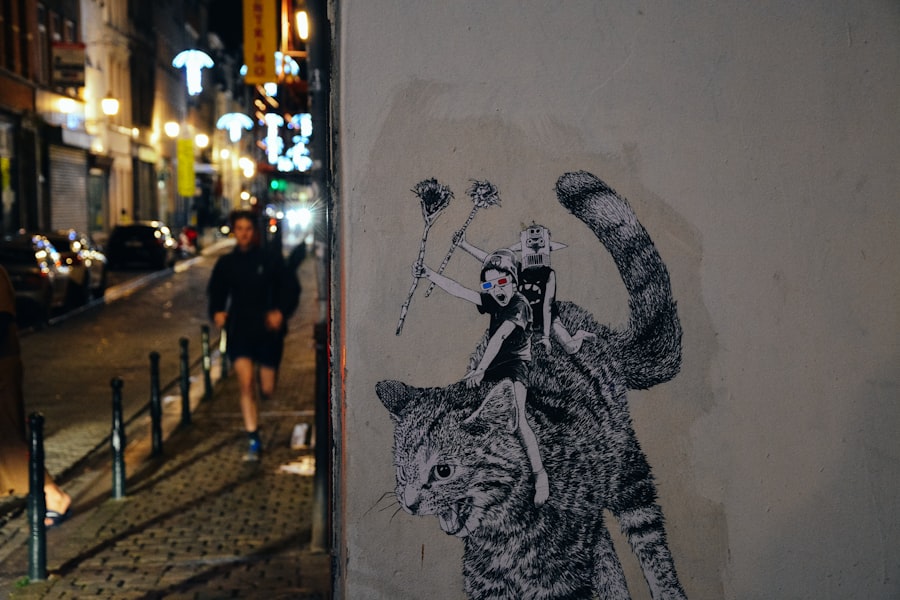
Malasana is the creative pulse of Madrid, and Calle de la Palma is its most colorful spine. The street is a living gallery of massive murals, paste-up art, and graffiti that changes almost weekly. The vibe is raw, youthful, and unpolished. Every few steps you will encounter a wall that demands to be photographed. The trick here is to treat the street art as your backdrop and wait for a person in brightly colored clothing to walk into the frame. The contrast between the urban art and a human silhouette creates a dynamic street photography shot.
Pro Photography Tips: Use a fast shutter speed of at least 1/250s to freeze any movement from pedestrians. Shoot in aperture priority mode at f/4 to blur out distracting background elements while keeping the main mural sharp. For the best color accuracy, set your white balance to "daylight" even if the light is slightly cool, then warm it up in post-processing.
Street Art Composition
Do not just shoot the murals straight on. Experiment with extreme low angles by placing your camera near the ground and tilting upward. This makes the artwork loom over the viewer and adds a sense of monumentality. Alternatively, find a balcony above the street and shoot downward to capture the pattern of the pavement tiles contrasting with the explosions of color on the walls. The street is busiest on weekends, so plan a weekday morning shoot if you want cleaner frames with fewer people.
Vintage Shops and Colorful Storefronts
The ground-floor shops along Calle de la Palma are painted in pastel pinks, mint greens, and buttery yellows. These storefronts are perfect for flat-lay style compositions where you shoot directly facing the facade. Include the signage and any objects displayed outside – a bicycle, a potted plant, a stack of vintage records. These small details add texture and context. For a cohesive Instagram grid, keep the same color palette across three or four consecutive shots and then post them as a carousel.
3. Calle de la Cruz – Literary Quarter Charm
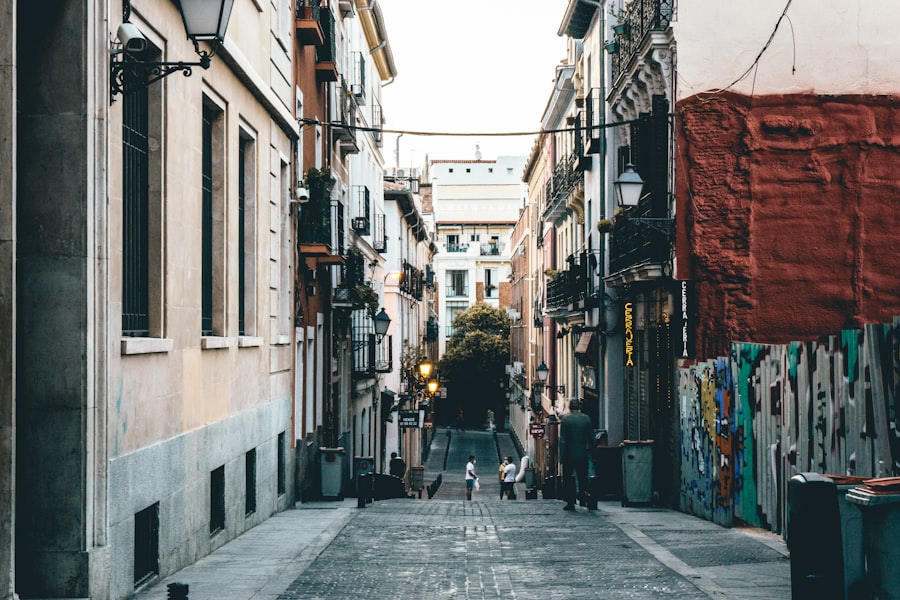
In the Barrio de las Letras, Calle de la Cruz offers a more refined kind of color. The buildings are painted in soft lavenders, dusty blues, and pale pinks, with wrought-iron balconies and old-fashioned gas lamps. The vibe here is romantic and quiet, especially in the early morning before the crowds arrive. This is where Miguel de Cervantes once walked, and the literary history seeps into every brick. The street is narrow enough that the buildings on either side create a natural canopy of color overhead.
Literary Angles and Soft Light
The best time to shoot Calle de la Cruz is within the first hour after sunrise. The low angle of the sun illuminates the upper floors while leaving the ground level in soft shadow. Use a telephoto lens at 70-100mm to compress the perspective and make the buildings appear even closer together. This compression enhances the feeling of being enclosed in a colorful tunnel. Look for the ceramic plaques on the walls that mark the former homes of writers – they make excellent detail shots that add historical depth to your collection.
4. Calle del Oso – Lavapies Color Explosion
Lavapies is Madrid's most multicultural neighborhood, and Calle del Oso is its most vibrantly painted spine. The buildings here are adorned with murals and mosaics that reflect African, Latin American, and Indian influences. The vibe is chaotic, energetic, and wonderfully unpolished. You will find bright yellow walls next to deep purple ones, with doors painted in turquoise and orange. The street is also home to several community gardens and cultural centers that add greenery to the color palette.
Multicultural Vibe and Framing
Use a standard zoom lens at 24-70mm to capture the variety of colors in a single frame. Position yourself at the corner of Calle del Oso and Calle de la Fe and shoot diagonally to include a mix of painted walls, hanging plants, and a slice of the sky. The best framing trick here is to use a person walking through the frame as a scale element. The human figure gives the viewer a sense of how large and intense the surrounding colors are. For post-processing, increase the vibrance by 10-15% and slightly boost the clarity to bring out the texture of the painted surfaces.
5. Calle de Pelayo – Chueca's Rainbow Spirit
Chueca is Madrid's LGBTQ+ hub, and Calle de Pelayo is its proudest, most colorful thoroughfare. Rainbow flags, pastel facades, and avant-garde boutiques line this street, creating a visual festival that lasts all year. The vibe is celebratory, inclusive, and full of life. Every balcony seems to have flowers, every doorway is painted in a bold color, and every corner offers a new composition. This street is perfect for portrait photography because the backgrounds are already so visually rich.
- Best time to shoot: Late morning for even light without harsh shadows. Avoid the afternoon siesta hours when the street is empty.
- Recommended lens: A 35mm prime lens for a natural field of view that includes the environment without too much distortion.
- Color editing tip: In Lightroom, use the HSL panel to desaturate the greens slightly and boost the reds and oranges to make the warm tones pop against the blue sky.
6. Calle de Segovia – Ancient Views and Warm Tones
This historic street descends from the Royal Palace toward the Manzanares River, offering panoramic views of the Casa de Campo and the distant mountains. The buildings along Calle de Segovia are painted in the classic Madrid palette – terracotta, saffron, and cream. The vibe is grand and historic, with a sense of ancient continuity. The curve of the street creates a natural leading line that draws the eye from the foreground to the background.
Golden Hour Majesty
Shoot from the top of the street looking down during the last 30 minutes before sunset. The sun will backlight the entire scene, creating a warm haze that softens the edges of the buildings. Use a small aperture of f/11 or f/16 to create a starburst effect from the point light sources. Include a person or a street lamp in the foreground to give the viewer a sense of scale. The combination of the warm light, the curved street, and the distant palace creates a composition that feels both intimate and monumental.
7. Calle de la Cava Alta – Hidden Gem in La Latina
Running parallel to Calle Cava Baja, this quieter street offers a more intimate experience. The colors here are slightly more muted but no less beautiful – think faded pinks, washed-out blues, and aged whites. The vibe is relaxed and residential, with fewer tourists and more locals going about their day. This is the street where you can take your time to compose the perfect shot without anyone rushing into your frame.
- Walking directions: From the Plaza de la Cebada, walk east for two blocks. The street is the second left after the market.
- Unique framing: Look for the small courtyards visible through open gates. These hidden patios are often painted in vibrant blues and greens and make for excellent detail shots.
- Lighting advice: The street is shaded for most of the day, so shoot in the early afternoon when the sun is high enough to clear the rooflines.
8. Plaza de la Paja Surroundings – Medieval Color Palette
The area around Plaza de la Paja is one of the oldest in Madrid, with buildings dating back to the 15th century. The colors here are rich and earthy – deep burgundies, forest greens, and ochre yellows. The vibe is medieval and serene, with the nearby Basilica of San Miguel adding a sense of sacred calm. The narrow alleys that radiate from the plaza are lined with ivy-covered walls and flower-filled window boxes.
Historical Palette and Texture
Use a macro lens or the macro mode on your smartphone to capture the details of the old stonework and the peeling paint on the wooden doors. These textures tell the story of the city's history and give your shots a tactile quality. Compositionally, frame the plaza from the steps of the basilica, using the arches of the portico as a frame within the frame. The interplay between the warm sunlight and the cool shadows of the arcade creates a natural depth that is very pleasing to the eye.
9. Calle de Alcala near Retiro – Grand Colors of the City
While the main stretch of Calle de Alcala is grand and monumental, the section near the Retiro Park offers a more colorful experience. The buildings here are painted in soft pastels and feature ornate balconies with elaborate ironwork. The vibe is elegant and refined, with the park's greenery adding a natural contrast to the city's architecture. This is a great spot for wide-angle shots that include both the buildings and the tree-lined boulevard.
- Recommended camera settings: ISO 100 for maximum sharpness, aperture f/8 for deep depth of field, and a polarizing filter to reduce glare from windows and increase color saturation.
- Best angle: Stand in the middle of the pedestrian crossing near the Puerta de Alcala and shoot directly down the street. The symmetry of the buildings on either side creates a powerful composition.
- Time of day: The hour after sunrise offers the best light, with the sun coming from behind you and illuminating the facades evenly.
10. Calle de Postas – Plaza Mayor's Colorful Neighbor
Just steps from the Plaza Mayor, Calle de Postas is a narrow, bustling street that is often overlooked by photographers. The buildings are painted in bright yellows and warm whites, with colorful awnings and hanging signs that add character. The vibe is lively and commercial, with shops selling everything from fans to churros. This street is perfect for capturing the energy of Madrid's old town in a single frame.
The best composition is to stand at the entrance of the street from the Plaza Mayor and shoot toward the far end. The perspective lines of the buildings on both sides will converge in the distance, creating a strong sense of depth. Wait for a moment when a group of people is walking toward you, then shoot at a shutter speed of 1/125s to capture a slight motion blur that conveys the energy of the city. For the final touch, warm up the color temperature in post-processing to enhance the golden tones of the buildings and the awnings.
Exploring these Madrid colorful streets with your camera is one of the most rewarding experiences you can have as a photographer. Each street has its own personality, its own light, and its own palette of colors waiting to be captured. Whether you spend a full week or just a weekend in the city, these ten locations will give you a diverse and stunning collection of images that truly represent the visual soul of Madrid. For more travel inspiration and detailed guides on where to shoot in Europe, check out the recommendations on TripAdvisor and Lonely Planet, which offer additional context on the neighborhoods and their cultural significance. Grab your camera, put on comfortable shoes, and get ready to fill your memory cards with the most vivid street photography you have ever captured. The Madrid colorful streets are calling, and they are waiting to be framed through your lens.
Frequently Asked Questions
What are the most colorful streets in Madrid for photography?
Top spots include Calle de la Cava Baja, Calle de Segovia, and the streets of La Latina neighborhood.
When is the best time to photograph Madrid's colorful streets?
Early morning or late afternoon provides the best natural light and fewer crowds.
Are there any specific colorful buildings or murals I should look for?
Yes, look for the vibrant houses on Calle de la Cava Baja and the street art in Malasaña.
Do I need a special camera to capture the colors well?
No, any camera or smartphone can capture the colors, but a polarizing filter can help reduce glare.
Are these streets safe for solo photographers?
Yes, these areas are generally safe, but always stay aware of your surroundings and belongings.

Sophie Lefebvre writes about the most photogenic places to visit, pairing stunning locations with the practical details of getting there. She helps travellers find the views worth planning a whole trip around.
💬 Comments (0)
No comments yet. Be the first!