
Top 10 Seoul Cafe Interior Photo Spots 2026
Discover the most aesthetic seoul cafe interior spots for your feed. Unique themes, lighting, and design in 2026.
Top 10 Seoul Cafe Interior Photo Spots
If you are searching for the best seoul cafe interior spots to capture with your camera, you have come to the right place. Seoul is a city that takes its coffee culture seriously, and the interiors of its cafes are nothing short of breathtaking design experiences. From converted hanok houses with centuries-old wooden beams to brutalist concrete bunkers and whimsical vintage parlors, every corner of this city offers a new visual narrative waiting to be framed. In this guide, I will walk you through ten of the most photogenic cafe interiors in Seoul, sharing tips on lighting, angles, composition, and framing so you can walk away with portfolio-worthy shots. Whether you are a professional photographer or a passionate hobbyist, these spaces will ignite your creativity and fill your memory card with stunning images.
Why Seoul Cafes Are a Photographer's Paradise
Seoul's cafe scene is unlike any other in the world. The city is obsessed with aesthetic perfection, and cafe owners invest heavily in interior design, lighting, and spatial flow. Many of these spaces are designed by award-winning architects and interior designers, making each visit a mini art exhibition. For photographers, this means every cafe is a carefully curated set. The play of natural light through floor-to-ceiling windows, the texture of exposed brick and concrete, the contrast of warm wood against cool steel - these elements create endless opportunities for stunning compositions. The seoul cafe interior spots on this list have been chosen not just for their beauty, but for their variety. You will find everything from minimalist white spaces to maximalist vintage dens, from lush green conservatories to raw industrial lofts. The city's cafe culture is deeply intertwined with its design identity, and visiting these places is like walking through a living portfolio of contemporary Korean aesthetics. Each location offers unique opportunities to experiment with angles, lighting conditions, and compositional techniques that you simply cannot find anywhere else.
Historic Hanok Conversions
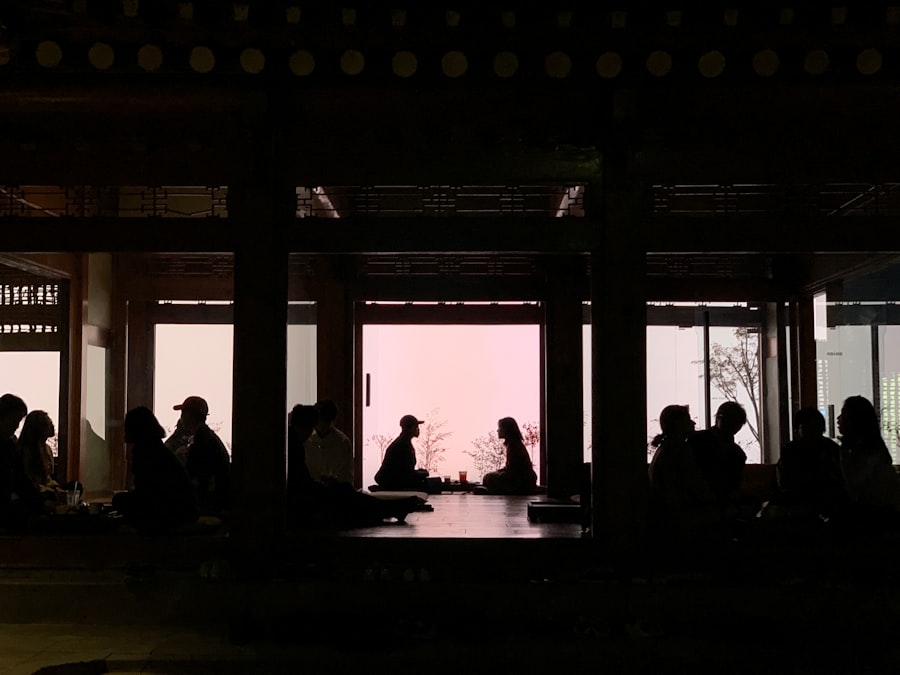
One of the most unique aspects of Seoul's cafe culture is the repurposing of traditional Korean hanok houses. These historic homes, with their curved tile roofs, wooden rafters, and papered windows, have been given new life as coffee shops. The juxtaposition of old and new creates a visual tension that is incredibly photogenic. The history of these structures dates back to the Joseon Dynasty, and walking into one feels like stepping back in time. The natural materials - wood, clay, stone, and paper - interact with light in a way that modern materials cannot replicate. For photographers, this means soft, diffused light and rich, warm tones that are perfect for both interior and portrait photography.
Cafe Onion - Anguk
Cafe Onion in Anguk is perhaps the most famous hanok conversion in Seoul. Located in a quiet alley near the Anguk subway station, this cafe occupies a beautifully restored 1930s hanok. The original wooden beams, clay-tiled roof, and courtyard garden have been preserved, while modern minimalist furniture and lighting have been added. The result is a space that feels both historic and contemporary. The best time to photograph here is in the late morning when the sun streams through the paper windows, casting a soft, diffused glow across the wooden floors. For composition, try shooting from the courtyard looking into the main room - the framing of the doorways creates a natural vignette. Use a wide-angle lens (16-24mm) to capture the full scope of the interior architecture. The vibe here is calm, meditative, and deeply Korean. To get here, take exit 3 from Anguk station and walk straight for about 8 minutes. The cafe is on your right, set back from the main road behind a low stone wall.
Pro Photography Tips: Arrive by 9 AM on a weekday to avoid crowds. Use a 35mm or 50mm lens for intimate detail shots of the wooden textures. Set your white balance to "shade" to warm up the natural light filtering through the hanok paper windows. Shoot at f/2.8 to separate your subject from the background while keeping enough detail in the wood grains.
Nakwon Coffee - Bukchon
Tucked away in the Bukchon Hanok Village, Nakwon Coffee is a hidden gem that many tourists miss. This two-story hanok cafe features a rooftop terrace with panoramic views of the village's tiled roofs. The ground floor interior retains the original ondol structure, with low wooden tables and floor cushions. The walls are adorned with contemporary Korean art, creating a dialogue between tradition and modernity. For the best photos, shoot from the stairwell looking up - the spiral staircase is a fantastic leading line that draws the eye upward through the frame. The lighting is warm and golden in the late afternoon, perfect for portrait shots. The history of this building is fascinating - it was originally a private residence built in the 1940s and was converted into a cafe only five years ago. To get here, take exit 2 from Anguk station and walk straight for about 10 minutes, then turn right at the sign for Bukchon Village. Follow the winding alley for another 3 minutes and you will find the cafe on your left with a small wooden sign.
Modern Minimalist Marvels
If you prefer clean lines, white walls, and geometric precision, Seoul's modern minimalist cafes will be your paradise. These spaces are all about negative space, natural light, and architectural purity. They are designed to be photographed, with every element carefully considered for its visual impact. The lighting in these spaces is often controlled and deliberate, creating dramatic shadows and highlights that add depth to your images. For photographers who love symmetry, leading lines, and minimalist compositions, these cafes offer endless possibilities. The vibe is usually quiet and contemplative, allowing you to take your time and experiment with different angles and framing techniques.
Anthracite Coffee - Hannam
Anthracite Coffee in Hannam is a brutalist dream. Housed in a former shoe factory that dates back to the 1970s, the interior is raw concrete, exposed ductwork, and industrial steel. The centerpiece is a massive coffee roasting machine that dominates the space - it was imported from Germany and is over 40 years old. The lighting is dramatic: shafts of sunlight cut through the high windows, creating stark contrasts between light and shadow. For composition, use the concrete pillars as frames within your frame. The vibe is edgy, urban, and very "Seoul cool." This is one of the most photographed seoul cafe interior spots for a reason. Camera settings: shoot at f/8 to f/11 to keep the entire scene in focus, and underexpose by one stop to retain shadow detail in the concrete. To get here, take exit 1 from Hannam station and walk for 12 minutes. The cafe is located in a repurposed industrial complex behind a large steel gate.
Blue Bottle Coffee - Samcheong-dong
Blue Bottle Coffee in Samcheong-dong is a study in minimalist perfection. The interior is all white walls, pale wood, and glass. The signature element is the long, single-slab wooden counter that stretches the length of the cafe - it was crafted from a single 500-year-old Korean red pine tree. Natural light floods in from the floor-to-ceiling windows, making it ideal for bright, airy shots. The key to photographing here is symmetry - the space is perfectly symmetrical, so line up your shot dead center for a stunning architectural portrait. The vibe is clean, crisp, and zen-like. This location is a short walk from Anguk station and is busiest in the afternoons, so aim for early morning or late evening. Use a 24mm lens to capture the full length of the counter, and shoot at f/5.6 for maximum sharpness across the frame.
Front Seoul
Front Seoul is a monochrome masterpiece. Located in the Seongsu-dong neighborhood - an area known for its warehouse conversions and trendy galleries - this cafe is entirely black and white, from the furniture to the walls to the staff uniforms. The contrast is visually striking and makes for dramatic, graphic photographs. The lighting is carefully controlled, with spotlights highlighting specific areas of the interior. For the best composition, shoot from the entrance looking straight in - the perspective lines draw the eye to the far wall, where a single black chair sits against a white backdrop. The vibe is futuristic and a little moody, perfect for high-contrast black and white photography. This is a must-visit for anyone serious about seoul cafe interior spots. To get there, take exit 4 from Seongsu station and walk for 8 minutes. The cafe is on the second floor of a converted warehouse, with a small black sign at the entrance.
Vintage and Eclectic Gems
Not every Seoul cafe is minimalist or modern. Some embrace the charm of vintage, the warmth of nostalgia, and the joy of eclecticism. These spaces are filled with character, textures, and stories. Every piece of furniture, every lamp, every wall hanging has been chosen with care to create a specific mood. For photographers, these cafes are treasure troves of detail shots - think close-ups of floral wallpaper, antique doorknobs, and worn leather armchairs. The lighting in these spaces is usually warm and soft, creating a cozy, inviting atmosphere that translates
Seoul cafes feature unique, Instagram-worthy designs ranging from vintage to minimalist, often with artistic themes and natural lighting. Yes, most cafes welcome photography as long as you order a drink, but avoid disrupting other customers. Popular areas include Hongdae for artistic vibes, Samcheong-dong for traditional charm, and Seongsu-dong for industrial aesthetics. Reservations are rarely needed for casual photography, but large shoots or professional sessions may require permission. Late morning or early afternoon provides soft natural light, while golden hour near sunset adds a warm glow.Frequently Asked Questions
What makes Seoul cafes perfect for interior photo spots?
Are these cafe interiors open to the public for photography?
Which areas in Seoul have the most photogenic cafes?
Do these cafes require reservations for photo sessions?
What time of day offers the best lighting for cafe photos?

Sophie Lefebvre writes about the most photogenic places to visit, pairing stunning locations with the practical details of getting there. She helps travellers find the views worth planning a whole trip around.
💬 Comments (0)
No comments yet. Be the first!