
Top 10 Lisbon Tram 28 Photo Spots
Discover the most scenic spots along Lisbon's iconic Tram 28 route. This guide to lisbon tram 28 photo spots will help you capture the city's charm.
Top 10 Lisbon Tram 28 Photo Spots
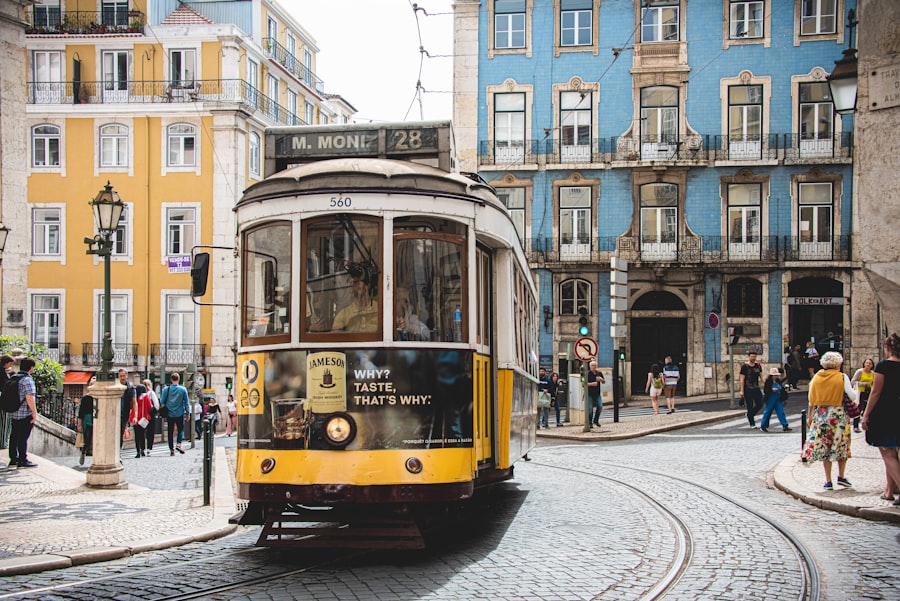
If you are a travel photographer planning a trip to Portugal, your search for the ultimate lisbon tram 28 photo spots ends right here. That iconic yellow Remodelado tram, rattling through the city's steepest hills and narrowest alleys, is arguably the most photogenic vehicle in Europe. I have spent countless dawns and dusks chasing its perfect frame, and I am thrilled to share my curated list of the top ten locations. We will dive deep into the history of each neighborhood, the optimal camera settings for the specific light, and the exact walking directions to ensure you get the shot without wasting a second of golden hour. Get ready to fill your memory card with vintage yellow magic.
A Sneak Preview: Why Every Photographer Hunts the 28
Before we break down each spot, understand that the Tram 28 is more than transport; it is a moving character that connects Lisbon's most vibrant districts: Graça, Alfama, Baixa, and Estrela. The light changes drastically along this route. In the morning, the low sun casts long shadows across the hills. By afternoon, the white limestone buildings act as natural reflectors. You need to plan your route around the sun's position. These are the locations we will cover, and I promise each one offers a distinct vibe and a unique framing challenge.
- Baixa Core: The flat downtown grid offers symmetry and speed.
- Graça Viewpoint: Perfect for sweeping cityscapes with the tram in the foreground.
- Alfama Labyrinth: Tight corners and authentic laundry-hung balconies.
- Estrela Gardens: A softer, greener backdrop for the yellow tram.
- Santos Slope: A straight, dramatic climb with no car interference.
1. The Grand Stage: Martim Moniz Square
This is the starting point of the route and a mandatory first stop. Martim Moniz is a wide, open square at the foot of the Mouraria district. The tram departs from here, so you can catch it stationary before it begins its screeching climb. The vibe here is chaotic but glorious. You have the Moorish influence in the architecture, the cacophony of tuk-tuk drivers, and the gleaming yellow tram waiting for its journey. Lighting here is tricky; the sun can be harsh in the middle of the day. Arrive by 8:00 AM to catch the morning glow hitting the front of the tram. For composition, use the geometric tiles of the square as leading lines. Stand with your back to the Chinese shopping center and wait for a departing tram to fill the frame.
Pro Photography Tip: Use a shutter speed of 1/125th of a second at f/8 for a sharp capture of the stationary tram. If you want to blur the background to isolate the tram, switch to Aperture Priority at f/4 and focus on the front emblem.
2. The Elevator Backdrop: Rua da Conceição
Walking down Rua da Conceição towards Rua Augusta, you get a spectacular view of the Santa Justa Elevator in the background. This is a classic lisbon tram 28 photo spot because you can frame the tram against the neo-Gothic ironwork of the elevator. The street is quite narrow, so angles are crucial. Get low to the ground, almost kneeling, to make the elevator tower look even taller. The vibe is urban and historic. You can hear the elevator clanking above you as the tram bell rings below. TripAdvisor reviews often mention this corner as the most "Lisbon" photo you can take. I agree. For camera settings, use a wide-angle lens (16-24mm) to capture both the tram and the elevator. Bracket your exposure because the elevator will be in shadow if the sun is behind you in the morning. Shoot in burst mode as the tram turns the corner—you only get a three-second window.
- Best Time: Late morning (10:30 AM - 11:30 AM) for even light on both structures.
- Lens: 16-35mm or 24mm prime.
- Angle: Kneeling position, level with the tram's wheels.
3. The Steep Climb: Rampa do Solnado (Graça)
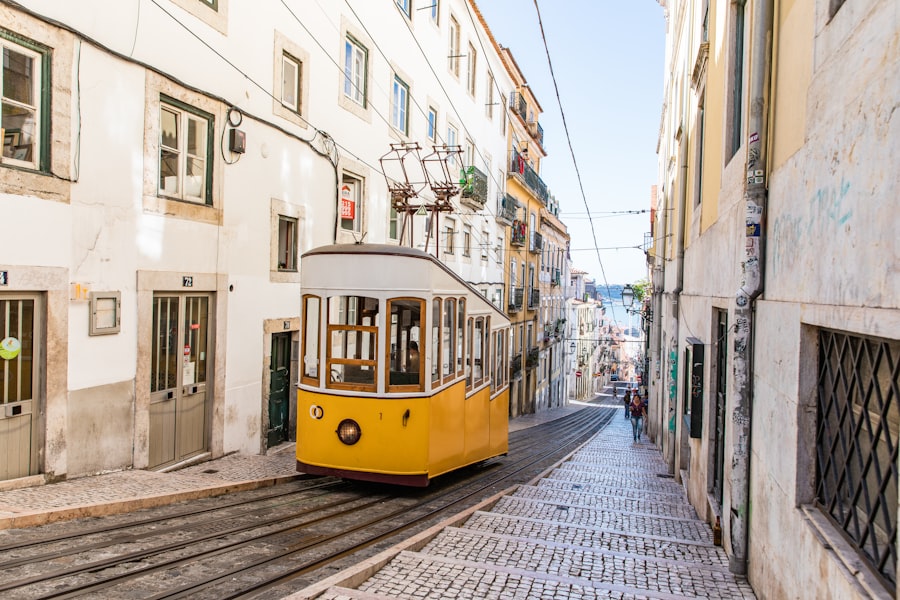
This is my absolute favorite spot to photograph the 28. After the tram passes the Graça viewpoint, it makes a sharp left turn and climbs a steep ramp. The road is narrow, cobbled, and flanked by pastel-colored buildings covered in azulejo tiles. The composition here is perfect for a diagonal leading line. Stand at the bottom of the ramp and wait for the tram to appear at the top. The yellow color pops beautifully against the pink and blue facades. The framing is natural. The trees on the left side of the ramp create a partial canopy. The vibe is residential and quiet. This is where locals live; you will see cats on walls and laundry flapping in the breeze. History fans will love that this area was once the center of Lisbon's communist resistance. The tile work here dates back to the 18th century. Lonely Planet calls Graça "the soul of old Lisbon," and this ramp captures that soul perfectly.
Pro Photography Tip: To compensate for the steep incline, use a fast shutter speed of 1/500th of a second to freeze the tram's motion. Switch your focus to continuous auto-focus (AF-C) and track the tram as it rolls down. If you want a cinematic feel, try panning at 1/30th of a second to blur the background while keeping the tram sharp.
4. The Iconic Arch: Portas do Sol Viewpoint
Technically, the tram does not pass directly in front of Portas do Sol, but you can get it on the adjacent street, Largo das Portas do Sol. This is a mandatory stop. The viewpoint overlooks the entire Alfama district, including the dome of the National Pantheon. To get your shot, stand at the railing and look to your left. The tram emerges from the Rua do Salvador tunnel and passes directly below you. The lighting here is spectacular in the late afternoon. The golden sun illuminates the pantheon's dome and casts a warm glow on the tram's yellow paint. The vibe is euphoric. Tourists are everywhere, but do not let that distract you. Use a zoom lens (70-200mm) to compress the scene, making the tram look closer to the pantheon than it really is. The framing should include the cobblestone street, the tram, and the river Tagus in the distance. This is a classic postcard shot.
- Distance: Approximately 150 meters from the viewpoint to the tram stop.
- Lens: Telephoto zoom (70-200mm) recommended.
- Time: 3:00 PM - 5:00 PM for golden hour light on the dome.
5. The Authentic Alley: Escadinhas de São Vicente
If you want a photo that screams "Alfama," skip the viewpoint and dive into the alleys. Escadinhas de São Vicente is a staircase street where the tram squeezes through a gap between two buildings that is barely wider than the tram itself. The angle here is extreme. You must stand on the steps themselves (careful of traffic!). The walls are covered in graffiti and old tiles, giving it a gritty, authentic vibe. The light here is low contrast because the alley is shaded. This is perfect for capturing the details of the tram's brass fittings and the texture of the cobblestones. Do not try to shoot this in direct sunlight; the dynamic range is too high. A cloudy day is your best friend here. Use a composition that makes the alley a tunnel leading to the tram. The history? These steps were used by fishermen for centuries to run down to the river.
6. The Esplanade Stop: Estrela Basilica
The final major stop on the route is the Estrela Basilica. This is the most serene lisbon tram 28 photo spot on the list. The tram stops right in front of the massive white dome of the basilica. There is a beautiful garden (Jardim da Estrela) directly across the street. The vibe is calm, leafy, and aristocratic. The light in the morning is magnificent. The white dome acts as a giant softbox, reflecting soft, diffused light onto the tram. For framing, include the palm trees from the garden in the foreground to create depth. The best angle is from the garden bench, pointing your camera towards the church. You can easily get a frame with the tram, the dome, a palm tree, and a Portuguese pavement pattern all in one shot. This is a great place to shoot a portrait of your travel companion with the tram.
- Best Light: Soft overcast or early morning (9:00 AM).
- Background: White dome (Estrela Basilica).
- Technique: Use a polarizing filter to reduce glare from the tram windows.
7. The Modern Contrast: Rua de São Bento
This is near the Parliament building. The street is wider and the architecture is more 19th-century Neoclassical. The vibe here contrasts sharply with Alfama. It is political, grand, and clean. The tram looks elegant against the symmetrical facades. The best shot is from the middle of the street (check for traffic!) looking towards the parliament. The tram comes around a gentle curve. This location is fantastic for symmetry and leading lines. The light is best in the late afternoon when the sun backlights the tram, creating a golden rim light around its edges. Use a lens hood to prevent flare.
8. The Descending Dragon: Campo de Ourique
After the basilica, the tram descends into the Campo de Ourique neighborhood. This area is famous for its market, but the photo spot is the gentle curve on Rua Ferreira Borges. The tram descends towards you, and the road curves perfectly to create a sweeping s-shape. The composition here is dynamic. You can stand at the top of the curve and let the tram appear from the bottom. The foliage from the trees provides a natural frame. This is a less-crowded spot, so you can take your time to set up a tripod.
9. The Night Glow: Praça da Figueira (Evening)
Do not pack up your camera at sunset. Head back to Praça da Figueira in Baixa. At night, the tram is brilliantly lit from inside. The yellow exterior glows like a lantern. The lighting here requires a tripod. The square is large and flat. Use a long exposure (2-3 seconds) to capture the tram's headlights streaking across the square while the tram itself remains a sharp yellow block. The vibe is magical and romantic. The statue of King John I in the center provides a great foreground silhouette.
10. The Final Whistle: Rua da Madalena
This street connects the Baixa to Alfama. It is a straight, narrow road with a slight uphill grade. The tram 28 comes to a stop here because the driver changes shifts. This allows you to capture a perfectly stationary tram without risking a blurry shot. The framing includes the beautiful tiled facade of the Church of Madalena. The vibe is transitional; people are boarding and alighting, giving your photo a sense of motion and humanity. The light is tricky because the street is deep. Midday is best to get light all the way down the street.
Final Thoughts on Gear and Patience
Chasing these lisbon tram 28 photo spots requires patience. Trams get delayed, streets get crowded, and the light can disappear behind a cloud in seconds. Bring a spare battery. The constant start-stop motion of the tram drains your camera's focus motor. And finally, be respectful. These are living neighborhoods. Step out of the way when residents need to pass. Smile at the tram driver. Every driver knows they are a star. If you wait long enough, you will get the perfect frame. Trust me, that squeaky, yellow, beautiful machine will reward your dedication. Now get out there and shoot!
Frequently Asked Questions
What is the Tram 28 route in Lisbon?
The Tram 28 runs from Martim Moniz to Campo de Ourique, passing through iconic neighborhoods like Graça and Alfama.
Where can I get a clear shot of Tram 28 without crowds?
Arrive early at stops like Miradouro da Graça or Rua da Verónica for quieter views with scenic backdrops.
What camera settings work best for photographing Tram 28?
Use a fast shutter speed (1/250s or faster) to freeze motion, and a wide aperture for shallow depth of field.
Is it legal to stand on the tracks for a photo?
It is not safe and can be dangerous; always stay clear of moving trams and tracks.
What time of day offers the best light for Tram 28 photos?
Golden hour (just after sunrise or before sunset) provides warm, soft light that enhances the tram's vintage charm.

Sophie Lefebvre writes about the most photogenic places to visit, pairing stunning locations with the practical details of getting there. She helps travellers find the views worth planning a whole trip around.
💬 Comments (0)
No comments yet. Be the first!