
Secret Kyoto Alleys: How to Find Them
Discover the hidden, lantern-lit alleys and atmospheric lanes of Kyoto, a guide to the city's most photogenic secret pathways for 2026.

Forget the guidebook highlights for a moment. The true, beating heart of ancient Kyoto isn't found under the soaring gates of Fushimi Inari or across the polished floors of Kinkaku-ji. It whispers from the shadows of narrow passageways, hums with the quiet clatter of wooden geta on stone, and reveals itself in the soft glow of a paper lantern at dusk. To discover this Kyoto, you must seek out the Secret Kyoto Alleys. This guide is your key to finding them. As we step into 2026, let's wander beyond the map and delve into the art of discovering these hidden veins of history, culture, and breathtaking visual poetry.
Why the Alleys? The Philosophy of Getting Lost
Kyoto is a city of layers. The modern boulevards with their rushing traffic are but a thin veneer over a grid of ancient streets and, more importantly, the even older footpaths that stitch between them. These Secret Kyoto Alleys, known as roji (路地), were once the lifeblood of the city's neighborhoods. They served as communal spaces, shortcuts for merchants, and the backdrop for geisha to flutter between engagements. Today, they are serene time capsules. Finding them isn't just about a photo; it's an act of quiet archaeology. It requires a shift in perspective—slowing down, looking for the unmarked entrance, and embracing the gentle uncertainty of a wrong turn. The reward is an intimate encounter with a Kyoto that feels personally revealed to you.
Pro Photography Tip: When you first enter a Secret Kyoto Alley, don't raise your camera immediately. Pause. Absorb the vibe. Listen to the sounds, notice where the lighting falls, and feel the narrowness of the space. This initial observation will inform your entire photographic approach, helping you capture the alley's essence, not just its geometry.
Pontocho: The Iconic, Yet Still Secret, Lantern-Lit Artery
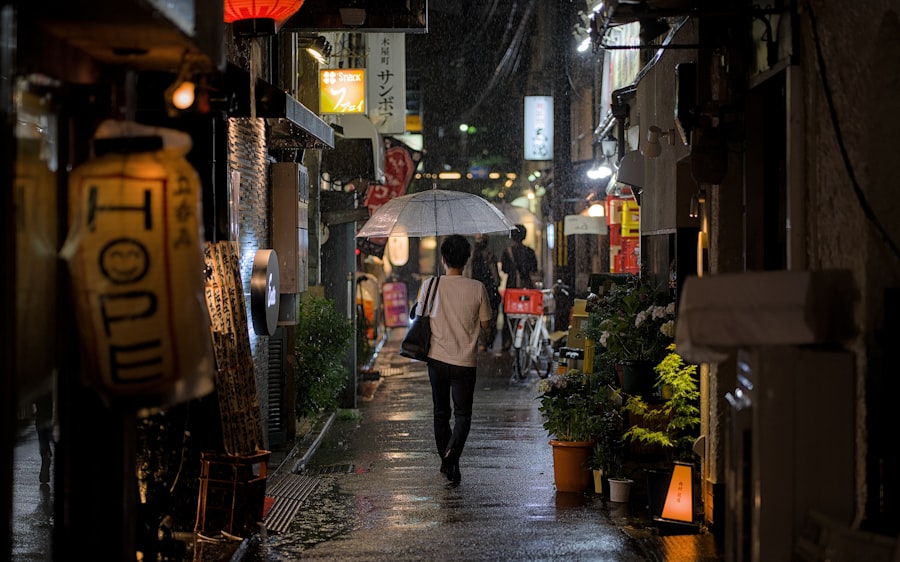
While Pontocho Alley is famous, most visitors only walk its main, restaurant-lined stretch at night. The true secrets lie in its perpendicular offshoots and its daytime persona. This alley, barely two meters wide in places, runs parallel to the Kamogawa River and has been the epicenter of Kyoto's geiko and maiko culture for centuries.
History & The Hunt for Subtlety
Established in the early 1500s, Pontocho was originally built on the dried-up riverbed (Pontocho roughly means "riverbed town"). Its unique, narrow layout was a product of maximizing space. The wooden latticed facades you see hide exquisite ochaya (teahouses) where the traditional arts are performed. The secret here is in the details: the varied patterns of the lattices, the subtle name plaques, the carefully prived potted plants. During the day in 2026, without the evening crowds, you can appreciate its architectural textures and hear the echoes of its history.
Your 2026 Walking Route & Photo Strategy
Start at the southern end (near Shijo-dori). Walk the length slowly. Look for the tiny, unnamed passages that branch west toward the river. Some lead to dead-ends with beautiful views of the water, framed by ancient walls. For photography, the magic hour is key. Just before sunset, the warm light slices down the alley, creating dramatic shadows. At night, use a fast prime lens (like a 35mm f/1.8) to capture the lantern glow without a tripod. Set your camera to Aperture Priority (f/2.8-f/4), keep ISO as low as possible (800-1600), and let the shutter speed fall where it may to capture the movement of light and shadow.
- Finding It: The main entrance is a narrow opening between buildings on the west side of Kawaramachi-dori, just south of Shijo-dori. Look for the stone plaque that says "Pontocho."
- Best Time: Weekday late afternoon (4-6 PM) for light, or after 9 PM for atmospheric emptiness.
- Camera Focus: Doorway details, lantern composition against twilight sky, leading lines of the alley walls.
The Philosopher's Path Backstreets: Beyond the Cherry Blossoms
The Philosopher's Path (Tetsugaku-no-Michi) is a beloved cherry-blossom spot, but the network of residential Secret Kyoto Alleys that spiderweb behind it in the Higashiyama district is where true local life unfolds. This is a living, breathing neighborhood, not a preserved postcard.
A Maze of Quiet Residential Life
These alleys are the domain of local Kyotoites. You'll find traditional machiya (townhouses) with sliding doors, bicycles leaning against bamboo fences, and the gentle scent of incense or simmering broth. The history here is domestic and continuous. Wandering these paths, you get a sense of the everyday rhythms that have sustained the city's culture for generations. It's a privilege to witness, and it demands respect and quiet observation.
Pro Photography Tip: In residential alleys, composition is everything. Use the lines of rooftops, bamboo poles, and stone walls to create dynamic frames. Look for "frames within frames"—a doorway framing a sliver of garden, a window framing a sliver of alley. Always be discreet and never point your camera into private living spaces. The vibe here is one of respectful observation.
Navigating the Labyrinth
Start at the north end of the Philosopher's Path near Ginkaku-ji. Instead of walking the main path along the canal, take the first small lane heading east into the neighborhood. Let yourself get purposefully disoriented. You'll likely wind past small shrines, artisan workshops (like the ones mentioned in Lonely Planet's Kyoto guide), and minuscule family-run temples. Your GPS will be confused; that's a good sign. To exit, generally head west, and you'll eventually re-emerge onto the main path or a larger street.
- Finding It: Enter any small lane off the Philosopher's Path between Ginkaku-ji and Eikando temple.
- Best Time: Morning (8-10 AM) or early afternoon on a sunny day, when light filters between houses.
- Camera Focus: Architectural details (lattice, tiles), play of light and shadow on textured walls, candid (but respectful) street scenes of daily life.
Gion Shirakawa: The Pinnacle of Elegant Secrecy
While Gion's main streets are packed with tourists hoping for a geisha sighting, the area along the Shirakawa Canal is where the district's famed elegance becomes serene and accessible. This isn't a single alley but a pristine, willow-lined lane following a shallow canal, dotted with exclusive restaurants and ochaya.
The Water's Edge Ambiance
The Shirakawa area represents the zenith of Kyoto's refined aesthetic. The gentle flow of water, the precisely maintained willows, and the immaculate wooden buildings create a scene of harmonious balance. At night, the reflections of lanterns in the water are iconic. The secret is to explore the even smaller perpendicular lanes that dead-end at the canal, offering private, framed views of this exquisite vibe.
Photography and Etiquette in 2026
This is a highly sensitive area. Be extremely quiet and unobtrusive. Do not block pathways. Use a telephoto zoom (70-200mm) to capture details from a respectful distance. For the classic canal shot, a wide-angle (24mm) can capture the leading lines of the water and path. A polarizing filter can help manage reflections on the water and enhance the colors of the willows. As noted by many visitors on TripAdvisor reviews, patience is key to enjoying this spot without disturbing its peace.
- Finding It: The canal lane runs parallel to Shirakawa Minami-dori, between Higashioji-dori and the Kamo River.
- Best Time: The golden hour before sunset, or early on a rainy evening when the stones gleam and crowds are minimal.
- Camera Focus: Reflections in the canal, framing views through willow branches, the elegant curves of stone bridges.
Sannenzaka & Ninenzaka: The Preserved Pilgrimage Path
These iconic sloping paths leading to Kiyomizu-dera are hardly a secret, but 99% of visitors walk straight up the middle. The magic is in the sidesteps—the tiny, often-overlooked Secret Kyoto Alleys that branch off like capillaries from these main arteries.
Stepping into the Edo Period
These alleys were part of the pilgrimage route to the temple. While the main streets are now commercialized, the side alleys retain an astonishingly authentic atmosphere. You'll find quieter teahouses, hidden sento (public baths), and machiya that function as homes, not shops. The stone steps, worn smooth by centuries of feet, tell a silent story.
A Tactical Ascent for the Discerning Explorer
Start at the bottom of Sannenzaka. Instead of climbing immediately, explore every tiny staircase or level passage that heads east or west. Many loop back, others reveal stunning hidden views of the pagoda of Hokan-ji Temple (Yasaka Pagoda) perfectly framed between buildings. For photography, these side passages offer relief from the crowds, allowing you to set up a thoughtful composition using the iconic stone steps and traditional facades as your subject.
Your Essential Toolkit for Alley Exploration in 2026
Venturing into the Secret Kyoto Alleys requires more than just a good camera. It's a mindset and a modest kit.
- Footwear: Sturdy, quiet, and easy-to-remove shoes (you might stumble upon a hidden temple interior).
- Camera Gear: A versatile zoom (24-70mm) or a compact prime lens (35mm). A mini-tripod for stable low-light shots in empty alleys.
- Navigation: A good offline map (Google Maps is fine), but be prepared to lose signal. Embrace it. The best Secret Kyoto Alleys are often unmappable.
- Manner: A low voice, a respectful demeanor, and infinite patience. You are a guest in these spaces.
The Art of Seeing: Photography Techniques for Narrow Spaces
Alley photography is a unique discipline. The constraints of space force creativity.
Mastering Light in Confined Spaces: Alleys are studies in contrast. Learn to read the light. Side-lighting in late afternoon reveals beautiful texture on wood and stone. Open your aperture to blur distracting background elements and focus on a single lit detail. For high-contrast scenes, use exposure compensation to preserve highlights in lanterns or sky.
Angles and Composition: Shoot from a low angle to make the alley walls soar dramatically upward. Use doorways and windows as natural frames for your shot. Look for repeating patterns—lanterns, lattices, roof tiles—to create rhythm. Remember, the alley itself is a leading line; use it to draw the viewer's eye deep into the scene.
The Unwritten Rule: Respect and Preservation
The greatest threat to these Secret Kyoto Alleys is not time, but attention. As you explore in 2026 and beyond, practice "leave no trace" photography. Be silent. Don't touch private property. Do not fly drones. Purchase a small item from a local shop if you linger. By treading softly, we ensure these magical passageways remain secret in spirit, preserving their serene vibe for the next curious wanderer who knows how to look beyond the obvious.
Frequently Asked Questions About Secret Kyoto Alleys
Are Secret Kyoto Alleys safe to explore at night?
Yes, most alleys in central Kyoto are well-lit and safe, but always stay aware of your surroundings and respect private property.
Do I need a guide to find the best Secret Kyoto Alleys?
No, but a good offline map and a willingness to get lost will help you discover many hidden paths on your own.
What is the best time of year to photograph Secret Kyoto Alleys?
Spring (cherry blossom) and autumn (fall colors) offer the most photogenic conditions, but winter's clear skies and low sun can also create dramatic light.
Frequently Asked Questions
What are secret Kyoto alleys?
They are narrow, hidden pathways off the main streets, often lined with traditional wooden buildings and tiny shops.
Where can I find secret alleys in Kyoto?
Look near Pontocho, Gion, and the Higashiyama district, especially behind major temples or along the Kamogawa River.
Are these alleys open to the public?
Yes, most are public walkways, but some are very narrow and may pass through residential areas, so be respectful.
What should I look for when exploring?
Watch for subtle signs like a gap between buildings, a lantern, or a small stone path leading away from the main road.
What time of day is best to visit?
Early morning or late afternoon offers soft light and fewer crowds, making the alleys feel more mysterious and serene.

Oliver Janssen scouts the best photography spots in every destination, from sunrise viewpoints to overlooked angles on famous landmarks. He shares exactly where to stand and when to be there for the shot.
💬 Comments (0)
No comments yet. Be the first!