Salzburg Baroque Architecture Photography Guide
Discover the most elegant angles of Salzburg Baroque architecture in this 2026 visual guide for enthusiasts and travelers.
Salzburg Baroque Architecture Photography Guide
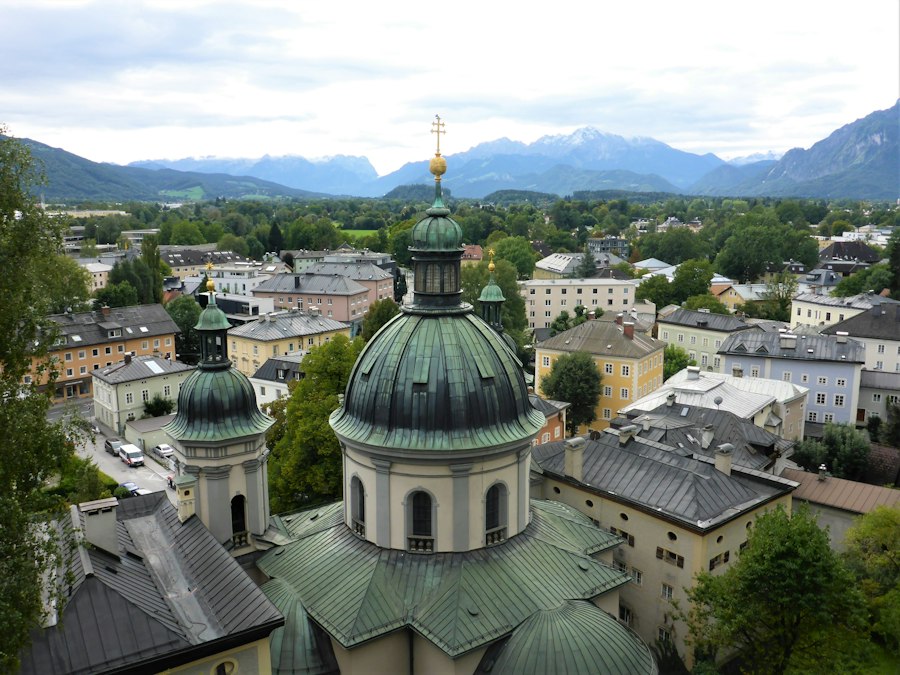
If you are a passionate photographer looking to capture the ultimate European fairy tale, mastering the art of shooting Salzburg Baroque architecture will be the highlight of your creative journey. Stepping into this Austrian jewel is like walking onto a living theatrical stage. With its dramatic domes, sweeping facades, and hidden courtyards, the historic center of the city offers a visual feast that has inspired artists for centuries. This guide will walk you through the finest locations, ideal camera settings, and creative compositions to help you capture the true essence of this magnificent city.
The Dramatic Grandeur of the Salzburg Cathedral
The Salzburg Cathedral, or Salzburger Dom, stands as the monumental heart of the historic old town. This masterpiece of the early Baroque style features a striking twin-tower facade made of local Untersberg marble, topped by a magnificent green copper dome that dominates the city skyline. Designed by Italian architect Santino Solari, the cathedral represents the perfect fusion of Northern Italian elegance and Alpine grandeur.
Best Angles and Compositional Framing
To capture the sheer scale of the cathedral, head to Domplatz. Use a wide-angle lens, such as a 16-35mm, to shoot from a low perspective. This angle emphasizes the towering height of the twin towers and the grand statues of Saint Peter and Saint Paul guarding the entrance. For a unique framing opportunity, walk to the adjacent Kapitelplatz and use the giant golden sphere sculpture as a modern foreground element contrasting against the classic lines of the cathedral dome.
Chasing the Perfect Light
The facade of the cathedral faces west, making late afternoon and the golden hour the absolute best times to shoot. The warm, low-angle sunlight hits the white marble, turning it into a glowing canvas of gold and orange. If you want to shoot the interior, aim for midday when sunlight streams directly through the high windows of the octagonal dome, illuminating the intricate stucco work and creating dramatic light beams in the hazy air.
Pro Photography Tips: When shooting inside the cathedral, leave your tripod in your bag as they are not permitted. Instead, dial your ISO up to 1600 or 3200, open your aperture to f/4, and lean your camera body against a stone pillar to stabilize your shot for a sharp, long exposure of the nave.
The Elegant Symmetry of Mirabell Palace and Gardens
No trip to this city is complete without visiting the Mirabell Palace and Gardens, famously designed by the legendary architect Johann Lukas von Hildebrandt. Built in 1606 by Prince-Archbishop Wolf Dietrich, the palace and its surrounding gardens are a masterclass in geometric harmony, floral arrangements, and mythological stone sculptures that embody the playful spirit of the late Baroque era.
Framing the Iconic Postcard Shot
The classic view that you simply must capture is from the grand staircase at the southern end of the gardens. From this elevated vantage point, you can align the colorful flowerbeds, the Pegasus Fountain, the palace facade, and the distant Hohensalzburg Fortress in a single, perfectly balanced composition. Use a medium focal length, around 50mm, to compress the elements and make the fortress appear grander in your background.
Capturing the Morning Vibe
To capture this location without crowds of tourists, you must arrive at sunrise. The morning light rises from behind the Gaisberg mountain, casting a soft, cool glow over the dew-covered gardens. This early hour also guarantees still waters in the fountains, allowing you to capture pristine reflections of the marble statues and the neat hedges.
- Key Elements: Pegasus Fountain, Dwarf Garden, Grand Staircase.
- Recommended Lens: 24-70mm f/2.8 zoom lens.
- Best Season: Spring and summer for blooming floral displays.
The Hidden Gem of Collegiate Church
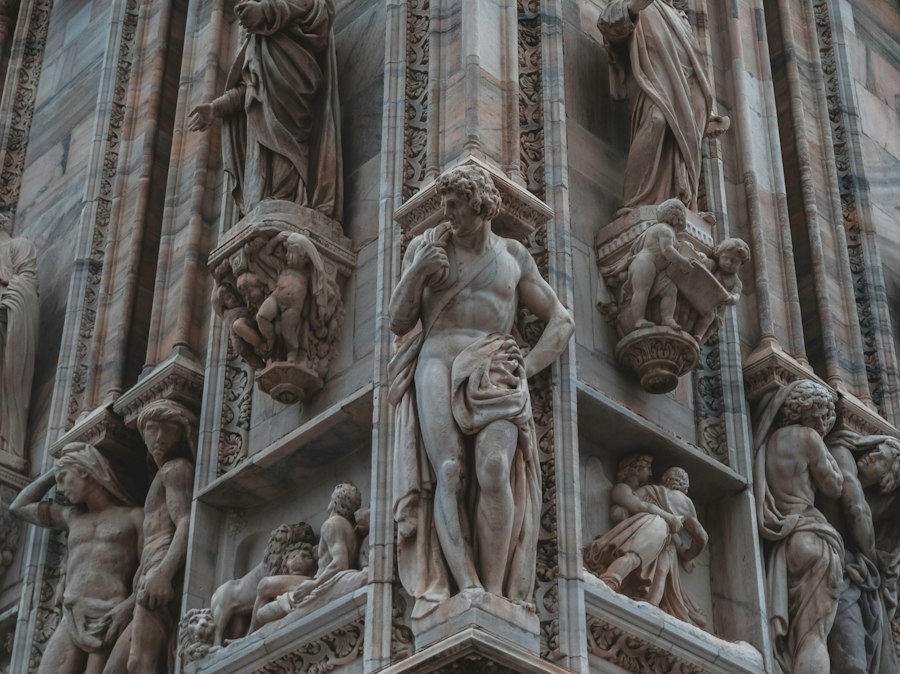
The Collegiate Church, or Kollegienkirche, is perhaps the most revolutionary example of Salzburg Baroque architecture. Designed by Johann Bernhard Fischer von Erlach, this church departs from traditional designs with its undulating, convex facade and its remarkably bright, completely white interior. It serves as a brilliant study in light, shadow, and minimalist Baroque design.
Mastering the Interior Contrast
Unlike other churches that are heavy with dark timber and gold leaf, the Kollegienkirche interior is painted entirely in white. This design choice creates a highly reflective environment where light bounces off every curve and alcove. To capture this unique atmosphere, set your camera to matrix metering and slightly overexpose by +0.3 or +0.7 EV to ensure the white stucco looks clean and bright rather than a dull gray.
Walking Directions and Creative Angles
Located at the Universitatsplatz, the church is easily reached by walking west from the Salzburg Cathedral through the narrow lanes. To photograph the exterior, stand near the daily green market stalls. Use a wide-angle lens to capture the curved facade framing the lively local market scenes below, creating a beautiful juxtaposition of historic architecture and daily Austrian life.
The Majestic Court of the Residenzplatz
The Residenzplatz is the largest and most theatrical square in the historic center. Surrounded by the former palace of the Prince-Archbishops, the square is anchored by the monumental Residenzbrunnen, which is widely considered the largest and most beautiful Baroque fountain outside of Italy. It features powerful stone horses, giants, and dolphins carved in exquisite detail.
Capturing Water Motion and Reflections
The fountain presents an excellent opportunity to experiment with shutter speeds. To freeze the dynamic splash of the water against the Baroque sculptures, use a fast shutter speed of 1/1000s or higher. Alternatively, bring a neutral density filter and use a slow shutter speed of 2 seconds to turn the water into a silky, ethereal mist that softens the hard stone of the surrounding buildings.
Evening Magic and the Blue Hour
As dusk falls, the Residenzplatz transforms. The city lights illuminate the grand fountain and the white marble facades of the Residenz palace. This is the perfect moment for blue hour photography. Set your camera on a sturdy tripod, select an aperture of f/8 or f/11 for maximum sharpness, and let the deep blue sky contrast with the warm golden glow of the artificial streetlights.
Pro Photography Tips: To get the best view of the entire square, consider purchasing a ticket to the DomQuartier museum. The elevated outdoor terrace connecting the Cathedral to the Residenz offers an unparalleled vantage point looking down onto the fountain.
The Serene Courtyard of St Peter Abbey
St Peter Abbey, or Stift St. Peter, is the oldest monastery in the German-speaking world. While its foundations date back to the 7th century, the church and its surrounding courtyards were beautifully remodeled with lavish Baroque interiors and details in the 17th and 18th centuries. The cemetery, nestled against the sheer rock face of the Monchsberg hill, offers a hauntingly beautiful photography location.
Composition in the Cemetery
The cemetery of St. Peter is a masterpiece of landscape design, featuring ornate wrought-iron graves, ancient stone chapels, and lush flower gardens. For a powerful composition, position your camera low to the ground near one of the historic gravestones, using the delicate ironwork to frame the striking onion-dome tower of the abbey church in the background. This composition evokes a moody, romantic vibe that is perfect for storytelling.
- Must-See Features: The Catacombs carved into the cliff, the central courtyard fountain, the rococo gate.
- Ideal Weather: Overcast or misty days, which enhance the mysterious and historic atmosphere.
- Pro Tip: Look up when entering the abbey church to capture the incredibly detailed frescoed ceilings.
Planning Your Salzburg Photography Itinerary
To make the absolute most of your photography trip, planning your route and gear is essential. The historic center of Salzburg is entirely pedestrian-friendly, meaning you can easily walk from one spectacular Baroque site to another in a matter of minutes. Be sure to consult resources like TripAdvisor for local dining spots near these locations to keep your energy up, and check Lonely Planet for deeper cultural context on the monuments you are photographing.
Recommended Gear Checklist
While you can get great shots with any modern camera, having the right gear will help you overcome the challenges of narrow historic streets and dim church interiors. A versatile zoom lens will cover most of your needs, but a dedicated wide-angle lens is crucial for capturing the soaring interiors of the Salzburg Baroque architecture. Do not forget a lightweight travel tripod for those magical blue hour shots along the Salzach riverbanks.
- Camera Body: Full-frame DSLR or mirrorless for superior low-light performance.
- Lenses: 16-35mm wide-angle, 50mm prime, and a 70-200mm telephoto for capturing distant architectural details.
- Accessories: Circular polarizer to cut glare on wet cobblestones, and a microfiber cloth to clean mist from fountains.
Frequently Asked Questions
What is the best time of day to photograph Salzburg's Baroque architecture?
The golden hour just after sunrise or before sunset provides warm, soft light that highlights Baroque details. Midday sun can create harsh shadows on ornate facades.
Which Salzburg churches are essential for Baroque architecture photography?
Salzburg Cathedral and the Kollegienkirche are must-sees for their grand Baroque interiors and facades. The Nonnberg Abbey also offers quieter, historic Baroque elements.
What camera settings work best for capturing ornate Baroque facades?
Use a narrow aperture like f/8 to f/11 for sharp architectural details throughout the frame. A polarizing filter can reduce glare and deepen the blue sky.
How can I avoid crowds in my Baroque architecture photos of Salzburg?
Arrive early in the morning or during off-peak months like late autumn. Shooting from low angles or using longer focal lengths can also minimize distracting tourists.
What compositional techniques enhance Salzburg Baroque architecture photos?
Look for symmetrical compositions, leading lines from streets or staircases, and framing through arches. Including reflections in the Salzach River can add depth and drama.

Oliver Janssen scouts the best photography spots in every destination, from sunrise viewpoints to overlooked angles on famous landmarks. He shares exactly where to stand and when to be there for the shot.
💬 Comments (0)
No comments yet. Be the first!