7 Nara Deer Photo Spots for Creators
Uncover top Nara deer photo spots in Japan. Capture serene morning light, stone lanterns, and iconic temple views.
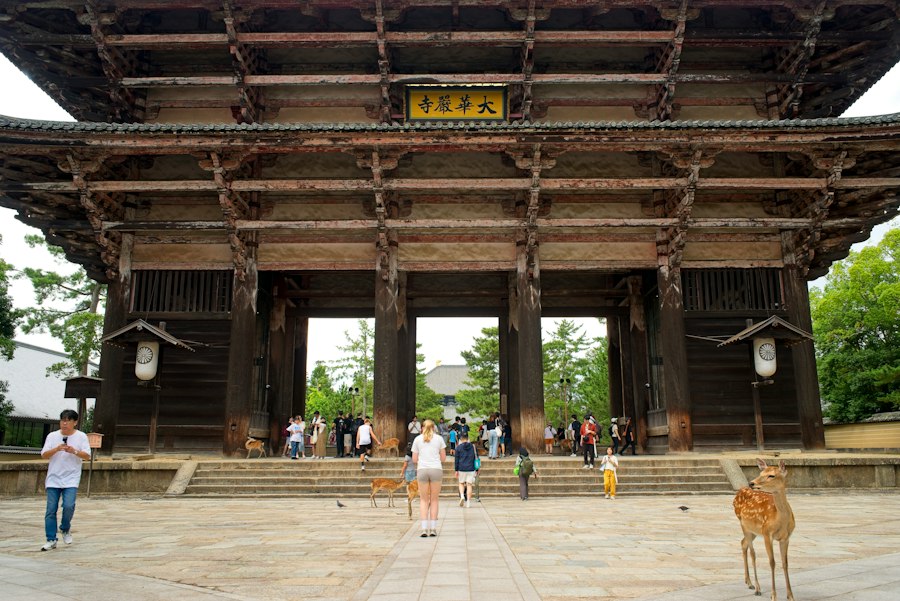
Discovering the absolute best Nara deer photo spots requires more than just showing up with a camera; it demands an eye for lighting, composition, and timing. Nara Park is one of the most magical places in Japan, where hundreds of wild, free-roaming sika deer wander among ancient wooden temples, towering cedar trees, and vibrant stone lanterns. For content creators, travel photographers, and Instagrammers, capturing these polite creatures bowing for deer crackers is a bucket list experience. In this ultimate creator guide, we will break down the top photographic locations across Nara, complete with ideal camera angles, lighting conditions, and composition secrets to help your visuals go viral.
1. Kasuga Taisha Shrine Approach: Framing Wildlife with Ancient Lanterns
The long, mossy forest pathway leading up to Kasuga Taisha Shrine is easily one of the premier Nara deer photo spots. As you walk down the stone-paved trail, you will find hundreds of historic stone lanterns covered in soft green moss. The deer love to rest their heads between these lanterns, creating a classic, moody atmospheric shot that looks straight out of a fairytale.
To get the best shot here, aim for early morning when mist often settles into the forest canopy. The moody atmosphere pairs beautifully with warm lantern colors and soft woodland greenery. Try positioning your camera low to the ground to use the mossy stones as leading lines guiding the eye directly to the deer.
Mastering the Lighting and Composition
Because the tall cedar trees block direct sunshine, the light along the approach is soft and diffused. Use a wide aperture like f/2.8 to isolate the deer from the background clutter and make the stone lanterns melt into a buttery bokeh.
- Best Angle: Eye-level with the deer, shot through two foreground lanterns.
- Ideal Time: 6:30 AM to 8:00 AM before the crowds arrive.
- Atmospheric Vibe: Mystical, ancient, and moody.
Pro Photography Tip: Bring a lens with a focal length of 85mm or longer. This compresses the distance between the stone lanterns, making the forest look much denser and more dramatic than it appears to the naked eye.
2. Ukimido Pavilion on S鷺池 Pond: Mirror Reflections and Golden Hour
Located slightly south of the main tourist walkways, the Ukimido Pavilion rests gracefully over S鷺池 Pond. This wooden octagonal gazebo floating over the water provides a breathtaking backdrop for travel creators seeking dreamy, architectural wildlife frames.
During late afternoon, local deer often gather along the grassy banks of the pond to drink water or rest under the weeping trees. If you position yourself across the bank, you can capture the deer in the foreground with the full reflection of the wooden pavilion mirrored on the still surface of the water.
Composition Techniques for Water Reflections
Framing is key at Ukimido. Look for low-hanging branches to frame the top of your image, creating a natural border. On windless days, the water acts like a crystal mirror, doubling the visual impact of your photo. You can check out travel insights on Lonely Planet to plan your broader Nara walking route to include this peaceful oasis.
3. Todaiji Temple Main Gate: Epic Scale and Architecture
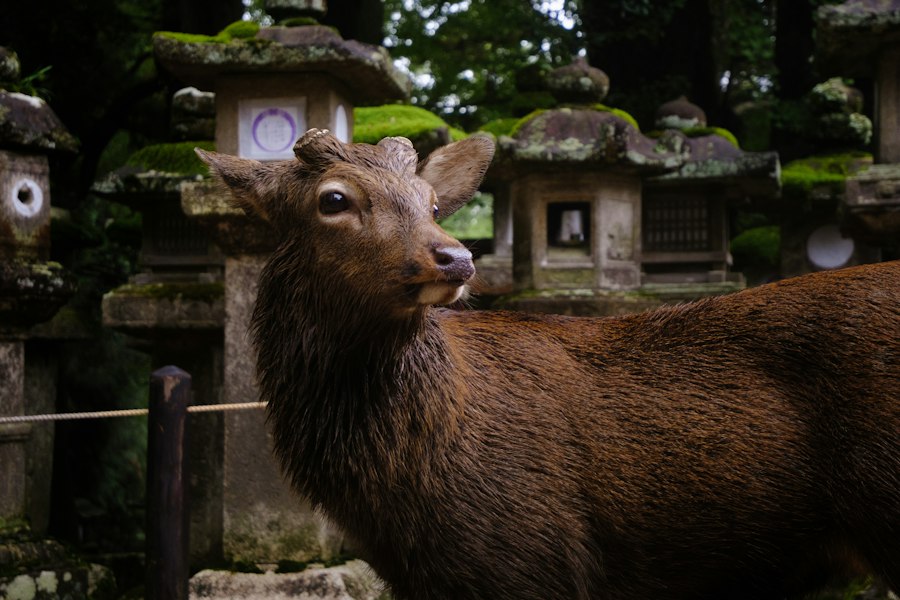
Nandaimon Gate, the massive main entryway to Todaiji Temple, offers unmatched architectural scale. Towering wooden pillars soaring into the sky form a magnificent, historic backdrop that showcases the rich culture of Nara. It stands as one of the most iconic Nara deer photo spots for creators who want to showcase the grandeur of Japanese tradition alongside local wildlife.
The deer here are extremely comfortable around humans, making them dynamic subjects for environmental portraits. Photographing a deer standing directly in front of the colossal wooden doors gives your audience an immediate sense of scale and history.
Handling Crowds and Framing Dynamic Shots
Because Todaiji is world-famous, foot traffic is high. To bypass tourist crowds, shoot at steep upward angles or zoom in close to crop out background distractions. You can learn more about visitor schedules on TripAdvisor to avoid peak tour bus arrival hours.
- Recommended Lens: 24-70mm f/2.8 zoom for ultimate flexibility.
- Key Composition: Frame the deer centrally using the dark wooden archways.
- Lighting Challenge: High contrast between dark gate interiors and bright skies.
4. Mount Wakakusa Lower Slopes: Endless Views and Soft Grassland
For sweeping landscape photography paired with wildlife, head directly to the base of Mount Wakakusa. This grass-covered mountain overlooks the entire city, offering wide open spaces where deer graze freely against wide horizon views.
The open field environment makes this location ideal for wide-angle compositions. During golden hour, the sun dips behind the mountain ridge, bathing the golden grass and gentle deer in a warm, glowing rim light that highlights every detail of their coats.
Capturing Rim Light and Golden Hour Glow
Position yourself so the sun is directly behind the deer. This backlighting technique creates a natural halo around the deer while keeping the overall aesthetic soft, dreamy, and nostalgic. The vibe here is completely relaxed compared to the busy temple gates nearby.
Pro Photography Tip: Keep a pack of shika senbei (deer crackers) in your pocket, but do not show them right away. Hold one cracker just above your camera lens to encourage the deer to bow and look directly into your optic for an engaging eye-contact photo.
5. Tobira-no-Ike Pond: Misty Mornings and Tranquil Scenes
If you want quiet, undisturbed moments away from bustling crowds, Tobira-no-Ike is a hidden gem among Nara deer photo spots. Located within the grassy glades of Nara Park, this small pond is surrounded by giant, centuries-old wisteria vines and maple trees that change color with the seasons.
In the early morning, deer gather near the water edge as rays of sunlight break through the tree canopy. The dramatic sunbeams piercing through the morning haze offer creators a chance to capture breathtaking light rays shining directly down on resting deer.
Mastering Sunbeams and High Contrast
To capture visible sunbeams, drop your camera exposure slightly so the bright rays do not blow out to pure white. Shooting in RAW format will ensure you retain full dynamic range for color grading during your post-production workflow.
6. Mizuya Chaya Tea House: Traditional Aesthetics and Autumn Colors
Tucked away near the northern edge of Kasuga Taisha forest sits Mizuya Chaya, a traditional thatched-roof rest house. Surrounded by bright red maple trees in autumn and vibrant greenery in summer, this spot delivers an irresistible Japanese cultural aesthetic.
Deer frequently stroll past the red cloth benches set up outside the tea house. Capturing a deer standing near the thatched roof and red umbrellas creates a storybook scene that captures the nostalgic spirit of ancient Japan.
Color Palette and Visual Storytelling
Focus on contrasting red and green elements. The contrast between bright red maple leaves, dark timber beams, and soft brown deer hides makes your image pop off the screen on social media feeds.
- Visual Vibe: Traditional, cozy, autumnal, and painterly.
- Top Angle: Medium shot emphasizing the thatched roof detail.
- Best Season: Mid-November to early December for peak fall foliage.
7. Yoshikien Garden Perimeter: Secret Moss Pathways
While deer are not allowed inside the fenced interior of Yoshikien Garden itself, the quiet dirt paths running along the exterior walls are fantastic Nara deer photo spots. Traditional mud walls topped with clay tiles border these paths, providing clean, geometric lines for your photos.
The quiet nature of these back alleys means deer are calmer and less distracted by food. Creators can take their time dialing in camera settings, focusing on perfect rule-of-thirds framing and capturing soft, candid expressions of the animals resting against historic clay walls.
Creating Depth with Leading Lines
Position the clay wall along one side of your frame to act as a leading line drawing the viewer directly toward the subject. Use a shallow depth of field to keep the focus crisp on the deer while softly blurring the wall receding into the distance.
Final Creator Checklist for Shooting Nara Deer Photo Spots
To make the absolute most of your photography trip to Nara, keeping a few key technical and safety rules in mind will keep both you and the wildlife safe while maximizing your shot output:
- Respect the Wildlife: Always treat the deer gently. Bow politely before offering crackers, and never tease them with food to force a frame.
- Bring the Right Gear: A versatile 24-70mm lens combined with an 85mm prime gives you maximum creative versatility for wide landscapes and intimate portraits.
- Timing is Everything: Sunrise offers empty locations, clear morning light, and polite deer. By mid-afternoon, deer are full, tired, and crowded by visitors.
With these top seven locations mapped out, you are ready to explore the legendary park, experiment with creative angles, and build a stunning portfolio of wildlife images that capture the timeless charm of Nara, Japan.

Sophie Lefebvre writes about the most photogenic places to visit, pairing stunning locations with the practical details of getting there. She helps travellers find the views worth planning a whole trip around.
💬 Comments (0)
No comments yet. Be the first!