Best Lanzarote Seascape Photography Spots
Discover our complete guide to Lanzarote seascape photography, featuring dramatic lava coasts and wave timing tips.
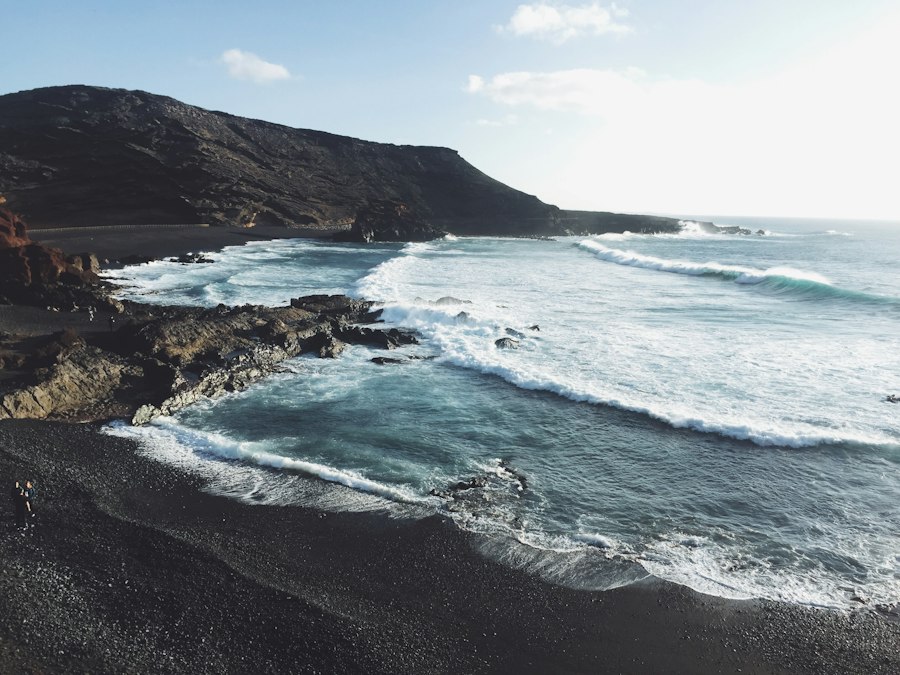
If you are a passionate photographer seeking dramatic coastlines and ethereal light, discovering the ultimate Lanzarote seascape photography locations will feel like landing on an entirely different planet. This unique Canary Island offers a jaw-dropping blend of jet-black volcanic rock, striking turquoise waves, and white oceanic foam that creates unmatched natural contrast. Whether you are aiming to capture long exposures of crashing swell or serene Golden Hour reflections, Lanzarote seascape photography provides endless artistic potential for creators who know where to point their lens.
1. Los Hervideros: Capturing Volcanic Power
Located on the southwestern coast of the island, Los Hervideros is a labyrinth of underwater caves and eroded basalt cliffs formed by ancient lava flows cooling against the freezing Atlantic Ocean. As massive waves crash into these volcanic caverns, water erupts through blowholes, creating a dramatic, boiling effect that gives the location its name.
Composition and Framing at the Blowholes
When framing your shot at Los Hervideros, focus on the contrast between the dark, textured basalt arches and the brilliant white sea foam. Use a wide-angle lens, such as a 16-35mm, to pull the viewer directly into the cavernous drop-offs. Try setting up your tripod at a low angle near the designated stone pathways, using the jagged rocks in the foreground to lead the viewer eye toward the swirling water beneath. High shutter speeds around 1/1000s will freeze the exploding spray, while a 2-second long exposure using an ND filter will give the ocean an eerie, ghostly vibe.
To reach this spot, drive south from Yaiza along the LZ-704 road toward El Golfo, then turn onto the LZ-703. You will find a dedicated parking lot right at the site, followed by a short, easy walk along the paved lava trails.
Pro Photography Tips: Visit Los Hervideros during high tide when the swell is large. The water pressure inside the caves peaks at this time, sending powerful jets of water high into the air for the most dynamic images. Always keep a lens cloth handy, as ocean spray will quickly mist your front element.
2. Charco de los Clicos (The Green Lagoon)
Just a few minutes north of Los Hervideros lies the striking Charco de los Clicos near the fishing village of El Golfo. This partially submerged volcanic crater holds a brilliant olivine-green lagoon, separated from the deep blue ocean by a pitch-black pebble beach. The sheer variety of colors available here makes it an essential stop for any ocean photographer.
The lighting at this location transforms dramatically throughout the day. In the late afternoon, the setting sun illuminates the red, orange, and black volcanic caldera walls, casting a warm glow across the emerald water. For the best angles, head to the official mirador (viewpoint) situated high on the northern cliff. From this elevated vantage point, you can shoot down to capture the striking parallel lines formed by the green lagoon, the black beach, and the crashing blue Atlantic waves.
- Best Time for Shots: Late afternoon to sunset for rich side-lighting on the crater cliffs.
- Recommended Gear: Circular polarizer filter to remove glare from the green water surface and boost color saturation.
- Target Vibe: Surreal, high-contrast landscape photography highlighting alien volcanic tones.
For additional details on visiting times and safety guidelines for the surrounding natural park, check out helpful traveler guides on TripAdvisor before setting out on your trek.
3. Playa de Famara: Reflections and Towering Cliffs
Stretching for over five kilometers along the northwestern coast, Playa de Famara is arguably the most breathtaking beach for photography on the entire island. Backed by the soaring 600-meter-high Risco de Famara cliffs, this sweeping expanse of golden-sand beach transforms into a massive mirror when the tide recedes.
Mastering the Golden Hour Reflection
The key to mastering Playa de Famara is timing your session with low tide during Golden Hour or sunset. As the tide goes out, a paper-thin layer of ocean water remains on the wet sand. Position yourself close to the water edge and drop your camera tripod as low as possible. By shooting from a low angle, you will capture a perfect, crystal-clear reflection of the glowing pink cliffs and sky right on the sand beneath your feet.
For walking access, park directly along the sandy roads of Caleta de Famara village or in the dedicated parking areas along the LZ-402 road. Walk straight down to the shoreline and head northeast toward the base of the cliffs for the most secluded compositions. You can read more about local wind conditions and tides on Lonely Planet to plan your sunset timing effectively.
4. Punta de las Mujeres: Tidal Pools and Minimalist Lines
Moving over to the northeastern side of the island, Punta de las Mujeres offers a completely different aesthetic for your portfolio. This charming coastal village features a series of rustic, man-made and natural rock pools integrated directly into the dark basalt coastline, contrasted by classic white-washed houses with blue trim.
Creating Minimalist Seascape Art
Punta de las Mujeres is ideal for long exposure photography during twilight or civil twilight. The dark volcanic sea walls create sharp, graphic lines that divide the calm, clear water inside the pools from the wild ocean outside.
- Use a 6-stop or 10-stop Neutral Density (ND) filter to extend your shutter speed to 30 seconds or longer.
- Smooth out the chaotic ocean swells into a silky, dreamlike mist surrounding the static stone ladders and lava walls.
- Look for compositions that pair the geometric white steps of the pools with the natural, jagged black lava rocks.
Drive along the LZ-1 highway heading north, turn off into the main village road, and park along the oceanfront street. The pools are located directly adjacent to the parking spots, making setting up heavy camera tripods quick and effortless.
5. Charco del Palo: Dramatic Atlantic Cliffs
Located just south of Mala, Charco del Palo features sweeping volcanic platforms exposed to the open power of the Atlantic Ocean. The coastline here is raw, rugged, and far less crowded than other spots on the island, giving creators a peaceful environment to work in solitude.
The lighting here during sunrise is absolute perfection. As the sun emerges from the eastern horizon over the ocean, it casts rich golden light across the textured basalt shelves. Look for small tide pools trapped in the volcanic rock, using them as natural foreground elements to frame the glowing sun as it breaks over the horizon. Experiment with narrow apertures like f/11 to f/16 to create a clean starburst effect around the rising sun.
Pro Photography Tips: Because the eastern coast gets direct sunlight at dawn, arrive at least 45 minutes before sunrise. This allows you to capture the moody blue hour tones and test your compositions before the bright sun pops over the water.
6. Caleton Blanco: White Sands and Black Basalt
Near the northern tip of the island, close to Orzola, lies Caleton Blanco. This spot features a series of pristine white sand coves intertwined with pitch-black lava flows, surrounding crystal-clear, shallow turquoise lagoons. The color palette here is distinct from anywhere else on the island, offering clean, bright, and vibrant tones.
Framing Tropical Contrasts
The bright white sand acts as a natural reflector, creating bright and uplifting images even under direct sunlight. To capture the full brilliance of Caleton Blanco, shoot during a rising mid-tide when the clear turquoise water fills the channels between the jet-black rocks.
- Framing Idea: Place a dark volcanic rock formation in the lower third of your frame, allowing the turquoise water channel to lead the eye toward the distant horizons.
- Focusing: Use manual focus and focus-peaking on your camera to ensure both the fine volcanic rock texture and the water surface remain razor-sharp.
- Vibe: Bright, tropical, high-contrast, and serene.
To reach Caleton Blanco, take the LZ-1 north toward Orzola. You will see several sandy off-road parking pockets along the right side of the road. Park carefully in designated areas and follow the short sand paths down to the water edge.
Essential Camera Gear for Coastline Shooting
Executing successful shots across these diverse coastal spots requires a thoughtful equipment setup. Due to the high wind and salt spray typical of the island, proper preparation will make or break your photography excursion.
- Sturdy Tripod: Coastal wind along the cliffs can be intense. A heavy-duty carbon fiber tripod with a weight hook is vital for stabilization during long exposures.
- Quality ND Filters: Bring a set of 3-stop, 6-stop, and 10-stop solid ND filters, alongside a 3-stop hard-graduated ND filter to balance bright skies against dark lava foregrounds.
- Weather Protection: Bring a dedicated dry bag for your gear and plenty of microfiber cloths. Salt water spray clings to lenses quickly and can ruin an otherwise perfect composition.
Taking your time to scout each location, monitoring the ocean tides, and utilizing thoughtful camera settings will ensure your portfolio captures the true, wild beauty of this volcanic island paradise.

Sophie Lefebvre writes about the most photogenic places to visit, pairing stunning locations with the practical details of getting there. She helps travellers find the views worth planning a whole trip around.
💬 Comments (0)
No comments yet. Be the first!