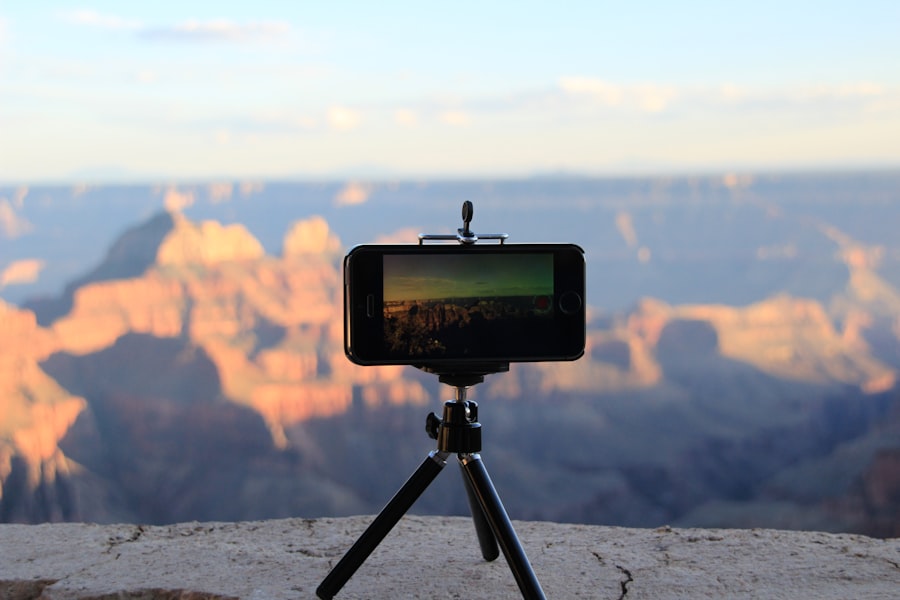
Guilin Nature Photography Spots: A Visual Guide
Explore the ultimate Guilin nature photography spots. Capture ethereal karst mountains and misty rivers in 2026.
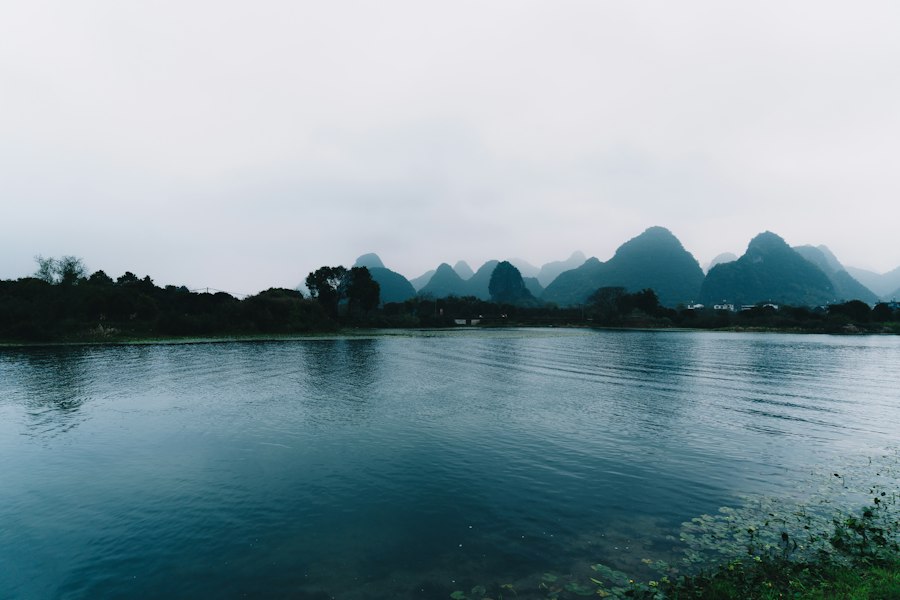
Guilin Nature Photography Spots: A Visual Guide
If you are searching for the ultimate Guilin nature photography spots, you are about to embark on a visual journey through a landscape that looks like a traditional Chinese ink painting come to life. The region of Guilin, located in the Guangxi Zhuang Autonomous Region, is world-famous for its dramatic karst topography, winding rivers, and misty mornings. For landscape photographers and travel enthusiasts alike, this destination offers an endless array of visual storytelling opportunities. In this comprehensive guide, we will explore the absolute best locations to capture the ethereal beauty of Guilin, complete with camera settings, optimal lighting conditions, and exact directions to help you get the perfect shot.
The Mystical Charm of Xingping and the Li River
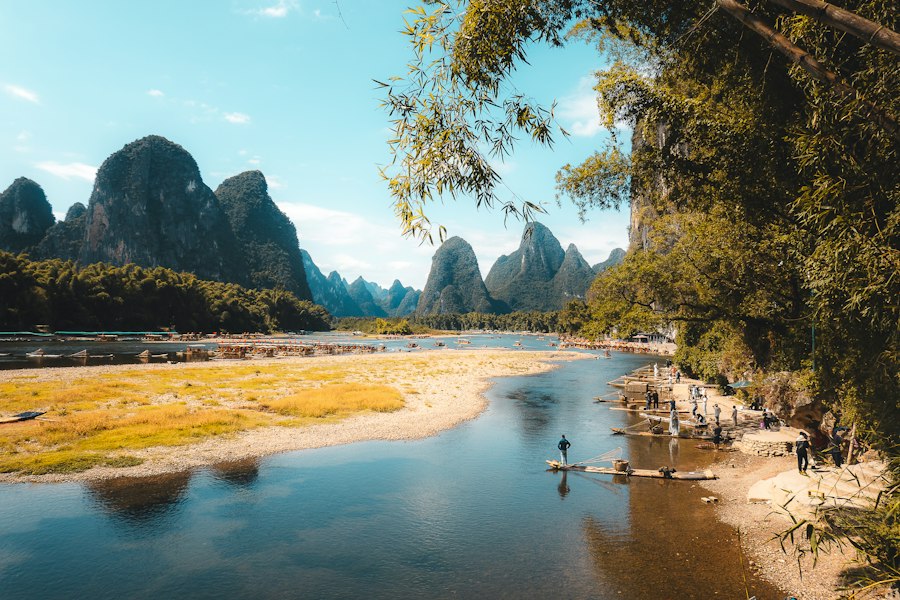
The Li River is the beating heart of Guilin's scenic beauty. Over millions of years, water erosion has carved the soluble limestone bedrock into towering, jagged spires that rise abruptly from the flat river valley. This unique geological formation, known as tower karst, creates a surreal backdrop that has inspired poets and painters for centuries. When you photograph this area, you are participating in a rich artistic tradition that dates back to the Tang Dynasty.
To capture the true essence of the Li River, you must focus on the interplay between the water, the mountains, and the sky. The reflection of the karst peaks in the still, glass-like water of the river offers incredible opportunities for symmetrical composition. Whether you are capturing the area from the riverbanks or from an elevated viewpoint, the atmosphere here is deeply peaceful and mysterious.
Capturing the Iconic 20 Yuan Bill Hill
One of the most famous viewpoints along the Li River is the exact scene depicted on the back of the Chinese 20 Yuan banknote. Located just a short walk from the historic town of Xingping, this spot features a stunning bend in the river framed by dramatic karst peaks.
- How to get there: From Xingping Town, walk along the riverside path heading north for about 15 minutes. You will reach a designated viewing platform clearly marked as the 20 Yuan viewpoint.
- Optimal Settings: Use a polarizing filter to control the reflections on the water and enhance the green tones of the vegetation. Set your aperture to f/8 or f/11 for maximum depth of field.
- Composition Tip: Use the curve of the river as a leading line to guide the viewer's eye from the foreground into the majestic mountains in the background.
The Tradition of Cormorant Fishermen
No trip to the Li River is complete without photographing the traditional cormorant fishermen. While this practice is now largely preserved for cultural demonstration, it remains one of the most compelling subjects for portrait and travel photography in the region. The image of an elderly fisherman on a slender bamboo raft, accompanied by his trained cormorants and a glowing gas lantern, evokes a strong sense of nostalgia and ancient tradition.
Pro Photography Tips: To photograph the cormorant fishermen, book a private session during the blue hour just before sunrise or immediately after sunset. The warm, golden glow of the lantern against the deep blue of the twilight creates a stunning color contrast. Use a fast prime lens (like a 50mm or 85mm f/1.8) and a high ISO (1600 to 3200) to capture the scene without blur, as the raft will be gently moving on the water.
Summiting Xianggong Mountain for Panoramic Views
For the most breathtaking aerial perspective of the Li River valley, you must climb Xianggong Mountain. This is undoubtedly one of the premier Guilin nature photography spots for capturing the grand scale of the karst landscape. Located on the west bank of the Li River between Yangshuo and Xingping, this peak offers a 180-degree view of the river wrapping around the towering limestone formations.
The history of this spot is relatively recent in terms of tourism; it was once a local secret known only to a few regional photographers. Today, a well-maintained stone staircase leads to the summit, making it accessible to anyone willing to make the steep 20-minute climb. The view from the top is nothing short of majestic, especially when the valley is filled with low-hanging clouds and morning mist.
Navigating the Climb and Finding the Best Angles
To reach Xianggong Mountain, it is best to hire a private driver from Yangshuo or Xingping, as public transport to the trailhead is limited. The drive takes about 40 to 50 minutes from Yangshuo. The trail consists of steep stone steps, so wear sturdy footwear and pack light, carrying only the essential gear you need for the shoot.
- Framing the Scene: Use a wide-angle lens (16-35mm) to capture the vastness of the river bend and the layers of mountains stretching into the horizon.
- Dealing with Crowds: The viewing platforms at the top can get very crowded before sunrise. Arrive at least 45 minutes before first light to secure a tripod spot at the front railing.
- The Mist Factor: The best conditions occur after a rainy day when the morning sun heats the damp valley, creating a thick layer of low fog that weaves between the peaks.
The Golden Terraces of Longji
Located about two hours north of Guilin city, the Longji Rice Terraces (also known as the Dragon's Backbone) offer a completely different visual vibe compared to the river valleys. These terraces, carved into the steep hillsides, represent a monumental feat of agricultural engineering created by the local Zhuang and Yao minority peoples over 650 years ago during the Yuan Dynasty.
The landscape here changes dramatically with the seasons, offering unique photographic opportunities year-round. In the spring, the terraces are flooded with water, turning the hillsides into thousands of glittering mirrors. In the summer, the fields are a vibrant, lush green. Autumn brings a sea of shimmering gold as the rice ripens, while winter occasionally covers the terraces in a delicate layer of snow.
Exploring Pingan and Dazhai Villages
The two main areas for photography are Pingan Village and Dazhai Village. Pingan is the older, more developed area, featuring classic wooden houses and famous viewpoints like "Nine Dragons and Five Tigers." Dazhai is larger, steeper, and offers more expansive views, with a cable car available to reach the highest viewpoints.
- How to get there: Take an express bus from Guilin Railway Station directly to the Longji Scenic Area ticket office, then transfer to a local shuttle bus to either Pingan or Dazhai.
- Best Light: Golden hour is spectacular here. The low angle of the sun highlights the contours of each individual terrace, creating incredible texture and depth in your images.
- Compositional Lines: Look for abstract compositions. Zoom in with a telephoto lens (70-200mm) to isolate the curving, organic lines of the terraces, turning the agricultural landscape into a work of modern art.
The Serene Beauty of the Yulong River
While the Li River is grand and dramatic, the Yulong River (often called the "Little Li River") is intimate and peaceful. Located in the Yangshuo countryside, this tributary flows gently past quiet villages, ancient stone bridges, and bamboo groves. Because motorized boats are banned on the Yulong River, the atmosphere is incredibly quiet, dominated only by the sound of birds and the gentle splash of bamboo poles in the water.
This area is perfect for capturing a more relaxed, pastoral side of Guilin. The slow pace of life here allows you to take your time with composition and framing, experimenting with different elements of the landscape without the pressure of rushing crowds.
Photographing Yulong Bridge and Fuli Bridge
The historical stone arch bridges crossing the Yulong River are fantastic photographic subjects. Fuli Bridge, built during the Ming Dynasty, is a particularly beautiful single-arch stone bridge. The perfect semi-circle of the arch combines with its reflection in the still water to create a flawless stone circle, symbolizing unity and completeness in Chinese culture.
- Getting there: Fuli Bridge is located about 12 kilometers north of Yangshuo town. You can easily reach it by renting a bicycle or an electric scooter, which allows you to explore the scenic backroads along the way.
- Camera Settings for Reflections: To get a mirror-like reflection, visit early in the morning when the wind is calm. Use a neutral density (ND) filter to slow down your shutter speed slightly, smoothing out any ripples on the water's surface.
- Framing with Nature: Use the hanging leaves of the weeping willows along the riverbanks to frame the ancient bridge, adding depth and a natural border to your shot.
Pro Photography Tips: When shooting the bridges, look for local farmers leading their water buffaloes across the stone path. This classic rural scene adds a powerful human element to your landscape photography. Keep your shutter speed relatively fast (at least 1/250s) to freeze the motion of the animals as they walk.
Essential Gear and Planning Tips for Guilin
To make the most of your journey through these incredible Guilin nature photography spots, careful preparation is key. The weather in this part of China is notoriously humid and rainy, which is exactly what creates the dramatic mist and fog that makes the region so photogenic. However, this moisture can be challenging for camera equipment.
For more detailed travel planning and logistics in the region, resources like Lonely Planet provide excellent historical context and accommodation guides. Additionally, you can check user-submitted reviews and current trail conditions on TripAdvisor to ensure your chosen viewpoints are accessible during your travel dates.
Protecting Your Equipment and Packing Smart
Always carry a high-quality rain cover for your camera bag and a lens cloth to wipe away condensation. A sturdy, lightweight carbon-fiber tripod is essential for those early morning hikes up Xianggong Mountain and for capturing long exposures of the rivers and waterfalls.
- Lens Selection: Bring a versatile zoom lens like a 24-105mm for general shooting, a wide-angle lens (16-35mm) for the vast vistas, and a telephoto lens (70-200mm) to compress the distant mountain layers and capture abstract patterns in the rice terraces.
- Best Time of Year: The best months for photography are from April to October. Spring brings the flooded terraces and dramatic rains, while autumn offers clear skies, comfortable temperatures, and golden rice fields.
- Embrace the Overcast Sky: Do not pack your camera away on cloudy days. The soft, diffused light of an overcast sky is actually ideal for capturing the moody, ink-wash aesthetic that makes Guilin so famous worldwide.
Frequently Asked Questions
What are the best times of day to photograph the Li River karst landscapes?
Early morning and late afternoon offer soft, dramatic light with mist or golden hues. Midday sun can be harsh, so plan around sunrise and sunset.
Which spot is ideal for capturing the classic Guilin reflection shots?
Xianggong Hill provides a panoramic view of the Li River winding through karst peaks. Reflections are best after rain or during calm mornings.
Are there any hidden nature photography gems away from the crowds?
Yes, the Yulong River area near Yangshuo offers quieter bamboo raft scenes and karst backdrops. It's perfect for intimate landscape and rural shots.
What photography gear should I bring for Guilin's misty mountains?
A telephoto lens helps compress distant peaks, while a wide-angle captures sweeping vistas. Bring a polarizer and tripod for long exposures in low light.
How can I photograph the iconic cormorant fishermen without disturbing them?
Book a respectful guided session with local fishermen who work with photographers. Use a zoom lens and avoid flash to maintain natural behavior.

Oliver Janssen scouts the best photography spots in every destination, from sunrise viewpoints to overlooked angles on famous landmarks. He shares exactly where to stand and when to be there for the shot.
💬 Comments (0)
No comments yet. Be the first!