Bologna Portico Photography: A 2026 Visual Guide
Capture the endless symmetry of Italy's famous arcades. This Bologna Portico Photography guide offers the perfect shot list.
Bologna Portico Photography: A 2026 Visual Guide
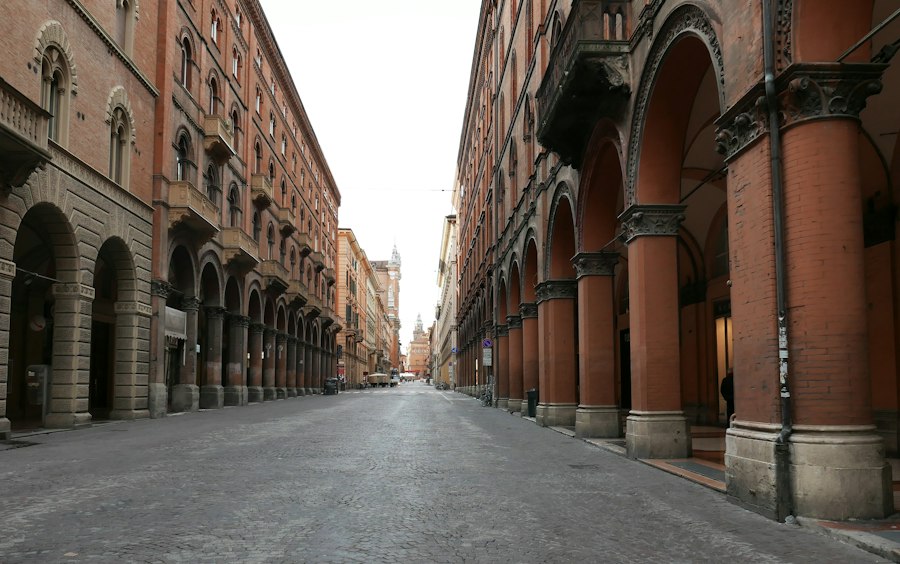
For any visual creator, exploring the capital of Emilia-Romagna is like stepping into a living, breathing gallery of light and shadow, and mastering Bologna Portico Photography is the ultimate way to capture this Italian masterpiece. Stretching over 62 kilometers across the city, these UNESCO World Heritage shelters act as natural, historical light diffusers. In this comprehensive guide, we will explore how to photograph these iconic architectural wonders in 2026, offering you the exact coordinates, camera techniques, and creative strategies needed to elevate your travel portfolio.
The beauty of photographing Bologna lies in its unique color palette. The city is nicknamed "La Rossa" (The Red) for a reason. The warm terracotta, deep ochre, and soft burnt sienna tones of the portico arches create a natural warmth that digital sensors absolutely love. Whether you are using a professional mirrorless setup or a high-end smartphone, the geometric symmetry of these covered walkways offers endless opportunities to experiment with leading lines, vanishing points, and dramatic contrast.
The Historical Charm of Bologna Porticoes
To truly capture the soul of these structures, it helps to understand their origins. Dating back to the late Middle Ages, porticoes were originally built as projections of private buildings into public spaces to accommodate the rapid influx of university students. Over the centuries, they evolved from simple wooden projections into grand stone and brick colonnades. For historical context and maps of the preserved areas, you can consult resources like Lonely Planet to plan your walking routes through the oldest quarters.
This historical evolution means that no two porticoes are exactly alike. As a photographer, you will transition from heavy, dark wooden medieval structures to airy, pastel-colored Renaissance corridors within a single three-minute walk. This diversity keeps your visual narrative fresh and dynamic, ensuring your portfolio showcases a wide variety of textures and architectural styles.
1. San Luca: The Ultimate Architectural Symmetry
No journey into Bologna Portico Photography is complete without tackling the longest continuous covered walkway in the world. The Portico di San Luca stretches for nearly four kilometers, featuring exactly 666 vaulted arches that wind their way up the Colle della Guardia to the Sanctuary of the Madonna di San Luca.
Mastering the Infinite Vanishing Point
The sheer scale of San Luca makes it the perfect location for practicing vanishing point composition. By standing directly in the center of the walkway, the repeating arches compress in your viewfinder, creating a powerful sense of depth and scale. To emphasize this effect, use a telephoto lens (such as an 85mm or 70-200mm) to compress the distance between the columns, making the pathway look like an endless, hypnotic tunnel.
Chasing the Perfect Morning Light
Timing is everything at San Luca. Because the portico climbs a steep hill, the angles of the sun shift dramatically throughout the day. The absolute best time to shoot is just after sunrise. During these early hours, low-angle sunlight pierces through the open side arches, casting long, dramatic diagonal shadows across the stone pathway. This high-contrast look adds a moody, cinematic vibe to your images that is impossible to replicate during the harsh midday sun.
Pro Photography Tips: Set your camera to Aperture Priority mode at f/8 or f/11 to ensure both the closest arch and the distant pathway remain sharp. Keep your ISO as low as possible (ISO 100 or 200) to capture the rich gradients of the morning light without introducing digital noise.
2. Casa Isolani: Capturing Medieval Wooden Columns
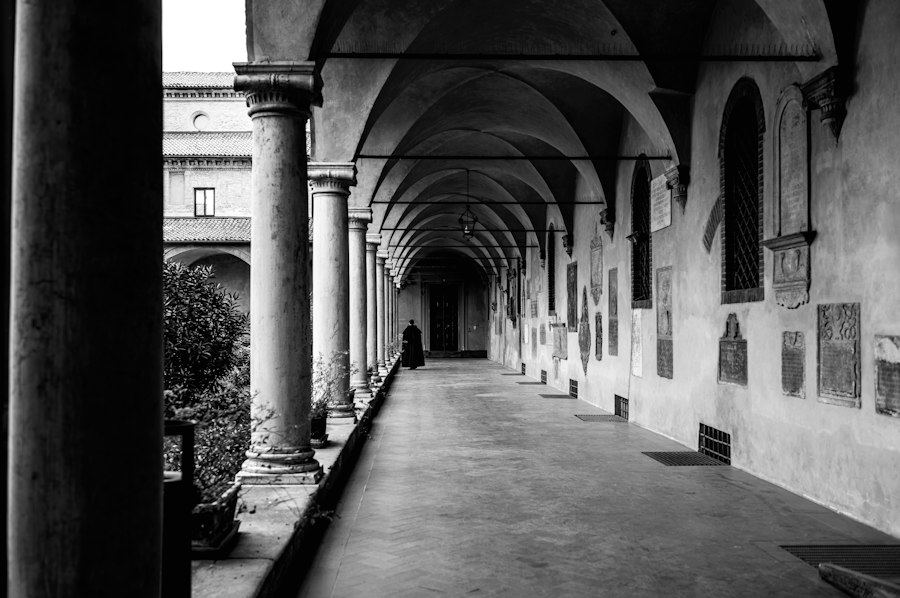
Located on Strada Maggiore, Casa Isolani offers a stark contrast to the stone arches found elsewhere in the city. This rare, well-preserved 13th-century residence features massive wooden porticoes supported by tall oak pillars. The dark, weathered wood and rustic brickwork offer a moody, historical vibe that feels like stepping back into the Middle Ages.
- The Vibe: Dark, atmospheric, rustic, and deeply historic.
- Best Angle: Shoot from a low perspective looking straight up to emphasize the height of the wooden beams.
- Key Challenge: The dark wood absorbs a lot of light, requiring careful exposure management to avoid losing detail in the shadows.
When framing your shots here, look for the legendary three arrows embedded in the wooden ceiling. Legend has it that three bandits were hired to shoot an unfaithful wife, but she distracted them by showing herself at the window without clothes, causing them to shoot wildly into the wooden rafters. Finding and framing these arrows adds a fun, storytelling element to your travel imagery.
3. Piazza Santo Stefano: Elegant Archways and Cobble Shadows
Piazza Santo Stefano, often referred to as the Seven Churches square, is one of the most picturesque open spaces in Bologna. The elegant porticoes surrounding this triangular piazza feature delicate, wide arches that frame the historic cobblestone square beautifully. It is a favorite spot for photographers looking to combine architecture with street photography.
Framing the Basilica Complex
Use the porticoes on the northern side of the square as a natural frame for the ancient Basilica of Santo Stefano. By positioning your camera inside the shaded portico and focusing on the sun-drenched church across the square, you create a classic "frame-within-a-frame" composition. This technique guides the viewer's eye directly to the subject while providing beautiful architectural context in the foreground.
Capturing the Evening Golden Hour
As the sun begins to set, the warm light hits the terracotta facades of the piazza, turning the entire scene into a glowing canvas of gold and orange. The wide spacing of the Santo Stefano arches allows plenty of light to enter, making it an excellent spot for capturing the evening stroll, known locally as the passeggiata. You can find highly rated cafes and viewpoint spots surrounding this square on travel planning platforms like TripAdvisor to help time your shoot perfectly with a relaxing break.
Pro Photography Tips: When shooting from dark porticoes out into bright squares, your camera might struggle with the high dynamic range. Use Bracketed Exposure (AEB) to capture three different exposures and blend them later in post-processing to preserve the details in both the dark shadows and the bright sky.
4. The Colorful Corridors of Via Farini
If you are looking for luxury, elegance, and vibrant colors, Via Farini is your destination. The porticoes here are decorated with intricate, colorful frescoes on the ceilings, illuminated by grand wrought-iron chandeliers. The polished marble floors act as giant mirrors, reflecting the warm overhead lights and the colorful architecture.
- Symmetry and Reflection: The highly polished marble floors are perfect for capturing vertical symmetry. Get your camera as close to the floor as possible to capture a stunning mirror reflection of the arches and ceiling frescoes.
- Saturated Color Palette: The deep blues, rich golds, and soft pinks of the frescoes provide a brilliant contrast to the typical red and orange tones found throughout the rest of Bologna.
- Composition Tip: Use a wide-angle lens (16mm to 24mm) to capture both the intricate floor patterns and the ceiling details in a single, sweeping vertical frame.
Essential Gear and Settings for Portico Photography
To get the most out of your Bologna Portico Photography adventure, packing the right gear and using the correct camera settings is crucial. Because you will be constantly moving between bright outdoor squares and dark, shaded corridors, adaptability is key.
Recommended Camera Gear
A versatile zoom lens, such as a 24-70mm f/2.8, is the ultimate tool for this journey, allowing you to quickly switch from wide architectural shots to tighter detail frames. A lightweight, sturdy travel tripod is also highly recommended, especially if you plan to shoot during the early morning or late evening when light levels inside the porticoes are low. Additionally, a circular polarizing filter can help manage reflections on polished marble floors and wet cobblestones after a light rain.
Recommended Camera Settings
To maintain maximum image quality and sharp details throughout your frames, refer to the following baseline settings for daytime portico exploration:
- Shooting Mode: Aperture Priority (A or Av) to keep control over your depth of field.
- Aperture: f/5.6 to f/11 for sharp architectural details from front to back.
- ISO: Auto ISO with a minimum shutter speed limit of 1/125s to prevent motion blur while handholding your camera.
- Focus Mode: Single-point autofocus, targeting a pillar about one-third of the way into your composition to maximize the depth of field.
- Image Format: Always shoot in RAW format to give yourself the maximum latitude for shadow recovery and color correction during editing.
Frequently Asked Questions
What are the Bologna porticos?
The porticos are a network of covered walkways that stretch over 38 kilometers through Bologna's historic center. They are iconic architectural features dating back to the 12th century.
Why are the Bologna porticos a popular subject for photographers?
Their repeating arches, intricate vaults, and interplay of light and shadow offer endless compositional opportunities. The porticos also provide a unique perspective on the city's daily life.
What is the best time of day to photograph the Bologna porticos?
Early morning or late afternoon is ideal, as the low sun creates dramatic light and shadows along the arcades. Midday can be tricky due to harsh overhead light, but it can also produce interesting geometric patterns.
What equipment is recommended for photographing the porticos?
A wide-angle lens is essential for capturing the sweeping curves of the arches and the depth of the corridors. A tripod is useful for low-light situations and for achieving sharp architectural details.
Are there any specific porticos that photographers should not miss?
The Portico of San Luca is the longest in the world and offers stunning views as it winds up to the sanctuary. Also, the porticos along Via Saragozza and Piazza Maggiore are must-sees for their historic and architectural significance.

Oliver Janssen scouts the best photography spots in every destination, from sunrise viewpoints to overlooked angles on famous landmarks. He shares exactly where to stand and when to be there for the shot.
💬 Comments (0)
No comments yet. Be the first!