6 Best Atacama astrophotography spots
A guide to the ultimate Atacama astrophotography spots in 2026, featuring otherworldly desert landscapes under starry skies.
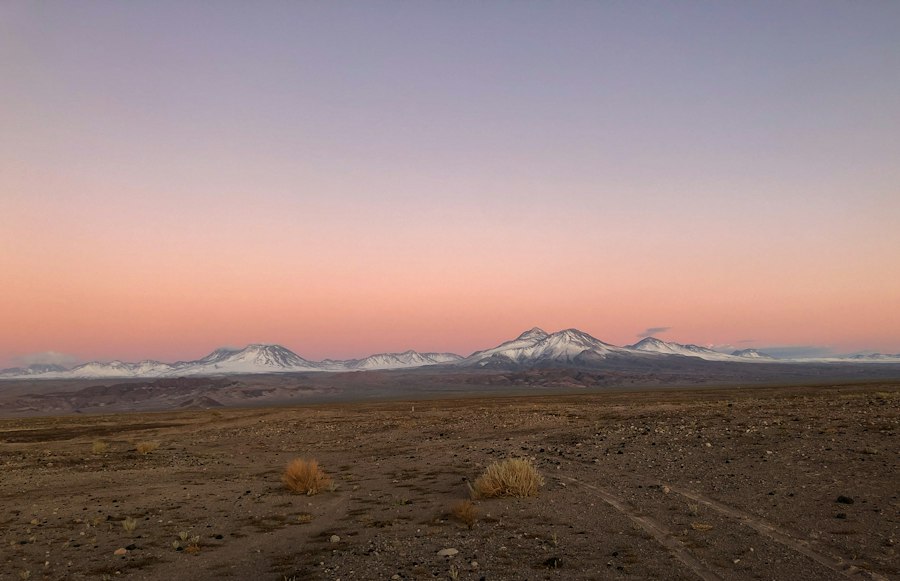
If you have ever dreamed of capturing the cosmos in its rawest, most breathtaking form, then packing your camera gear for northern Chile is an absolute must. The Atacama Desert is widely considered the dryest non-polar desert on Earth, offering over three hundred clear nights a year and virtually zero light pollution. To help you capture the universe, we have curated the ultimate guide to the 6 best Atacama astrophotography spots that will elevate your portfolio to astronomical heights.
When you stand under the southern sky here, the Milky Way does not just look like a faint cloud; it casts a visible shadow on the desert floor. To make the most of this celestial playground, you need to know exactly where to set up your tripod, how to compose your shots, and how to navigate the challenging high-altitude terrain. Let us dive into the ultimate guide to the most photogenic stargazing locations in the region.
1. Valle de la Luna (Valley of the Moon)
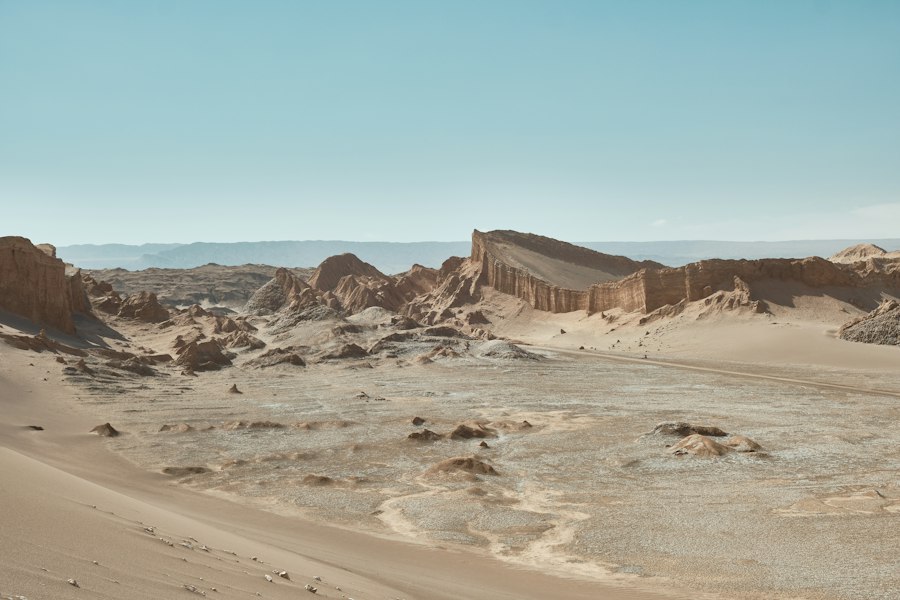
Located just a few kilometers outside the oasis town of San Pedro de Atacama, Valle de la Luna offers an otherworldly landscape that feels like you have been transported to another planet. The geological formations here, carved by wind and water over millions of years, consist of salt, clay, and sand dunes that create dramatic silhouettes against the night sky.
Composition and Framing in the Valley
When shooting in the Valley of the Moon, your main goal is to use the jagged salt ridges as a dramatic foreground. The famous Tres Marias salt sculptures offer an excellent focal point. For a compelling composition, position your tripod low to the ground to make these natural statues tower against the rising core of the Milky Way. Use a wide-angle lens, such as a 14mm or 20mm, to capture the sweep of the valley floor leading the viewers eye up toward the stars.
Camera Settings and Lighting Challenges
Because the salt formations are naturally reflective, even the faintest starlight can illuminate the ground. However, you must manage your lighting carefully. Avoid using strong headlamps, as they will wash out the delicate textures of the salt crystals. For detailed information on planning your journey to this iconic park, you can check out the official Lonely Planet Chile guide.
Pro Photography Tip: To capture the perfect balance of sky and land here, try a double exposure. Shoot your foreground duringFrequently Asked Questions
What makes the Atacama Desert so good for astrophotography?
It has some of the darkest, clearest skies on Earth with minimal light pollution and cloud cover. Its high altitude and dry air also reduce atmospheric distortion.
Which Atacama spot is best for capturing the Milky Way core?
The Valle de la Luna offers dark horizons and iconic rock formations for foreground interest. Its low light pollution makes the galactic core stand out brilliantly.
Do I need a tour to photograph the Atacama night sky?
Not necessarily, but guided astro-tours can take you to the best dark-sky locations safely. They also provide telescopes and local expertise on timing.
When is the best time of year to shoot astrophotography in Atacama?
The driest months from April to September generally offer the clearest skies. Winter nights are longer, giving you more dark hours for shooting.
What gear should I bring for Atacama astrophotography?
A DSLR or mirrorless camera with manual controls, a fast wide-angle lens, and a sturdy tripod are essential. Bring extra batteries and warm layers for cold desert nights.

Oliver Janssen scouts the best photography spots in every destination, from sunrise viewpoints to overlooked angles on famous landmarks. He shares exactly where to stand and when to be there for the shot.
💬 Comments (0)
No comments yet. Be the first!