Amsterdam Hidden Courtyards Photo Guide
Discover the secret hofjes of Amsterdam. Our 2026 guide reveals the most serene and photogenic hidden courtyards for unique shots.

Amsterdam Hidden Courtyards Photo Guide
Discovering the Amsterdam hidden courtyards is like uncovering a secret world of tranquility and timeless beauty, perfect for capturing stunning photographs in 2026. Imagine stepping away from the bustling canals and crowded streets into serene, green oases where history whispers from every brick and bloom. These hidden courtyards, or "hofjes," are photographic gems waiting for your lens. This guide is your passport to exploring and photographing these secluded spots, with detailed directions, historical context, and pro tips to ensure your images are as breathtaking as the scenes themselves. Get ready to see Amsterdam from a perspective most tourists never do.
Introduction to Amsterdam's Secret Gardens
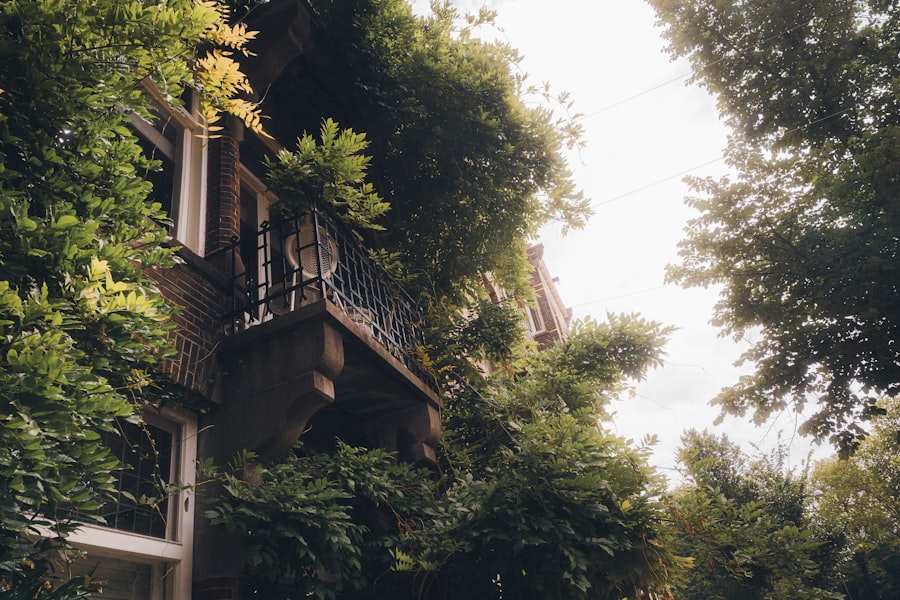
When you think of Amsterdam, your mind likely fills with images of iconic canals, cycling locals, and vibrant tulip markets. But beneath this lively surface lies a network of quiet, often overlooked sanctuaries. These Amsterdam hidden courtyards were historically built as almshouses for the elderly or poor, centered around peaceful gardens. Today, they offer a unique blend of architectural charm and natural calm, providing incredible subjects for photographers. The vibe in these spaces is profoundly different from the city's main arteries; it's contemplative, intimate, and rich with stories. In 2026, seeking out these spots will not only reward you with exceptional photos but also a deeper connection to the city's soul.
The History Behind Amsterdam's Hofjes
To truly appreciate these spaces, a dive into history is essential. The tradition of building hofjes dates back to the Middle Ages, with a significant boom in the 17th and 18th centuries during the Dutch Golden Age. Wealthy merchants and charitable foundations established these residential complexes around a shared courtyard to house single women, the elderly, or those in need. The design was pragmatic and peaceful: a central garden for reflection and community, surrounded by small, humble dwellings. Each courtyard has its own tale, from the Begijnhof's spiritual beginnings to the lesser-known hofjes funded by silk traders. Understanding this context transforms your photography from simple snapshots to narrative-driven art. You're not just capturing a pretty garden; you're framing centuries of community, charity, and quiet resilience.
Preparing for Your Photographic Journey
Before you set out to capture the Amsterdam hidden courtyards, proper preparation is key. These are often residential areas, so respect and planning will ensure a positive experience for you and the residents.
Essential Gear for Courtyard Photography
While a smartphone can capture the moment, a dedicated camera will give you more creative control. Here’s a recommended kit for 2026:
- Camera: A mirrorless or DSLR with a versatile zoom lens (e.g., 24-70mm) is ideal. A prime lens (like a 35mm or 50mm) is excellent for sharp, low-light shots and beautiful bokeh.
- Tripod: Many courtyards are shaded, requiring longer exposures. A compact, travel-friendly tripod is invaluable for stability without being intrusive.
- Filters: A circular polarizer can help manage reflections on windows and deepen the colors of foliage and sky.
- Extra Memory Cards and Batteries: You'll be shooting more than you think!
Best Times to Visit for Perfect Lighting
Lighting is the soul of photography, and in these enclosed spaces, it behaves uniquely. The golden hours—shortly after sunrise and before sunset—are magical. Low-angle sunlight filters through archways and leaves, creating long, dramatic shadows and warm glows. Midday light can be harsh, but it also offers opportunities for high-contrast, graphic compositions against whitewashed walls. Overcast days provide soft, even light that saturates colors and reduces shadows, perfect for capturing details. Always check opening hours, as many courtyards are private and may have restricted access in the evenings.
Top Amsterdam Hidden Courtyards to Explore in 2026
Now, let's delve into the specifics. Here are some of the most photogenic Amsterdam hidden courtyards, complete with history, exact walking directions, and camera advice.
Begijnhof: The Spiritual Heart
Perhaps the most famous, the Begijnhof is a must-visit. Founded in the 14th century, it was home to the Beguines, a Catholic sisterhood. The vibe here is one of profound peace. You enter through an unassuming door off the Spui square, stepping into a world of clipped lawns, historic houses, and a clandestine church.
Walking Directions: From Amsterdam Central Station, walk down Damrak to Dam Square. Head south on Kalverstraat until you reach the Spui square. Look for the small, arched doorway marked "Begijnhof" next to the cafe. It's easy to miss, which is part of its charm.
Photography Details: The central lawn is symmetrical, begging for a centered composition. Use a wide aperture (like f/2.8) to isolate the iconic Engelse Kerk (English Church) at the far end. Pay attention to the framing offered by the surrounding gables. A pro tip: visit early in the morning to avoid crowds and capture the dew on the grass. The play of light through the trees onto the old facades is stunning.
Pro Photography Tip: "For courtyards like Begijnhof, try shooting from a low angle to include more of the patterned brickwork in the foreground, leading the eye into the scene. This adds depth and a sense of grandeur to the space."
Hofje van Brienen: A Secret Canal-Side Gem
Tucked away in the Jordaan district, Hofje van Brienen (founded in 1804) is a stunning example of a classic Dutch hofje. Accessed via a narrow alley from the Prinsengracht canal, it feels like a discovery. The courtyard is long and rectangular, with a central path, lush borders, and a charming water pump.
Walking Directions: From the Anne Frank House on Prinsengracht, walk north for about 5 minutes. You'll find a narrow passageway between numbers 89-91. Walk through the covered alley to emerge in the courtyard.
Photography Details: The long sightlines are perfect for practicing leading lines. Use a narrower aperture (f/8 or f/11) to keep the entire length in sharp focus. The white-framed windows and green doors against red brick make for vibrant color contrasts. Capture the vibe of quiet residence by including details like a bicycle leaning against a wall or flowers on a windowsill. The lighting here can be tricky due to high walls; midday sun can create beautiful patches of light and shadow.
Zon's Hofje: A Sun-Drenched Sanctuary
Established in 1765, Zon's Hofje is a radiant spot, true to its name ("Sun's Courtyard"). Located in the bustling Nine Streets area, it's a surprise of sunlight and symmetry. The courtyard is small but perfectly formed, with a central sundial and beautifully maintained rose bushes.
Walking Directions: From the Westerkerk, head into the Nine Streets shopping district. Find the Reestraat, and look for a simple black door with a small plaque at number 11. Ring the bell (politely) during visiting hours, which are often posted.
Photography Details: This is a spot for intimate compositions. Use a 50mm lens to capture details like the sundial, the texture of the cobbles, or the geometry of the windows. The angles here are key; try shooting straight down the central path or from one corner to emphasize the symmetry. The best lighting is in the afternoon when the sun directly illuminates the courtyard. Experiment with framing your shot through one of the arched entryways.
Pro Photography Tip: "When photographing smaller courtyards, don't just shoot the whole scene. Focus on details—a weathered door knocker, a pair of old shoes by a step, a cat sunning itself. These detail shots build a richer portfolio and tell a more complete story of the Amsterdam hidden courtyards."
Hofje de Zeven Keurvorsten: The Regal Retreat
This 17th-century courtyard, named after the Seven Electors of the Holy Roman Empire, is a hidden treasure near the Leidseplein. It's larger than most, with a spacious green surrounded by tall, elegant buildings and a striking clock tower.
Walking Directions: From the Leidseplein, walk east down the Kleine Gartmanplantsoen. Turn right onto the Eerste Constantijn Huygensstraat. The hofje's entrance is at number 20, through a grand gateway.
Photography Details: The scale here allows for grand architectural shots. Use a wide-angle lens (16-35mm) to capture the clock tower rising above the rooftops. The lush lawn is a great foreground element. For a unique angle, find a spot where the pathways converge, creating dynamic lines. Visit in the spring of 2026 to capture the courtyard filled with blooming flowers. The composition should balance the imposing architecture with the softness of nature.
Mastering the Art of Courtyard Photography
Capturing the essence of these Amsterdam hidden courtyards goes beyond technical settings; it's about conveying atmosphere and story.
Working with Challenging Light and Shadow
The enclosed nature of courtyards creates complex lighting scenarios. Bright skies above can blow out highlights, while the ground level remains in shadow. Use your camera's highlight alert and expose for the highlights, then lift shadows in post-processing. HDR techniques (shooting multiple exposures) can be very effective here. Embrace the shadows—they add mystery and depth to your images, enhancing the secretive vibe.
Composition Techniques for Enclosed Spaces
Composition is your most powerful tool. Beyond the rule of thirds, look for natural frames like archways, windows, or overhanging branches. Use leading lines—paths, brick patterns, or rows of windows—to guide the viewer's eye. Pay attention to layers: foreground (foliage), midground (buildings), and background (sky or towers). This creates a sense of depth in a confined area. Don't forget to look up; the rooflines and chimneys against the Amsterdam sky are iconic.
Here’s a quick checklist for every courtyard shoot:
- Scan the perimeter for unique architectural details.
- Find a high or low vantage point to change perspective.
- Include human elements for scale and life (be discreet).
- Wait for moments of change—a door opening, a resident tending plants.
Your Amsterdam Hidden Courtyards Itinerary for 2026
To maximize your time, here’s a suggested one-day itinerary that connects several key Amsterdam hidden courtyards in a logical walking route. This plan considers lighting and proximity.
- Morning (8:00 AM - 11:00 AM): Start at Begijnhof. The early light and quiet atmosphere are perfect. Afterwards, walk to the nearby Spui square for a coffee.
- Late Morning (11:00 AM - 1:00 PM): Stroll through the Jordaan to Hofje van Brienen. The sun is higher now, illuminating the courtyard fully. Explore the surrounding canals for more shots.
- Afternoon (1:00 PM - 3:00 PM): After lunch, head to Zon's Hofje in the Nine Streets. The afternoon sun lives up to its name. Then, make your way towards the Hofje de Zeven Keurvorsten.
- Late Afternoon (3:00 PM - 5:00 PM): Capture the regal Hofje de Zeven Keurvorsten as the light starts to soften. This is the golden hour, ideal for warm, long-shadow shots.
Remember, this is just a framework. Allow yourself to get lost in the side streets—you might discover your own secret spot. For more planning resources, check out curated walking tours on TripAdvisor or the detailed historical context in Lonely Planet's Amsterdam guide for 2026.
Conclusion: Capture the Soul of Amsterdam
Exploring the Amsterdam hidden courtyards is more than a photo safari; it's a journey into the heart of the city's heritage. In 2026, as Amsterdam continues to evolve, these timeless spaces remain anchors of tranquility and beauty. With your camera in hand, you have the privilege of preserving their quiet magic. Remember to shoot with respect, patience, and creativity. Play with lighting, experiment with angles, and strive for composition that tells a story. The vibe you capture—the stillness, the history, the subtle details—will result in photographs that are uniquely yours. So lace up your walking shoes, charge your batteries, and get ready to reveal the secret gardens of Amsterdam to the world.

Oliver Janssen scouts the best photography spots in every destination, from sunrise viewpoints to overlooked angles on famous landmarks. He shares exactly where to stand and when to be there for the shot.
💬 Comments (0)
No comments yet. Be the first!