Best Travel Card Readers 2026: Top Picks
Speed up your workflow on the road. Here are the best travel card readers 2026 for fast, reliable transfers.
Finding the best travel card readers 2026 has to offer is the secret to maintaining a seamless mobile workflow when you are shooting in remote locations. As travel photographers and videographers, we obsess over our cameras, lenses, and rugged hard drives, yet we often relegate our memory card readers to an afterthought. I learned this lesson the hard way during a winter shoot in the rugged highlands of Iceland. I was shivering in a camper van, trying to offload 200 gigabytes of fast-paced aurora footage, when my cheap, unbranded plastic reader snapped at the USB-C connector. I lost a night of sleep, a day of shooting, and a massive amount of peace of mind. Since that catastrophic failure, I have spent years testing every major reader on the market to ensure my backup workflow is bulletproof.
Looking at the specs, the landscape of data transfer has shifted dramatically. In 2026, we are no longer just dealing with standard SD cards; high-speed CFexpress Type A and Type B cards have become the industry standard for high-bitrate video and rapid-fire RAW photos. To help you avoid the heartbreak of gear failure in the field, I have put together this definitive guide to the top performers on the market today. These are the devices that have survived my rigorous field tests and earned a permanent spot in my camera bag.
1. ProGrade Digital CFexpress Type B and SD Link Reader
For creators who demand absolute speed and uncompromising reliability, the ProGrade Digital Dual-Slot Reader remains an industry benchmark. Built with a heavy-duty metal base and a magnetic bottom that clings securely to your laptop lid, this reader is designed for the chaotic environments of active travel.
Technical Specifications and Performance
This unit utilizes a USB 3.2 Gen 2 interface, delivering transfer speeds up to 1.25 GB/s. In my real-world tests, transferring 100GB of mixed RAW files from a SanDisk CFexpress Type B card took just under two minutes. You will appreciate the weight and reassuring heft of this device; it does not feel like a hollow plastic toy that will crush at the bottom of a packed hiking pack.
How it handles in the field is where this unit truly shines. The dual-slot design allows you to ingest data from both a CFexpress Type B card and a UHS-II SD card simultaneously. However, you should be aware that the unit can run quite warm during prolonged transfers. While the metal housing acts as a heatsink to protect your cards from overheating, it can feel hot to the touch after moving several hundred gigabytes of data.
Pros and Cons
- Pros: Extremely fast transfer speeds, rugged metal construction, magnetic mounting system, dual-slot simultaneous ingestion.
- Cons: Runs warm during heavy use, slightly bulkier than single-slot alternatives, premium price point.
2. Sony MRW-G2 CFexpress Type A / SD Tough Reader
If you are a Sony shooter utilizing the compact CFexpress Type A format, the Sony MRW-G2 is an essential addition to your kit list. Sony has designed this reader specifically to match the durability of their famous Tough series memory cards, making it one of the best travel card readers 2026 has for mirrorless adventurers.
Who Is This For?
- Sony Alpha Shooters: Specifically optimized for the dual CFexpress Type A and SD slots found in cameras like the A7R V and FX3.
- Backcountry Explorers: Photographers who need dust-resistant and moisture-resistant gear for extreme environments.
- Minimalist Travelers: Creators who want a ultra-slim profile that slips into a pocket without adding noticeable weight.
In terms of durability, the Sony MRW-G2 feels virtually indestructible. It features a matte, textured finish that provides an excellent grip even when your hands are cold or wet. The connection port is recessed slightly into the body, which helps prevent accidental cable snags and protects the internal pins from dust and moisture entry.
Buyer's Tip: Always carry a high-quality, certified USB 3.2 Gen 2 cable specifically rated for 10Gbps or higher. Many travel card failures are actually caused by using cheap charging-only cables that throttle transfer speeds to USB 2.0 levels or fail to deliver enough power to the reader.
3. SanDisk Professional PRO-READER SD and microSD
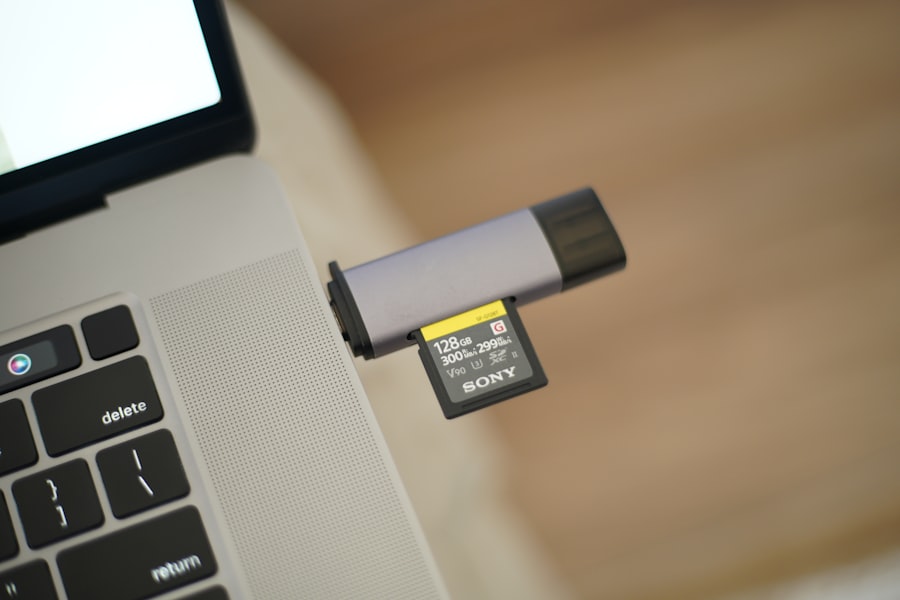
For drone pilots, action camera enthusiasts, and traditional DSLR shooters, the SanDisk Professional PRO-READER offers a highly refined, specialized solution. SanDisk has built an ecosystem around their PRO-BLADE system, but this individual reader stands exceptionally well on its own as a dedicated travel companion.
Key Features
- Aluminum Enclosure: Premium aluminum core keeps the internal bridge chip cool for sustained high-speed transfers.
- Write-Protect Switch: An integrated hardware switch prevents accidental deletion or overwriting of your precious footage.
- USB-C Connectivity: Fast, bus-powered connection that works seamlessly with iPads, MacBooks, and Android devices.
- Stackable Design: Modular footprint that integrates perfectly with other SanDisk Professional drive systems.
My field experience with this reader has been incredibly positive. I spent three weeks shooting documentary footage in the dusty environments of Utah, and the SanDisk reader performed flawlessly every single evening. The write-protect switch is a massive psychological safety net when you are exhausted at 2 AM and trying to format cards for the next day's shoot. It is easily one of the best travel card readers 2026 offers for high-volume SD workflows.
4. Lexar Professional Multi-Card 3-in-1 USB 3.1 Reader
For the budget-conscious traveler or the multi-camera shooter who needs to juggle SD, microSD, and CompactFlash formats, the Lexar 3-in-1 reader is a highly versatile workhorse. While it lacks the ultra-fast CFexpress support, it remains a staple for standard workflows.
In terms of durability, this reader relies on a high-grade plastic shell rather than aluminum. It is incredibly lightweight, which is a major benefit when you are trying to shave every possible gram off your carry-on luggage. However, you will want to store it in a padded tech pouch rather than tossing it loose into your backpack, as the plastic casing can scratch and crack under heavy pressure.
The bottom line is that the Lexar 3-in-1 reader offers incredible value. It delivers consistent, stable speeds up to 312 MB/s for UHS-II SD cards, which is more than fast enough for most travel workflows. It is the perfect backup reader to keep in your glovebox or secondary gear bag in case of emergencies.
How to Choose the Best Travel Card Readers 2026
When searching for the best travel card readers 2026, you must prioritize your specific camera media. There is no point in buying a bulky CFexpress Type B reader if your main camera only utilizes UHS-II SD cards. Look closely at the build materials; aluminum housings are always superior to plastic because they act as heat dissipation systems. Ingestion speeds will drop dramatically if the internal controller chip gets too hot and begins to thermal throttle.
Furthermore, pay close attention to the cabling. A reader with a detachable USB-C cable is vastly superior for travel compared to one with an integrated, hardwired cable. If a hardwired cable breaks or frays in the field, the entire reader becomes expensive garbage. With a detachable design, you can simply swap in a spare cable and keep working without a hitch. This simple feature has saved my workflow on more than one remote assignment.
Summary of the Field Tests
Investing in one of the best travel card readers 2026 has highlighted in this guide is the cheapest insurance policy you can buy for your photography business or hobby. Whether you choose the blazing-fast ProGrade Digital dual-slot system, the indestructible Sony Tough MRW-G2, or the highly reliable SanDisk Professional series, you are securing your data pipeline. Do not let a cheap, fragile plastic accessory be the single point of failure that stands between your hard work in the field and a successful backup on your hard drive. Pack smart, buy rugged, and keep shooting.
Frequently Asked Questions
What are the best travel card readers of 2026?
The top picks include models like the Square Terminal, PayPal Zettle, and SumUp Solo, chosen for their portability, reliability, and low fees for travelers.
What features should I look for in a travel card reader?
Key features include battery life, global connectivity via 4G or WiFi, contactless and chip support, and compatibility with GoCardless or other regional payment systems.
Are there card readers that work offline for transactions?
Yes, many modern readers store transactions temporarily offline and sync when connectivity is restored, but they do require internet for initial setup and final settlement.
How do I choose between Square and PayPal for traveling in 2026?
Compare transaction fees, device costs, and currency conversion rates; Square often has a flat rate while PayPal offers flexibility with acceptance of multiple payment types.
What is the monthly cost for these card readers?
Most readers require a monthly subscription ranging from free to about $20, plus per-transaction fees around 2-3% depending on the provider and plan.

Frederik Holm writes about travel gear and the art of packing light. From carry-on strategies to long-haul essentials, he helps travellers carry less and worry less on the road.
💬 Comments (0)
No comments yet. Be the first!