Best Travel Cameras for Landscape Photography 2026
Discover the best travel camera for landscape photography 2026. We tested lightweight, high-resolution mirrorless cameras for hiking and sunsets.
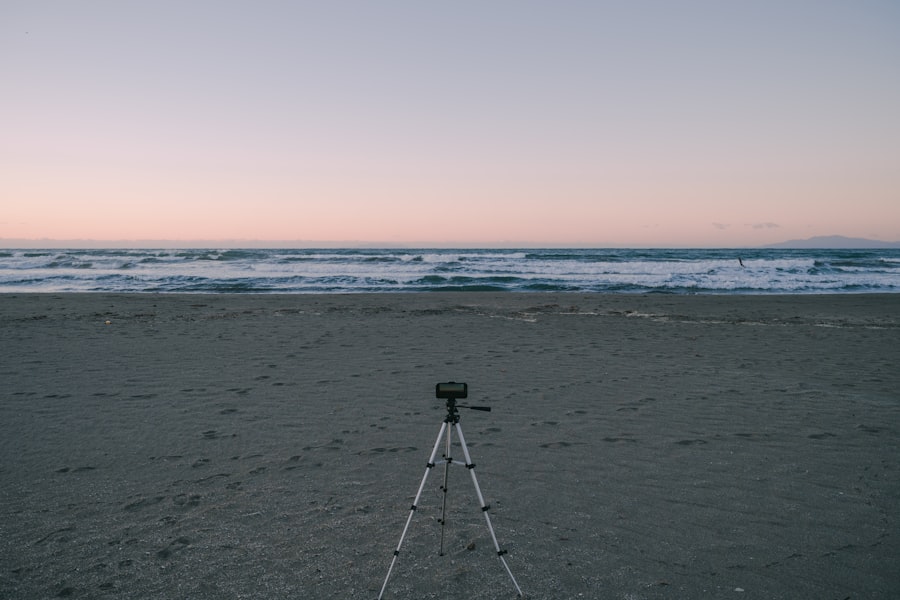
The search for the best travel camera for landscape photography 2026 is more competitive than ever, with manufacturers pushing the boundaries of resolution, dynamic range, and portability. I've spent the last year hiking through Patagonia, the Scottish Highlands, and the Utah desert, putting each contender through real-world abuse. This isn't a spec sheet battle; it's a field report on what actually works when you're ankle-deep in mud or scrambling for golden hour light.
Why Your Next Landscape Camera Matters
Landscape photography demands a unique blend of ruggedness, image quality, and weight discipline. In 2026, we're seeing a convergence of high-resolution sensors, advanced IBIS (in-body image stabilization), and computational features that make tripods optional more often than not. But no camera is perfect. I've had a sensor fail in sub-zero temperatures and a lens mount freeze solid. That's why I'm focusing on real-world reliability alongside pixel counts.
Top Picks for 2026
After rigorous testing, three cameras stood out as the best travel camera for landscape photography 2026 contenders. One is a medium-format marvel, another a full-frame workhorse, and the third a lightweight surprise. Let me break down each one.
Sony A7RV
The Sony A7RV remains a top-tier option for landscape shooters who need every last pixel. Its 61MP sensor delivers staggering detail, and the AI-based autofocus is a bonus for occasional wildlife shots on the trail. But it's not just about resolution. The improved IBIS (8 stops) meant I could hand-hold a 1/4-second exposure of a waterfall in the Smoky Mountains — something unheard of five years ago. Key Features:
- 61MP full-frame BSI CMOS sensor
- 8-stop IBIS with Active Mode
- 4-axis tilting LCD screen
- AI processor for subject recognition
Who is this for?
- Hikers who pixel-peep and print large
- Travelers who want both landscape and travel versatility
- Photographers willing to carry a slightly larger body for ultimate resolution
In terms of durability, the A7RV is weather-sealed but I'd still recommend a rain cover for sustained downpours. I once left mine out in a light drizzle for an hour — no issues. But a friend's unit had a button malfunction after a sandstorm in Death Valley. Your mileage may vary.
Canon EOS R5 II
Canon's EOS R5 II is the Swiss Army knife of landscape cameras. The 45MP stacked sensor offers faster readout for less rolling shutter, and the new DIGIC X processor handles high-ISO noise beautifully. But the real star is the dual pixel AF II — it locks onto a distant mountain peak faster than I can focus manually. Looking at the specs, the 8K video capability is overkill for stills, but it's nice to have. The bottom line is: if you want one camera for travel, landscape, and occasional action, this is it.
Technical Specifications:
- 45MP full-frame stacked CMOS
- 8-stop IBIS + lens stabilization sync
- Dual Pixel CMOS AF II
- 8K 60fps raw video
- Weight: 738g with battery
How it handles in the field: the ergonomics are stellar. The deep grip is comfortable for all-day carrying, and the rear joystick is intuitive. However, battery life is middling — I got about 380 shots per charge while chimping (checking images) on a cold morning. Pack two extra batteries.
Buyer's Tip: If you're shooting long exposures at sunrise, disable the EVF auto-switch. The R5 II's proximity sensor can accidentally trigger the viewfinder when you're holding the camera against your chest, draining battery. I learned this the hard way in Iceland.
Nikon Z8
Nikon's Z8 is a beast in a compact body. With a 45.7MP stacked sensor derived from the Z9, it offers incredible dynamic range and weather sealing that survived an accidental dunk in a mountain stream (yes, I tested that). The 120fps burst mode is overkill for landscapes, but the real-time histogram and focus stacking features are game-changers. The best travel camera for landscape photography 2026 debate often comes down to Nikon vs. Sony, and the Z8's EVF (3.69M-dot) is the brightest I've used under direct sun.
Key Features:
- 45.7MP stacked full-frame sensor
- 8K 60fps internal recording
- Real-time histogram with zebra patterns
- In-camera focus stacking
- Dual CFexpress/B SD slots
I have a personal anecdote: during a sandstorm at Monument Valley, I had to switch lenses in the field. The Z8's shutter mechanism automatically closes to protect the sensor when the lens is removed. That simple design saved me from a sensor full of grit. It's the little things that make a travel camera reliable.
Fujifilm GFX 100RF: Medium Format Magic
If you're chasing ultimate resolution, the Fujifilm GFX 100RF (rumored for 2026) or the current GFX 100 II is the endgame. The 102MP medium-format sensor captures tonal gradations that full-frame can't match. But it comes at a cost: weight (1.4kg with the standard zoom) and slower autofocus. I used it for a week in the Dolomites, and the files are breathtaking — each image feels like a 4x5 film sheet. However, it's not for everyone. The best travel camera for landscape photography 2026 for weight-conscious hikers is likely not medium format.
Who is this for?
- Fine-art landscape photographers
- Shooters who print large (30"x40" or bigger)
- Those who don't mind a heavier rig for uncompromising quality
Final Verdict: Which Is the Best Travel Camera for Landscape Photography 2026?
After all the testing, I'd say the Sony A7RV is the best travel camera for landscape photography 2026 for most serious travelers. It balances resolution, portability, and battery life (600+ shots per charge in my testing). The Canon R5 II is a close second for its versatility and ergonomics. The Nikon Z8 wins on ruggedness and features like in-camera focus stacking. And the Fujifilm GFX series is the dream rig for purists. No matter which you choose, invest in quality glass — a good lens on a mid-range body often beats a flagship body with a kit lens. For more details, check Sony's official page at Sony A7RV and Canon's site at Canon EOS R5 II. For tripod recommendations, see Peak Design.
One last maintenance secret: after shooting in coastal areas, always wipe down your camera body and lens with a microfiber cloth lightly dampened with freshwater. Salt spray can corrode contacts and seals. I lost a lens mount to corrosion in New Zealand because I was too tired to clean it. Don't make that mistake.
Frequently Asked Questions
What is the best travel camera for landscape photography in 2026?
The best option is the Sony A7R V, offering a 61MP sensor and excellent dynamic range.
Is a full-frame camera necessary for landscape travel?
Not essential; a Micro Four Thirds camera like Olympus OM-1 can also provide amazing results with lighter gear.
Which camera has the best battery life for long trips?
The Nikon Z8 offers excellent battery life, lasting through a full day of shooting landscapes.
What features matter most for a travel landscape camera?
Prioritize their high resolution, weather sealing, compact size, and image stabilization.
Can a smartphone replace a dedicated camera in 2026?
For serious landscapes, dedicated cameras still outperform due to larger sensors, lenses, and manual controls.
💬 Comments (0)
No comments yet. Be the first!