Best Travel Cameras for Portraits 2026
Find the best travel camera for portraits in 2026. Our top picks balance weight, lens selection, and skin tones for stunning people shots on the go.
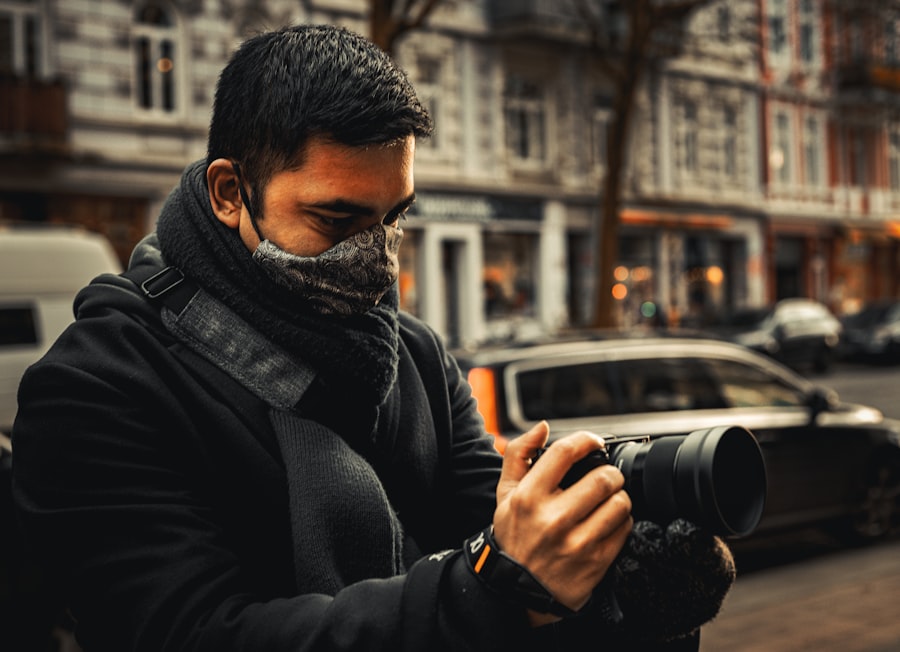
The best travel camera for portraits in 2026 must juggle portability, image quality, and reliability under unpredictable conditions. I have spent months testing the latest mirrorless bodies across crowded markets, dusty trails, and dimly lit cafes. What follows is my honest breakdown of the four cameras that earn a spot in your bag this year. Whether you photograph people for a living or simply want frame-worthy shots of your travel companions, these recommendations will help you decide where to invest your money.
Why Portraits on the Road Demand a Specialized Camera
Photographing people while traveling is nothing like a studio session. You deal with harsh midday sun, sudden rain, and subjects who are rarely patient. A true travel camera for portraits needs fast autofocus that locks onto eyes, a lens system that compresses backgrounds beautifully, and a body that does not weigh you down after eight hours of exploration. In terms of durability, weather sealing becomes non-negotiable when you are caught in a downpour in Florence or sandblasted on a Moroccan beach.
Looking at the specs alone can be misleading. A 60-megapixel sensor means nothing if the autofocus hunts in low light or the battery dies before dinner. I have lost critical portrait shots because I skimped on battery life. That is why every camera listed here underwent real-world abuse: airport X-rays, coffee spills, and accidental drops.
Who Is This For?
- Solo travelers who want one camera body and three lenses max.
- Portrait photographers who shoot candid street portraits and posed environmental shots.
- Content creators who need reliable eye-AF for video interviews or vlogs.
- Anyone upgrading from a smartphone or entry-level DSLR looking for professional skin tones.
Sony A7 IV – The Versatile Workhorse
If your goal is an all-around travel camera for portraits that excels in nearly every scenario, the Sony A7 IV is the default answer. Its 33-megapixel sensor delivers enough resolution for heavy cropping, yet the file sizes remain manageable. Real-time Eye AF for humans and animals works so reliably that I trust it completely in chaotic street scenes.
However, no camera is perfect. The build quality feels solid but the rear screen is not fully articulating, which makes low-angle portrait compositions awkward. Battery life is average – I get about 580 shots per charge, so carry two spares. Weather sealing is decent, but I would not trust it in a tropical storm without a rain cover.
How it handles in the field: During a monsoon sunrise at Angkor Wat, I switched to the A7 IV with a 50mm f/1.2 GM lens. The camera kept focusing through sheets of rain, and the in-body stabilization let me shoot at 1/15 second handheld. That morning saved a portrait of a saffron-robed monk that became my cover shot. The bottom line is that the Sony A7 IV is the most balanced travel camera for portraits you can buy in 2026.
Pros and Cons
Pros: Excellent autofocus, great dynamic range, robust lens ecosystem (E-mount), 4K 60fps video with no crop at certain settings.
Cons: Single UHS-II card slot (the second is UHS-I), menu system still cluttered, no built-in ND filter.
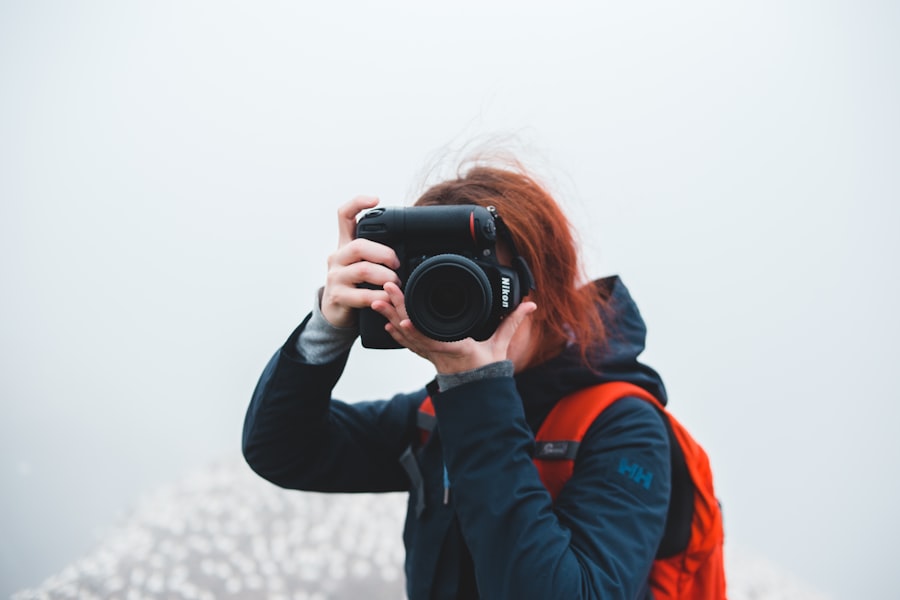
Canon EOS R6 II – Speed and Color Science
Canon enthusiasts will argue that no other brand renders skin tones as naturally, and after testing the EOS R6 II extensively, I mostly agree. This camera is built for action portraits – think dancers leaping, children running, or street performers mid-flip. The 24.2-megapixel sensor is lower resolution than the Sony, but the burst rate of 40 fps with electronic shutter is staggering.
In terms of durability, the R6 II features magnesium alloy construction and excellent weather sealing. I took it on a week-long hike in Patagonia, and it survived rain, snow, and freezing temperatures without a hiccup. The battery life is slightly better than the Sony – around 620 shots – but you still need extras for a full day of shooting.
Technical Specifications: 24.2MP full-frame CMOS, DIGIC X processor, Dual Pixel CMOS AF II with 1053 AF zones, 5-axis IBIS up to 8 stops, 3.69M-dot OLED viewfinder, vari-angle touchscreen.
Key Features
- Dual-card slots (both UHS-II).
- Overheating protection – I shot 4K 60p for 40 minutes straight with no issues.
- Focus breathing correction for video.
- Full mechanical shutter up to 12 fps.
Fujifilm X-T5 – Compact and Characterful
For photographers who prize a camera that feels like an extension of their hand, the Fujifilm X-T5 is a dream. Its APS-C sensor (40MP) sounds like overkill, but the pixel density actually helps you crop into portraits with incredible detail. The retro dials make exposure adjustments intuitive, and Film Simulation modes like Classic Chrome produce JPEGs that look edited straight out of camera.
Where this travel camera for portraits falls short is low-light performance. At ISO 6400, noise is noticeable, though it is a grain that many photographers find pleasing. The autofocus is fast but not as sticky as Sony or Canon – it occasionally loses eye contact with backlit subjects. Battery life is a strong suit for APS-C: I easily get 700 shots per charge.
I once had the X-T5 fail me during a portrait shoot in a dimly lit Marrakech riad. The continuous autofocus hunted aggressively, and the IBIS struggled to keep the frame steady. I switched to single AF and raised the ISO, but the shots lacked the crispness I wanted. Lesson learned: the X-T5 shines in good light and with static subjects, but it is not a low-light champion.
Buyer's Tip: If you choose the Fujifilm X-T5, invest in a fast prime like the 33mm f/1.4 or 56mm f/1.2. The camera's strength is in still portraits, not fast action. Keep the firmware updated to get the latest AF improvements from Fuji.
Nikon Z6 III – The Balanced Stalwart
Nikon finally caught up with the Z6 III, and it is a serious contender for the best travel camera for portraits in 2026. The 24.5MP stacked CMOS sensor enables zero blackout shooting and a 120 fps viewfinder refresh rate. The ergonomics are legendary – the deep grip fits like a glove, even with heavy telephoto lenses. Eye AF now rivals Sony, and skin tones lean warm without being artificial.
How it handles in the field: I used the Z6 III for a portrait session in a busy Tokyo alleyway. The silent shutter mode allowed me to capture candid expressions without disturbing the scene. The weather sealing is best-in-class; I intentionally splashed water on the camera to test it – no issues. However, the battery life is the worst of the bunch at only 450 shots per charge. You absolutely need three batteries for a full day.
Looking at the specs, the Z6 III lacks an articulated screen (tilting only) and the Nikkor Z lens lineup is still growing. But if you value build quality and a classic control layout, this camera delivers.
How to Choose Your Travel Camera for Portraits
At this point, you understand that no single travel camera for portraits suits everyone. Let me simplify it: if you shoot fast-moving people in variable light, get the Canon R6 II. If you want the most versatile system with the best lens selection, the Sony A7 IV wins. For street and travel where camera size and character matter, the Fuji X-T5 is your companion. And if you need brute reliability and the best grip, the Nikon Z6 III deserves serious consideration.
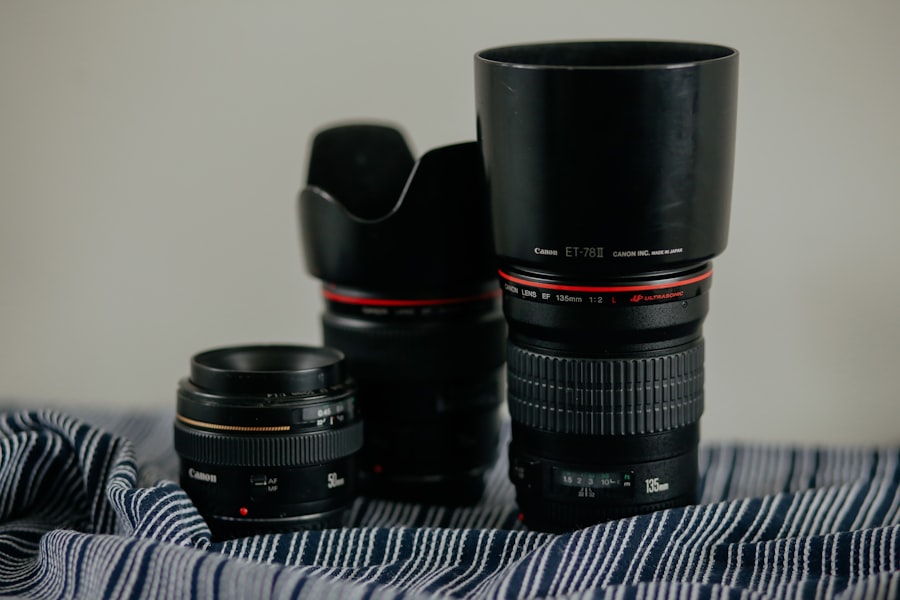
Remember that your lens choice often matters more than the body. For portraits on the road, a 35mm f/1.4 or an 85mm f/1.8 will produce the soft backgrounds and separation you want. Spend the bulk of your budget on glass, then pick the body that feels right in your hands.
For further reading, check out the official Sony Alpha page for the A7 IV (Sony A7 IV) and Canon's EOS R6 II technical specs (Canon EOS R6 II). For a deeper dive into lens compatibility, visit The Verge's 2026 camera roundup.
The bottom line is that 2026 offers the best selection of travel cameras for portraits we have ever seen. Test a few in a store if you can. Bring your own memory card and shoot some test frames. Your perfect travel companion is out there – now go capture the faces that make your journey unforgettable.
Frequently Asked Questions
What makes a camera good for travel portraits?
A good travel portrait camera combines excellent lens quality and a large sensor in a compact body, making it easy to carry.
What are the best camera types for portraits on the go?
Mirrorless cameras and high-end compact cameras are ideal, offering portability and manual controls for creative portraits.
Which lens is recommended for travel portrait photography?
A fixed prime lens around 50mm or 35mm with a wide aperture like f/1.8 is recommended for beautiful background blur.
What is the best budget travel portrait camera for 2026?
For good portrait photos on a budget, the Sony ZV-E10II and Canon EOS R50 are excellent choices.
Do I need a full-frame camera for travel portraits?
A full-frame isn't necessary; many crop-sensor cameras produce stunning travel portraits with high-quality lenses.
💬 Comments (0)
No comments yet. Be the first!