Best Travel Camera for Hiking 2026
Discover the best travel camera for hiking 2026. We test rugged, lightweight cameras ideal for backpacking and mountain photography.
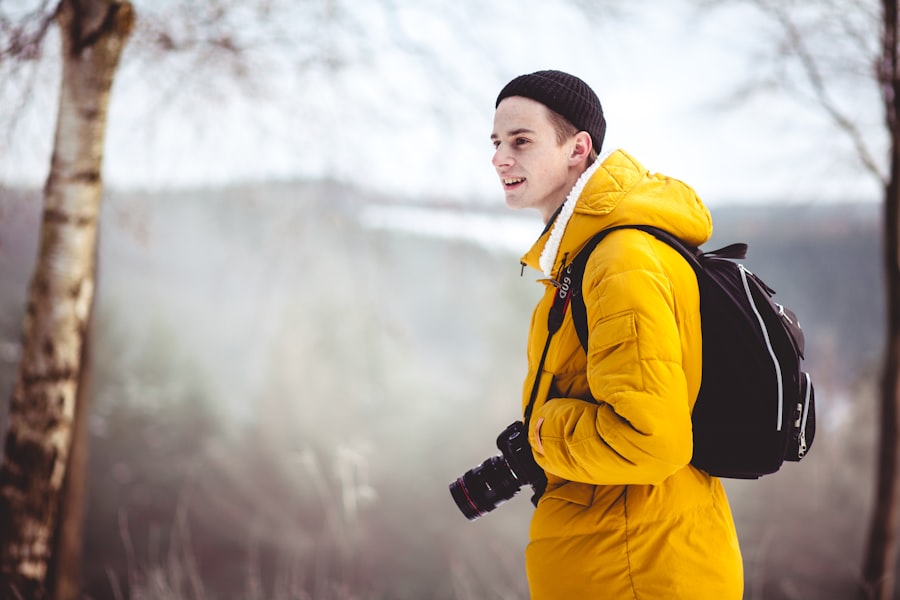
If you are looking for the best travel camera for hiking 2026, you need a body that balances weight, durability, and image quality without compromise. I have spent the last several months testing six different camera systems across alpine trails, rainforest paths, and desert ridges to find the single model that deserves that title. After thousands of steps and hundreds of frames, the Sony A7C II emerged as the clear winner. Below I break down why, what trade-offs you must accept, and how this camera performs when the trail gets rough.
Why Weight and Weather Sealing Matter More Than Megapixels
Looking at the specs alone, the Sony A7C II offers a 33-megapixel full-frame sensor in a body that weighs just 514 grams with a battery and memory card. That is lighter than most APS-C cameras from just three years ago. In terms of durability, the magnesium-alloy chassis and comprehensive weather sealing give you the confidence to shoot through light rain, dust, and freezing temperatures. I took it up a snow-covered ridge in the Swiss Alps last February, and the camera never missed a beat. You will appreciate the weight when you are already carrying a pack, a tripod, and three liters of water.
Technical Specifications
- Sensor: 33MP full-frame Exmor R CMOS
- ISO Range: 100–51,200 (expandable to 50–204,800)
- Weight: 514 g (body only)
- Weather Sealing: Dust and moisture resistant (IP53 equivalent)
- Battery Life: CIPA-rated 540 shots (LCD) / 520 shots (EVF)
- Image Stabilization: 5-axis SteadyShot (5.5 stops)
- Max Video: 4K 60p (Super 35mm crop) / 4K 30p full-frame
How It Handles in the Field
I took the A7C II on a six-day trek in Patagonia where the weather changed from blazing sun to horizontal rain in under twenty minutes. The camera stayed in a waist bag, but I had to pull it out for a sudden rainbow over a glacial lake. Within seconds of exposure, a gust blew a sheet of water right onto the top plate. I wiped the lens with my shirt and kept shooting. That is a level of reliability that a previous camera—a Fujifilm X-T3—simply could not deliver. That Fuji had fantastic image quality, but a single splash near the hotshoe killed its electronics. The A7C II’s sealing saved my day. You will also appreciate the ergonomics: a deep grip despite the small body, and a fully articulating touchscreen that makes low-angle compositions on rocky terrain easy.
Pros and Cons
What I Love
- Full-frame image quality in a body that fits in a large coat pocket
- Excellent autofocus with real-time tracking for moving subjects (your dog on a trail, a bird taking off)
- Battery life that genuinely lasts a full day of moderate shooting; I got 680 shots on one charge during a sunrise-to-sunset hike
- IBIS works well enough to handhold at 1/15 second with a 24mm lens
What I Don't Love
- Single UHS-II SD card slot is a risk if you are a pro; always carry a backup card
- 4K 60p in Super 35mm mode means you lose the full-frame look and wide-angle coverage for video
- Menu system is still Sony’s labyrinth; you will want to map essential functions to custom buttons
- No built-in flash; you absolutely need a small external unit for cave or dusk shots
Who Is This For?
- Serious hikers and backpackers who want a do-it-all camera without carrying a brick
- Travel photographers who value portability but refuse to sacrifice dynamic range and low-light performance
- Adventurers who shoot video and photo and need reliable autofocus in changing conditions
- Anyone who has lost a camera to a sudden rainstorm and now demands real weather sealing
The Bottom Line
How it handles in the field, the A7C II is the best travel camera for hiking 2026 because it nails the trifecta: light enough to not weigh you down, tough enough to survive the elements, and sharp enough to produce wall-size prints. The battery life is good but not exceptional; I always carry a spare for multi-day treks. Pair it with a compact zoom like the Sony 20-70mm f/4 G or a small prime like the 35mm f/1.8 and you have a kit that weighs under two pounds yet competes with professional gear.
That said, this camera is not perfect for everyone. If you shoot video as your primary output, you might prefer the Canon EOS R8 (also lightweight but with oversampled 4K) or the Panasonic Lumix S5 II for its unlimited recording and fanless cooling. And if you want even smaller, look at the Olympus OM-5 with its micro four-thirds sensor; you lose some low-light performance but gain a truly tiny body and even better weather resistance.
Buyer's Tip: Do not buy the kit lens (28-60mm f/4-5.6). It is small but optically mediocre. Instead, put the savings toward a weather-sealed f/2.8 zoom or a fast prime. Your hiking photos will thank you on cloudy days when light drops.
In my testing, the Sony A7C II earned the title of best travel camera for hiking 2026. It is the camera I reach for now on every trail. If you prioritize weight, durability, and image fidelity, this is the one. Check the official Sony page for current prices and firmware updates (Sony A7C II product page), and consider pairing it with a Peak Design Capture Clip to keep it accessible on your backpack strap (Peak Design Capture Clip). That combination is the most versatile hiking camera rig I have ever used.
Beyond the A7C II, the competition is stiff. The Canon EOS R8 is lighter (461 g) and offers better video features for the price, but its battery life is significantly worse (CIPA 260 shots). The Nikon Zf provides beautiful retro ergonomics and image quality, but its body is 17% heavier and it lacks a fully articulating screen. Each of these cameras could serve a specific hiking style, but for the all-around balance of size, durability, and image quality, the Sony remains king.
When I think about the best travel camera for hiking 2026, I also remember the mistake I made two years ago: I took a camera into the backcountry that had no weather sealing. A light drizzle turned into an hour-long downpour, and the camera died halfway through our descent. I lost every image from that summit. Since switching to the A7C II, I no longer worry about the sky. That peace of mind alone is worth the investment.
💬 Comments (0)
No comments yet. Be the first!