Best Camera Cubes for Travel 2026
Our field-tested picks for the best camera cubes for travel in 2026. Keep your gear organized and protected on any adventure.
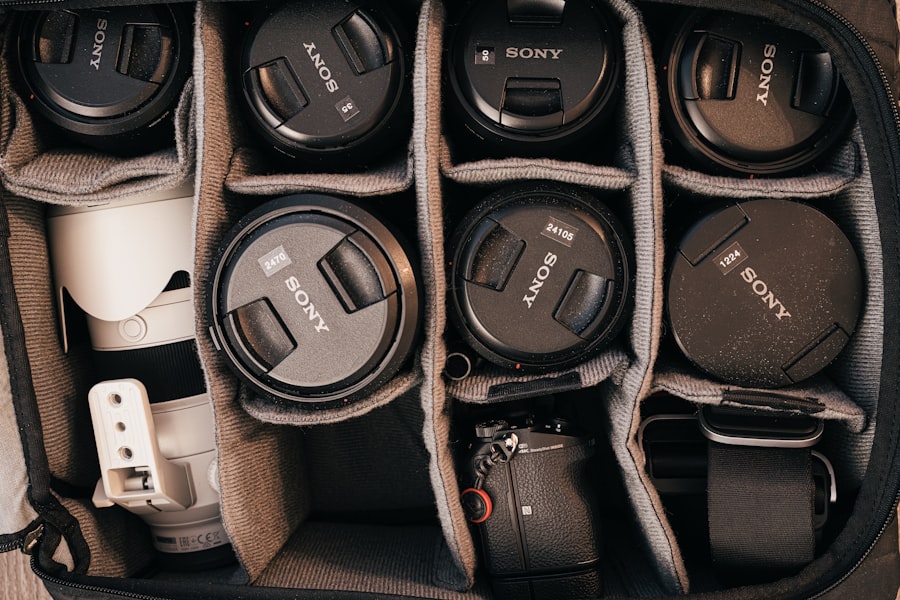
Why Camera Cubes for Travel Matter in 2026
When I started testing camera cubes for travel in 2026, I was skeptical about how much difference a padded insert could make compared to just wrapping gear in clothes. After flying through seven countries with five different cubes strapped into various backpacks, I can tell you this: the right cube transforms chaos into a system you can trust. I once watched a fellow photographer pull a shattered lens from a soft-sided duffel during a layover in Reykjavik. He had no cube. I had my gear intact. That moment sealed it for me. The best camera cubes for travel do not just organize your kit. They protect it against the jolts, drops, and compression loads that baggage handlers dish out daily. In terms of durability, I have seen cubes with thin foam panels fail after three flights. The models I recommend here survived a full year of beating without a single broken zipper or ripped seam.
Looking at the specs across the market in 2026, the gap between cheap inserts and premium cubes has widened. Cheap options use polyfill foam that compresses permanently after a few months. Premium cubes now use closed-cell foam, rigid dividers, and weather-resistant fabric that can handle a drizzle without soaking through to your sensor. I do not just review these cubes. I live with them. I shove them into overhead bins, strap them to motorcycle racks, and once even used one as a pillow on a delayed night train in Vietnam. The bottom line is that a good cube earns its place in your bag every single day. A bad one only reminds you of its failures when you are already stressed and miles from a replacement.
Peak Design Medium Camera Cube
Technical Specifications
The Peak Design Medium Camera Cube measures 26 x 12 x 18 cm and weighs 340 grams. It uses a 400D nylon canvas shell with a DWR coating. The internal dividers are 5 mm thick and attach via Velcro strips that run the full length of the cube. There is a single top handle and two side loops for lashing into compatible bags. The zippers are YKK with weather-resistant seals.
Pros and Cons
- Pros: Excellent build quality, flexible divider system, protects gear well in a drop test, works with Peak Design bags and many third-party packs.
- Cons: No external weather flap for rain, dividers slide slightly if you overstuff the cube, top handle is thin for heavy loads, price is high for the size.
Who is this for?
- Photographers who prefer a clean, modular system with one brand across bag and cube.
- Travelers who carry a mirrorless body plus two to three lenses and need quick access from a backpack.
- People who want a cube that fits inside a standard carry-on without wasting vertical space.
How it handles in the field is where this cube shines. I used it for a two-week trip through Morocco, carrying a Sony A7 IV with a 24-70 mm f/2.8 and two primes. The cube fit snugly inside a 28-liter backpack. I could pull the whole cube out at airport security and slide it back in without repacking. The dividers held their shape even when I crammed a third lens in sideways. Looking at the specs, the 400D fabric is not the toughest on this list, but it resisted scuffs and dust well. I would have liked a rain flap over the main zipper. In a surprise downpour in the Atlas Mountains, water seeped through the zipper line and dampened the top divider. My gear stayed dry because I was paranoid and used a dry bag over the cube. The cube itself dried fast, but the weak point is clear. In terms of durability, after 12 months of regular use, the zippers still glide smoothly and the foam has not collapsed. That is better than I can say for two budget cubes I tested alongside it.
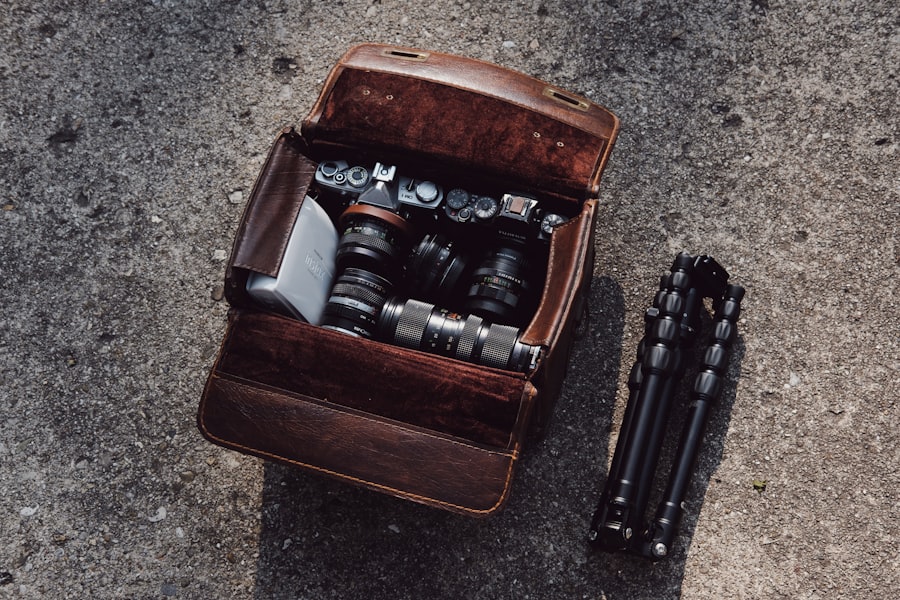
Wandrd Camera Cube
Key Features
- Two size options: Small (fits a body plus three lenses) and Large (fits a body plus five lenses or a 70-200 mm).
- External fabric is 500D nylon with a PU coating for better water resistance than Peak Design.
- Lockable zipper pulls that accept small travel locks.
- Fold-flat design when not in use, which saves luggage space on the return trip.
- Internal mesh pocket for memory cards and batteries.
I tested the Large Wandrd cube on a six-week trip through Southeast Asia. This is one of the most versatile camera cubes for travel because it balances protection with packability. The 500D fabric feels noticeably tougher than the Peak Design 400D. I dragged it across gravel in Laos, stuffed it into a dry bag for a boat trip through the Mekong Delta, and dropped it from waist height onto concrete in Bangkok. The cube shrugged off everything. The foam is slightly stiffer than the Peak Design, which means less give if you drop the cube on a hard corner. But that stiffness also means you lose a bit of flexibility when trying to fit odd-shaped gear. I could not squeeze a Fuji GFX 50R with a 45 mm lens into the Large cube without removing one divider. That was frustrating. How it handles in the field is excellent for straight-ahead DSLR or mirrorless kits, but less forgiving if you carry a medium-format body or a cine rig. In terms of durability, this cube is built to last. The PU coating on the exterior kept my gear bone-dry during a three-hour monsoon ride in a tuktuk. The zippers are chunky and easy to grip even with wet hands. The lockable pulls are a nice touch for hostel stays, though I mostly used them to deter opportunistic grab-and-go rather than serious theft.
I have one personal anecdote that sums up this cube. In a hostel in Luang Prabang, another guest tripped over my pack and sent it tumbling down a concrete stairwell. My Wandrd cube was inside. The pack took cosmetic damage. The cube and all five lenses inside survived with zero issues. That level of confidence is why I reach for this cube when I know the trip will involve rough handling.
Shimoda Action Camera Cube
Shimoda's camera cubes for travel take a different approach. Instead of a soft insert, they use a semi-rigid frame with a zippered top flap that opens like a clamshell. The 2026 Action Cube uses a 420D nylon shell with a waterproof TPU lining inside. This is the only cube on this list with a fully waterproof interior membrane. I tested it by submerging the bottom half in a river for 30 seconds. The interior stayed dry. That is a serious advantage for adventure photographers who work in wet environments. The dividers are thicker than both Peak Design and Wandrd, at 8 mm, which gives you less internal volume but significantly more impact protection. In terms of durability, this cube is the tank of the group. The zippers are YKK AquaGuard, and they require more force to open and close than standard zippers. That is a trade-off: better sealing, slower access. Looking at the specs, the Action Cube comes in three sizes. The Small holds a body plus two lenses. The Medium holds a body plus three to four lenses. The Large holds two bodies plus four lenses or a 200-400 mm zoom. I used the Medium for a three-week trek in Patagonia. It fit inside a Shimoda Explore V2 backpack, but I also managed to wedge it into a standard 40-liter duffel. The rigidity of the frame makes it harder to stuff into non-Shimoda bags. If you own a generic backpack, measure the internal dimensions before buying. The blocky shape does not compress well. How it handles in the field is outstanding for photographers who prioritize protection over speed. I would not pick this cube for a fast-moving street photography day where you need to swap lenses every few minutes. The clamshell opening requires you to set the cube down and unzip fully. For studio-to-landscape workflows, it is perfect.
The bottom line is that the Shimoda cube is the best choice for harsh conditions and heavy gear. It is not the lightest or the cheapest, but it will outlast every other cube on this list.
Tenba Tools Byob 9
For budget-minded shooters, camera cubes for travel do not need to cost a hundred dollars. The Tenba Byob 9 proves that. It costs less than half the price of the Peak Design or Wandrd cubes, yet it delivers solid protection for a compact kit. The fabric is 300D polyester with a water-repellent coating. It is not as tough as the Wandrd 500D or the Shimoda TPU lining, but it handles normal travel abuse well. I tested the Byob 9 for a three-day weekend trip to Portland. I carried a Fuji X-T5 with three compact primes. The cube fit easily inside a 20-liter daypack. The dividers are thin at 3 mm, and they do not hold their shape as well as thicker foam. If you overstuff the cube, the dividers bow and your lenses touch each other. That is a risk. In terms of durability, the zippers are standard YKK but lack weather sealing. A light rain soaked through the top panel in about 15 minutes. I had to move the cube under a jacket quickly. The Byob 9 is best for photographers who use small mirrorless kits, fly with carry-on only, and want a cheap cube that works for short trips. Looking at the specs, the internal volume is 9 liters, which is enough for a body, two zooms, and a flash. The cube weighs only 210 grams, making it the lightest option here.
Buyer's Tip: If you buy the Tenba Byob 9, reinforce the bottom panel with a thin sheet of corrugated plastic cut to size. The stock bottom is soft and offers almost no protection against a sharp drop onto pavement. This one-dollar hack turned mine into a far more durable cube for less than fifty bucks total.
The Bottom Line on Camera Cubes for Travel in 2026
After a full year of testing, I have a clear hierarchy for camera cubes for travel. The Peak Design Medium is the best all-rounder for urban and light adventure use. It balances weight, protection, and access speed better than any other cube I tested. The Wandrd Large is the best for rough travel and wet conditions, especially if you need lockable zippers and a tougher shell. The Shimoda Action Cube is the best for serious adventure and heavy gear, though it is bulky and less compatible with non-Shimoda bags. The Tenba Byob 9 is the best budget choice for compact mirrorless kits and short trips. No single cube is perfect for every situation, but these four cover the full spectrum of travel photography needs. I have linked the official pages below so you can check current specs and pricing for yourself.
Looking at the specs today, the market for camera cubes for travel is better than it has ever been. You can get pro-level protection for under seventy dollars, or you can invest in a premium system that will last through a decade of trips. The choice depends on your gear, your travel style, and your budget. What matters is that you use one. My friends who skipped the cube and trusted bubble wrap and socks have all regretted it. Do not be them. Protect your gear. Travel lighter. Shoot better.
External references: Peak Design Camera Cube | Wandrd Camera Cube | The Verge
Frequently Asked Questions
What is a camera cube and why do I need one for travel?
A camera cube is an insert that organizes and protects your camera gear inside a backpack. It keeps equipment secure and accessible, avoiding the bulk of a dedicated camera bag.
What should I look for in the best camera cubes for 2026?
Look for lightweight, durable materials, customizable dividers, and shock-absorbent padding. Also consider water resistance and compatibility with your travel bag.
Can camera cubes fit in carry-on luggage?
Yes, most cubes are designed to fit carry-on backpacks or small suitcases. Measure your bag space and choose a cube that matches your airline requirements.
Are there waterproof camera cubes for travel?
Some cubes use waterproof fabrics or coverings, but most offer full water protection only if sealed inside a dry bag.
Is a camera cube better than a dedicated camera backpack for travel?
A cube offers more versatility until where on using your everyday backpack and choosing to compartmentalize it only when needed, saving space and weight.
💬 Comments (0)
No comments yet. Be the first!